Why the Thermomix Excels at Sauces
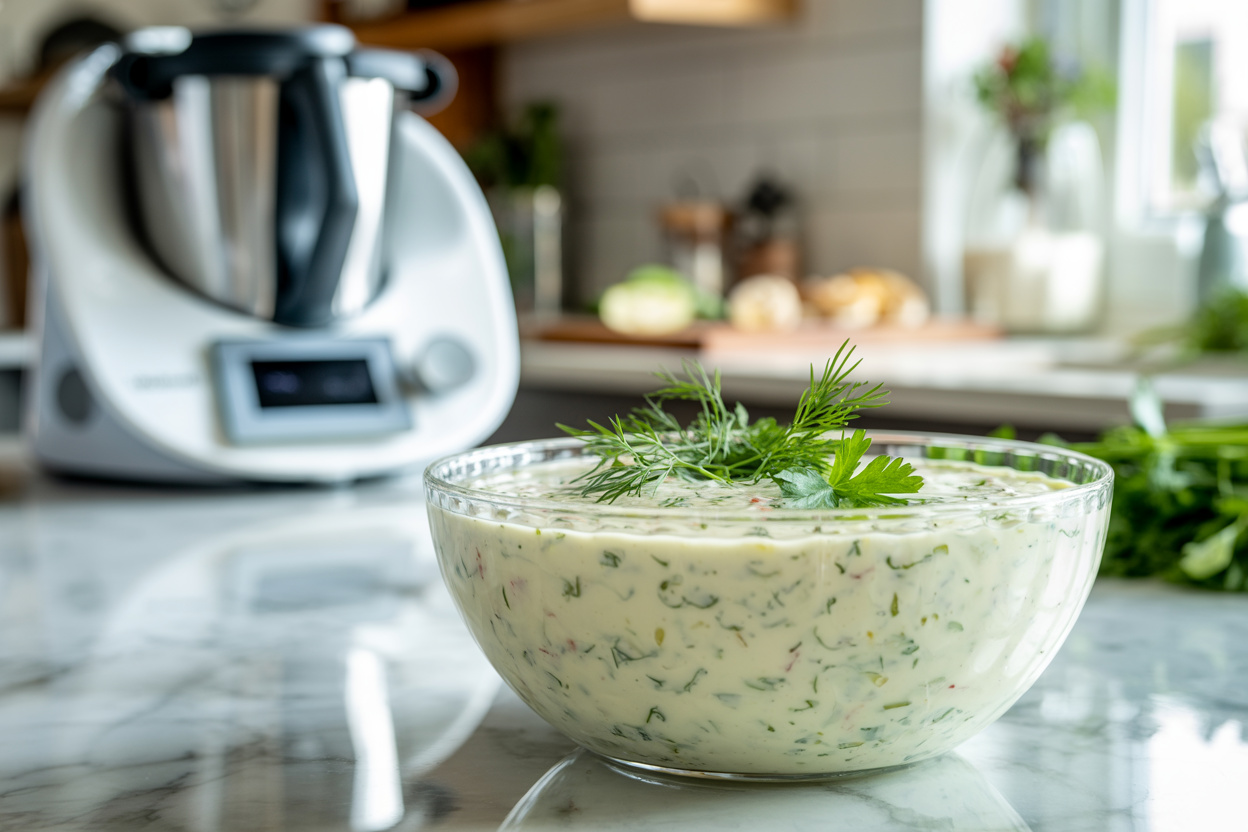
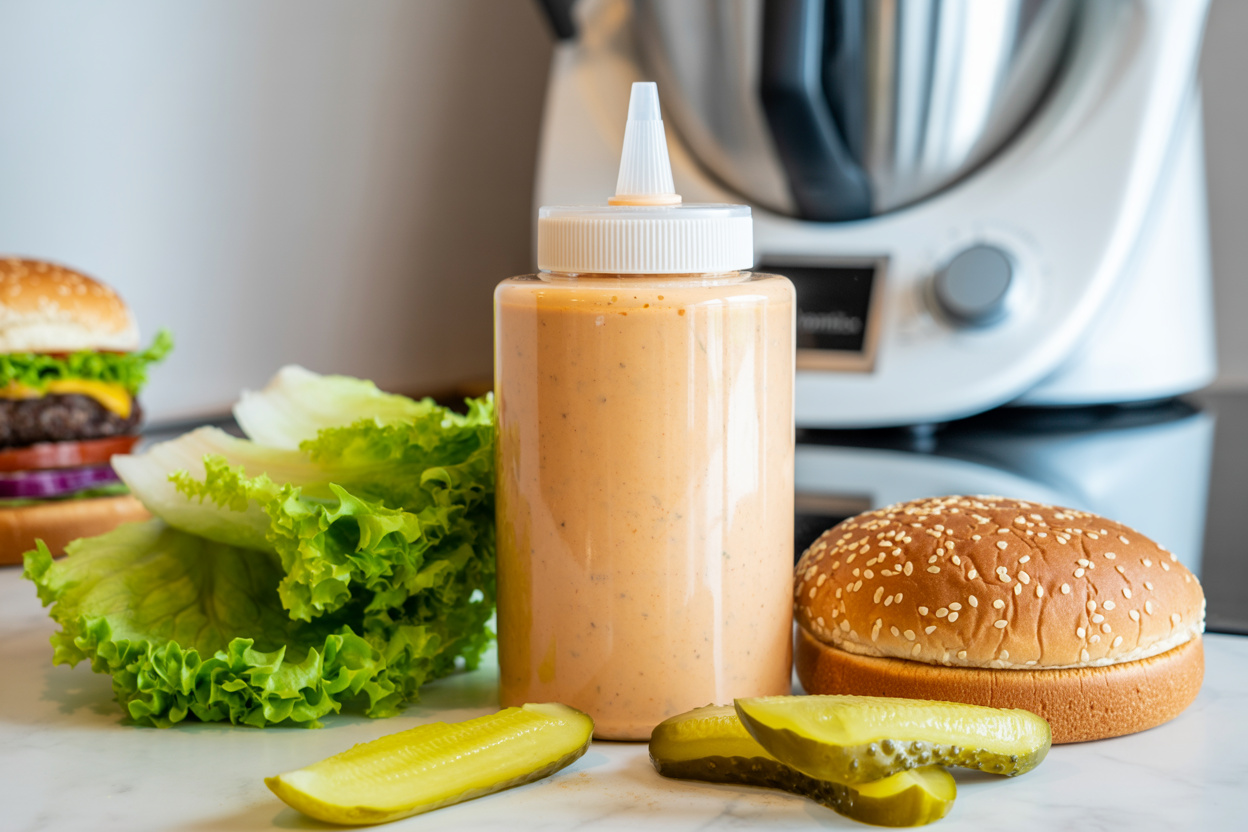
The Thermomix was practically designed for sauce making. Its heated mixing bowl, precision temperature control (37–120 °C), and variable-speed blade mean you can emulsify, cook, and blend in a single vessel without watching a saucepan. For sauces like ranch dressing or garlic aioli, it produces a silkier result than a standard blender because the blade speed is gradual - you won't over-process delicate emulsions the way a high-speed blender sometimes does. For a detailed breakdown of speed settings, temperature zones, and advanced techniques, read our full guide on Thermomix sauce-making tips and tricks.
Every recipe in this collection was developed and tested on both a TM5 and TM6. Where settings differ between models (the TM6's built-in scale reads differently from the TM5), I note the exact adjustments. If your machine is a TM31, these recipes still work - just use the manual speed and temperature controls.
What You'll Find on This Page
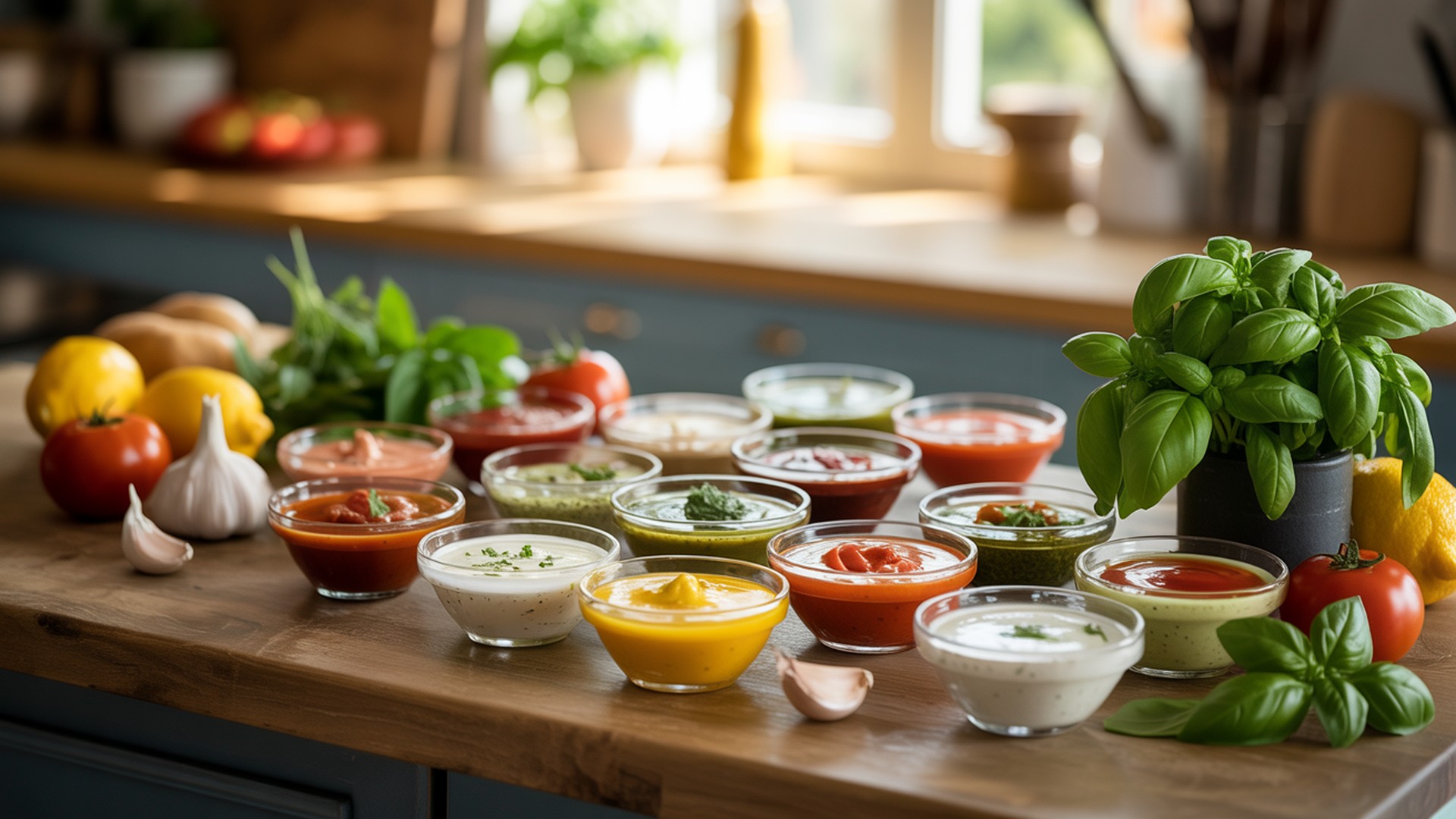
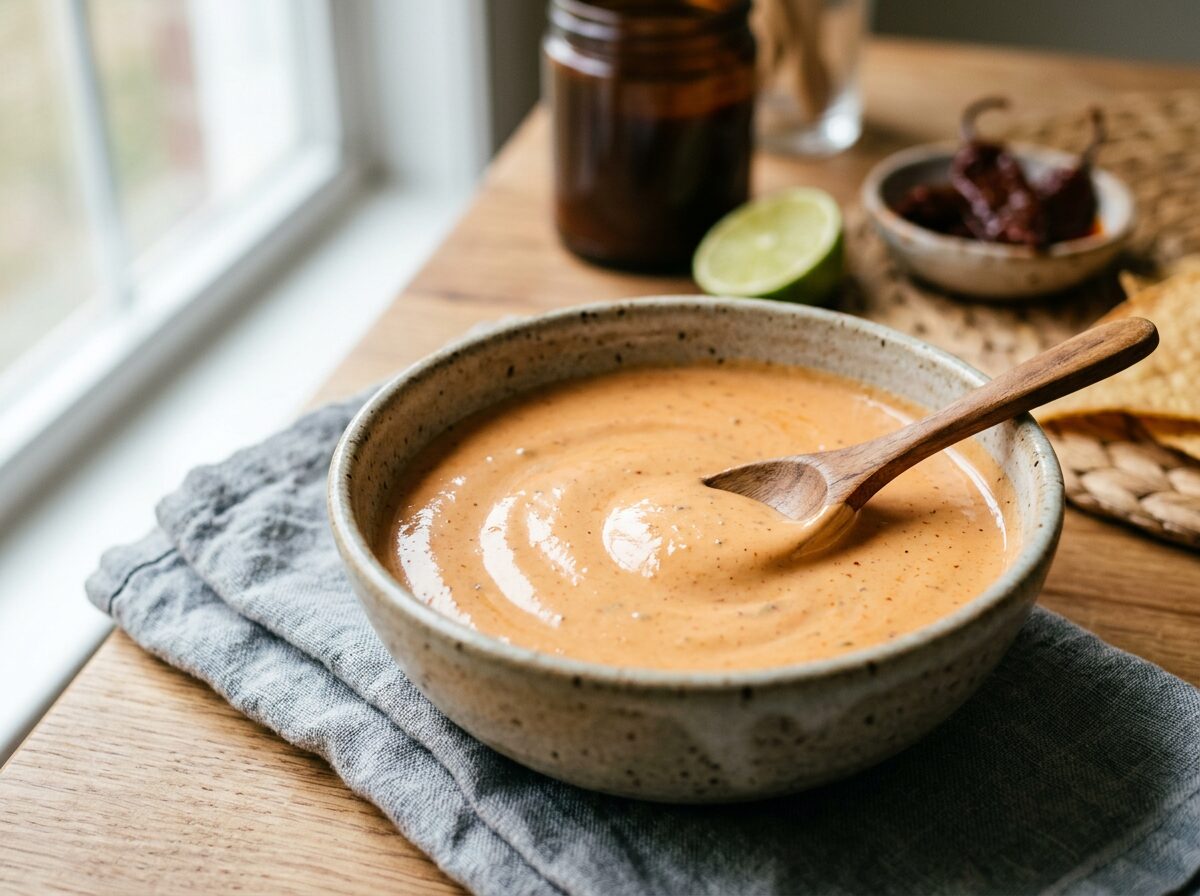
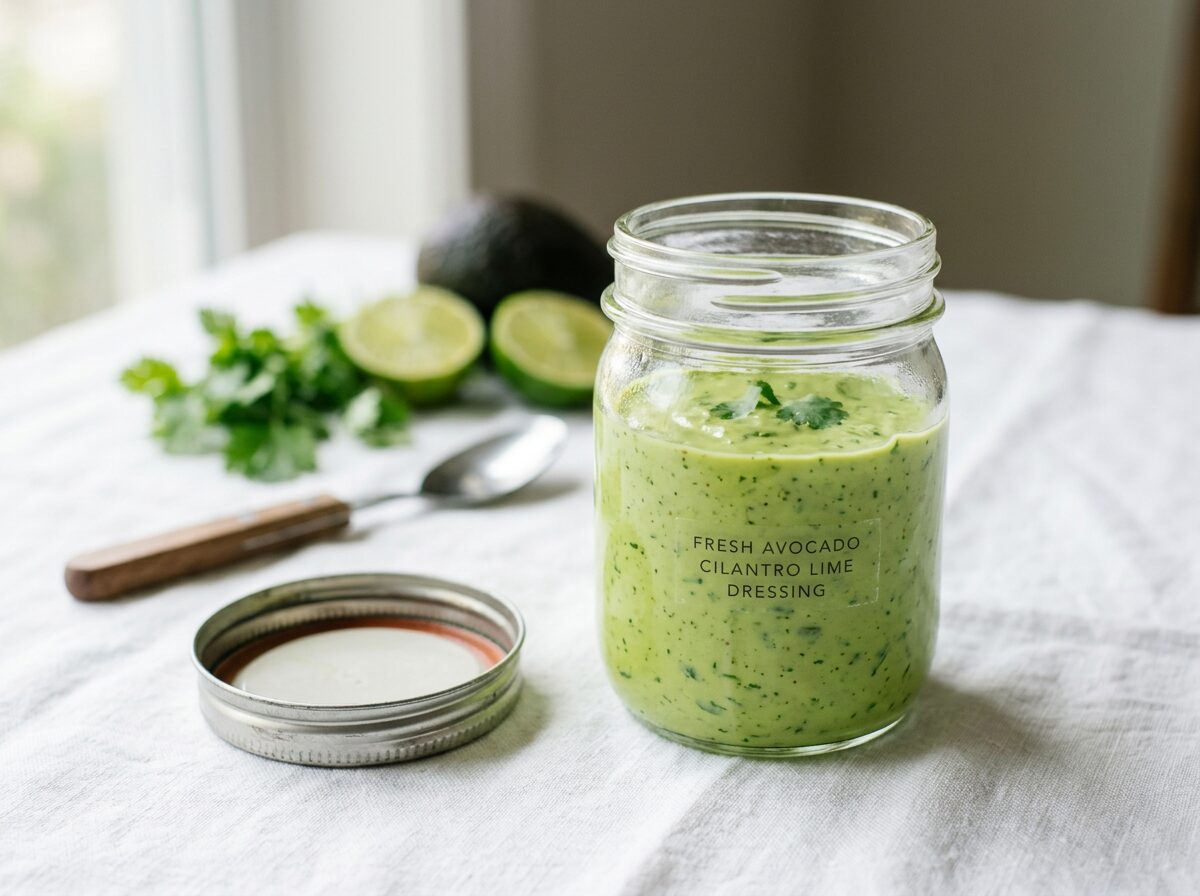
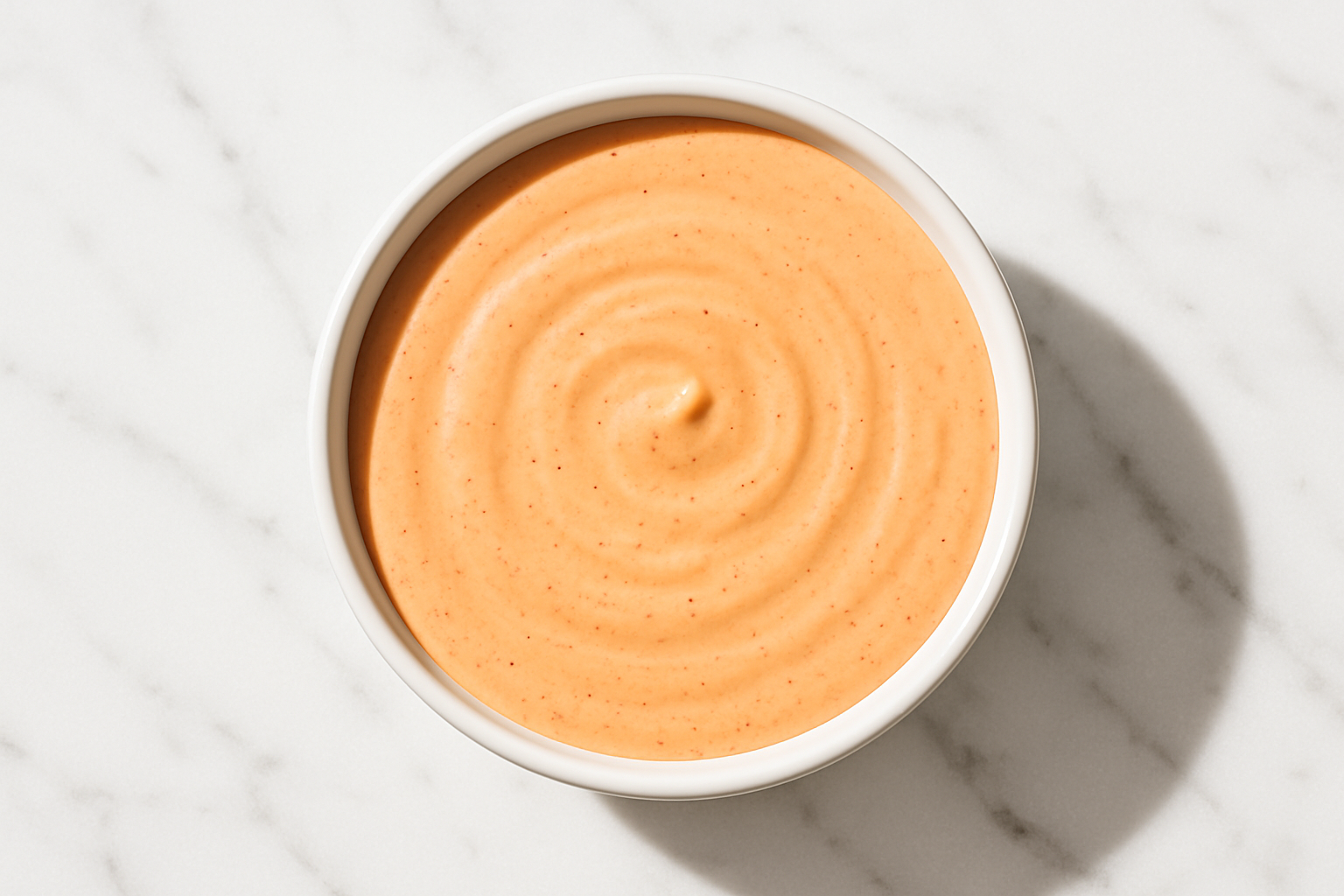
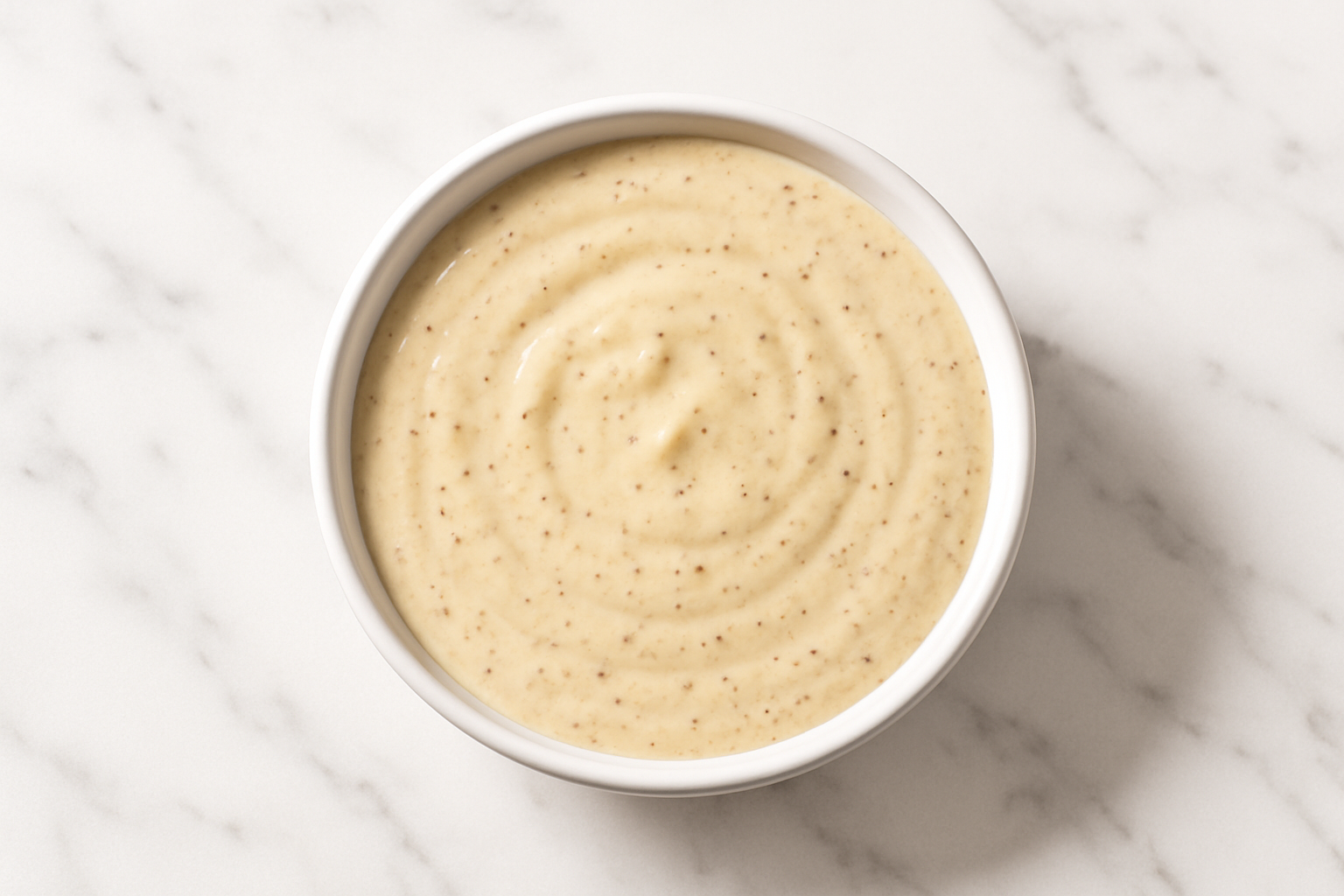
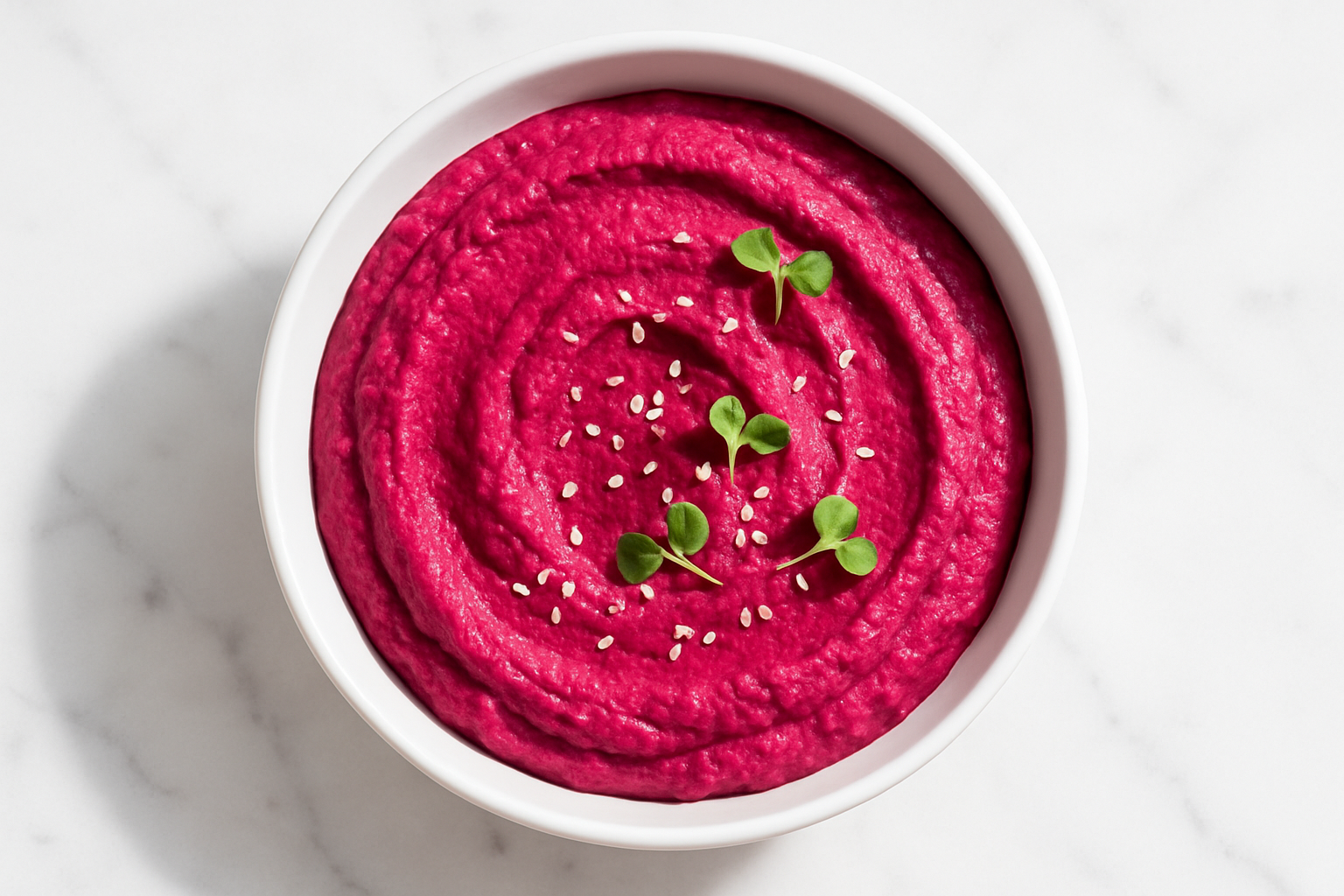
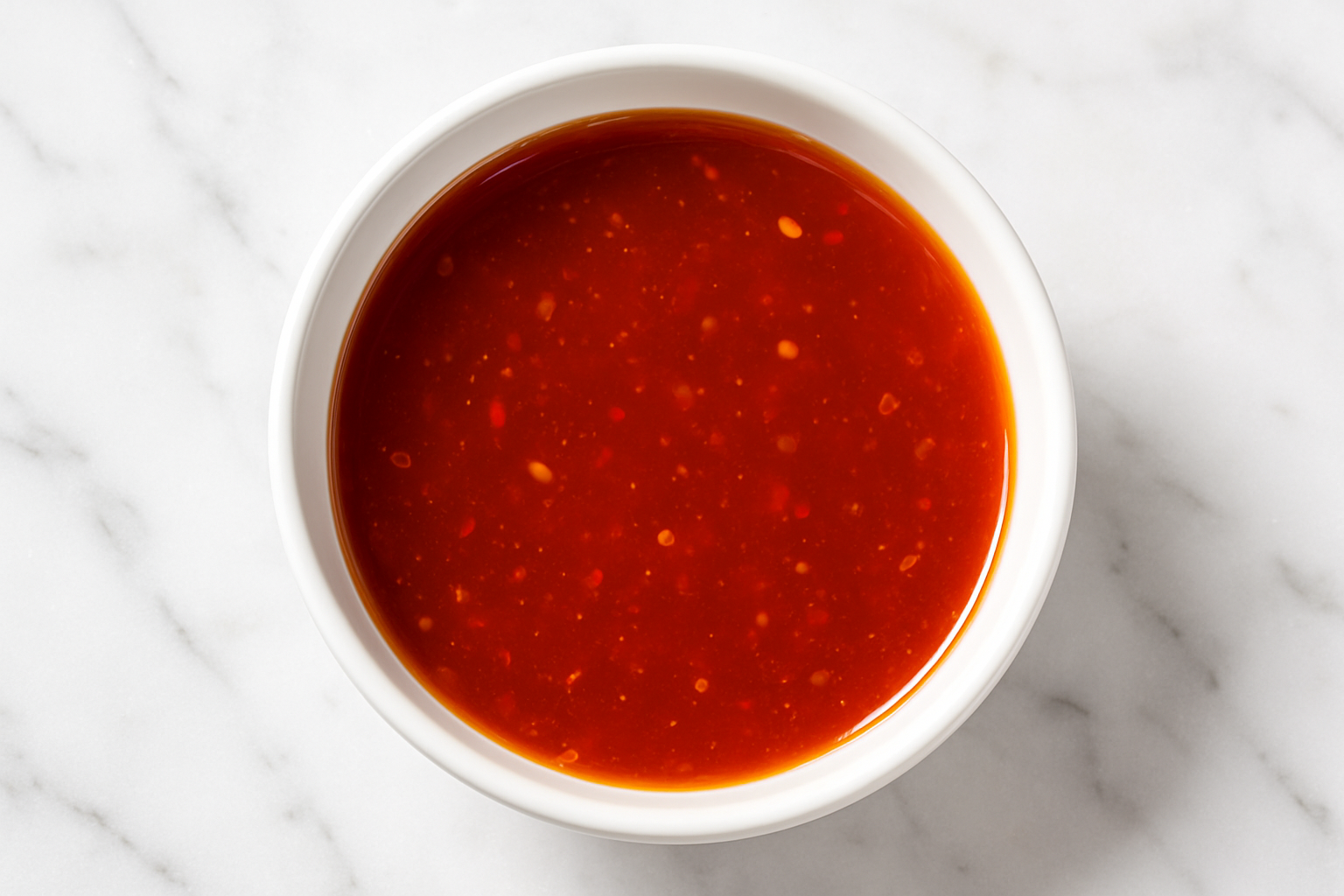
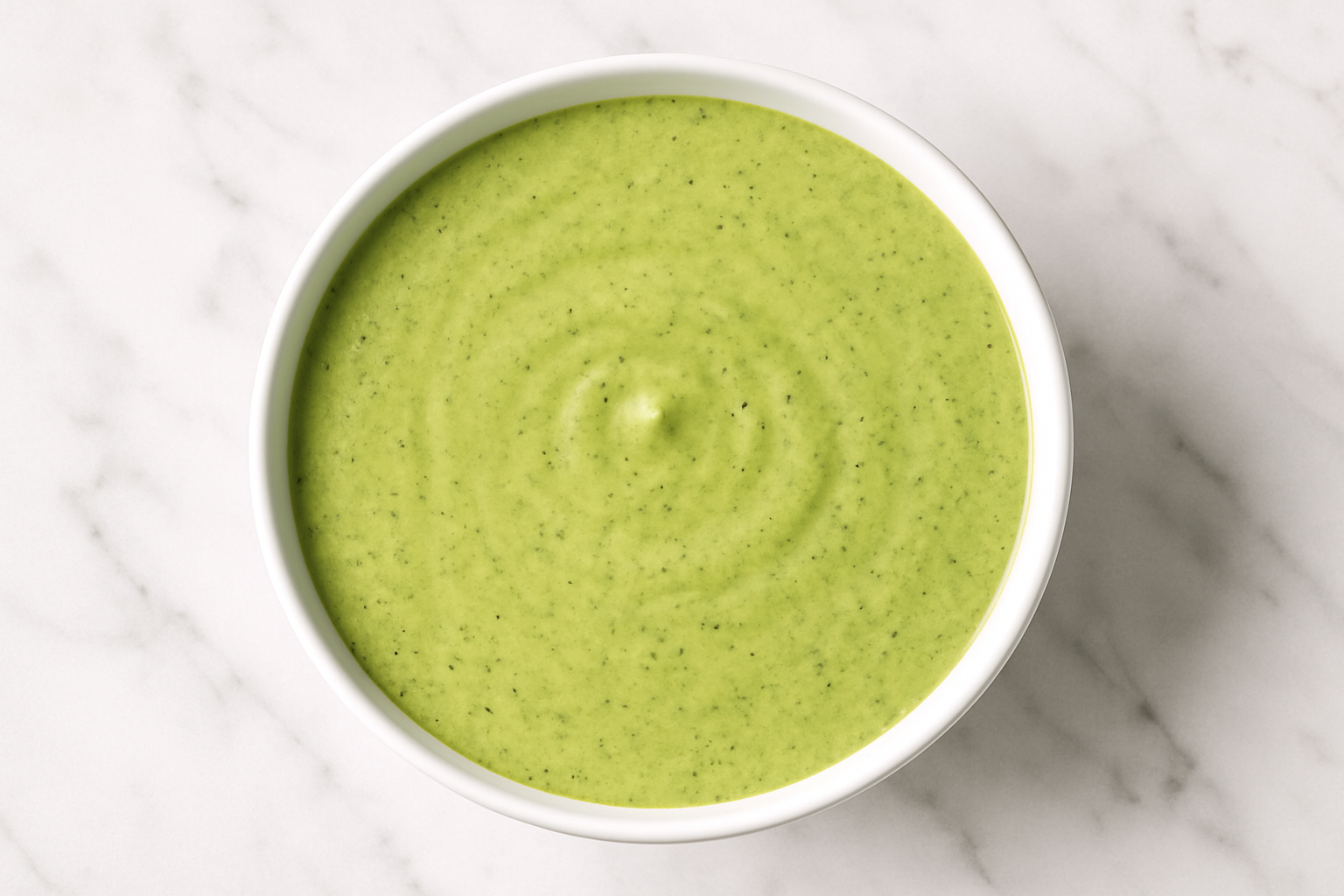
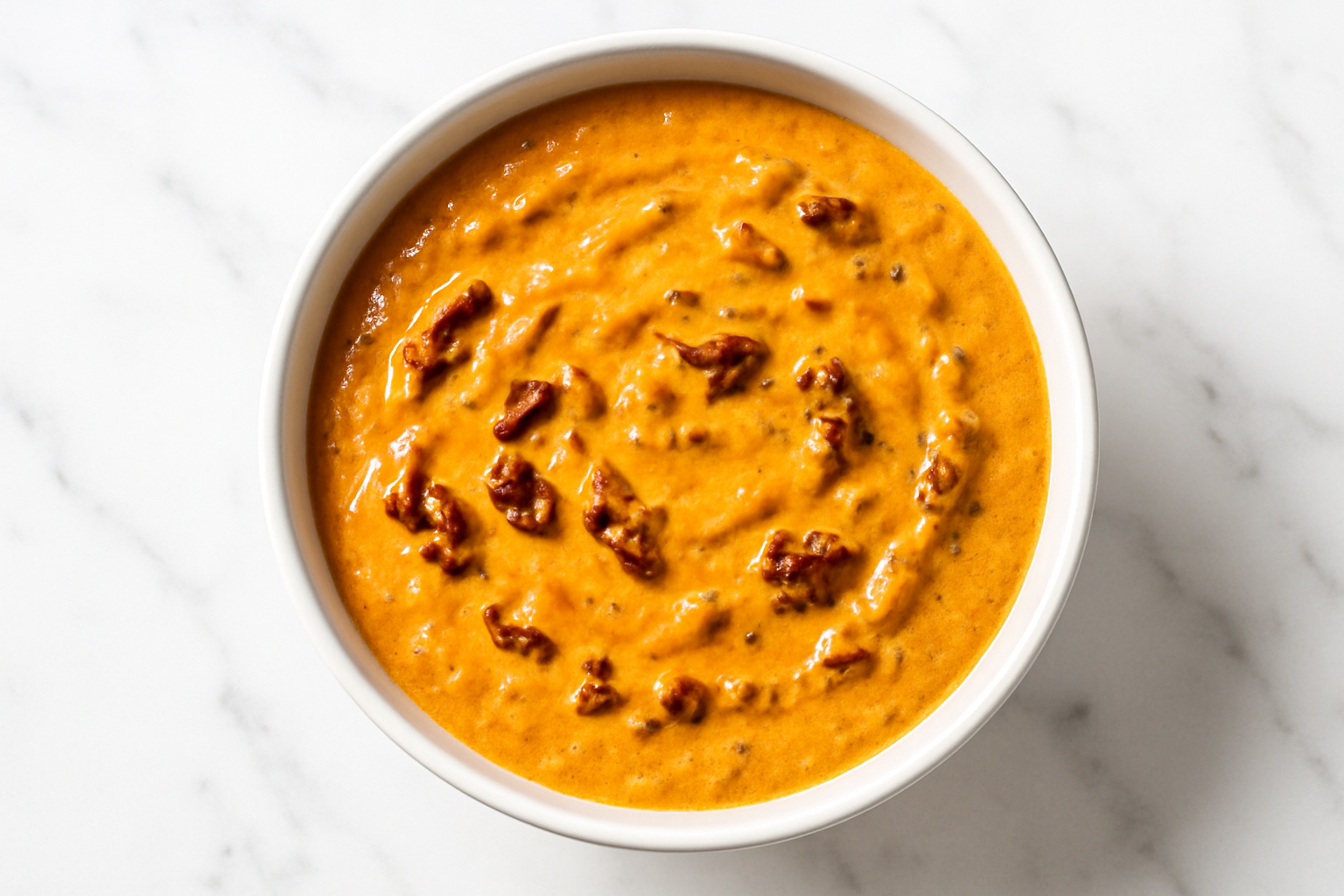
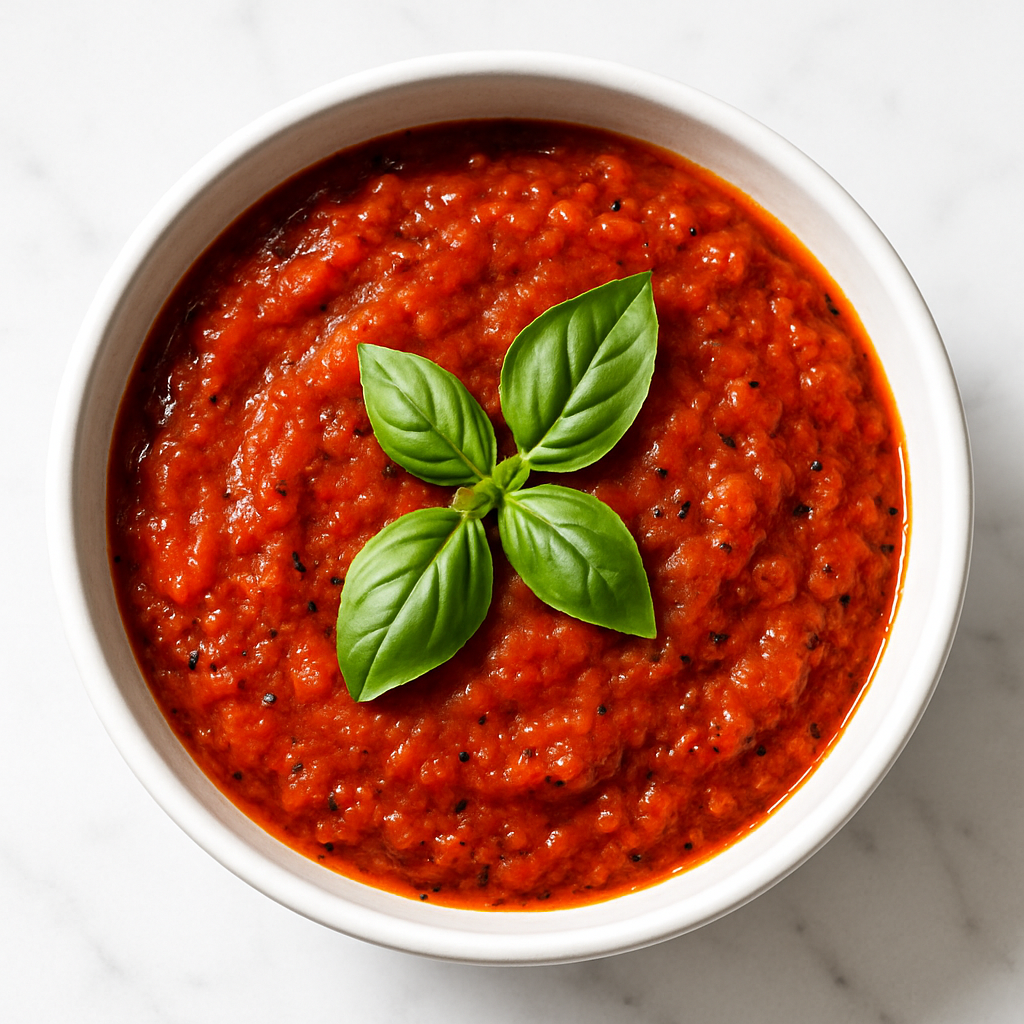
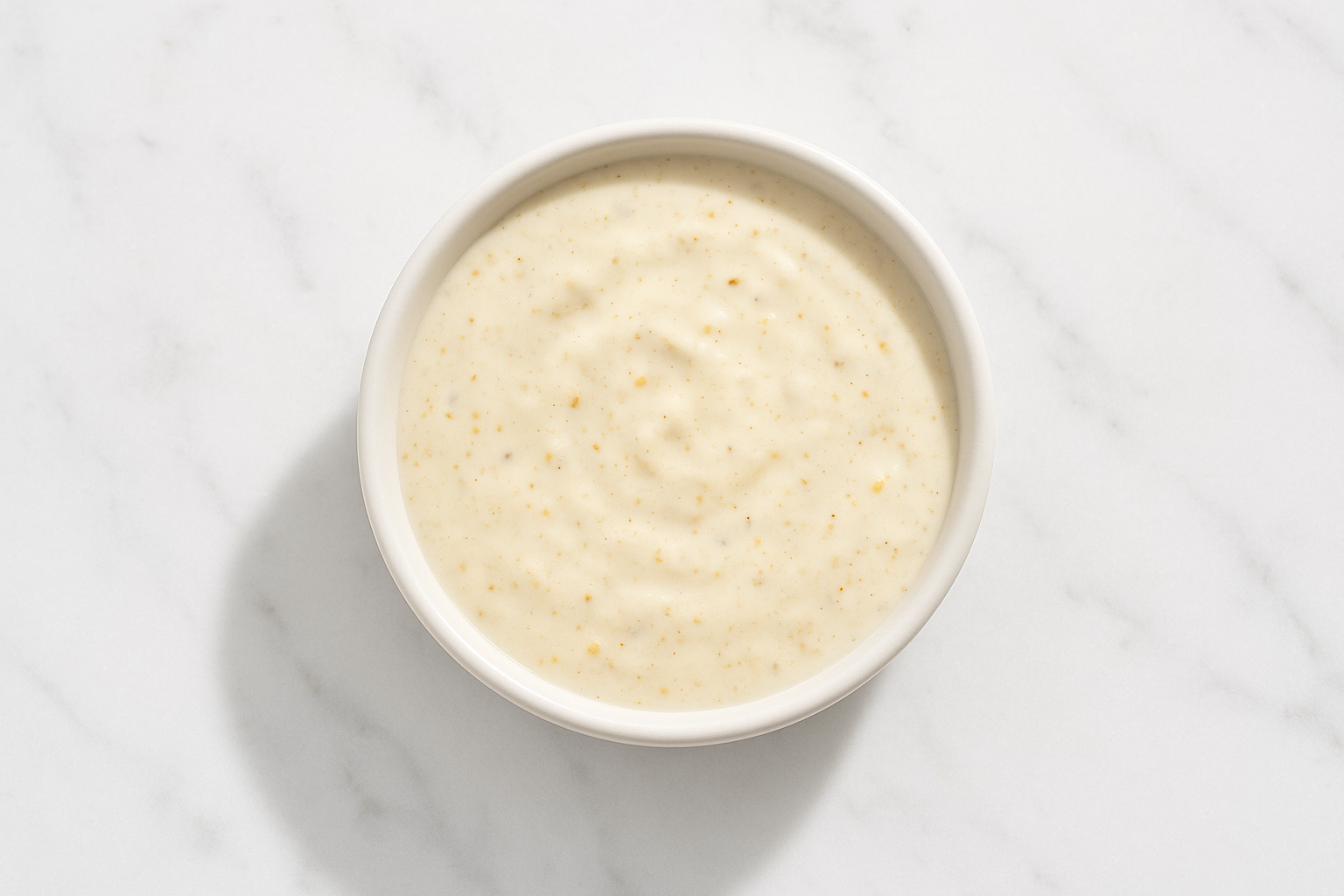
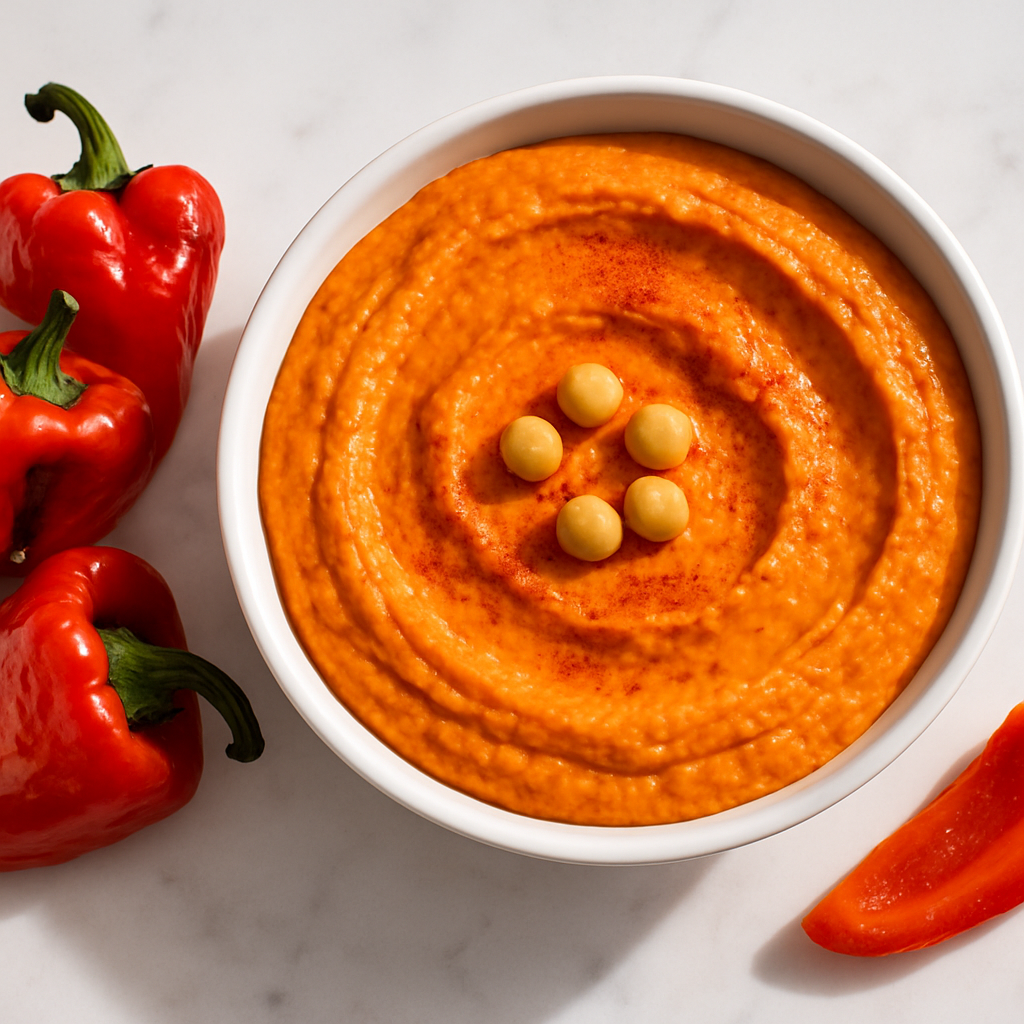
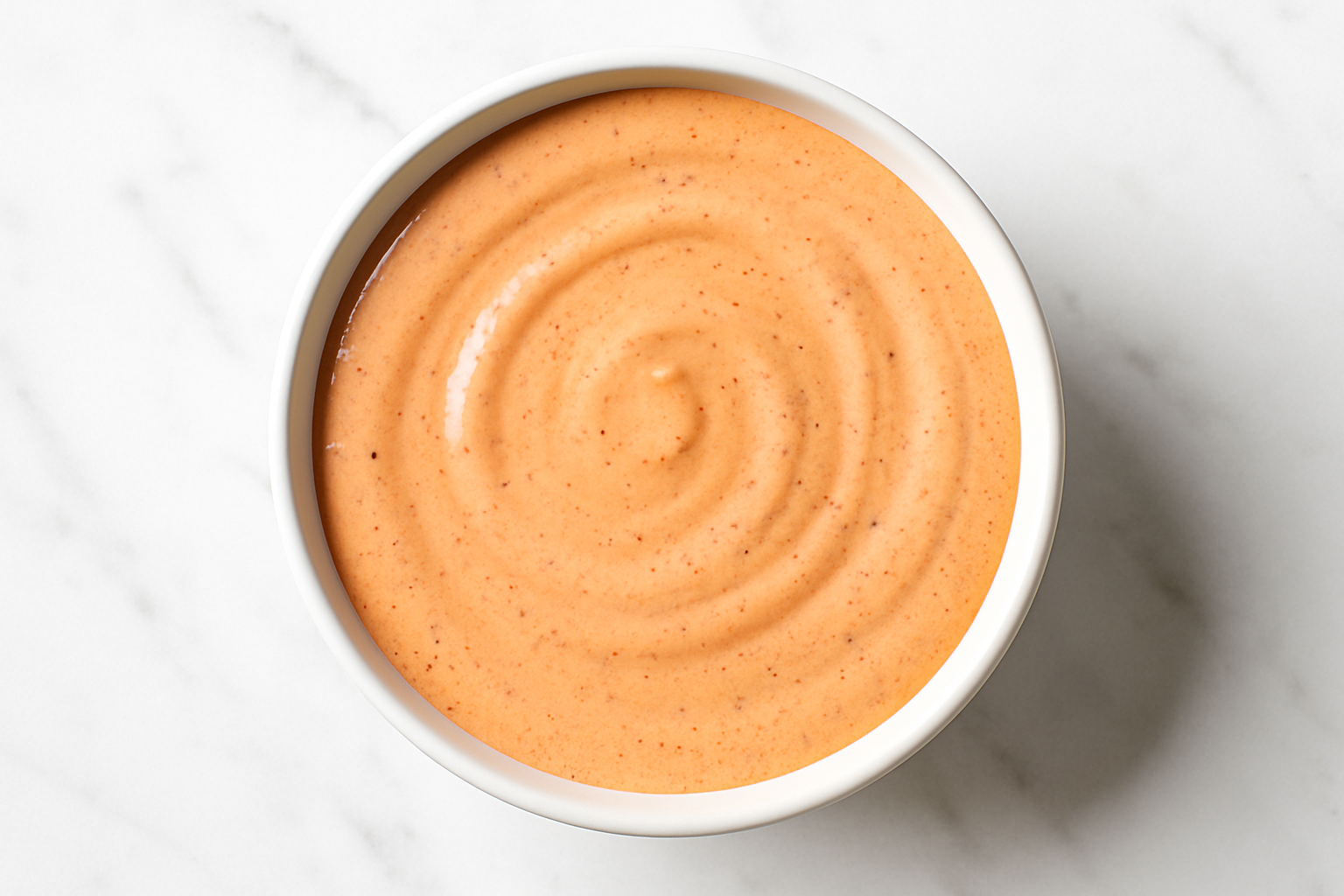
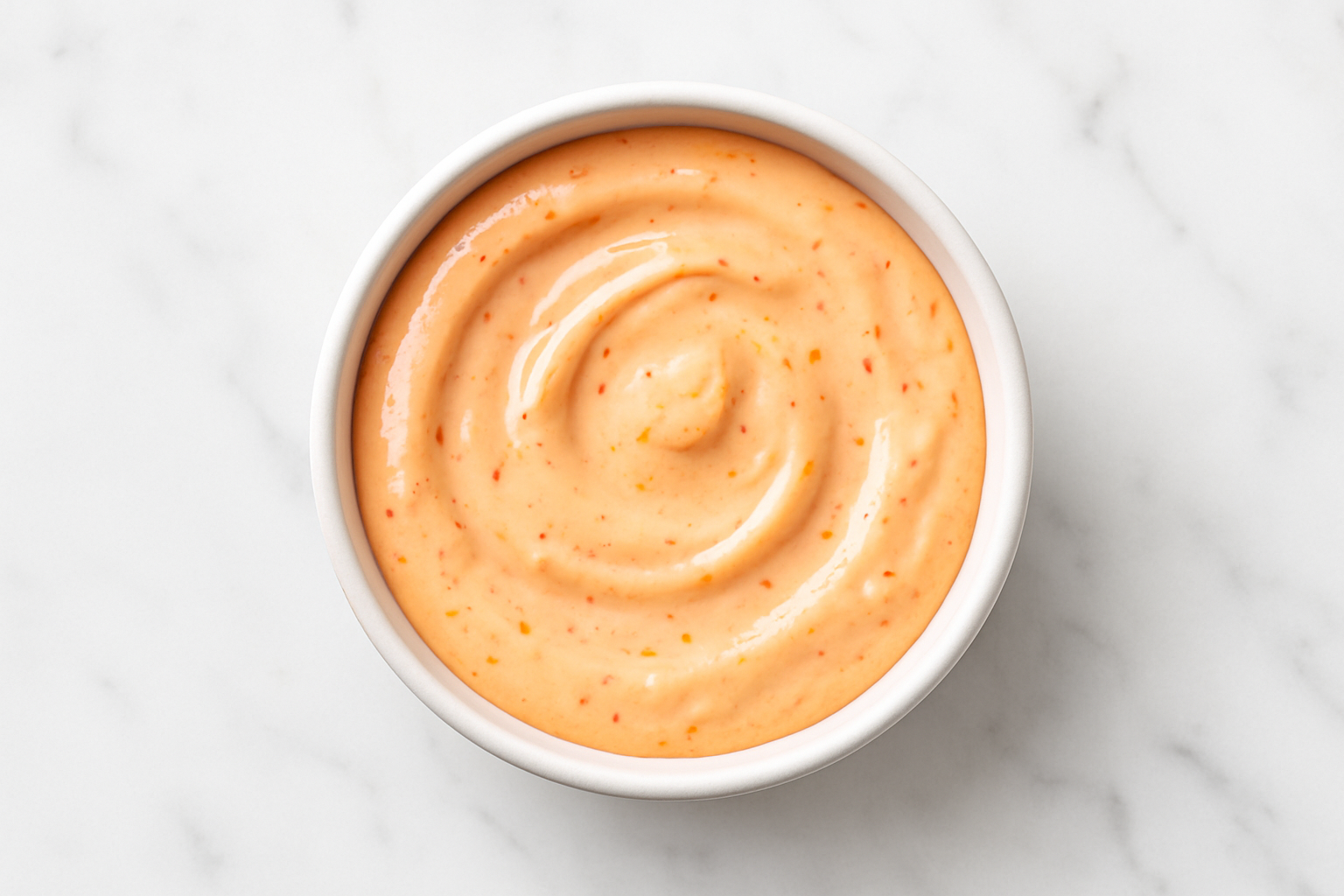
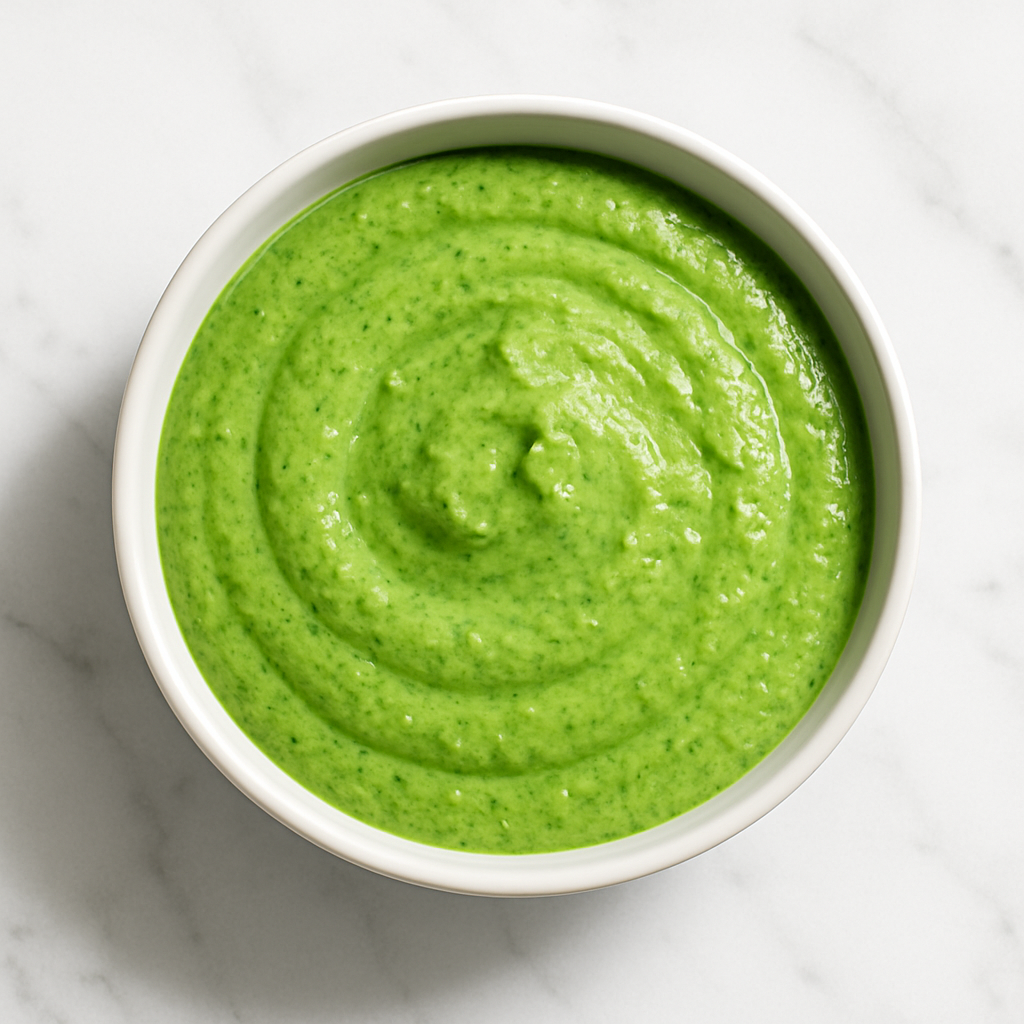
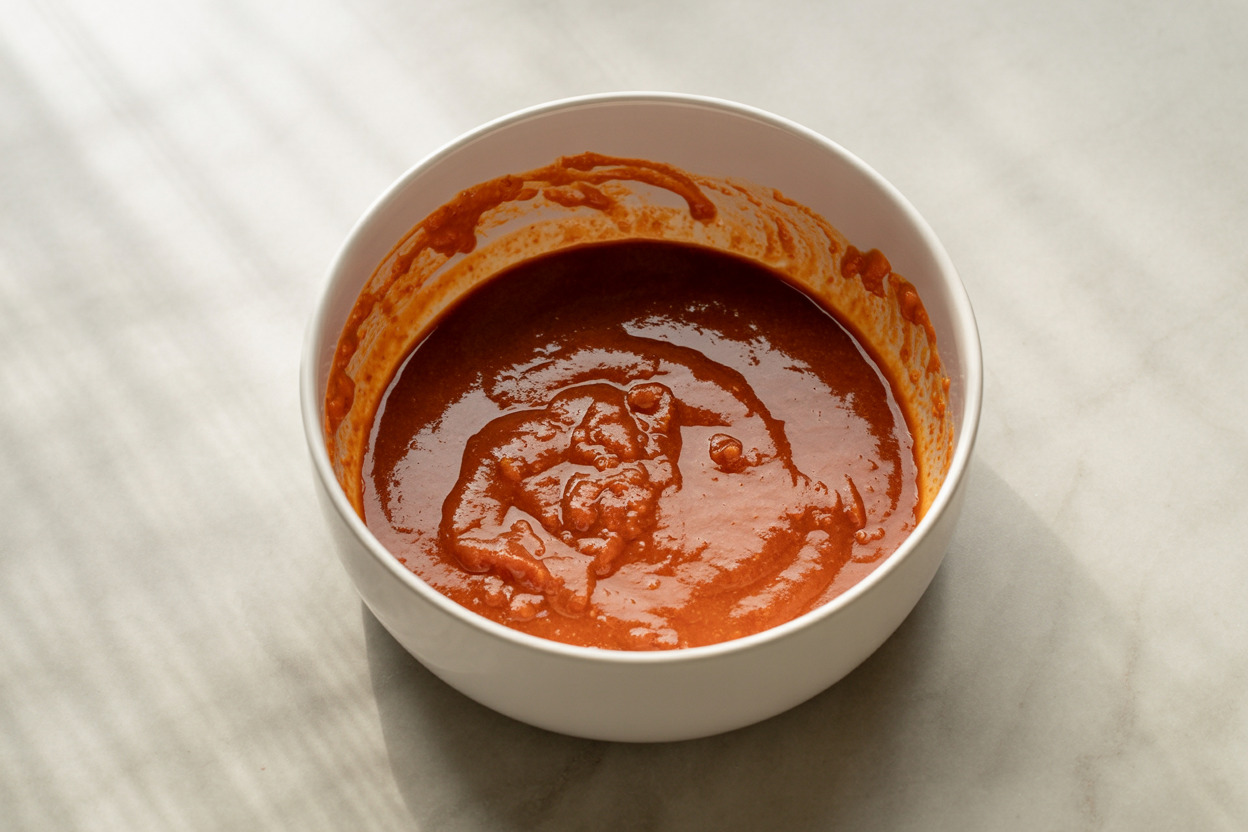
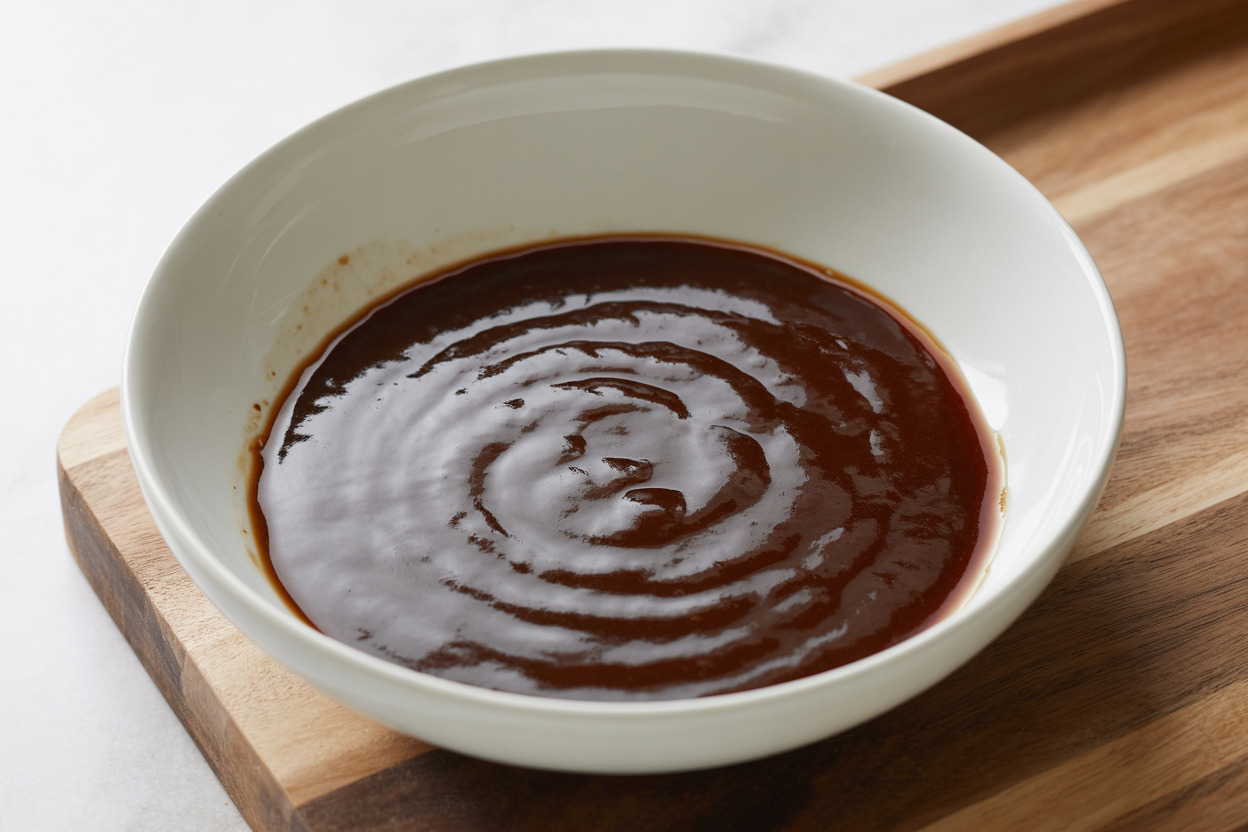
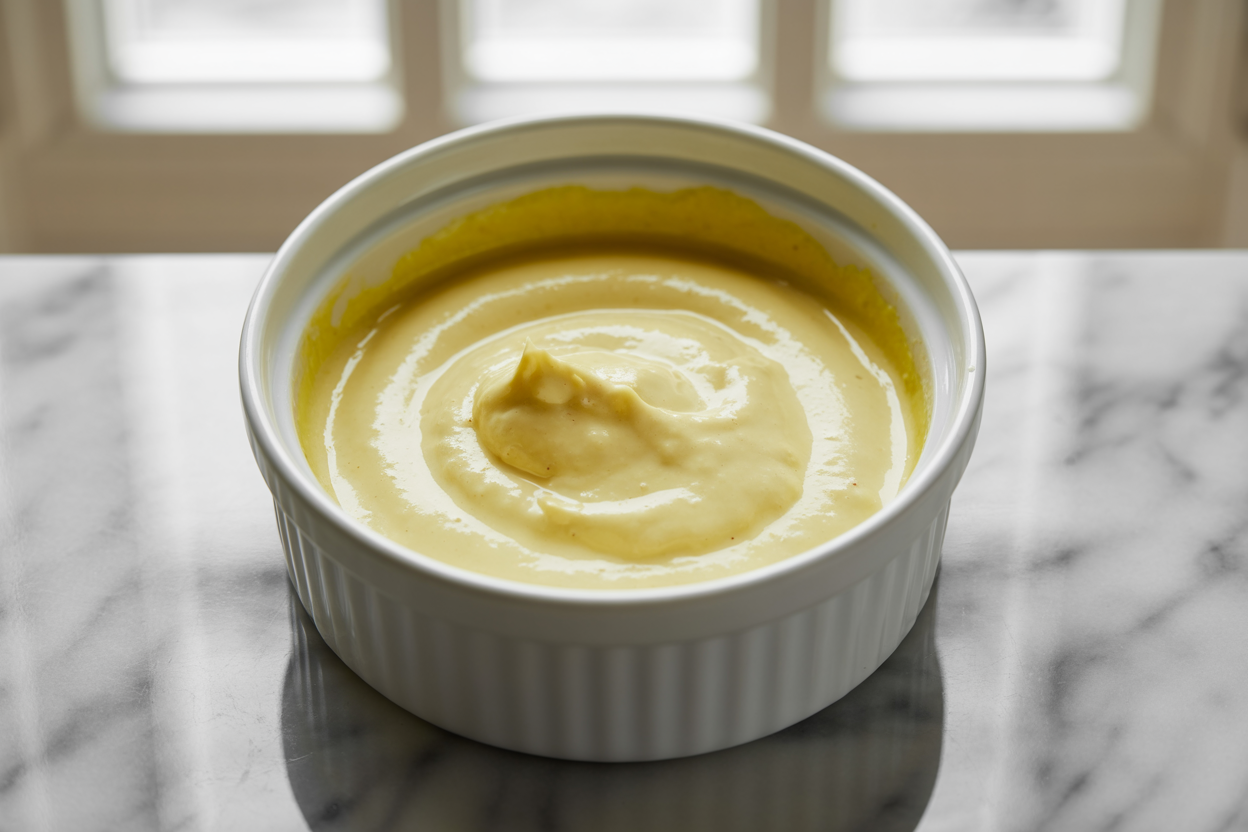
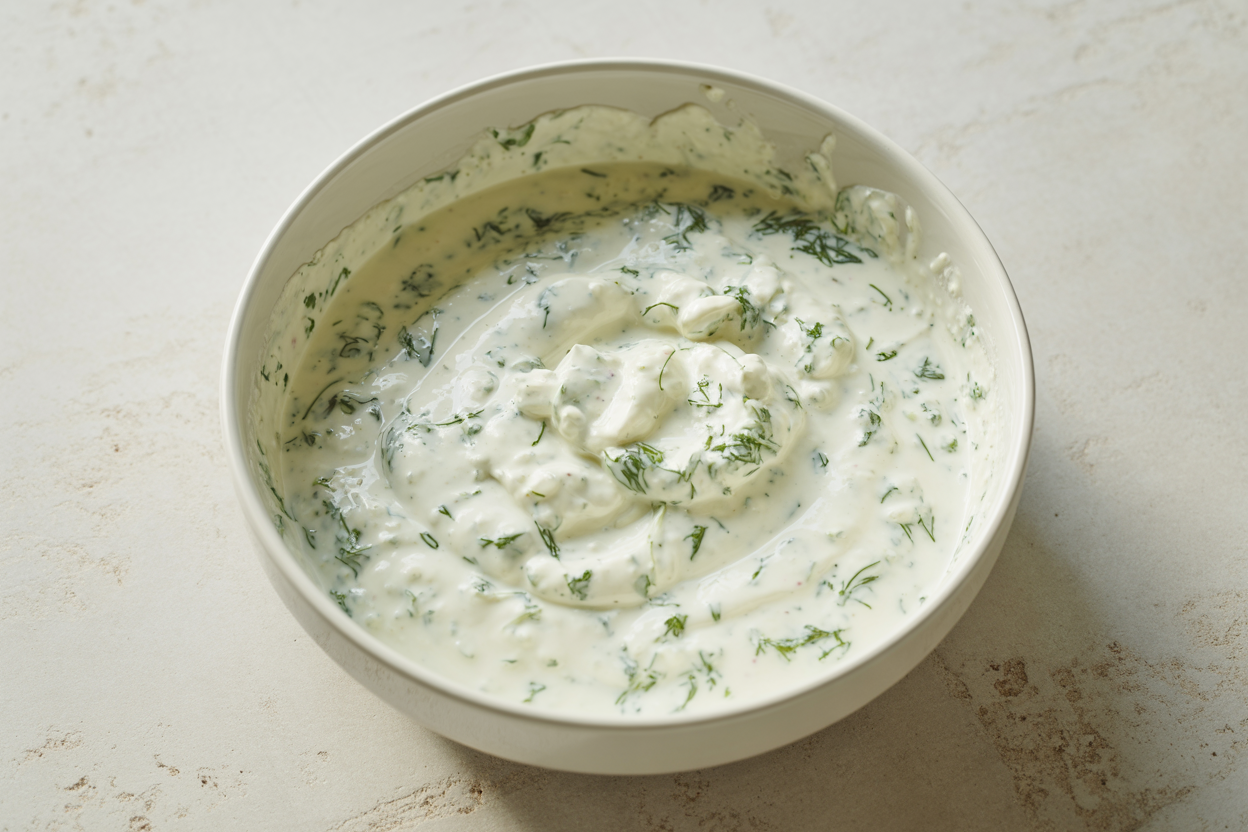
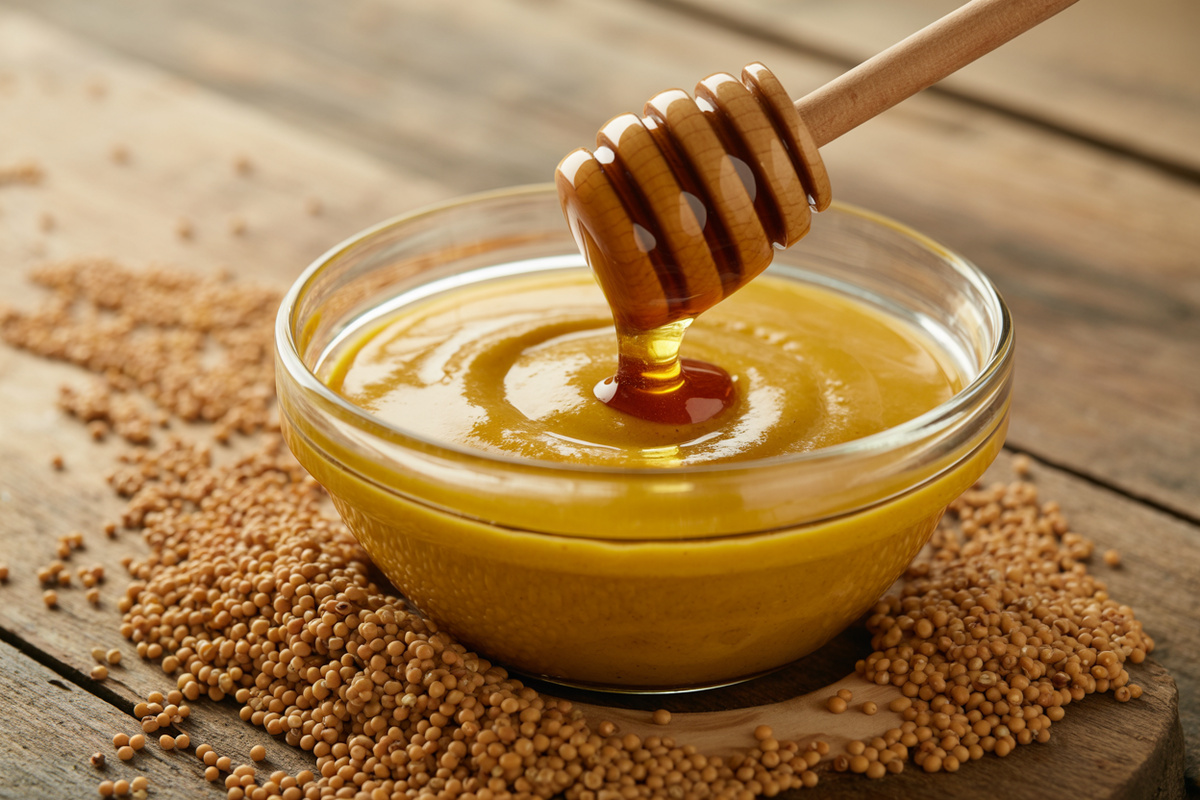
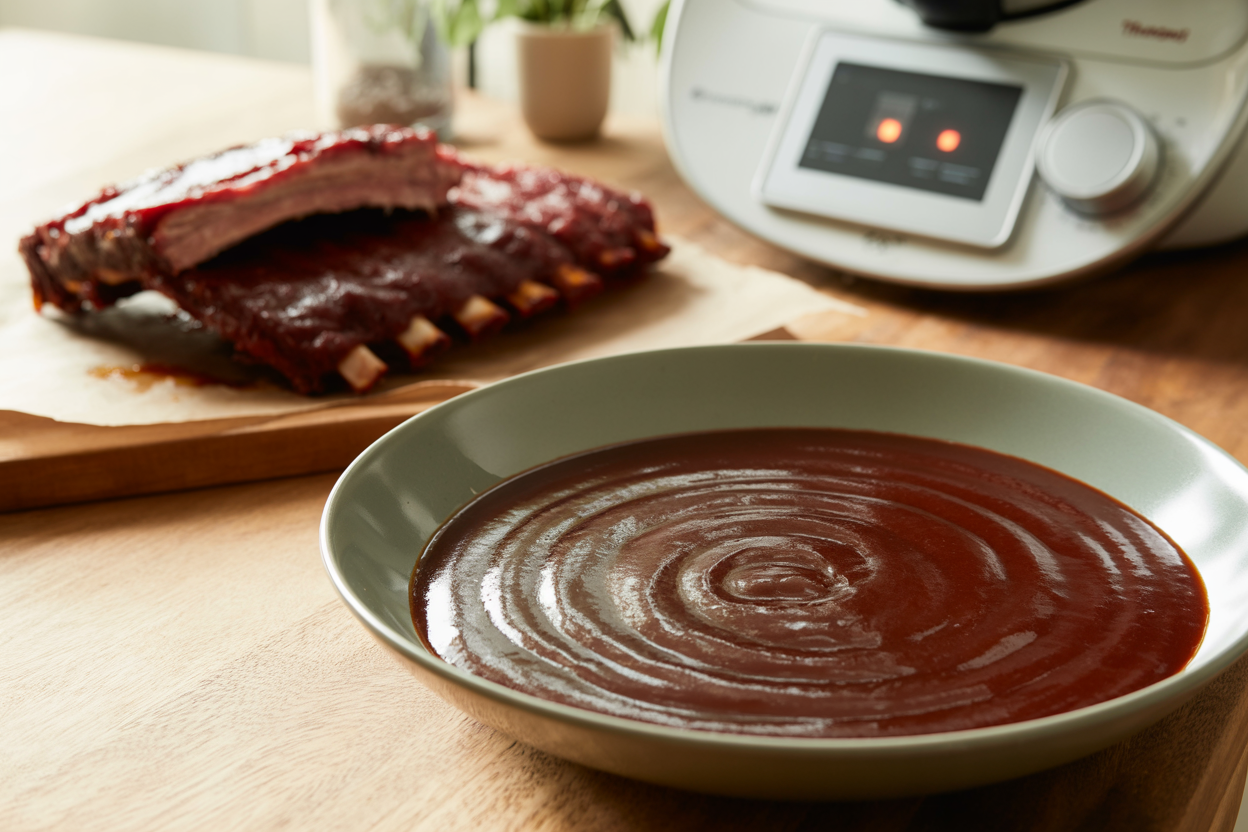
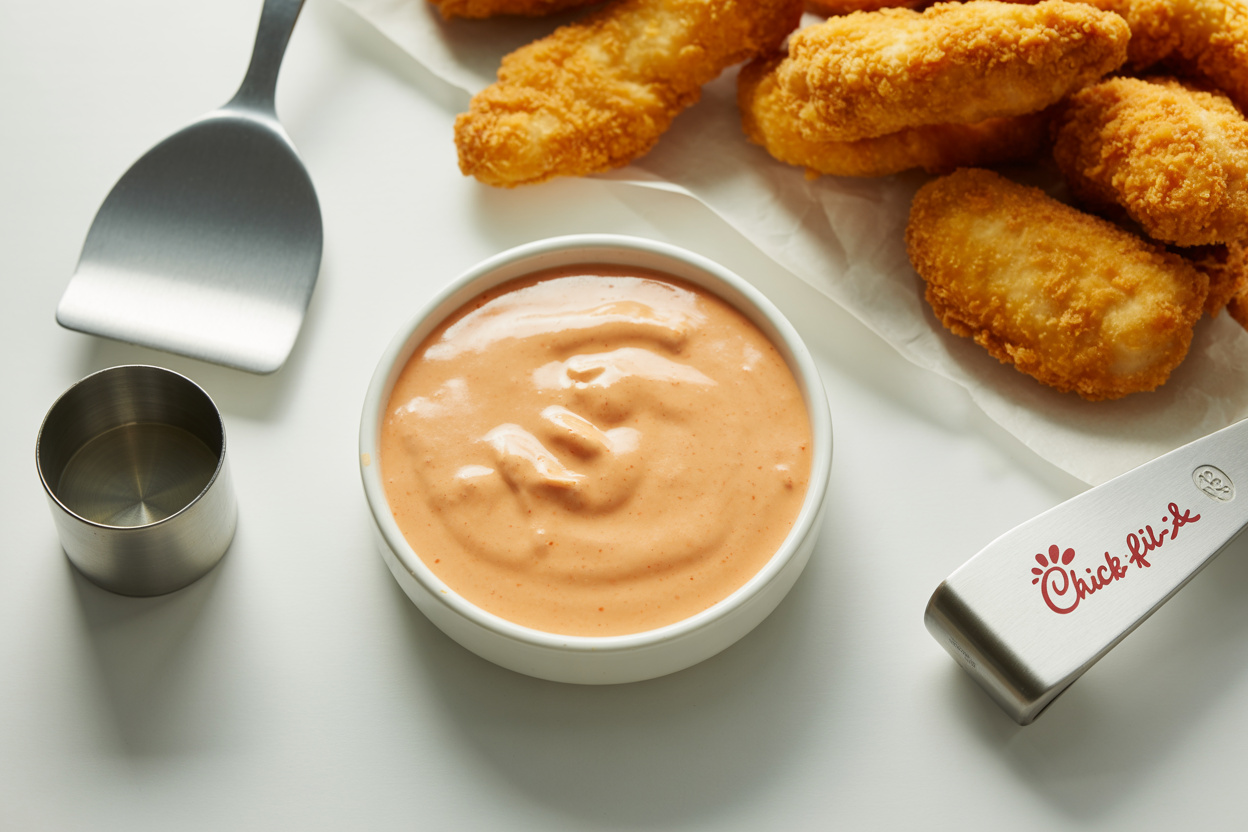
This page collects every Thermomix-adapted sauce recipe on FoodieManiac. You'll find copycat favorites like Thermomix Chick-fil-A Sauce and Thermomix Big Mac Sauce, cooked sauces like Thermomix BBQ Sauce and Thermomix Teriyaki, and everyday staples like Honey Mustard and Outback-Style Ranch. Many of these also have traditional stovetop versions in our other categories - check Copycat Sauces and BBQ & Grilling for the non-Thermomix originals.
Speed & Temperature Tips
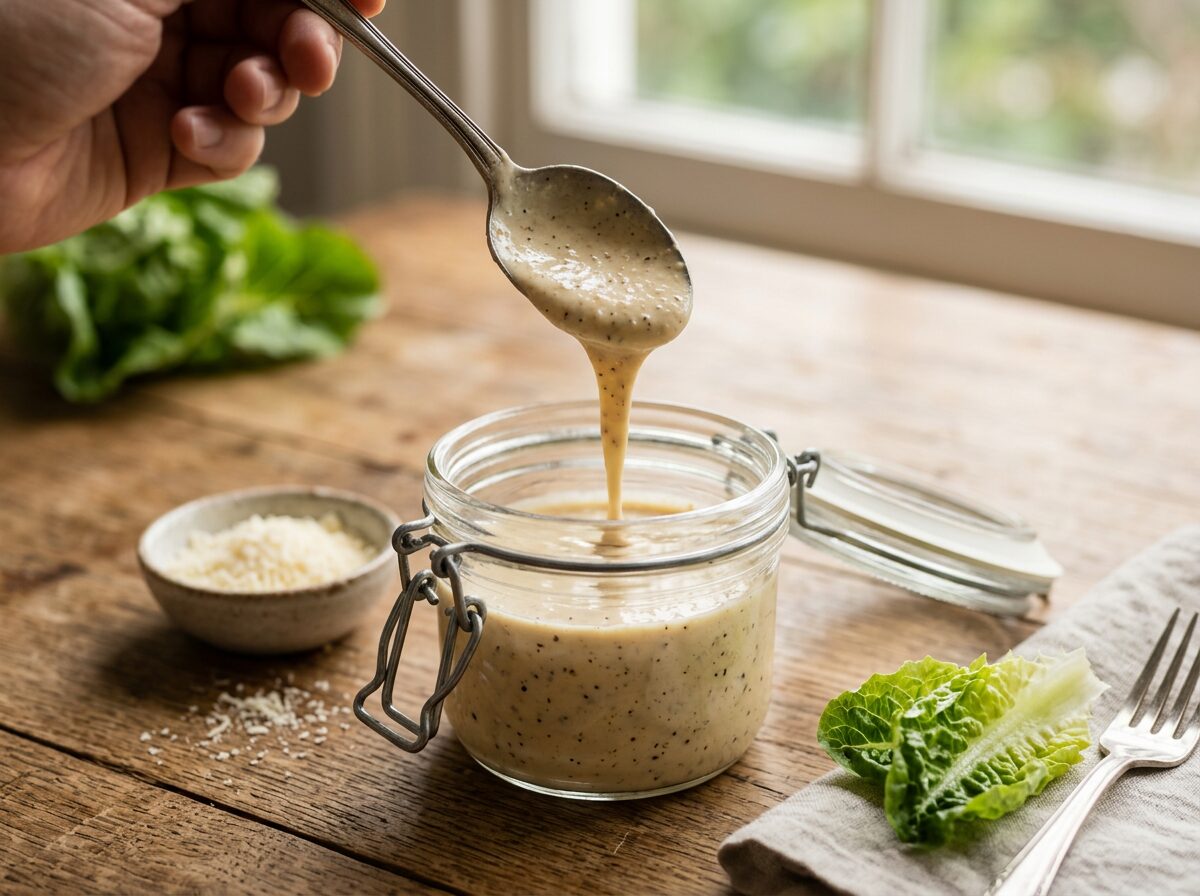
Speed 4–5 for emulsions. Ranch dressing, aioli, and mayo-based sauces need enough turbulence to emulsify without splashing. Speed 4 on the TM6 (speed 5 on TM5) hits the sweet spot. Running higher risks breaking the emulsion; running lower leaves clumps. To understand why emulsions form and break, see our article on the science of emulsification.
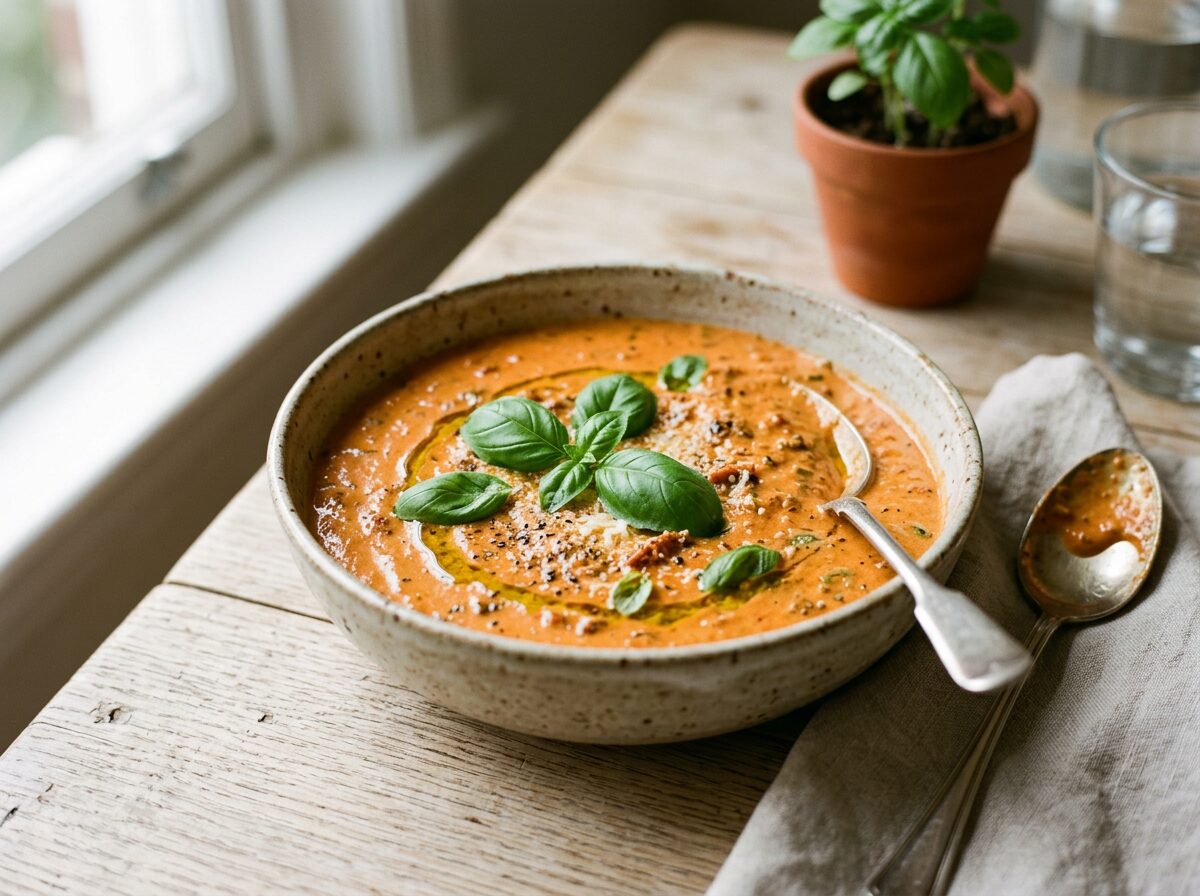
Varoma temperature for cooked sauces. Our BBQ sauce, teriyaki glaze, and honey mustard all benefit from the Varoma setting (roughly 120 °C). This gets the sauce to a gentle simmer without scorching the sugars on the bottom - something that happens constantly on a stovetop.
Reverse blade for chunky sauces. If you want texture in your salsa or relish, use the reverse blade function (available on TM5/TM6). It stirs without chopping, preserving ingredient pieces while still combining flavours.
Cleaning Between Batches
The fastest Thermomix cleanup method: fill the bowl with warm water and a drop of dish soap, then run at Speed 8 for 30 seconds. Rinse and dry. For sauces with turmeric or tomato staining, add a squeeze of lemon juice to the wash cycle - the citric acid lifts pigment faster than soap alone.