How to Fix a Broken Sauce (Complete Guide)
Learn how to rescue broken, split, or curdled sauces! This comprehensive guide covers mayo-based, cream sauces, hollandaise, and more. Save your sauces from disaster with these expert techniques.
Written by FoodieManiac
With over 8 years of sauce-making experience, I've tested hundreds of techniques and products to bring you practical, reliable advice. Learn more about me →
Why Sauces Break
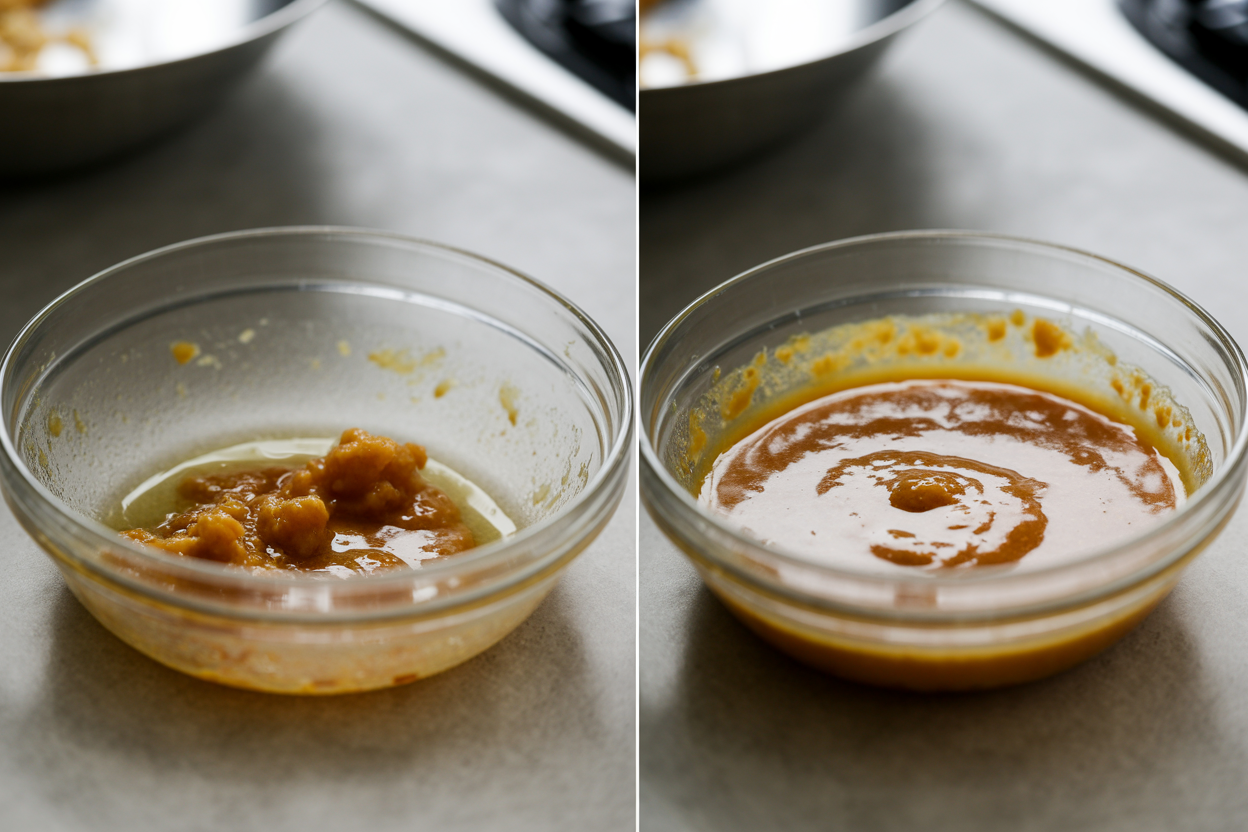
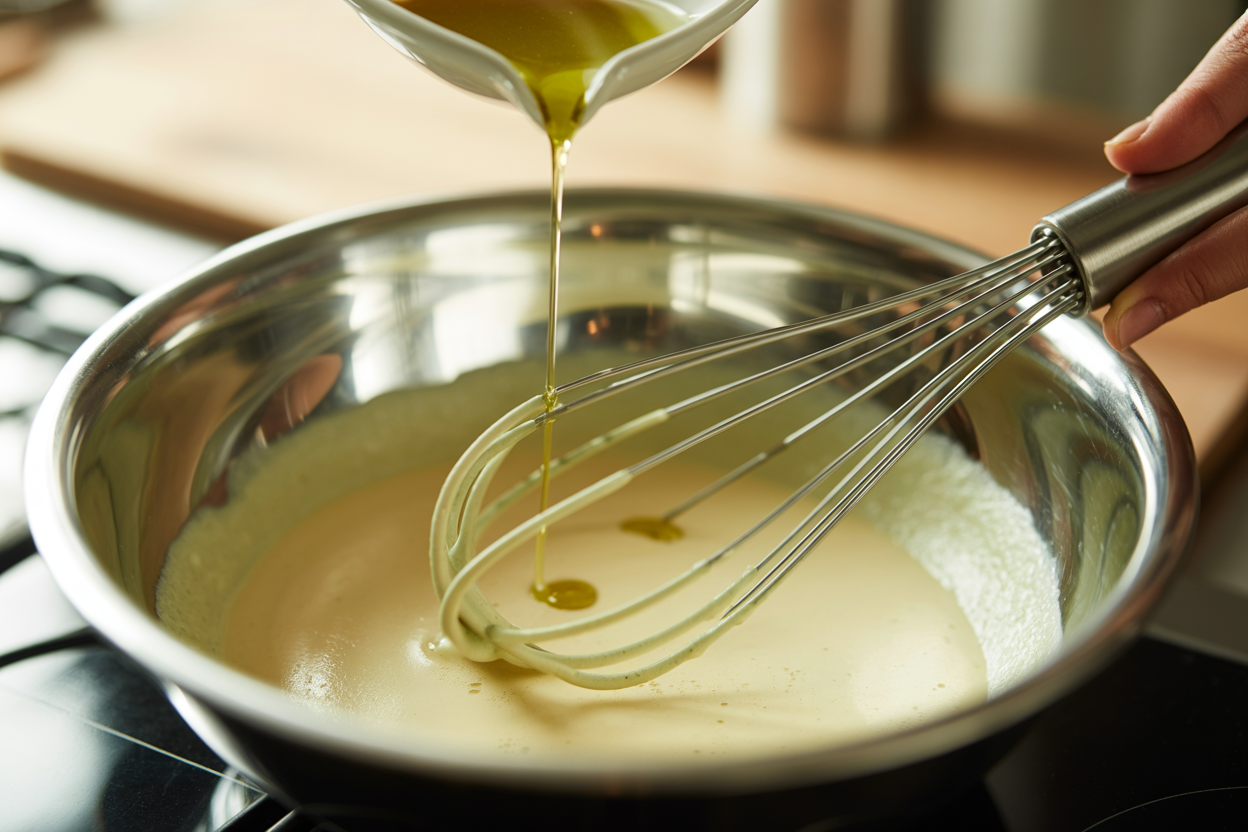
Most sauce failures come down to three causes: temperature shock (too hot or too cold), adding fat too quickly (overwhelming the emulsion), or wrong ratios (too much fat for the available emulsifier). Understanding which cause triggered the break tells you exactly which fix to apply. For the full science behind emulsions, read our guide on the science of emulsification.Fixing Broken Mayonnaise and Aioli
Mayo breaks when oil is added too fast or the mixture gets too cold. The fix: start a new emulsion with a fresh egg yolk and 1 teaspoon of water in a clean bowl. Whisk until frothy, then slowly drizzle the broken sauce into this new base as if it were oil. The fresh yolk provides new emulsifier to recapture the separated fat. This same technique works for our Sriracha Mayo or any mayo-based sauce like Raising Cane's Sauce.Fixing Split Hollandaise and Béarnaise
These butter sauces break when overheated (above 70°C/158°F). Remove from heat immediately. Add 1 tablespoon of ice-cold water and whisk vigorously. The cold water shocks the egg proteins back into alignment. If that fails, use the fresh-yolk technique from the mayo fix above. Always keep a bowl of ice water nearby when making hollandaise - prevention is easier than rescue.Fixing Broken Vinaigrettes
Vinaigrettes separate because they are unstable emulsions by nature. To re-emulsify, add ½ teaspoon of Dijon mustard to a clean bowl and slowly whisk in the broken vinaigrette. The mustard provides mucilage - a natural emulsifier - that holds oil and vinegar together. Our Balsamic Vinaigrette and Chipotle Honey Vinaigrette both use mustard as a built-in stabilizer for this reason.Fixing Split Cream Sauces
Cream sauces curdle from too much heat or adding acid too quickly. Remove from heat and whisk in 2 tablespoons of cold cream, one at a time. If badly broken, blend with an immersion blender for 10 seconds - the mechanical force re-emulsifies the fat. For sauces like our Garlic Parmesan Sauce, keeping the heat low and stirring constantly is the best prevention.Prevention Is Better Than Rescue
The best broken sauce is the one that never breaks. Key prevention habits: always add fat slowly to emulsions, keep butter sauces at moderate temperatures, use room-temperature eggs, and add a stabilizer (mustard, egg yolk, or starch) when in doubt. If you are building your sauce-making skills, start with forgiving recipes like our Honey Mustard before graduating to temperamental emulsions like hollandaise.Go Deeper
For comprehensive rescue techniques for every sauce type, read our expanded guide: How to Rescue Any Sauce (Complete Guide). And to prevent breaks in the first place, see Why Sauces Break and How to Prevent It.
Equipment Mentioned
TAGS
Related Articles
How to Thicken Sauces Naturally (7 Methods)
Discover 7 natural ways to thicken sauces without cornstarch! From reduction to roux, learn the best methods for every sauce type. No more watery sauces!
How to Store Homemade Sauces (Complete Guide)
Master the art of storing homemade sauces! Learn proper storage times, containers, freezing methods, and safety tips for all sauce types. Keep your sauces fresh and safe!
How to Make Sauces Without Mayo (10+ Recipes)
Discover delicious mayo-free sauce alternatives! Perfect for those who dislike mayo or have egg allergies. From Greek yogurt to tahini, find your new favorite base!
The Science Behind Emulsification (Explained Simply)
What actually happens when oil and water mix in a sauce, why it usually fails, and the handful of kitchen ingredients that make it work. No chemistry degree required.