Thermomix Sauce Making: Tips, Tricks, and Best Recipes for Perfect Results
Master sauce making in your Thermomix with expert tips on speed settings, temperature control, emulsification, and our best Thermomix-adapted sauce recipes.
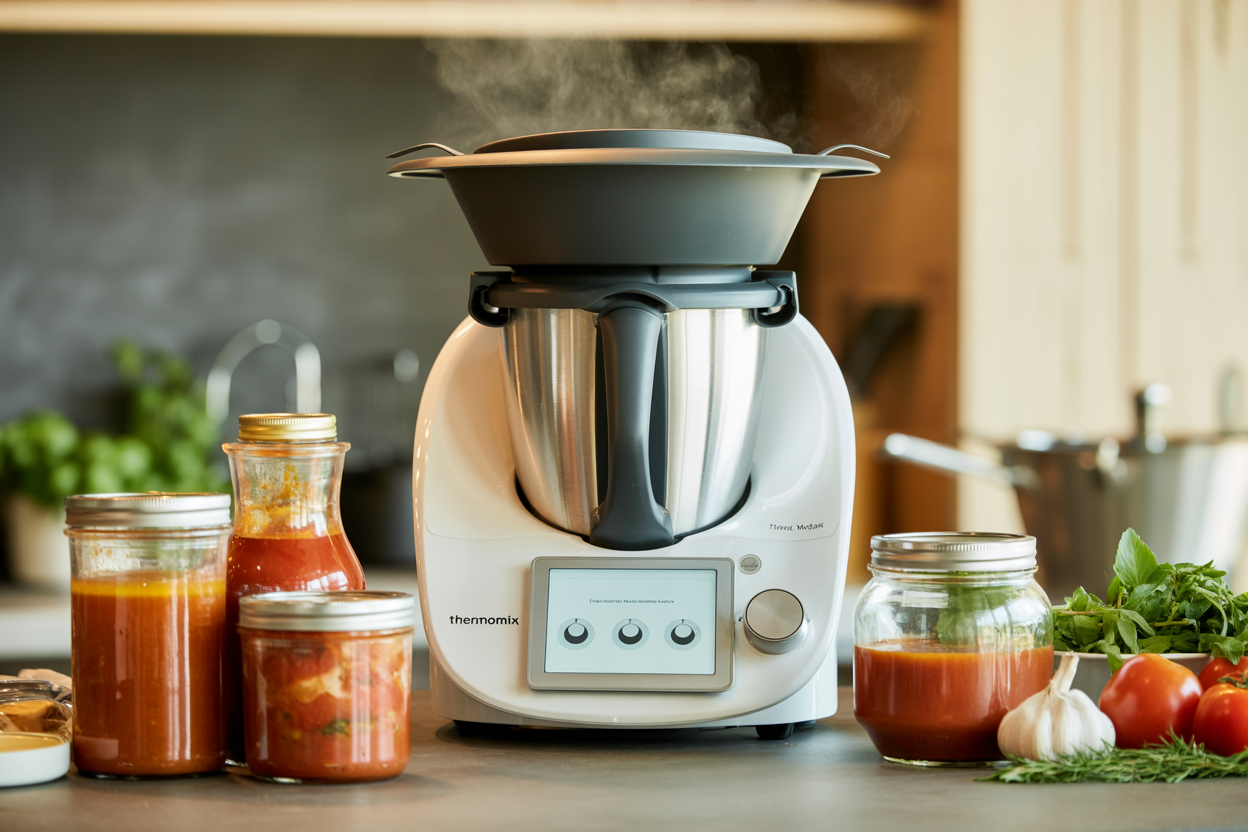
Written by FoodieManiac
With over 8 years of sauce-making experience, I've tested hundreds of techniques and products to bring you practical, reliable advice. Learn more about me →
Why the Thermomix Excels at Sauces
Essential Thermomix Settings for Sauce Making
Speed Settings
Speed 1–2: Gentle stirring. Use this for simmering sauces, melting butter, and any time you want to combine without aerating. This is your go-to for most cooking phases. Speed 3–4: Active mixing. Perfect for béchamel, gravies, and sauces that need constant movement to prevent lumps. Most cooked sauces live in this range. Speed 5–7: Blending territory. Use this for pureeing roasted vegetables into smooth sauces, breaking down tomatoes, or creating creamy soups. Brief pulses at these speeds smooth out any remaining chunks. Speed 8–10: Full emulsification. This is where the Thermomix truly shines. These speeds create the shear force needed to form stable emulsions - perfect for aioli, mayonnaise, and vinaigrettes. At speed 10, the blades spin fast enough to emulsify oil into egg yolks in under two minutes.Temperature Control
37°C (Varoma off): Room temperature mixing. Use for cold sauces, mayonnaise, and dressings where heat would break the emulsion. 50–70°C: Gentle warming range. Perfect for melting butter, warming cream, and creating delicate sauces like hollandaise where too much heat scrambles eggs. 80–100°C: Active cooking range. Béchamel, tomato sauces, gravies, and reductions all happen here. The Thermomix maintains these temperatures precisely, which is something a stovetop cannot guarantee. Varoma (approximately 120°C): Maximum heat. Use for caramelizing onions in butter, reducing thick sauces, and anytime you need aggressive evaporation. Be careful - sauces can scorch at Varoma if left unattended too long.The Butterfly Whisk
The butterfly attachment is essential for sauces that need aeration rather than blending. Use it for whipped cream, Swiss meringue, and any sauce where you want volume. Do not use it for thick sauces or anything with hard ingredients - it is fragile and designed for gentle tasks.Common Thermomix Sauce Mistakes and How to Fix Them
Mistake 1: Speed Too High for Cooked Sauces
Running a cream sauce at speed 5 or higher while hot creates a frothy, aerated mess instead of a silky sauce. Keep cooked sauces at speed 2–3 while heating. Only increase speed briefly at the end if you need to smooth out lumps.Mistake 2: Adding Oil Too Fast for Emulsions
Even in a Thermomix, mayonnaise and aioli can break if you dump oil in all at once. Use the hole in the mixing cup lid to drizzle oil slowly while the machine runs at speed 4–5. Our Thermomix Garlic Aioli recipe walks through this technique step by step.Mistake 3: Overcooking at Varoma
Varoma is powerful - too powerful for delicate sauces. If your cheese sauce tastes grainy or your cream sauce has brown flecks, you probably cooked at Varoma when 90°C would have been sufficient. Reserve Varoma for intentional browning and heavy reductions.Mistake 4: Not Scraping Down the Sides
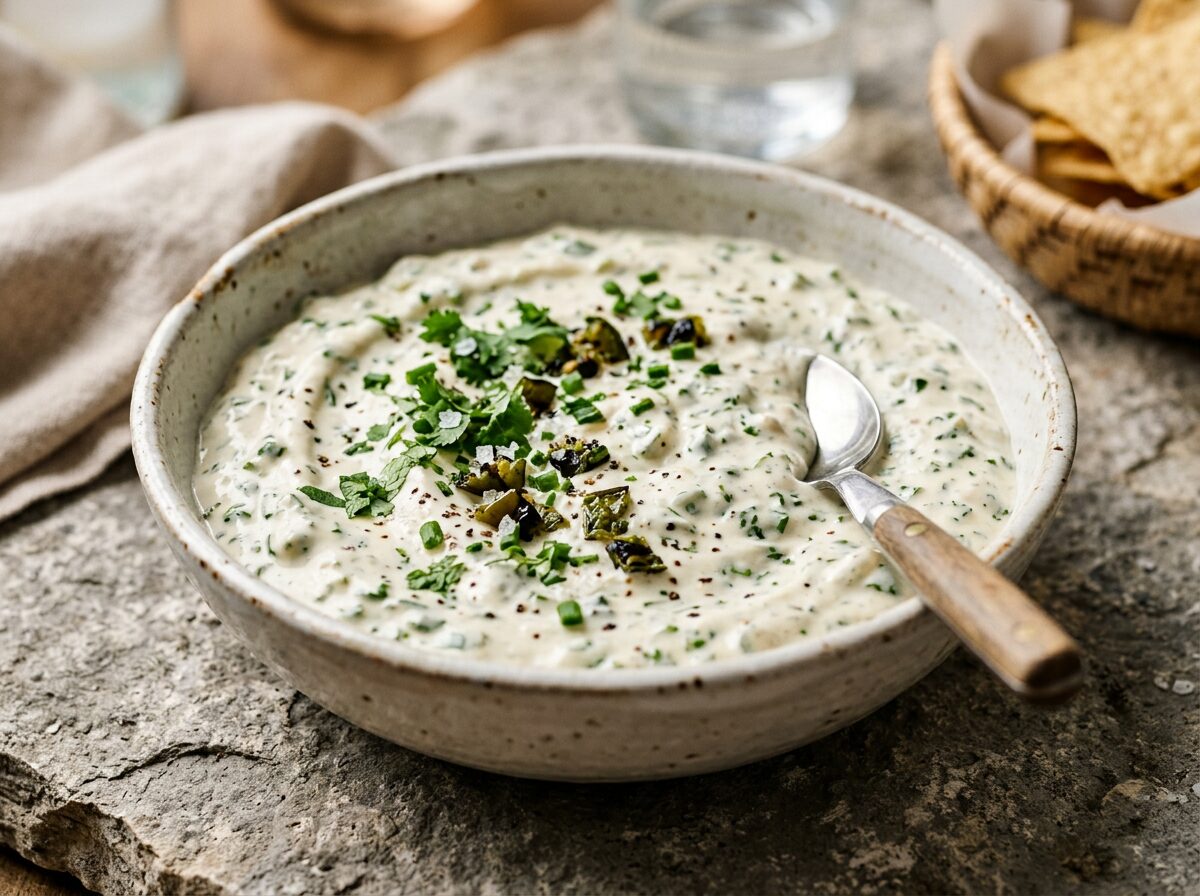
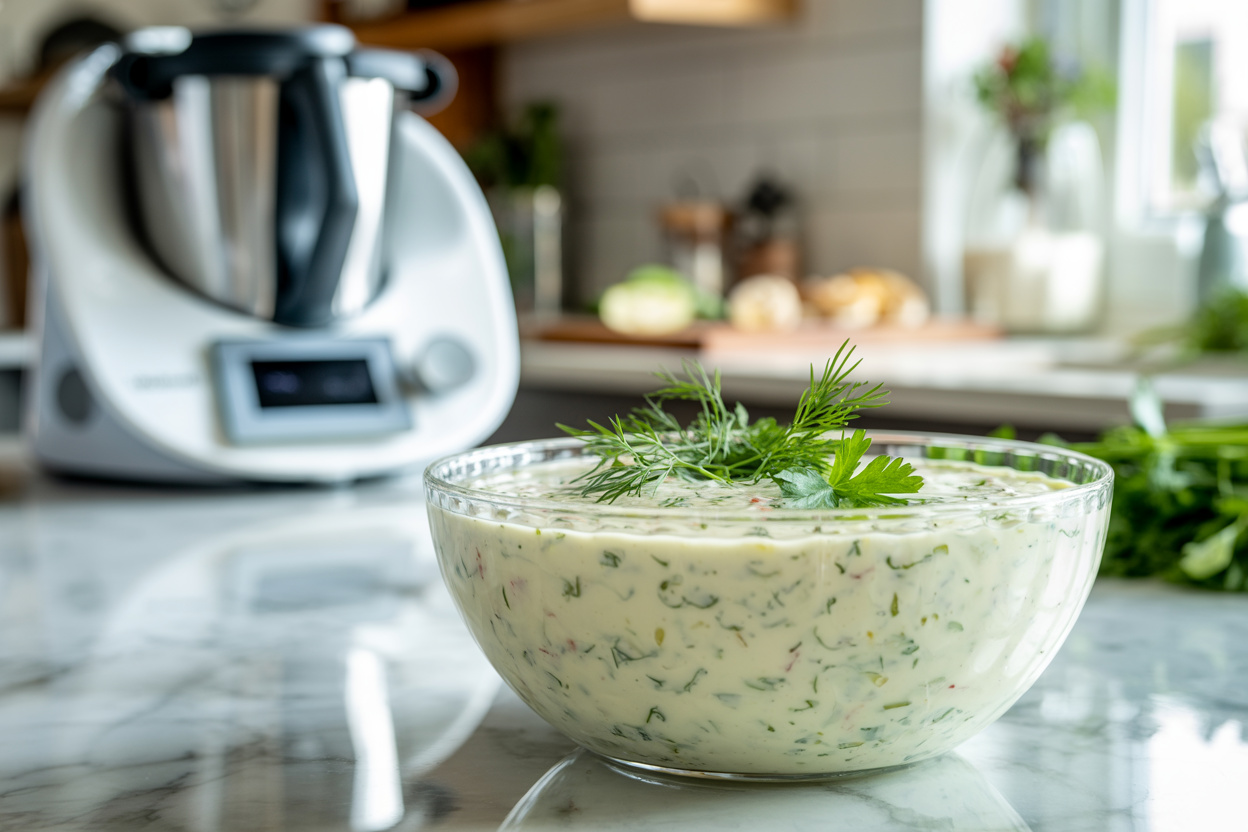
The Thermomix blades work from the bottom up. Thick sauces, especially those with cheese or nut butters, can cling to the upper walls of the bowl and never get incorporated. Pause the machine every few minutes and scrape down the sides with the spatula. This is especially important for our Thermomix Ranch Dressing, where the herb bits need to be fully incorporated.Mistake 5: Ignoring the Measuring Cup
That little measuring cup in the lid is not just a measuring tool - it is a splatter guard and a pressure regulator. Always keep it in place when cooking hot sauces. Remove it only when you need steam to escape (for reductions) or when drizzling oil through the hole.Our Best Thermomix Sauce Recipes
Advanced Thermomix Sauce Techniques
Reverse Searing for Depth
Before making a pan sauce or gravy, use the Thermomix to caramelize your aromatics. Sauté diced onion and garlic at Varoma, speed 1, with butter for 8–10 minutes until deeply golden. This builds the flavor foundation that separates a good sauce from a great one. Then add your liquid, drop to 90°C, and let the machine build the sauce.Turbo for Texture
The Turbo button gives a 1-second burst at maximum speed. Use it strategically: one Turbo pulse can smooth a slightly lumpy gravy, break down the last chunks in a tomato sauce, or re-emulsify a vinaigrette that has started to separate. Do not hold it - one pulse is almost always enough.Cold-Start Roux
Traditional roux requires melting butter, then carefully adding flour while whisking. In the Thermomix, you can add cold butter and flour together, then cook at 100°C, speed 3. The machine melts the butter and incorporates the flour simultaneously, producing a lump-free roux every time. This technique is the foundation for our béchamel-based sauces.Steaming While Saucing
The Varoma steamer attachment lets you steam vegetables or proteins on top while making a sauce below. Steam broccoli in the Varoma while a cheese sauce cooks in the bowl. When both are done, plate the broccoli and pour the sauce over. One appliance, one timer, complete dinner.Batch Cooking and Freezing
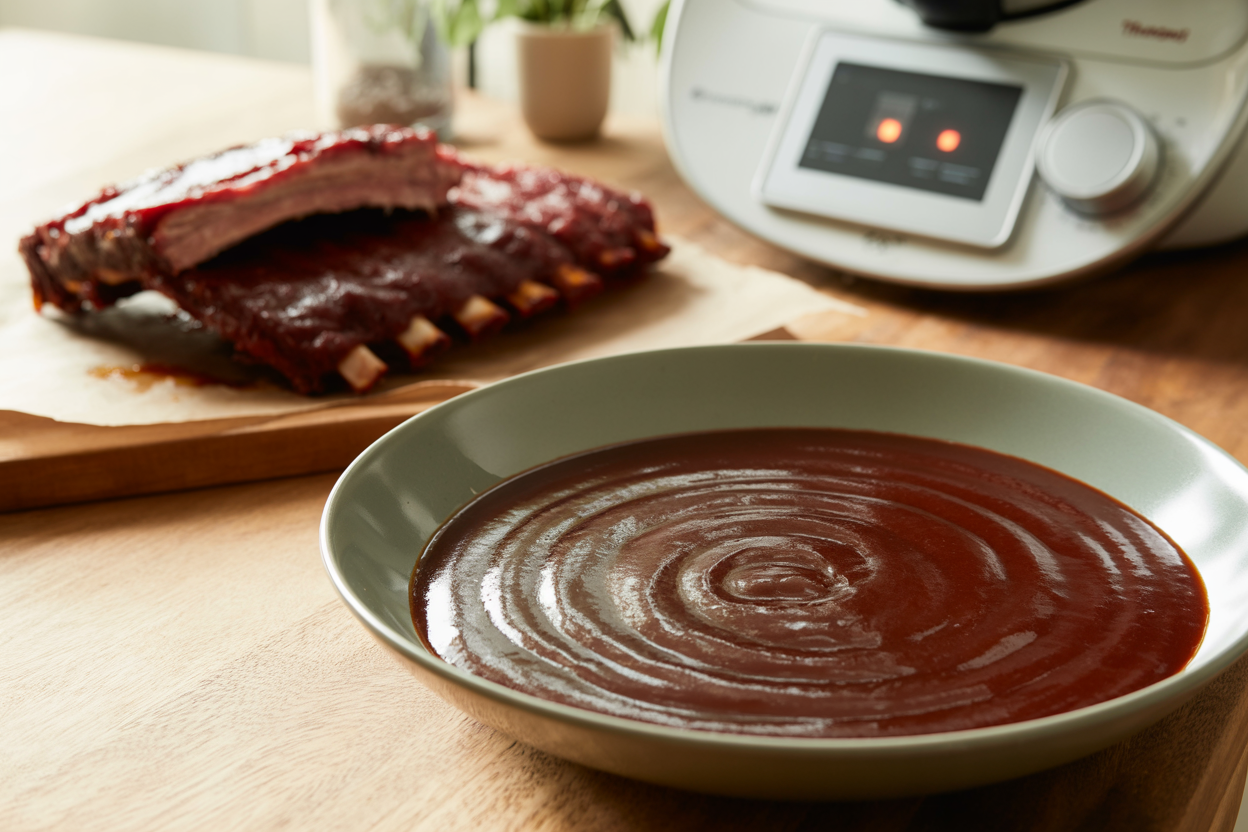
The Thermomix bowl holds 2.2 liters, which is enough sauce for multiple meals. Make a double or triple batch of BBQ sauce, teriyaki glaze, or tomato sauce, then portion into freezer bags. Lay them flat to freeze for easy stacking. Most Thermomix sauces freeze beautifully for up to 3 months. Thaw overnight in the fridge, then reheat in the Thermomix at 70°C, speed 2, for 3 minutes. The Thermomix is not a magic wand - it will not fix bad ingredients or poor technique. But it does remove the mechanical difficulty from sauce making, letting you focus on flavor, seasoning, and creativity. Once you master these techniques, you will find yourself reaching for the Thermomix every time a recipe calls for a sauce.Equipment Mentioned
TAGS
Try These Recipes
Related Articles
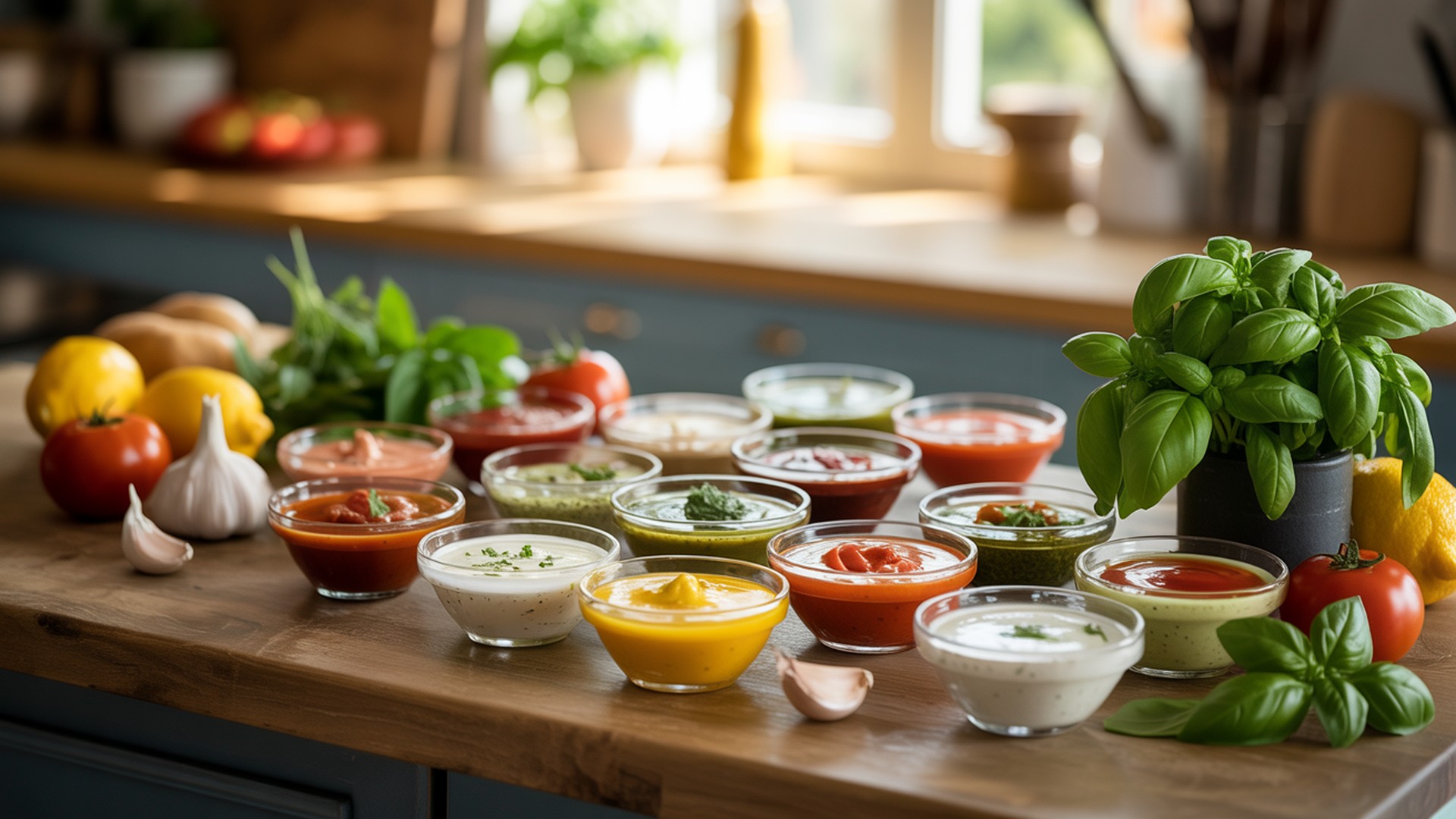
Freezing Sauces 101: Best Sauces to Freeze and How to Thaw Them Safely
Discover which sauces freeze well, step-by-step freezing methods, and how to safely thaw for best flavor and texture. Preserve your homemade sauces longer.
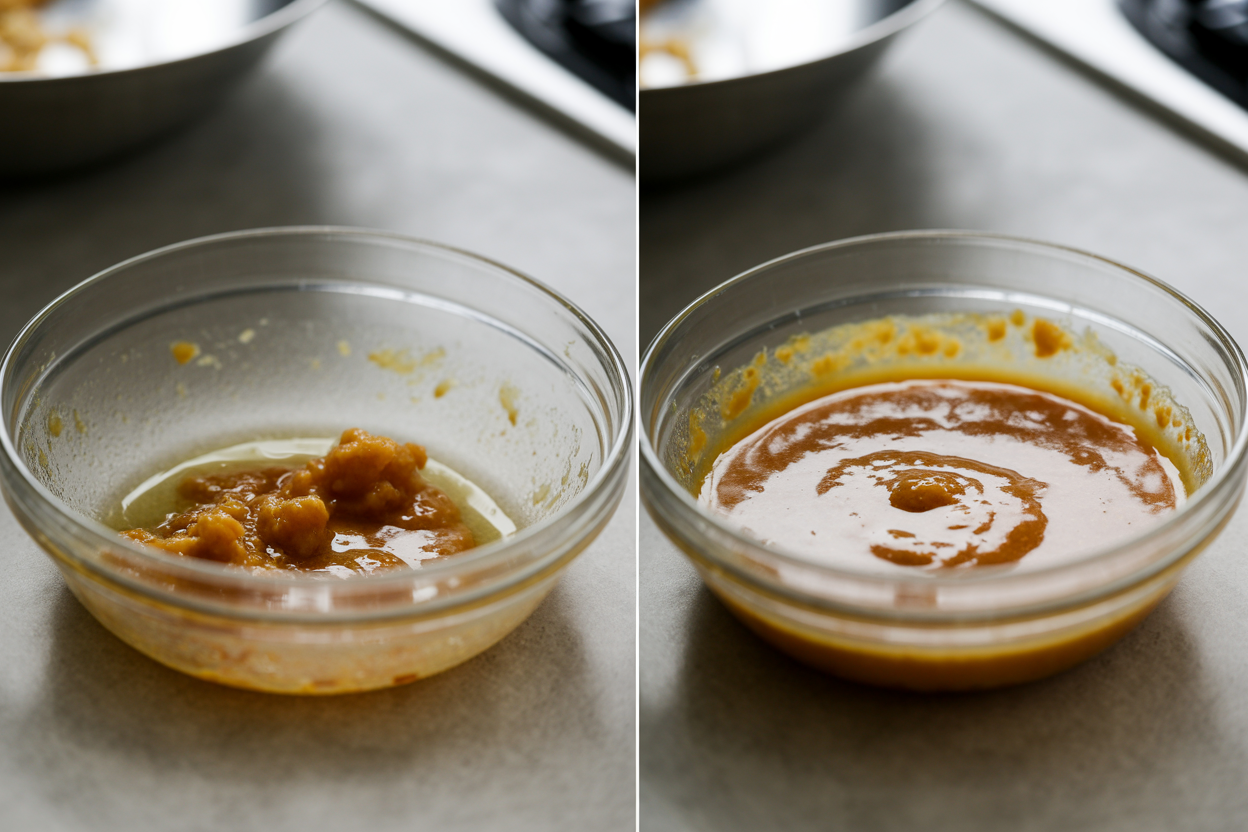
How to Fix a Broken Sauce (Complete Guide)
Learn how to rescue broken, split, or curdled sauces! This comprehensive guide covers mayo-based, cream sauces, hollandaise, and more. Save your sauces from disaster with these expert techniques.
How to Thicken Sauces Naturally (7 Methods)
Discover 7 natural ways to thicken sauces without cornstarch! From reduction to roux, learn the best methods for every sauce type. No more watery sauces!
How to Store Homemade Sauces (Complete Guide)
Master the art of storing homemade sauces! Learn proper storage times, containers, freezing methods, and safety tips for all sauce types. Keep your sauces fresh and safe!