The 5 Mother Sauces Every Home Cook Should Know (And Actually Use)
A practical guide to the five French mother sauces - béchamel, velouté, espagnole, hollandaise, and tomato - and how they connect to the sauces you already make at home.
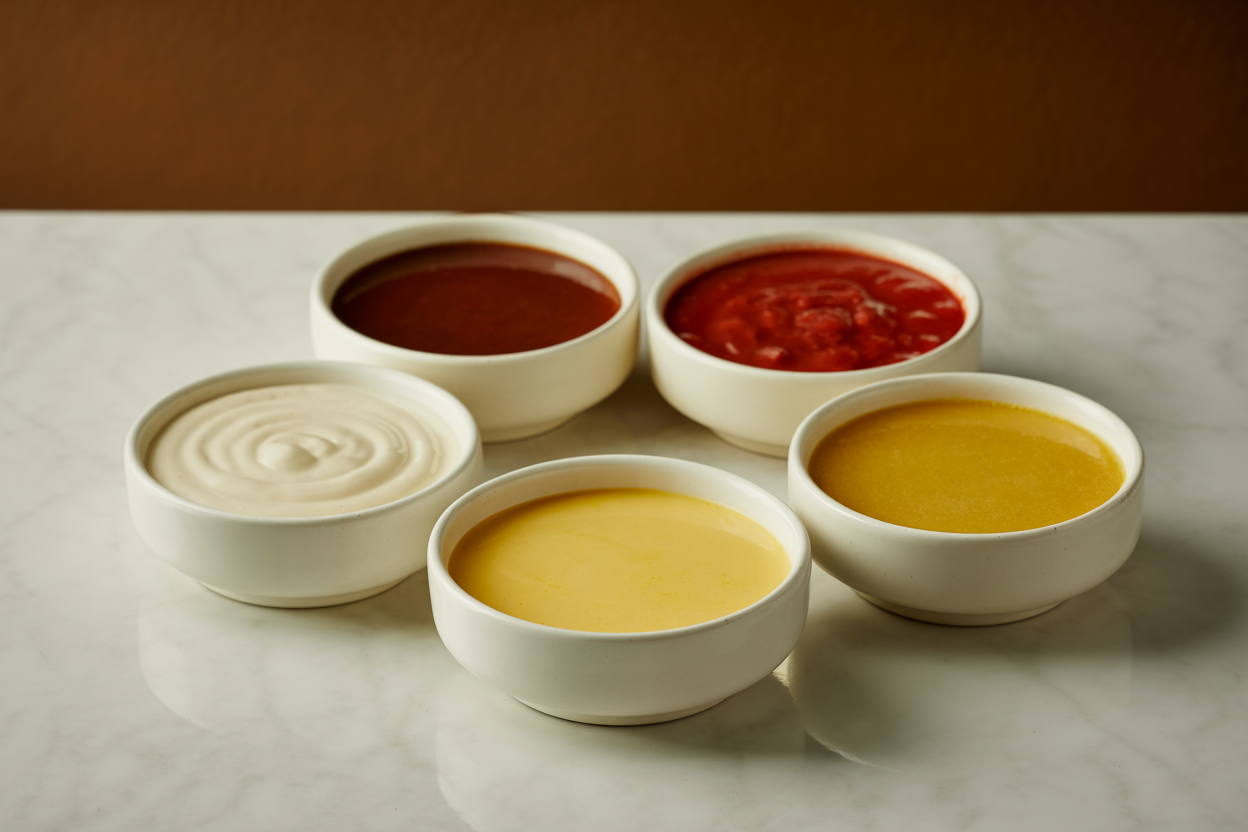
Written by FoodieManiac
With over 8 years of sauce-making experience, I've tested hundreds of techniques and products to bring you practical, reliable advice. Learn more about me →
Why Mother Sauces Still Matter in 2025
Béchamel: The White Sauce
- Mornay - Béchamel + grated Gruyère or cheddar. This is mac and cheese sauce.
- Soubise - Béchamel + caramelized onions. Incredible on pork chops.
- Cream sauce - Béchamel + heavy cream. Our Creamy Garlic Parmesan Sauce is a variation of this.
Velouté: The Elegant Stock Sauce
Espagnole, Hollandaise, and Tomato Sauce
Espagnole: The Brown Sauce
Base: Brown roux + brown stock + tomato purée + mirepoix Espagnole is the richest and most complex mother sauce. It requires roasting bones for stock, building a dark roux, and simmering for hours. From espagnole comes demi-glace (reduced espagnole + stock), which is the backbone of fine dining. While most home cooks skip this one, understanding it helps you appreciate why pan sauces made by deglazing with wine and stock are so flavorful - they are simplified espagnoles.Hollandaise: The Emulsion Sauce
Base: Egg yolks + clarified butter + lemon juice Hollandaise is the only mother sauce built on emulsification rather than a roux. Warm egg yolks are whisked over gentle heat while clarified butter is drizzled in slowly. The result is a rich, tangy, butter-forward sauce served on eggs Benedict, asparagus, and fish. From hollandaise you get béarnaise (add tarragon and shallot reduction), which is arguably the greatest steak sauce ever created.Tomato Sauce
Base: Tomatoes + aromatics + stock The most universally loved mother sauce. At its simplest, it is canned tomatoes simmered with garlic, onion, and olive oil. From this base you can create marinara, arrabbiata (add chili flakes), puttanesca (add olives and capers), or bolognese (add meat). Our Salsa Roja is a Mexican take on a tomato-based mother sauce, using roasted tomatoes and chilis instead of the French approach.How to Use This Knowledge
Equipment Mentioned
TAGS
Related Articles
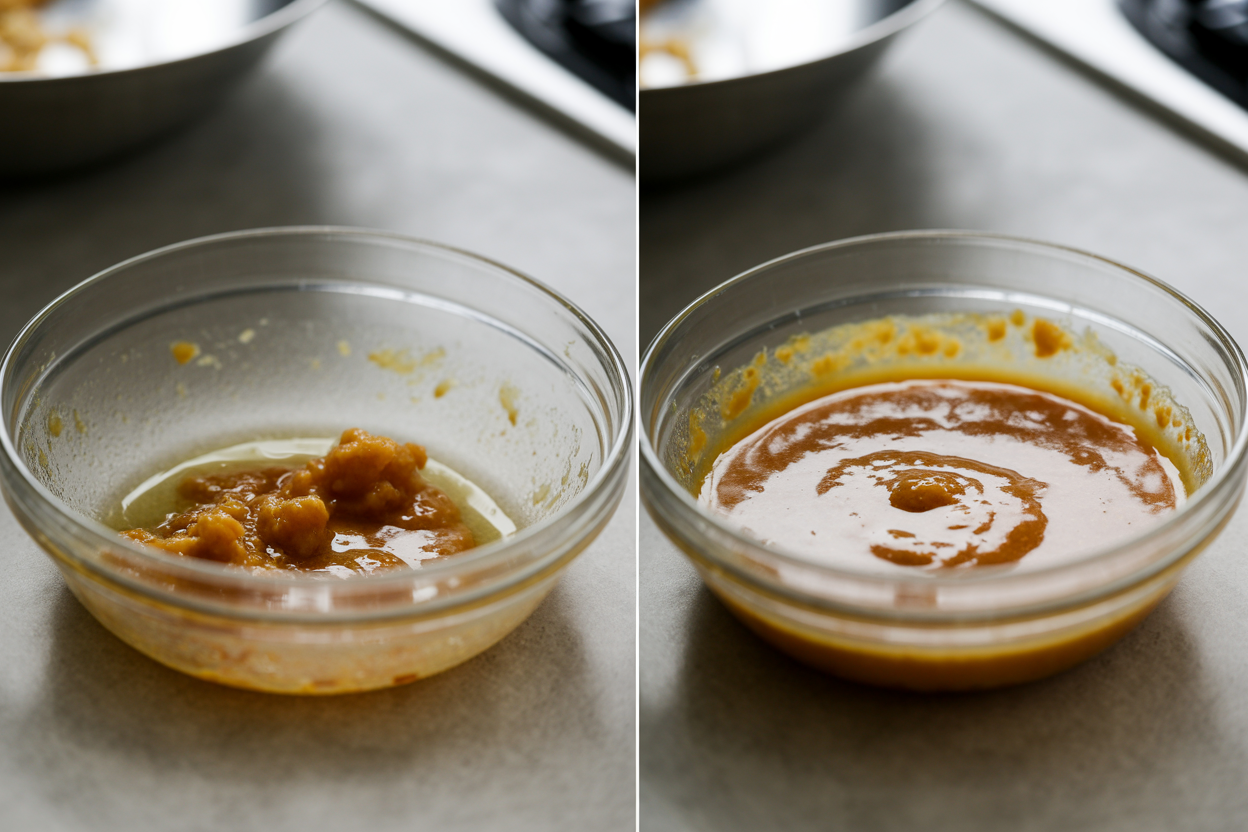
How to Fix a Broken Sauce (Complete Guide)
Learn how to rescue broken, split, or curdled sauces! This comprehensive guide covers mayo-based, cream sauces, hollandaise, and more. Save your sauces from disaster with these expert techniques.
How to Thicken Sauces Naturally (7 Methods)
Discover 7 natural ways to thicken sauces without cornstarch! From reduction to roux, learn the best methods for every sauce type. No more watery sauces!
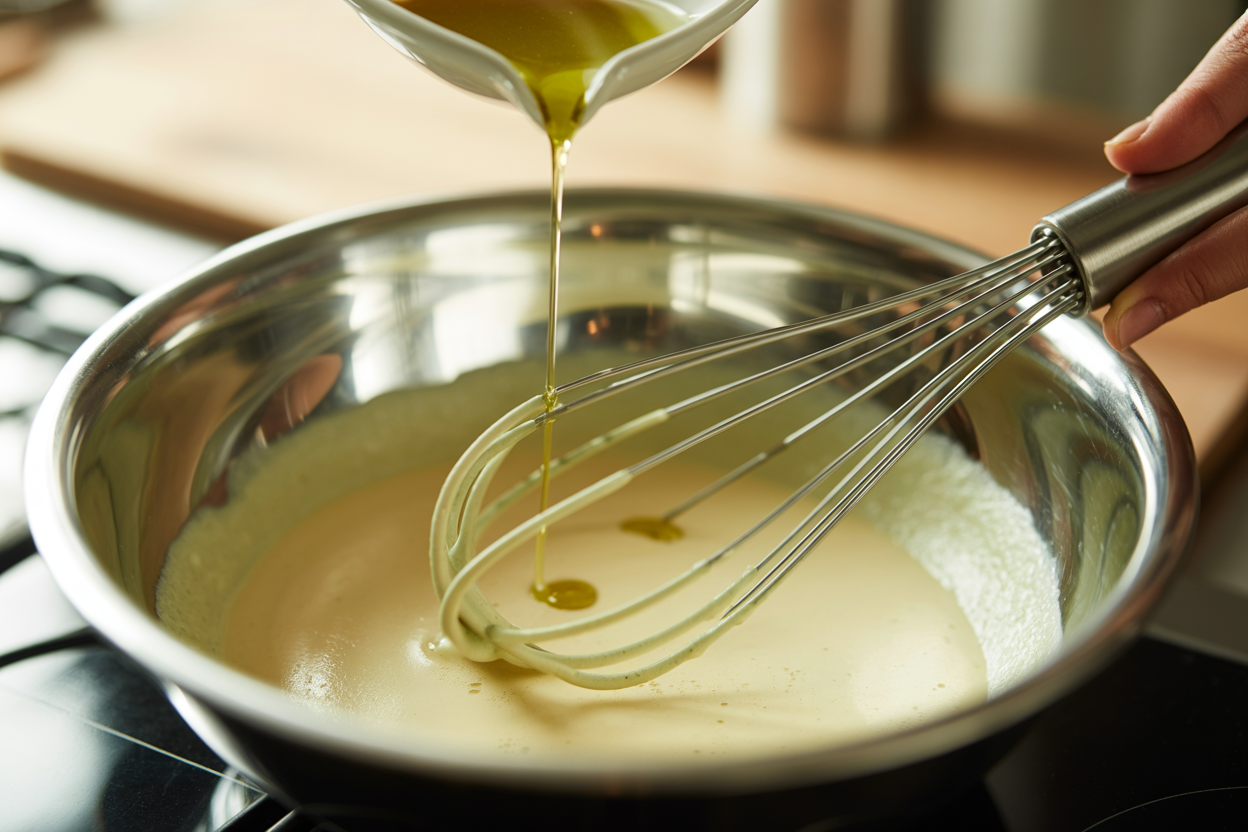
The Science Behind Emulsification (Explained Simply)
What actually happens when oil and water mix in a sauce, why it usually fails, and the handful of kitchen ingredients that make it work. No chemistry degree required.
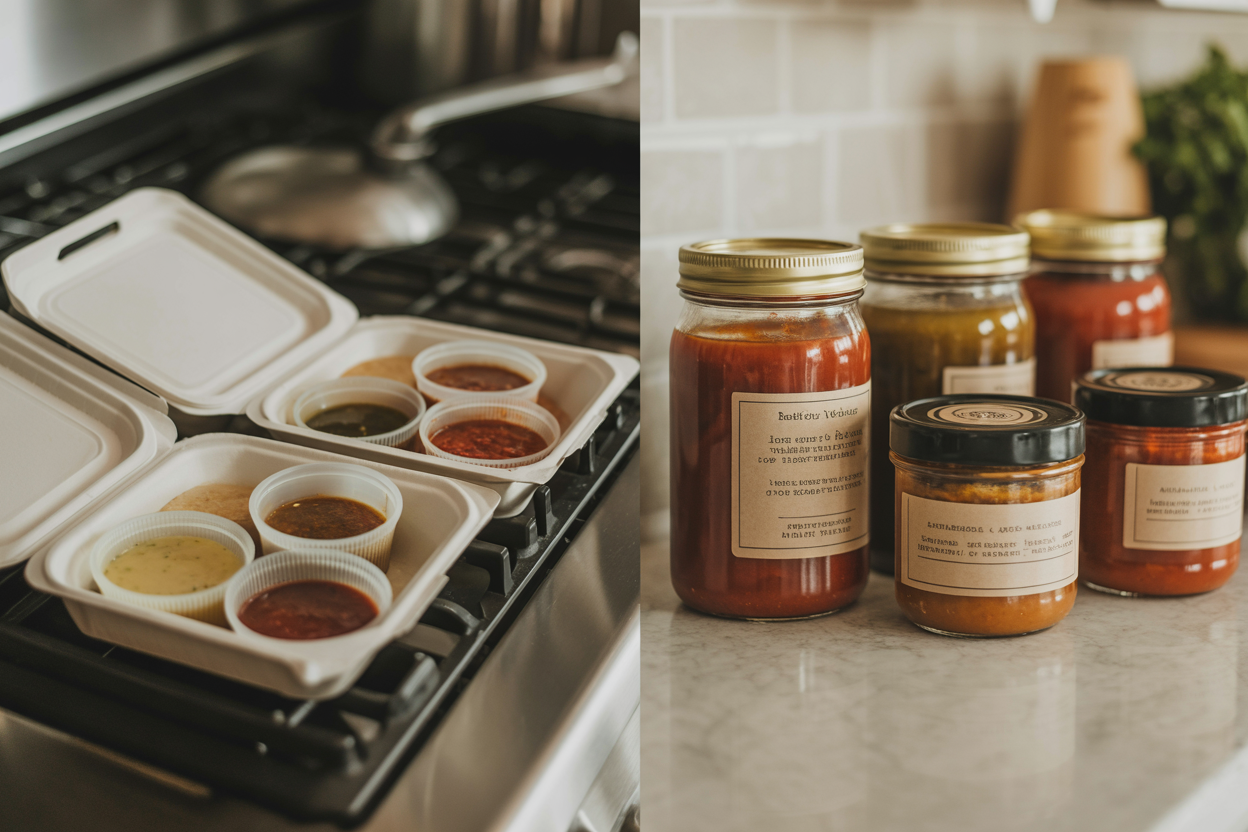
The Art of the Copycat: How to Reverse-Engineer Any Restaurant Sauce at Home
Learn the systematic approach to recreating fast-food and restaurant sauces at home. From identifying base flavors to adjusting ratios, this is the methodology behind every copycat recipe.