The Science Behind Emulsification (Explained Simply)
What actually happens when oil and water mix in a sauce, why it usually fails, and the handful of kitchen ingredients that make it work. No chemistry degree required.
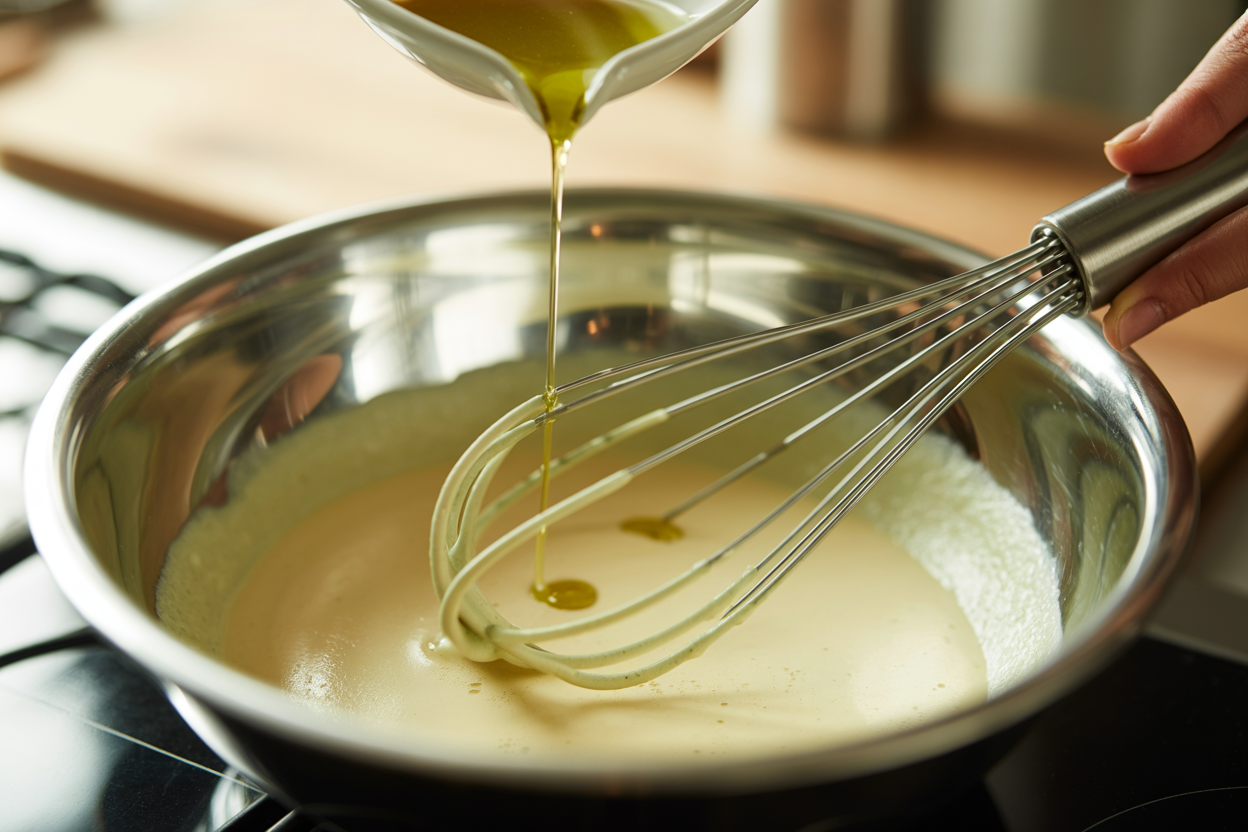
Written by FoodieManiac
With over 8 years of sauce-making experience, I've tested hundreds of techniques and products to bring you practical, reliable advice. Learn more about me →
Oil and Water Don't Mix. Except When They Do.
Every vinaigrette, every mayo, every hollandaise, every cream sauce - they all rely on forcing two liquids to stay mixed when they desperately want to separate. That mixture is called an emulsion, and understanding how it works is probably the single most useful piece of cooking knowledge I've ever picked up.
I'm not going to throw chemistry jargon at you. Here's the genuinely simple version of what's happening in your bowl, and why it matters for every sauce you'll ever make.
The Basic Problem: Molecular Shyness
Water molecules are attracted to other water molecules. Oil molecules are attracted to other oil molecules. Neither is attracted to the other. Shake them together and you create temporary tiny droplets, but within minutes, the oil droplets find each other and merge back together. This is why a simple oil-and-vinegar dressing separates in your fridge.
The key insight: to keep them mixed, you need a mediator molecule - something that likes both oil AND water simultaneously. In cooking, we call these emulsifiers, and your kitchen is full of them.
Your Kitchen's Best Emulsifiers (Ranked by Power)
1. Egg yolks (the heavyweight champion)
Lecithin in egg yolks is the most powerful natural emulsifier you own. One end of the lecithin molecule dissolves in water, the other dissolves in oil. It literally sits at the boundary between every oil droplet and the surrounding water, acting like a molecular bouncer that prevents droplets from merging back together. This is why mayo - just yolks, oil, and acid - can hold an absurd amount of fat in a stable, creamy suspension. One yolk can emulsify about 180 ml of oil. Our Raising Cane's sauce and Big Mac sauce both use mayo as their base, which is why they're so stable.
2. Mustard (the secret weapon)
Dijon mustard contains mucilage - a sticky plant compound that works as an emulsifier almost as well as egg yolks. This is why good vinaigrette recipes always include mustard. It's not just for flavor - it's structural. A teaspoon of Dijon in our balsamic vinaigrette is the difference between a dressing that stays mixed for days and one that separates in 20 minutes.
3. Garlic paste
Raw garlic, when pounded or minced into a paste, releases sulfur compounds and plant proteins that act as surprisingly effective emulsifiers. This is why Lebanese toum - essentially garlic mayo without eggs - works at all. The garlic alone holds the oil in suspension. It's not as strong as egg yolks, but it's remarkably effective.
4. Honey
Honey's thick, sticky texture helps coat oil droplets and slow their movement. It's not a true emulsifier in the chemical sense, but it increases the viscosity of the water phase so much that oil droplets can't find each other easily. This is why honey mustard dressings stay mixed longer than plain vinaigrettes.
5. Tomato paste
The pectin in tomato paste acts as a thickener and weak emulsifier. It's why tomato-based sauces like our Texas BBQ sauce are naturally stable - the pectin and fiber in the tomato base hold everything together.
The Two Types of Emulsions (And Why It Matters)
Oil-in-water (most sauces): Tiny oil droplets suspended in a water-based liquid. Vinaigrettes, mayo, hollandaise, most cream sauces. These feel light on the tongue because water is the continuous phase your taste buds touch first.
Water-in-oil (butter, chocolate): Tiny water droplets suspended in fat. Melted butter is a water-in-oil emulsion. So is tempered chocolate. These feel rich and coating because fat is what your tongue contacts.
Here's why this matters in practice: if you're making a vinaigrette (oil-in-water) and you add too much oil, you can actually flip the emulsion to water-in-oil. The sauce suddenly gets very thick, then breaks entirely. This is why mayo recipes are specific about oil quantities - you're walking the line between a stable emulsion and a flipped one.
Mechanical Force: The Other Half of the Equation
Emulsifiers coat oil droplets, but first you need to CREATE those tiny droplets. That requires mechanical force - whisking, blending, shaking. The harder you work the mixture, the smaller the droplets, and smaller droplets means a more stable emulsion.
This is why:
- An immersion blender makes smoother mayo than a whisk - it creates smaller droplets
- Shaking a vinaigrette in a sealed jar works better than stirring with a fork
- A Thermomix at speed 4-5 produces silkier emulsions than hand whisking - the blade creates incredibly fine, uniform droplets
But here's the counterintuitive part: you CAN over-blend. Too much force generates heat, and heat destabilizes emulsions. This is why hollandaise made in a food processor sometimes breaks - the machine heats up the egg yolks past their safe temperature. Low and slow force is always more reliable than aggressive blending.
Temperature: The Stability Variable
Cold emulsions (mayo, vinaigrettes) are more stable than hot ones (hollandaise, beurre blanc). Cold slows down molecular movement, which means oil droplets have less energy to find each other and merge. This is why mayo firms up in the fridge and why hollandaise is so much more temperamental than mayo - it's fighting both gravity and heat.
Practical application: if a sauce is starting to look thin or like it might break, moving it off the heat immediately buys you time. Cold is your friend for stabilizing any emulsion that's on the edge.
Why Sauces Separate Over Time (And That's Normal)
No emulsion lasts forever. Even the best mayo will eventually separate given enough time. Commercial versions use additional stabilizers (xanthan gum, modified starch) to extend shelf life, but your homemade sauce doesn't have those. A homemade vinaigrette lasting 2 weeks in the fridge is normal and fine - just shake before using.
If you want to understand what to do when an emulsion fails mid-recipe, read our guide on rescuing any broken sauce. And if you want to learn how chefs layer flavors on top of these stable bases, check out how chefs build flavor in sauces.
Equipment Mentioned
TAGS
Related Articles
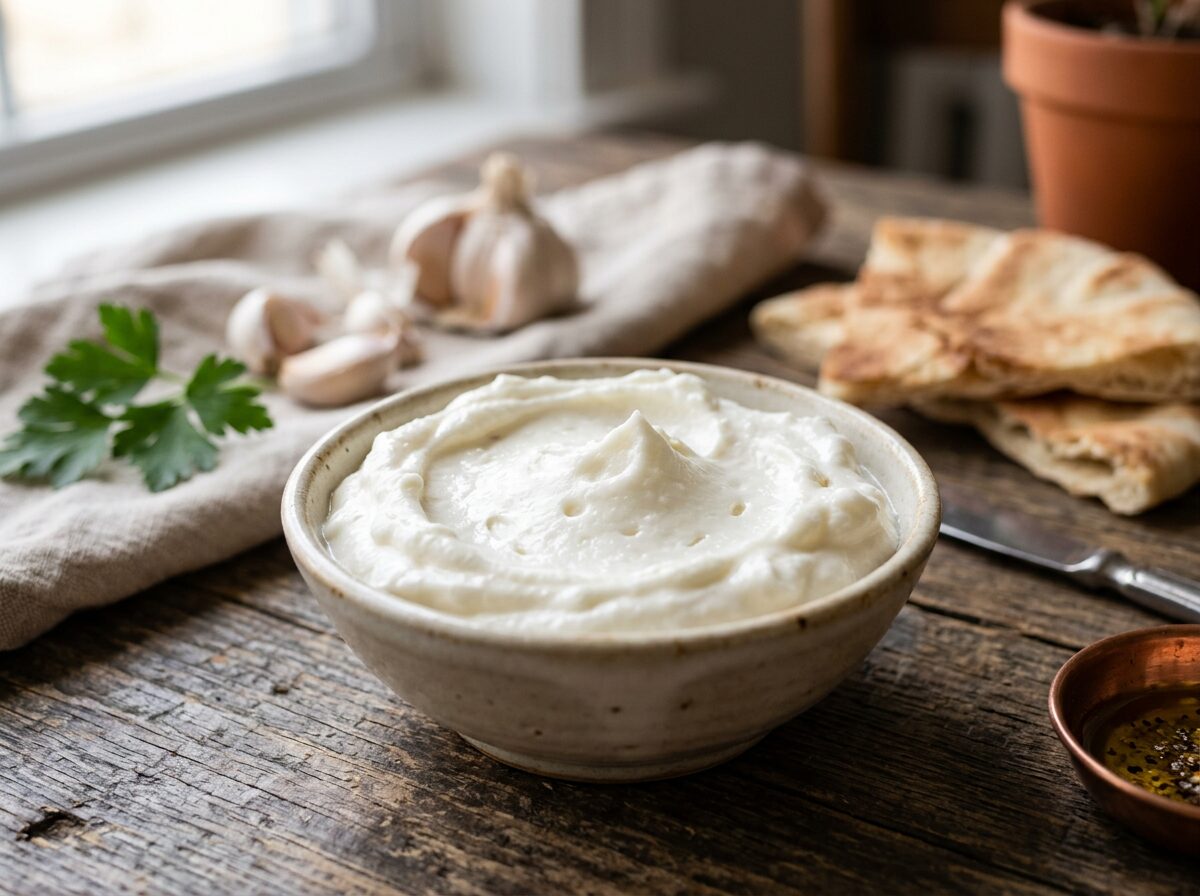
How to Make Toum: Lebanon’s Creamy Garlic Sauce for Grilled Meats
Learn to make authentic Lebanese toum sauce at home. This fluffy garlic condiment is perfect for grilled meats, shawarma, and roasted veggies.
How to Deglaze Like a Pro: Unlocking Deep Flavor for Restaurant-Quality Sauces
Master deglazing to build rich, complex sauces at home. Step-by-step techniques, liquid choices, and chef tips for pro-level flavor every time.
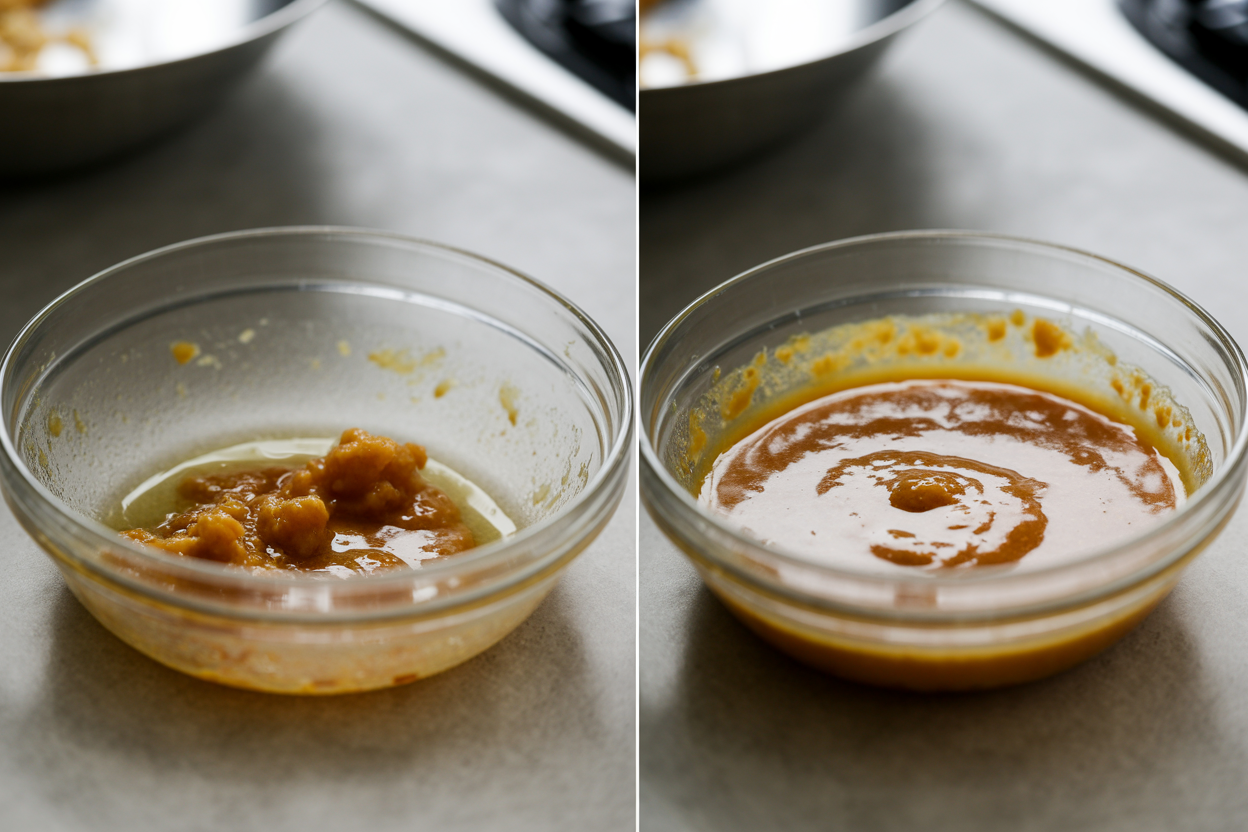
How to Fix a Broken Sauce (Complete Guide)
Learn how to rescue broken, split, or curdled sauces! This comprehensive guide covers mayo-based, cream sauces, hollandaise, and more. Save your sauces from disaster with these expert techniques.
How to Thicken Sauces Naturally (7 Methods)
Discover 7 natural ways to thicken sauces without cornstarch! From reduction to roux, learn the best methods for every sauce type. No more watery sauces!