Back to Blog
Technique Guide

How to Thicken Sauces Naturally (7 Methods)

Discover 7 natural ways to thicken sauces without cornstarch! From reduction to roux, learn the best methods for every sauce type. No more watery sauces!
7 min read
Easy
How to Thicken Sauces Naturally (7 Methods)

Written by FoodieManiac

With over 8 years of sauce-making experience, I've tested hundreds of techniques and products to bring you practical, reliable advice. Learn more about me →

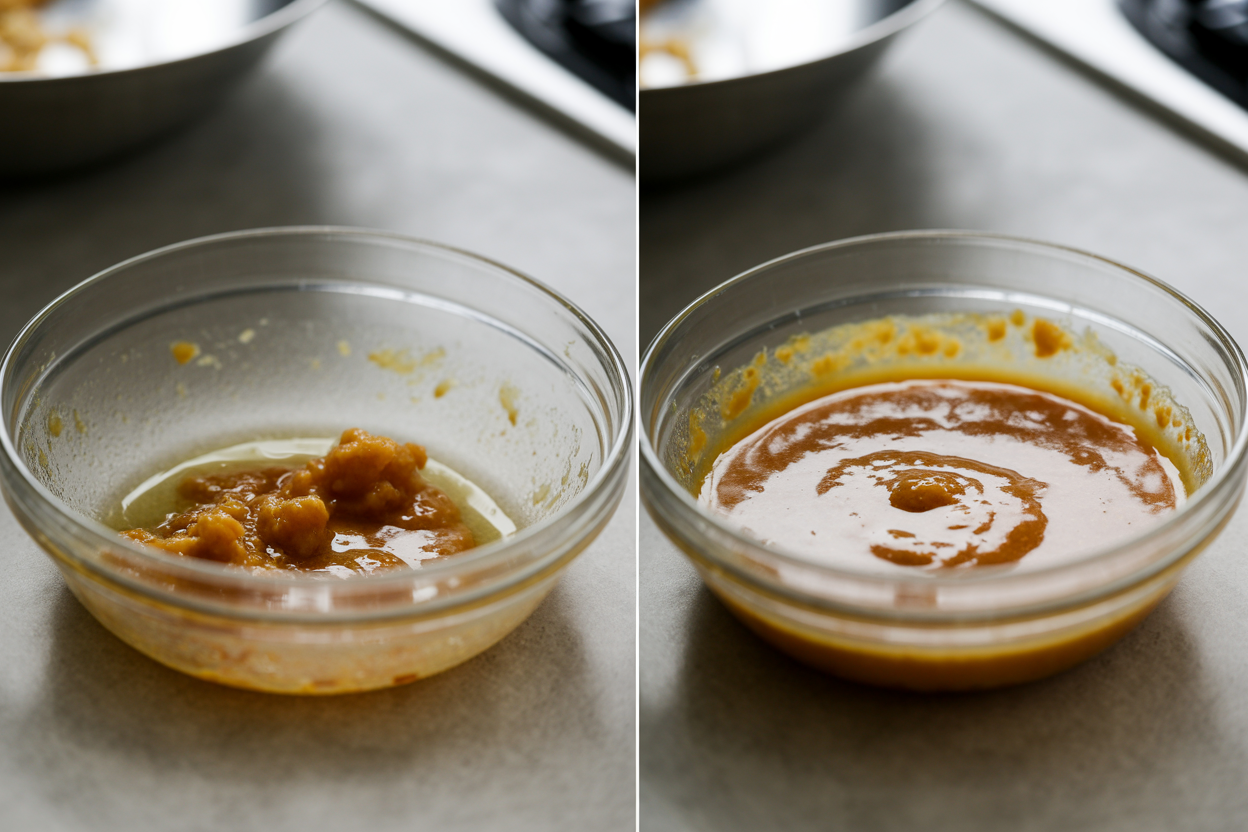
If you've ever been frustrated by a sauce that just won't thicken, you're not alone. A watery sauce can ruin a dish, making it bland and unappetizing. Fear not, for there are numerous natural methods to thicken sauces without relying on cornstarch. Whether you're preparing a rich gravy, a creamy pasta sauce, or a flavorful curry, these techniques will help you achieve the perfect consistency while enhancing the flavors of your dish. Let’s dive into seven effective and natural methods for thickening sauces that every home cook should know! Method 1 - Reduction is perhaps the simplest and most traditional way of thickening sauces. By simmering your sauce uncovered over medium heat, you allow excess liquid to evaporate. This not only thickens the sauce but also concentrates the flavors, making it richer and more robust. This technique works exceptionally well for tomato-based sauces and cream sauces. If you're making a marinara or a classic Alfredo, give it a good simmer while stirring occasionally. Just keep an eye on it to avoid burning! Method 2 - Roux is a classic technique often used in French cooking. To make a roux, mix equal parts butter and flour (for instance, 2 tablespoons of each). Cook this mixture for 2-3 minutes over medium heat until it turns a golden brown color. This step is crucial; it helps to eliminate the raw flour taste. Gradually whisk the roux into your simmering sauce until you achieve the desired thickness. This method is perfect for gravies and cheese sauces, and the result is a smooth, velvety texture that is hard to beat. Method 3 - Beurre Manié is another straightforward thickening technique that is similar to roux but more convenient for last-minute adjustments. To prepare beurre manié, mix equal parts softened butter and flour into a paste. When your sauce is simmering, whisk in small amounts of this paste until the sauce thickens to your liking. This method is excellent for those times when you realize your sauce is a bit too thin right before serving. It’s quick, easy, and effective! Method 4 - Using Egg Yolk can add a luxurious creaminess to your sauces. To use this method, whisk an egg yolk with a bit of cream in a separate bowl. To prevent the yolk from curdling, temper it by gradually adding small amounts of hot sauce to the yolk mixture while whisking constantly. Once tempered, whisk the yolk mixture back into your sauce. A key tip: do not let the sauce boil after adding the yolk, as this will cause it to scramble. This technique works wonderfully for creamy sauces, such as carbonara or custards, giving them a rich flavor and smooth texture. Method 5 - Pureeing Vegetables is a fantastic way to thicken sauces while adding nutrition and flavor. Cooking vegetables such as carrots, cauliflower, or potatoes until tender, then blending them into a smooth puree, can work wonders. Stir the puree into your sauce and watch it transform! Not only does this add body to the sauce, but it also provides a healthy twist. This method is particularly good for soups and sauces where a hint of sweetness or earthiness is welcome, such as in a vegetable pasta sauce or a creamy potato soup. Method 6 - Ground Nuts can lend both richness and thickness to your sauces. Nuts like almonds, cashews, or hazelnuts can be blended into a fine powder and whisked into your sauce. This method is particularly popular in curry sauces, where the nutty flavor complements the spices beautifully. A tablespoon or two of ground nuts can elevate the texture and flavor profile of your dish, giving it a unique twist. Plus, it’s a great way to incorporate healthy fats into your cooking! Method 7 - Bread Crumbs are a surprisingly effective way to thicken sauces, especially in traditional European dishes. Fresh breadcrumbs, when stirred into a simmering sauce, will dissolve and thicken the mixture while adding a subtle flavor. This technique is often used in Italian sauces, such as puttanesca, or even in certain gravies. Consider using whole grain or sourdough bread for added flavor depth. It’s a simple yet effective way to achieve a nice texture without fussing over fancy techniques. In conclusion, thickening sauces naturally not only enhances the texture and flavor of your dishes but also allows you to avoid processed thickeners like cornstarch. With these seven methods in your culinary toolkit, you can confidently create sauces that are cohesive, rich, and bursting with flavor. Whether you’re cooking for yourself or entertaining guests, these techniques will ensure that your sauces are always a hit. So, roll up your sleeves and get ready to thicken those sauces like a pro!

Common Mistakes to Avoid

When it comes to thickening sauces, there are a few common pitfalls that many home cooks encounter. One frequent mistake is adding too much thickening agent too quickly. Whether you're using roux, beurre manié, or pureed vegetables, always start with small amounts and gradually add more as needed. This way, you can control the sauce's consistency without over-thickening it. Another mistake is not allowing enough time for reduction. Many cooks rush this process, thinking it will save time. However, giving your sauce adequate time to simmer means it will develop deeper flavors while naturally thickening. Lastly, remember to taste your sauce after thickening. Sometimes, adding a thickener can alter the flavor, so adjusting seasoning is critical to retain balance in your dish. By avoiding these common mistakes, you'll achieve perfect sauce thickness every time!

Pro Tips from Experience

To elevate your sauce thickening skills further, consider these pro tips. First, always use freshly ground spices and herbs in your sauces. This not only boosts flavor but can also have an impact on the overall thickness, especially in sauces where spices play a pivotal role. Another tip is to use the proper heat. If you're using a roux, ensure that your mixture has cooked long enough to eliminate the raw flour taste yet not so long that it darkens too much. For reductions, maintain a gentle simmer to prevent your sauce from burning. Also, don't shy away from experimenting! Each method has its unique character, so try mixing techniques. For instance, you might combine pureed vegetables with ground nuts for a uniquely textured sauce. The more you practice, the more intuitive these methods will become.

Related Techniques

In addition to the thickening methods discussed, there are other techniques worth exploring. For instance, emulsification can be a useful way to thicken sauces, especially dressings. By vigorously whisking together oil and vinegar or lemon juice with egg yolks, you can create creamy sauces like mayonnaise or hollandaise. Another related technique is the use of starches derived from natural sources, such as arrowroot or tapioca. These can serve as alternatives to cornstarch, providing a glossy finish and appealing texture without added flavors. Lastly, consider incorporating dairy products like cream or yogurt, which not only thicken but also enrich the sauce. Understanding these related techniques can expand your culinary repertoire and improve your sauce-making skills.

Frequently Asked Questions

Many home cooks have questions when it comes to thickening sauces. One common question is whether these methods work with all types of sauces. The answer is that while most techniques are versatile, some are better suited for specific sauce types. For instance, roux is ideal for gravies and cream sauces, while pureed vegetables work well in vegetable-based sauces. Another frequent query is how to store leftover thickened sauces. It's best to store sauces without any thickening agents and then reheat and thicken them when you're ready to use them. This prevents changes in texture during storage. Lastly, people often ask about reheating thickened sauces. Always reheat them gently to avoid separation or curdling, especially when dairy is involved. By addressing these common questions, you can make the most of your sauce thickening endeavors!

Equipment Mentioned

SaucepanWhiskBlender (for some methods)

TAGS

#technique#cooking-tips#guide#methods

Ready to Cook?

Explore our collection of delicious sauce recipes!

Browse Recipes