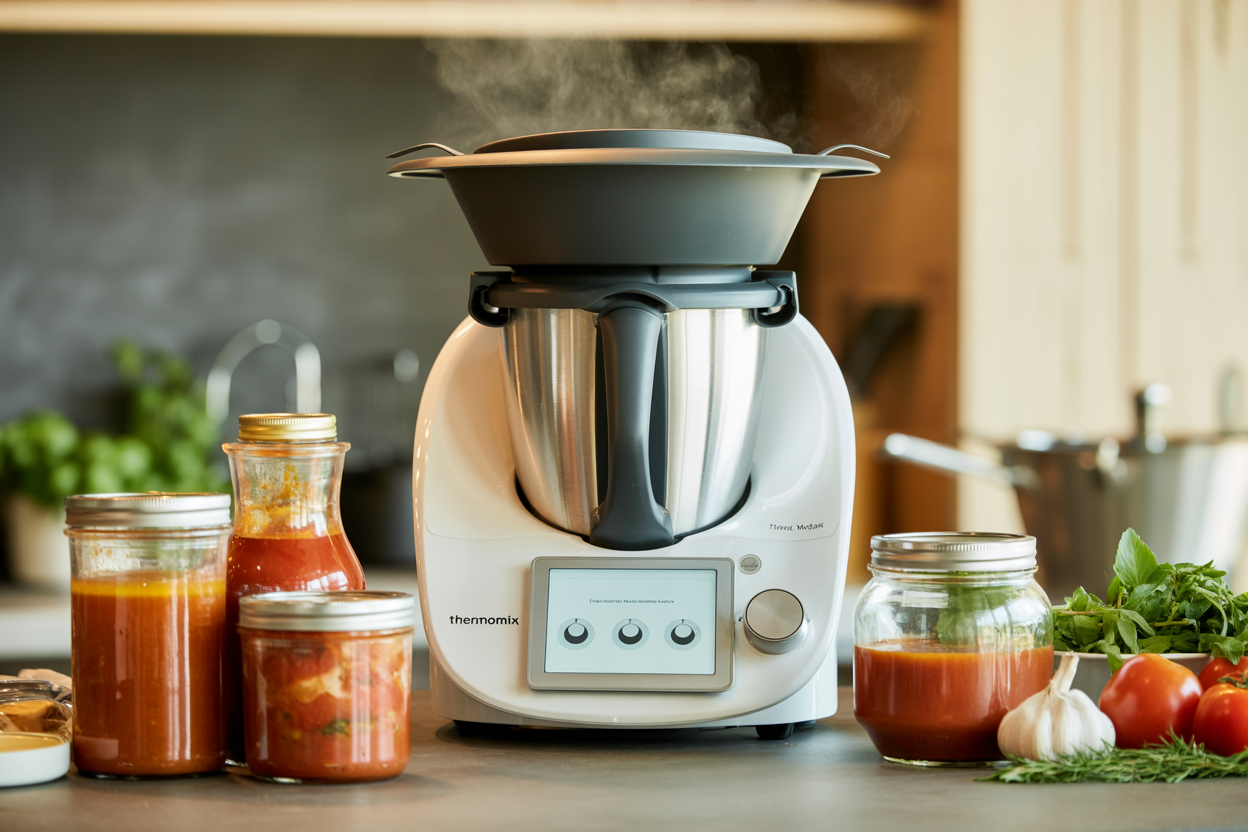
Storing homemade sauces can seem daunting, but with the right techniques and knowledge, you can keep your culinary creations fresh and flavorful for weeks or even months. Whether you're whipping up a tangy vinaigrette, a rich tomato sauce, or a creamy dressing, knowing how to store these sauces properly will allow you to enjoy them at their best, while also ensuring safety in your kitchen. So, let’s dive into the essential tips and methods for storing your homemade sauces, so you can savor every drop!
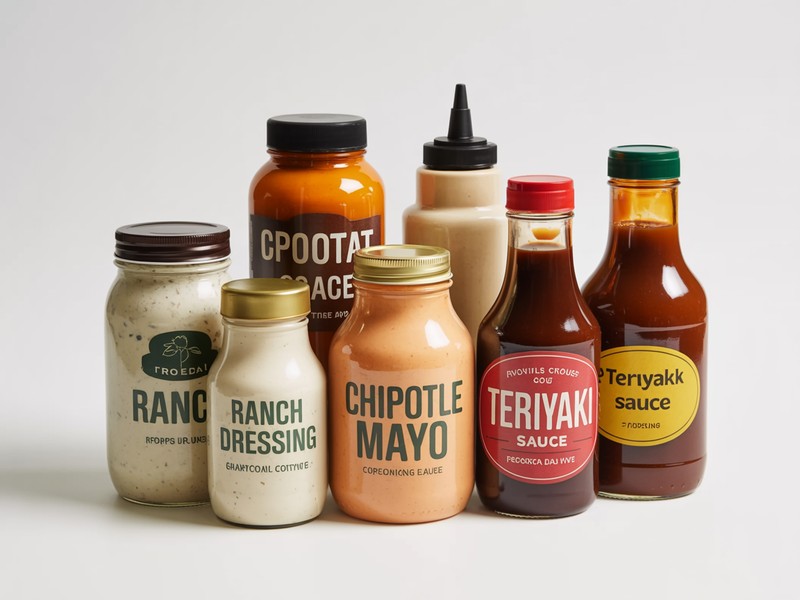
When it comes to refrigerator storage, understanding the lifespan of your sauces is crucial. Mayo-based sauces, such as aioli and ranch dressing, typically last about 5 to 7 days in the fridge. This is due to the perishable nature of mayonnaise and the ingredients involved. Vinaigrettes, on the other hand, can last a bit longer—around 1 to 2 weeks—thanks to their acidic components, which help preserve them. Tomato-based sauces, which are popular in many households, also hold up well for about 5 to 7 days, depending on whether they contain meat or not. When it comes to cream sauces, however, it’s best to use them within 3 to 4 days, as dairy products can spoil quickly. Always make sure to store these sauces in airtight containers to prevent contamination and keep them fresh.
Choosing the right containers is also key to successful sauce storage. Glass jars with tight-fitting lids are ideal for keeping sauces fresh. Mason jars are a popular choice because they are durable, easy to clean, and can be labeled easily. Avoid using metal containers for acidic sauces like vinaigrettes and tomato sauces, as they can react and alter the flavor. It’s a good practice to label the containers with the date they were made, so you can track how long they’ve been stored. This simple step can save you from eating spoiled food and ensure food safety in your kitchen.
For those sauces that you want to keep for longer periods, freezing is a fantastic option. Most cooked sauces, such as tomato, BBQ, and pesto, freeze well without losing their flavor or texture. However, never attempt to freeze mayo-based sauces, as they separate and become unappetizing when thawed. When freezing, always leave about an inch of headspace in containers to allow for expansion. Ideally, you should use frozen sauces within 3 months to enjoy them at their best quality.
There are several effective freezing methods to consider. Ice cube trays are excellent for freezing small portions of sauces like pesto or curry paste, as they allow you to thaw just what you need. Freezer bags, when laid flat, save a significant amount of space in your freezer and make storage easy. Muffin tins can also be a fun way to freeze medium portions of sauces, and once solid, you can transfer the sauce portions to a freezer bag for easy access.
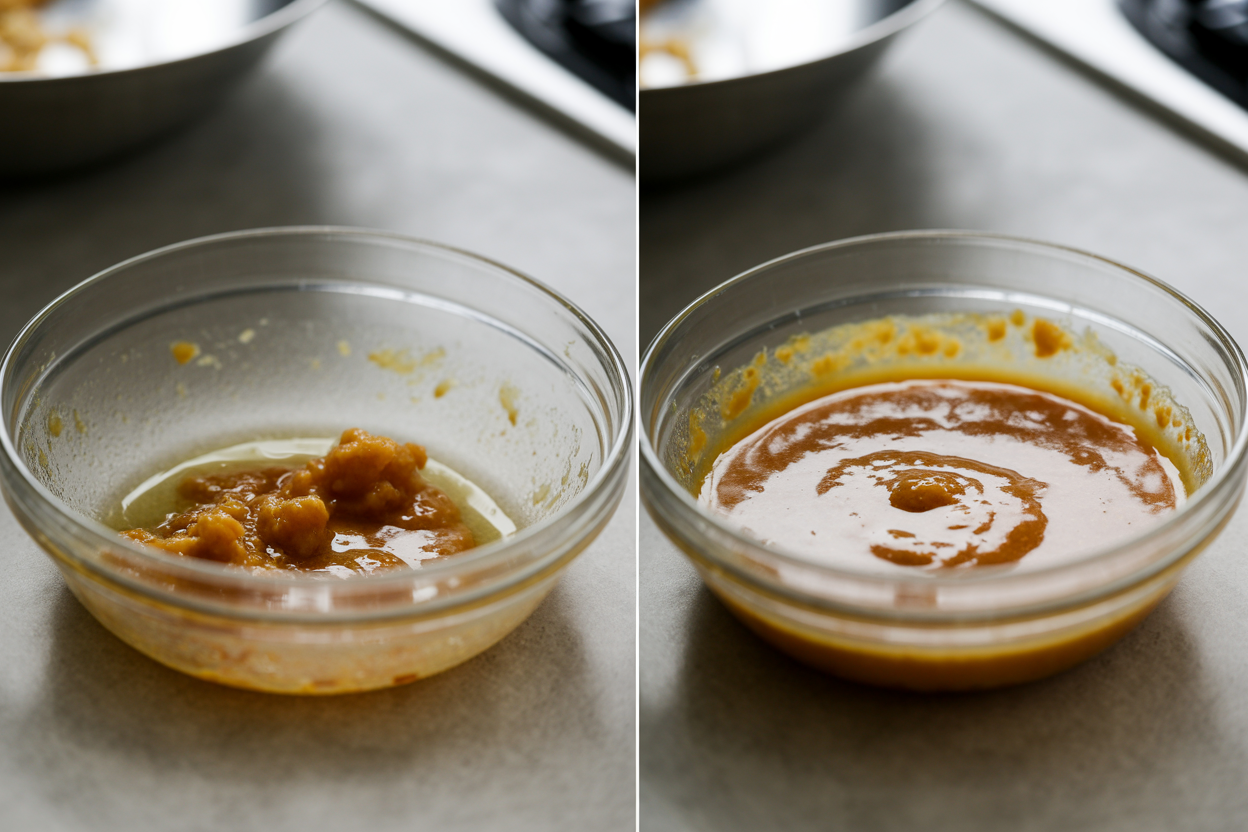
Thawing your frozen sauces safely is just as important as freezing them correctly. Always thaw sauces in the refrigerator overnight to avoid the risk of bacterial growth. Never leave them out at room temperature for long periods. Once thawed, reheat gently on the stove or in the microwave, stirring often. If your sauce has thickened too much during freezing, don’t hesitate to add a splash of liquid when reheating to restore its original consistency.
Safety should always be your top priority when storing homemade sauces. Ensure that sauces cool completely before placing them in the refrigerator or freezer. Leaving sauces out at room temperature for more than 2 hours can encourage bacterial growth, so be mindful of the time. If you notice any off smells, changes in color, or visible mold, it’s best to err on the side of caution and discard the sauce immediately. Trust your senses; they can often tell you more than expiration dates can.
Signs of spoilage can include mold, an off smell, a change in color, or a slimy texture. If a sauce separates and won't re-emulsify, it’s likely no longer good to eat. When in doubt, it’s always safer to throw it out than risk foodborne illness.
In conclusion, mastering the art of storing homemade sauces is all about understanding the unique properties of each sauce and applying the right techniques. By following the guidelines for refrigeration, freezing, and safety, you can enjoy your delicious sauces while keeping your kitchen safe and tidy. So go ahead, pour, store, and savor your homemade sauces with confidence!
Common mistakes can lead to wasted sauces and spoiled food. One frequent error is not allowing sauces to cool completely before refrigerating or freezing them. This can lead to condensation inside the container, promoting bacterial growth. Another mistake is using inappropriate containers for storage. Always opt for glass when dealing with acidic sauces. Additionally, many home cooks unknowingly leave sauces at room temperature for extended periods. Remember, sauces should not be left out for more than 2 hours!
Pro tips from experienced sauce makers can elevate your sauce storage game significantly. For optimal freshness, consider pouring a thin layer of olive oil over sauces before sealing them; this can create a barrier that helps preserve flavor and prevent oxidation. When making sauces in bulk, consider portioning them out before freezing, which will save you time and ensure that you only thaw what you need. Lastly, always test your sauces before using them after storage—taste and smell can reveal freshness.
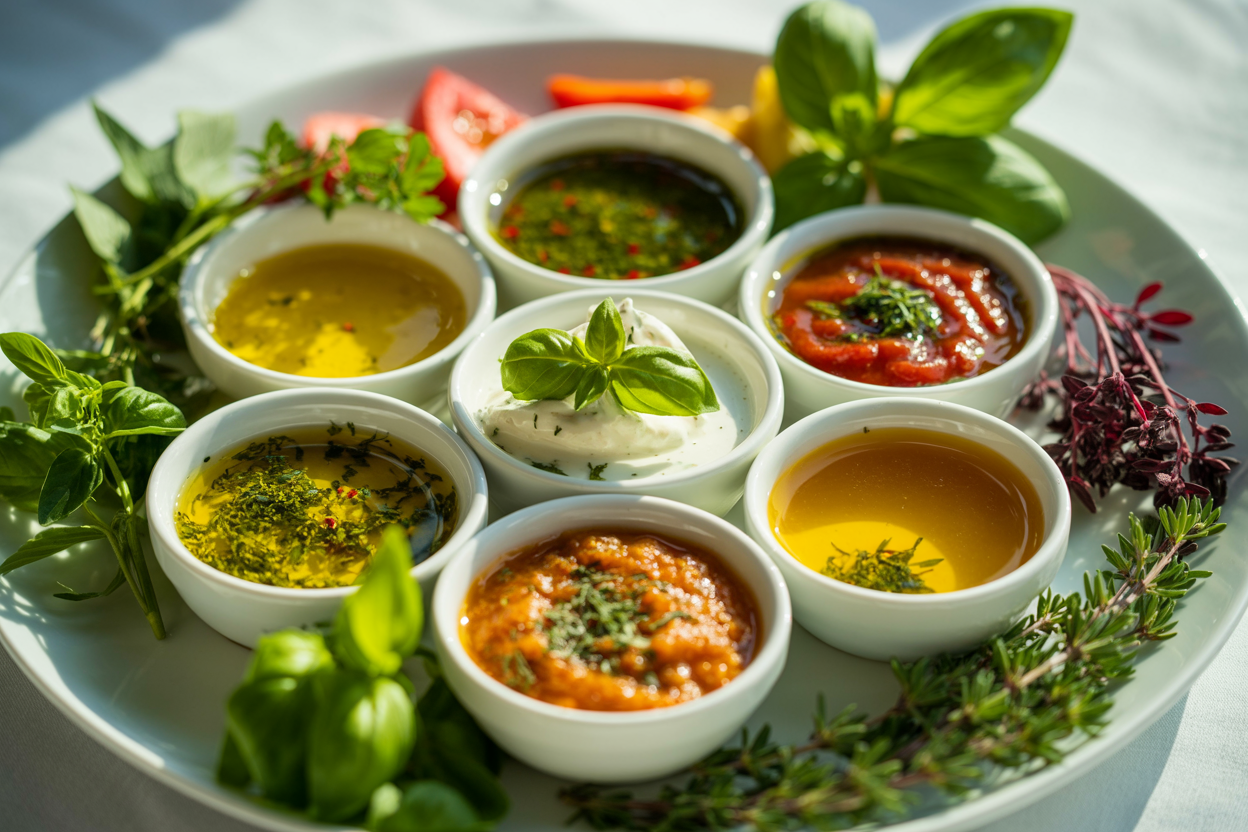
Related techniques to enhance your sauce-making experience include experimenting with infusions. For example, adding herbs or spices to your sauces can intensify flavors and customize them to your liking. Additionally, consider making your own flavored oils or vinegars, which can add depth to your sauces. These homemade components can be stored similarly to sauces, allowing you to build a well-rounded, flavorful pantry.
Frequently asked questions often revolve around the safety and longevity of sauces. A common query is, "Can I use leftover sauce from a meal?" Yes, as long as it has been stored properly and shows no signs of spoilage. Another question is, "How long can I keep homemade sauces?" It really depends on the ingredients used, but following the guidelines mentioned will give you a good starting point. Lastly, many wonder, "Is it safe to thaw sauces in the microwave?" While it’s possible, it’s best to do so gently and while stirring to ensure even heating and prevent hot spots that could lead to uneven cooking or spoilage.
Common Mistakes to Avoid
When it comes to storing homemade sauces, there are several common mistakes that can lead to spoilage or loss of flavor. One of the biggest errors is not allowing sauces to cool completely before placing them in the refrigerator or freezer. This can lead to condensation, which promotes bacterial growth. Additionally, using inappropriate containers can be disastrous; metal containers, for instance, can react with acidic sauces, altering their flavor. Another mistake is neglecting to label and date your sauces. This simple step can help track their freshness. Lastly, many people unknowingly leave sauces at room temperature for longer than the recommended 2 hours, increasing the risk of foodborne illnesses. Being aware of these common pitfalls can ensure your sauces stay delicious and safe for consumption.
Pro Tips from Experience
To elevate your sauce storage skills, consider these pro tips from seasoned cooks. First, try pouring a thin layer of olive oil over the surface of sauces before sealing them; this can create a barrier that helps prevent oxidation and preserves flavors. When making sauces in bulk, portion them out before freezing for convenience—this means you only thaw what you need! And don’t forget to chill sauces rapidly in an ice bath before refrigerating, as this helps prevent bacterial growth. Lastly, always taste your sauces before use after storage to ensure they still have the intended flavor profile.
Related Techniques to Enhance Your Sauces
Enhancing your culinary repertoire isn’t just about how you store sauces; it also involves understanding related techniques that can elevate your dishes. Consider experimenting with flavor infusions—adding herbs, spices, or even citrus zest to your sauces can transform a simple recipe into something extraordinary. For example, infusing garlic or rosemary into olive oil can add depth to dressings and marinades. Additionally, making your own flavored vinegars or oils can broaden your sauce options. These homemade components can be stored similarly to sauces, allowing for flexibility in your cooking. By mastering these techniques, you’ll not only store sauces effectively but also create vibrant flavors that tantalize the taste buds.
Frequently Asked Questions
Many home cooks have questions about the best ways to store homemade sauces. A frequent concern is whether it’s safe to use leftover sauce from a meal. As long as it’s been stored properly and shows no signs of spoilage, it can certainly be reused. Another common question involves the longevity of homemade sauces; this depends on the ingredients and methods used, but following the guidelines in this article will help. Lastly, people often wonder if thawing sauces in the microwave is safe. While it is possible, doing so gently and while stirring is crucial to avoid hot spots and uneven heating. These FAQs can help clarify common concerns, ensuring that you enjoy your homemade creations safely.