Back to Blog
Technique Guide
Acid, Fat, Sugar, Salt: How to Balance Flavors in Any Homemade Sauce
The four pillars of flavor balance and how to use them to fix, improve, and create sauces from scratch. A practical framework for tasting and adjusting any sauce.
13 min read
Easy

Written by FoodieManiac
With over 8 years of sauce-making experience, I've tested hundreds of techniques and products to bring you practical, reliable advice. Learn more about me →
The Four Pillars of Sauce Flavor
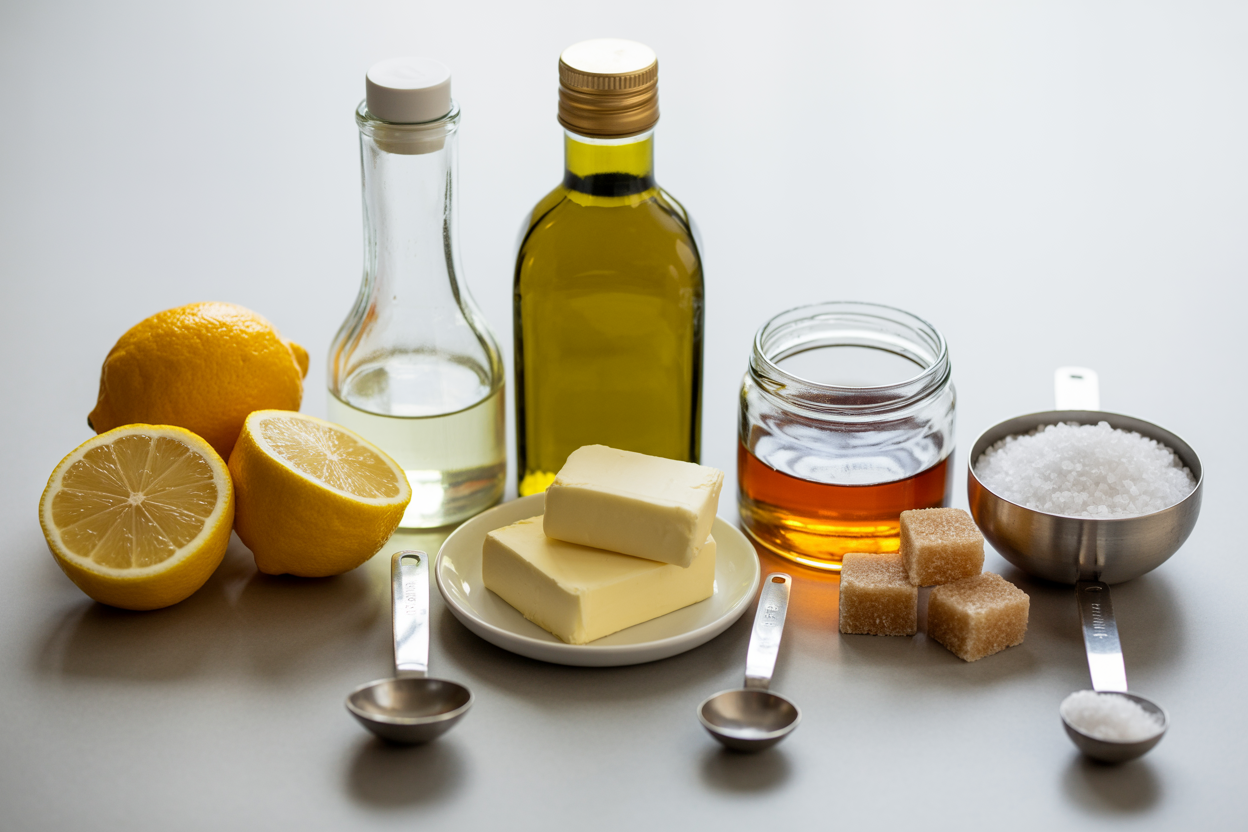
Every well-made sauce balances four elements: acid, fat, sugar, and salt. When a sauce tastes "off" but you cannot identify why, it is almost always because one of these four is out of proportion.
This is not abstract theory—it is the most practical cooking skill you can develop. Once you train yourself to taste for these four elements, you can fix any sauce in seconds. Too flat? Add acid. Too sharp? Add fat or sugar. No depth? Add salt. The adjustment is usually just a teaspoon of something, and it transforms the sauce from "fine" to "exceptional."
Let us break down each element and how it functions in sauces.
Acid: The Brightener
Acid is what makes a sauce taste alive. Without it, sauces taste flat, heavy, and one-dimensional—no matter how good the other ingredients are.
Common acids in sauce-making include vinegar (white, red wine, apple cider, rice, balsamic), citrus juice (lemon, lime, orange), wine, tomatoes, and fermented ingredients (yogurt, buttermilk).
Each acid has a different character. Lemon juice is bright and clean. Balsamic vinegar is sweet and complex. Rice vinegar is gentle and subtle. Apple cider vinegar is fruity and rounded.
The rule of thumb: if your sauce tastes good but feels "heavy" or "boring," add a splash of acid. A teaspoon of lemon juice or vinegar is usually enough. Our Balsamic Vinaigrette is essentially a study in using acid as the star—balsamic vinegar provides sweetness, complexity, and brightness all at once.
Be careful with acid in hot sauces—add it at the end of cooking, since prolonged heat causes acids to evaporate and can make tomato-based sauces taste flat.
Fat: The Carrier and Smoother
Fat is what makes sauces feel luxurious. It coats your tongue, carries flavor molecules to your taste buds, and smooths out sharp edges. A sauce without enough fat tastes thin and harsh, even if the flavors are good.
Butter is the most common fat in sauce-making—it adds richness and a subtle sweetness. Olive oil adds fruitiness. Coconut milk adds creaminess and tropical sweetness. Cream adds body. Peanut butter adds richness and protein.
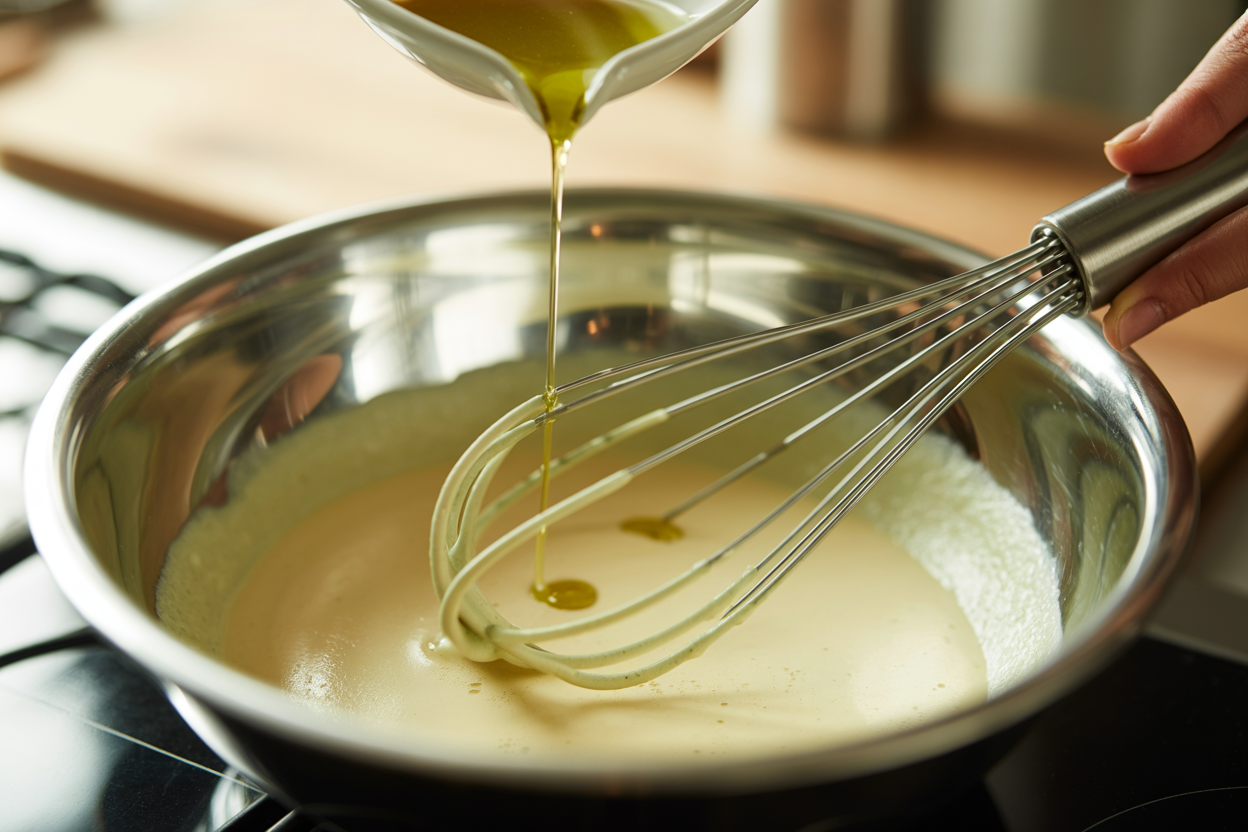
The technique of "mounting" a sauce with butter (stirring in cold butter off the heat) is a restaurant trick that makes any pan sauce taste professional. The butter emulsifies into the liquid, creating a glossy, velvety texture.
Our Restaurant-Style Garlic Butter Sauce is built entirely on this principle—butter is both the fat and the sauce body, carried by garlic and lemon. Our Thai Peanut Sauce uses peanut butter and coconut milk as a rich fat base that balances the sharp lime and salty fish sauce.
Sugar and Salt: The Amplifiers
Sugar: The Rounder
Sugar does not just make things sweet—in small amounts, it rounds out harsh flavors and enhances other tastes. A pinch of sugar in a tomato sauce reduces perceived acidity without making the sauce taste sweet. A teaspoon of honey in a vinaigrette softens the vinegar's bite. Common sweeteners in sauces: white sugar (neutral), brown sugar (caramel notes), honey (floral), maple syrup (woodsy), mirin (subtle, Japanese), molasses (deep, bitter-sweet). Our Korean BBQ Sauce demonstrates sugar's power—brown sugar and Asian pear balance the intense saltiness of soy sauce and the heat of gochujang, creating a complex, addictive glaze.Salt: The Amplifier
Salt is the most important seasoning in any sauce. It does not just add saltiness—it suppresses bitterness and enhances every other flavor present. An under-salted sauce tastes muted and flat, even if all the other ingredients are perfect. Beyond table salt, sauces benefit from "salty" ingredients that add complexity: soy sauce, fish sauce, Worcestershire sauce, anchovy paste, Parmesan cheese, miso, capers. These umami-rich ingredients provide salt plus deep savory flavor. The best practice is to season your sauce in stages—a little salt at the beginning, more during cooking, and a final adjustment at the end. Taste after each addition.The Tasting-and-Adjusting Framework
Here is a practical flowchart for fixing any sauce:
"It tastes flat/boring" → Add salt first. If still flat, add acid (lemon juice or vinegar).
"It tastes too sharp/acidic" → Add fat (butter, cream, oil) or a pinch of sugar.
"It tastes too sweet" → Add acid (vinegar or citrus) to counterbalance.
"It tastes too salty" → Add acid or sugar to distract from the salt. Adding more liquid dilutes the entire sauce.
"It tastes too rich/heavy" → Add acid to brighten, or increase the proportion of aromatic herbs.
"It has no depth" → Add umami (soy sauce, Worcestershire, a tiny bit of fish sauce, or tomato paste).
The key insight: adjustments should be small. A quarter teaspoon can change everything. Taste after every addition. It is much easier to add more than to fix an overcorrection.
This framework works for every sauce on this site—from a simple Honey Mustard to a complex Memphis BBQ Sauce. Once you internalize it, you will never need to follow a sauce recipe exactly again, because you will know how to taste and adjust on the fly.
Equipment Mentioned
Tasting spoonsSmall bowls for adjustments
TAGS
#flavor-balance#technique#cooking-theory#seasoning#tasting