Back to Blog
Technique Guide
The Art of the Copycat: How to Reverse-Engineer Any Restaurant Sauce at Home
Learn the systematic approach to recreating fast-food and restaurant sauces at home. From identifying base flavors to adjusting ratios, this is the methodology behind every copycat recipe.
14 min read
Easy

Written by FoodieManiac
With over 8 years of sauce-making experience, I've tested hundreds of techniques and products to bring you practical, reliable advice. Learn more about me →
Why Copycat Recipes Exist
Every restaurant sauce starts in a test kitchen with the same ingredients available to you. The difference is not secret chemicals or professional equipment—it is understanding how flavors interact and having the patience to adjust ratios until the taste matches.
The first step to any copycat is accepting that you will not get a perfect match on the first try. Restaurant sauces are engineered through hundreds of iterations. Your version will be close on the first attempt and nearly identical by the third. That is the process we follow for every copycat recipe on this site.
The good news: most fast-food sauces are deliberately simple. Chains need recipes that minimum-wage employees can execute consistently across thousands of locations. If they can make it in a commercial kitchen with six ingredients, you can make it at home with the same six ingredients.
Step 1: Identify the Base
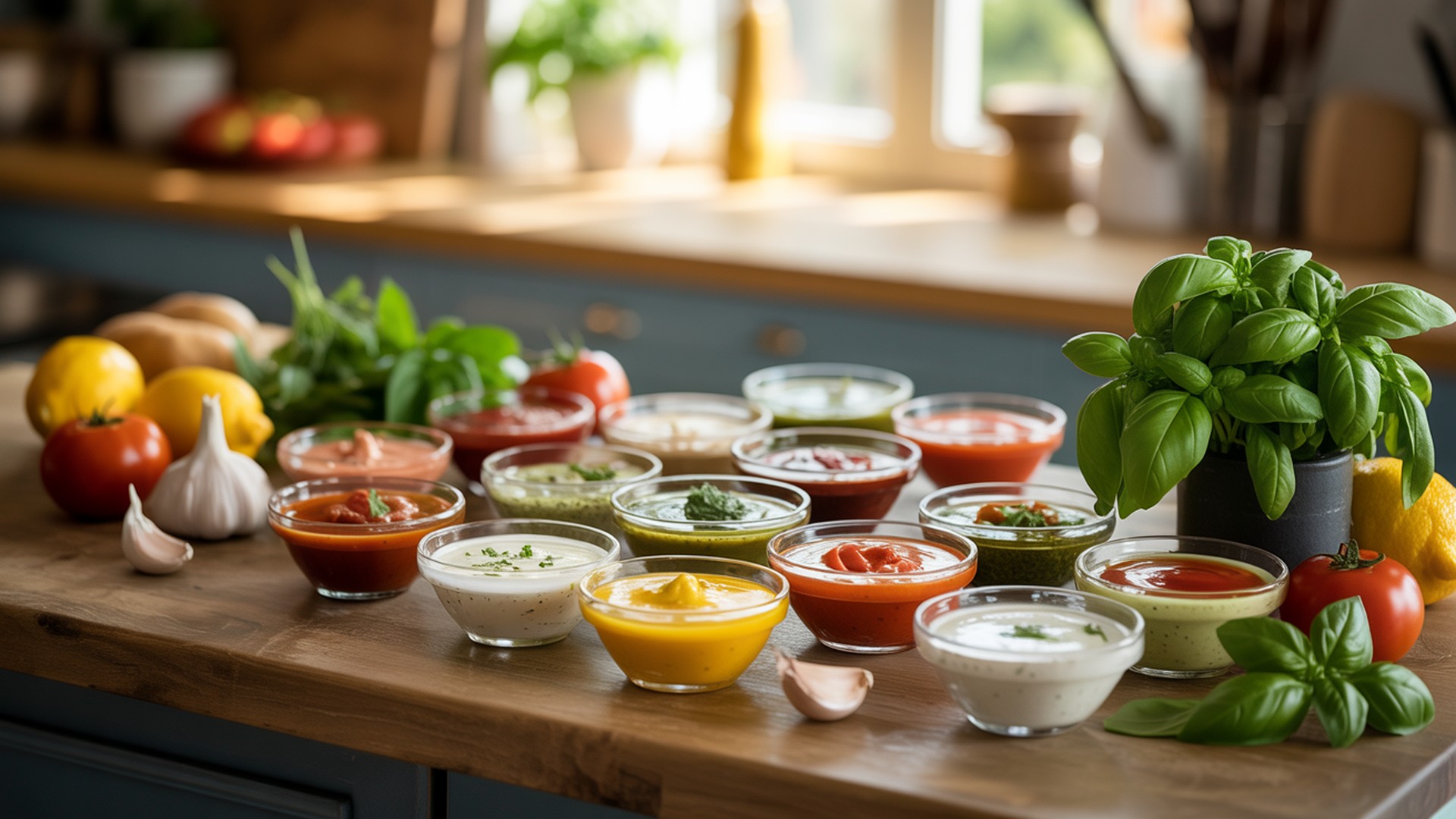
Every sauce has a base—the primary ingredient that makes up 60-80% of the volume. Identifying this correctly is half the battle.
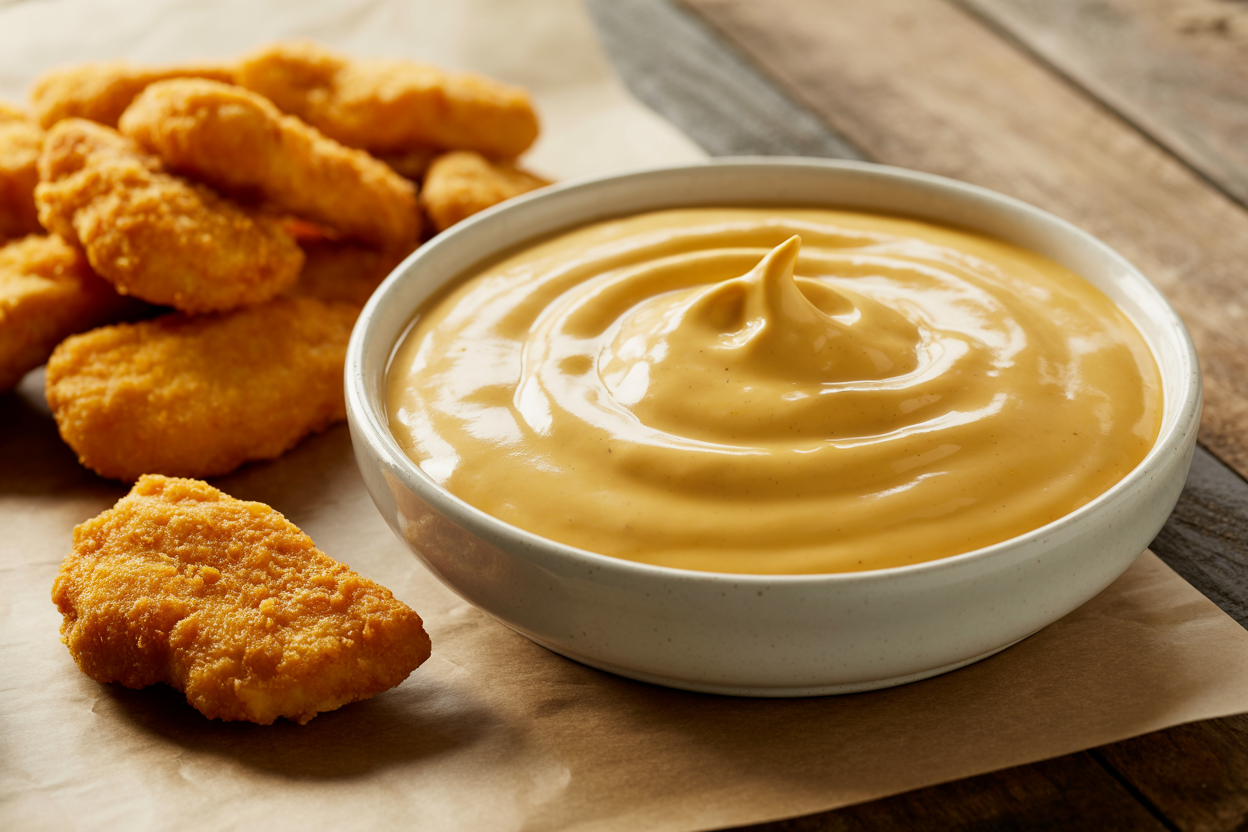
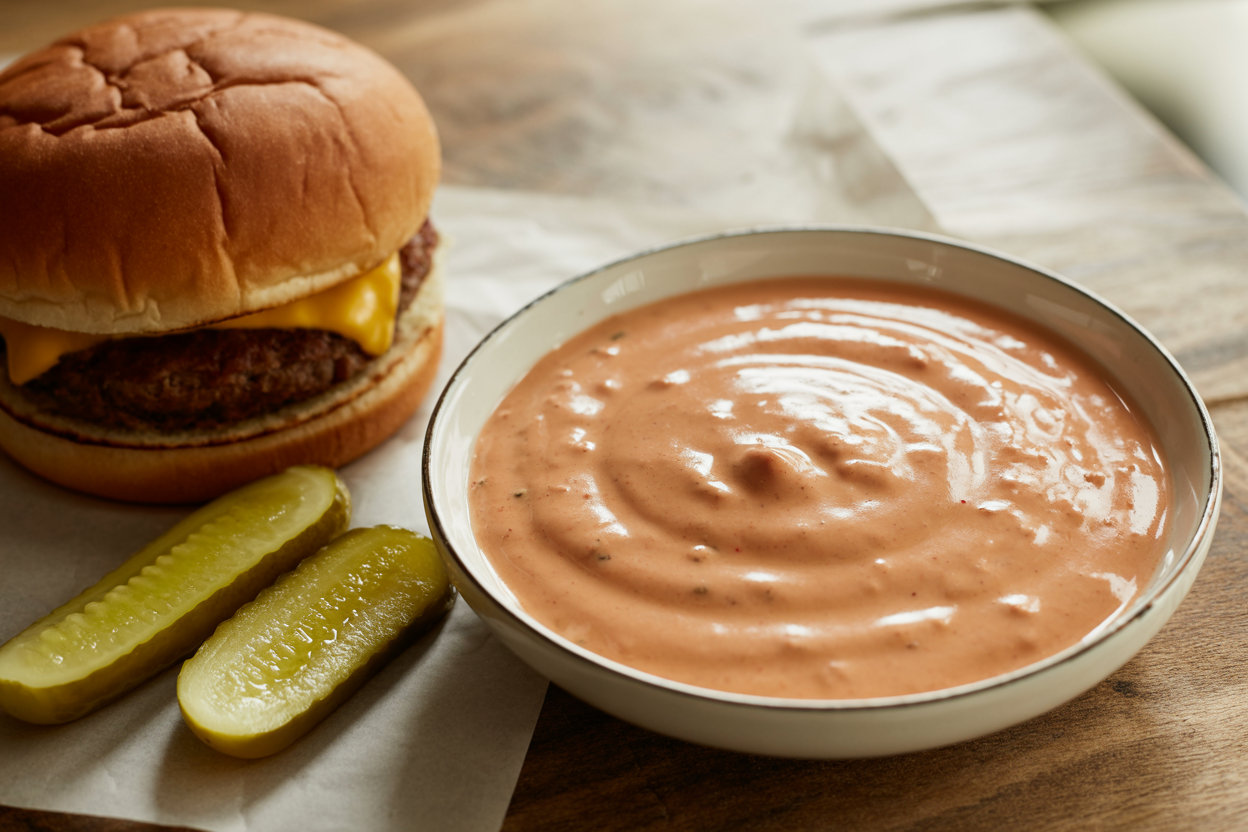
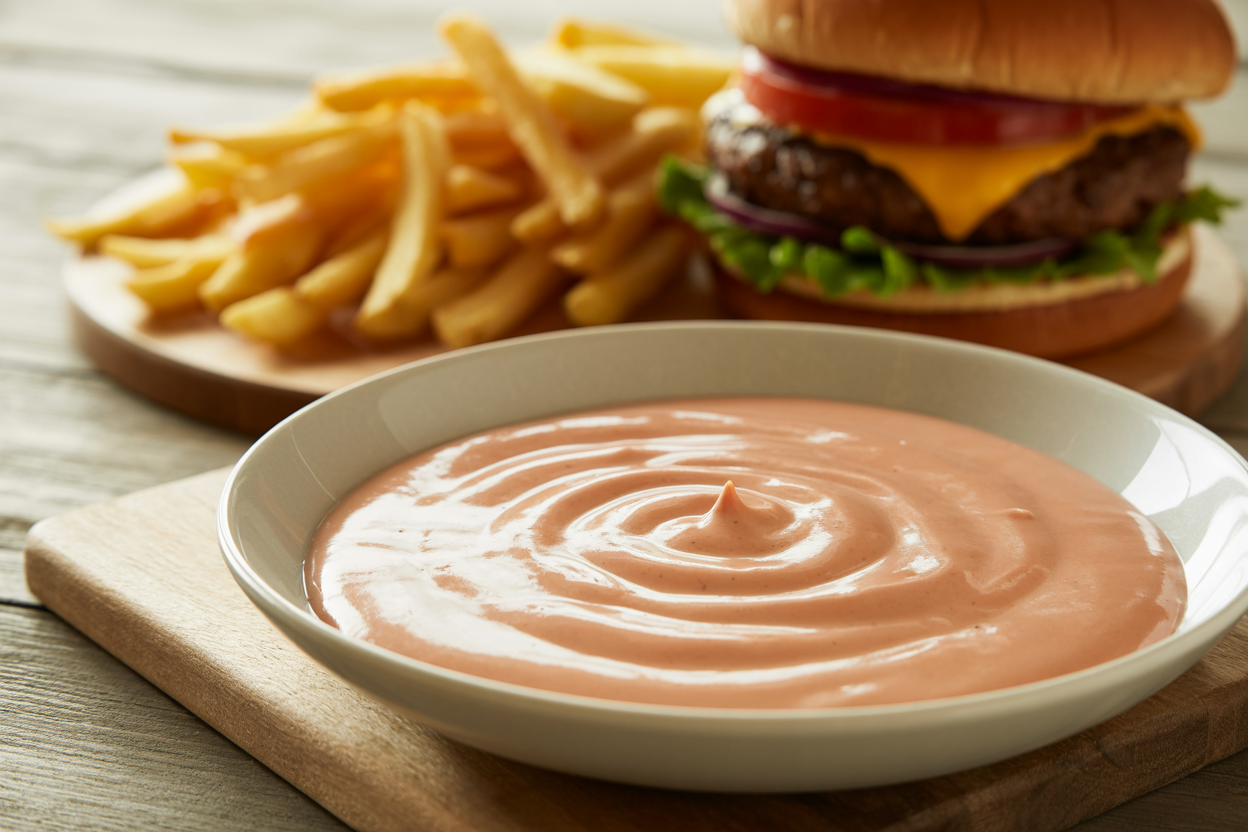
Mayonnaise-based: If the sauce is creamy, thick, and slightly tangy, mayo is almost certainly the base. This covers Chick-fil-A Sauce, Big Mac Sauce, Raising Cane's Sauce, tartar sauce, and most "secret sauces." Our Chick-fil-A Sauce and Big Mac Sauce both start with mayo.
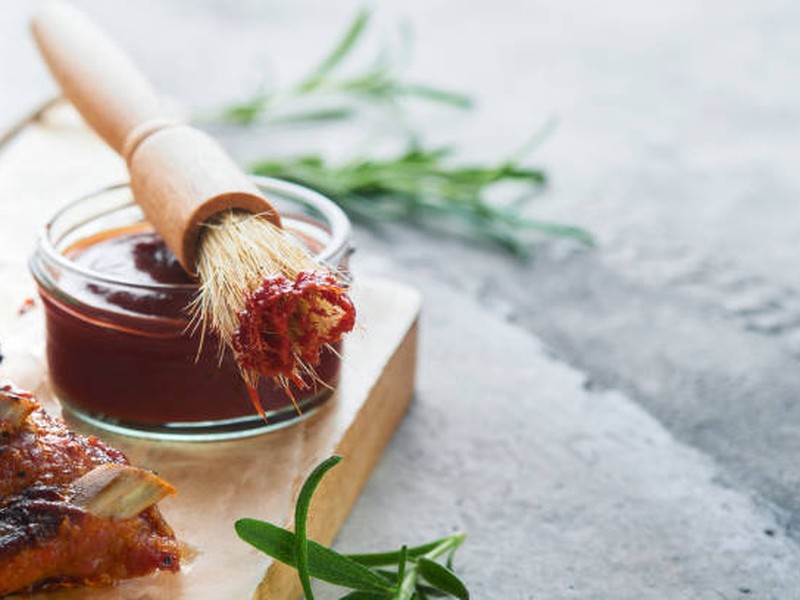
Ketchup-based: If it is sweet, tomato-forward, and slightly vinegary, ketchup is the base. BBQ sauces, cocktail sauces, and many dipping sauces fall here.
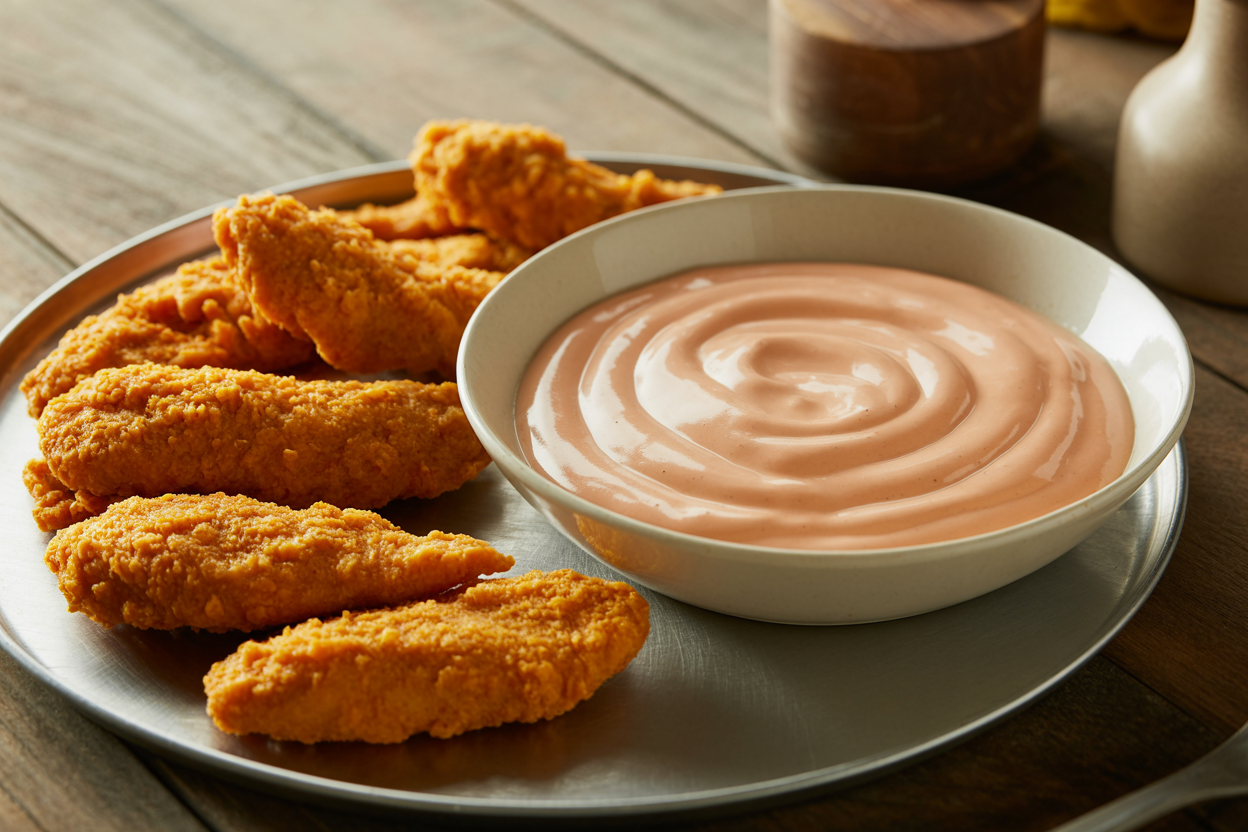
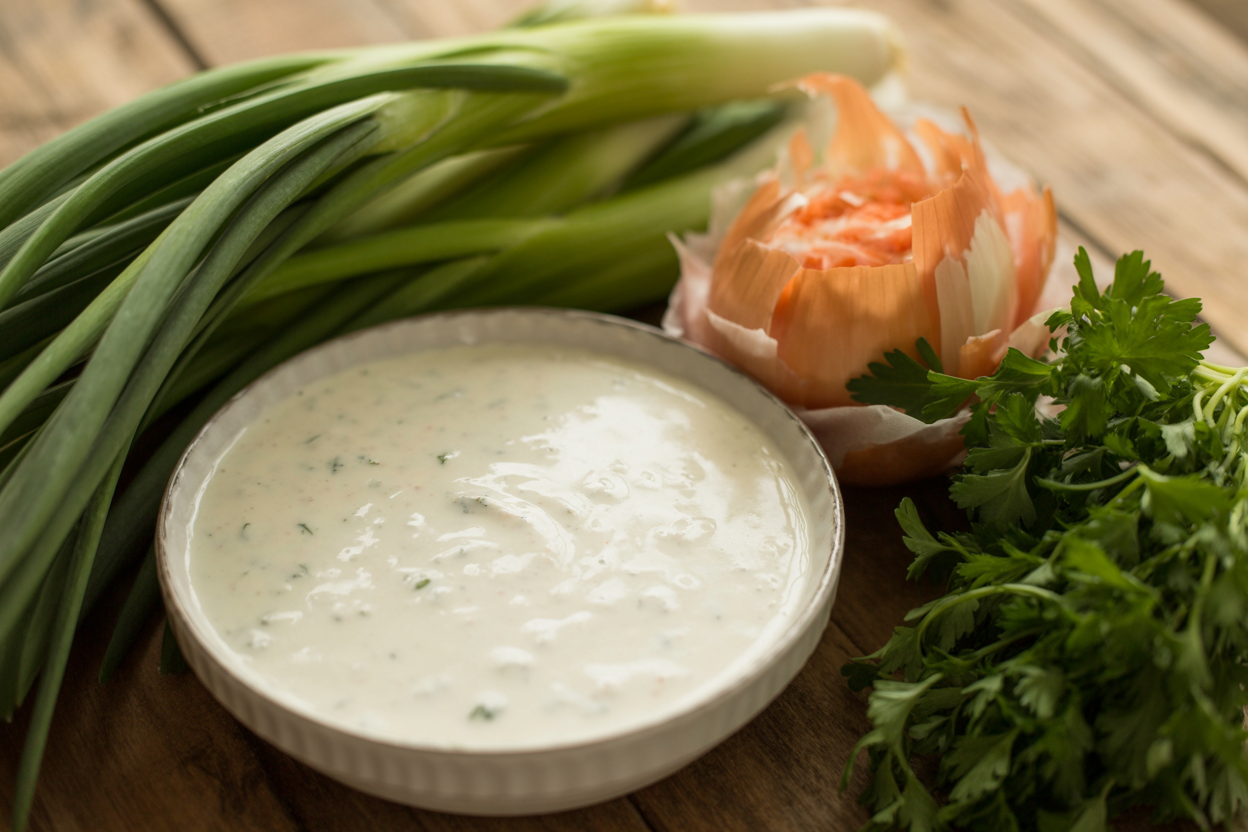
Sour cream or yogurt-based: If it is tangy and thick but lighter than mayo, think ranch, tzatziki, or blackened ranch. Our Popeyes Blackened Ranch uses a buttermilk-mayo blend.
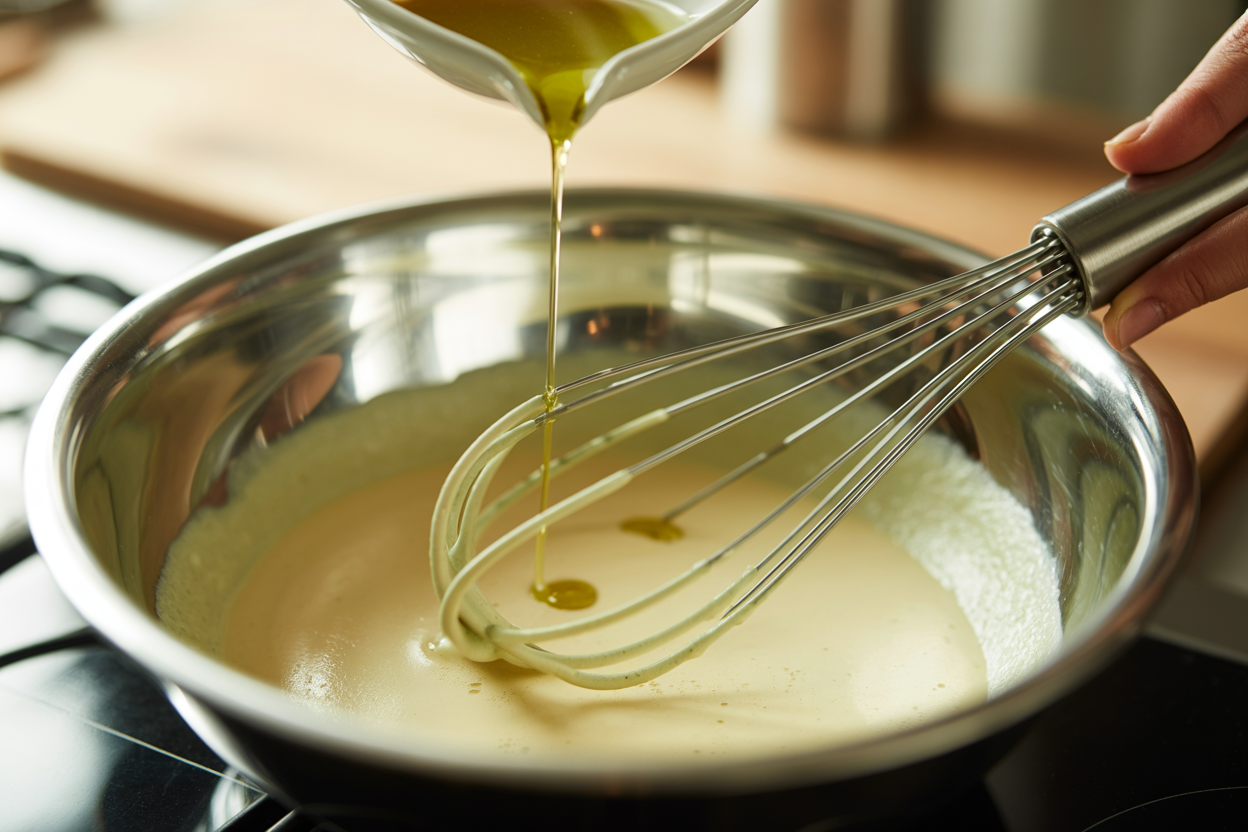
Oil-based: Vinaigrettes, chimichurri, and many Asian sauces use oil as the carrier.
Step 2: Identify the Signature Flavors
Once you know the base, taste for the distinguishing flavors. Ask yourself:
- Is there mustard? (Tangy, sharp, yellow-tinted sauces often have mustard.)
- Is there pickle relish? (Sweet-sour chunks indicate relish or finely diced pickles.)
- Is there smoke? (Smoked paprika, liquid smoke, or chipotle peppers.)
- Is there heat? (Cayenne, hot sauce, or black pepper.)
- Is there garlic? (Almost always yes—garlic powder is the most-used seasoning in fast food.)
- Is there sweetness beyond the base? (Honey, sugar, or sweet pickle juice.)
Step 3: Nail the Ratios
This is where most copycat attempts fail. You have the right ingredients but the wrong proportions, and the sauce tastes "off." Here is the approach that works:
Start with the base at 70%. If your total batch is 1 cup, use about ¾ cup of the base ingredient (mayo, ketchup, etc.).
Add secondary ingredients at 1-2 tablespoons each. These are the flavors you identified in Step 2. For our Shake Shack ShackSauce, that means mayo as the base, then measured additions of ketchup, mustard, pickle brine, and cayenne.
Season with pinches. Garlic powder, onion powder, paprika, salt, and pepper go in at ¼ to ½ teaspoon.
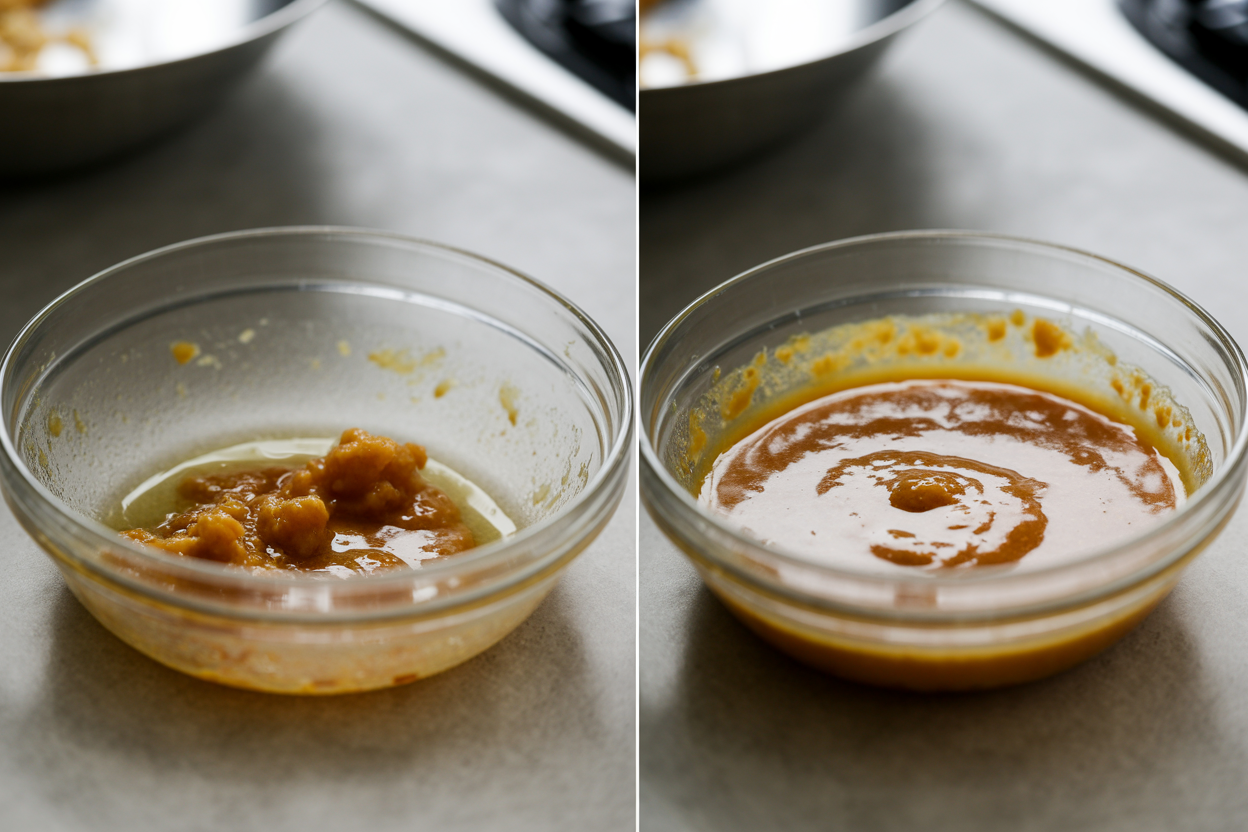
Taste and adjust. Make the sauce, let it sit for 30 minutes in the fridge (flavors meld when cold), then taste it against the original if you have some. Adjust one ingredient at a time.
The 30-minute rest is critical. Fresh sauces taste different from rested ones because the seasonings need time to hydrate and distribute. Never judge a copycat sauce immediately after mixing.
Common Pitfalls and Pro Tips
Pitfall 1: Using the wrong mayo. Full-fat, regular mayo (like Hellmann's or Duke's) is what restaurants use. Light mayo, olive oil mayo, or Japanese Kewpie will all taste different.
Pitfall 2: Forgetting the sugar. Fast-food sauces contain more sugar than you think. If your copycat tastes flat, try adding ½ teaspoon of sugar. It rounds out the flavor.
Pitfall 3: Skipping the rest time. As mentioned above, always rest your sauce before making adjustments. A sauce that seems too vinegary at first often balances out after 30 minutes.
Pro tip: French's yellow mustard is the standard for fast-food copycats—not Dijon, not whole grain, not spicy brown. If the original sauce has mustard, it is almost certainly French's.
Pro tip: Garlic powder, not fresh garlic. Fresh garlic tastes different and has more bite. Fast food uses dehydrated garlic exclusively.
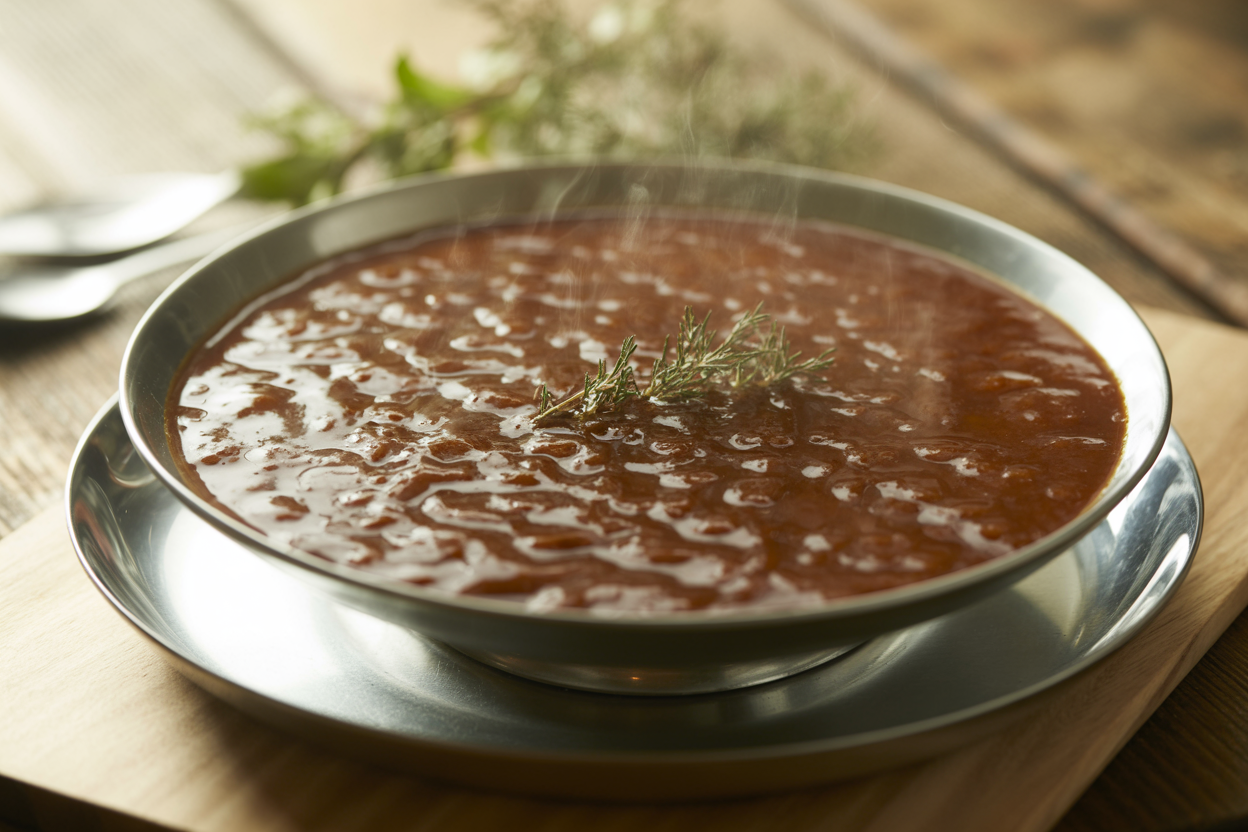
The methodology above is how we developed every copycat on this site—from KFC Gravy to Taco Bell Quesadilla Sauce. Try it on any restaurant sauce that you love, and you might surprise yourself with how close you can get.
Equipment Mentioned
Mixing bowlsMeasuring spoonsWhisk
TAGS
#copycat#restaurant-sauces#reverse-engineering#technique#fast-food