Best Sauces for Roasted Vegetables: 12 Pairings That Add Big Flavor
Discover 12 delicious sauces that perfectly complement roasted vegetables. Elevate your sides with easy, flavor-packed pairings and simple recipes.
Written by FoodieManiac
With over 8 years of sauce-making experience, I've tested hundreds of techniques and products to bring you practical, reliable advice. Learn more about me →
Why Roasted Vegetables Need Great Sauces
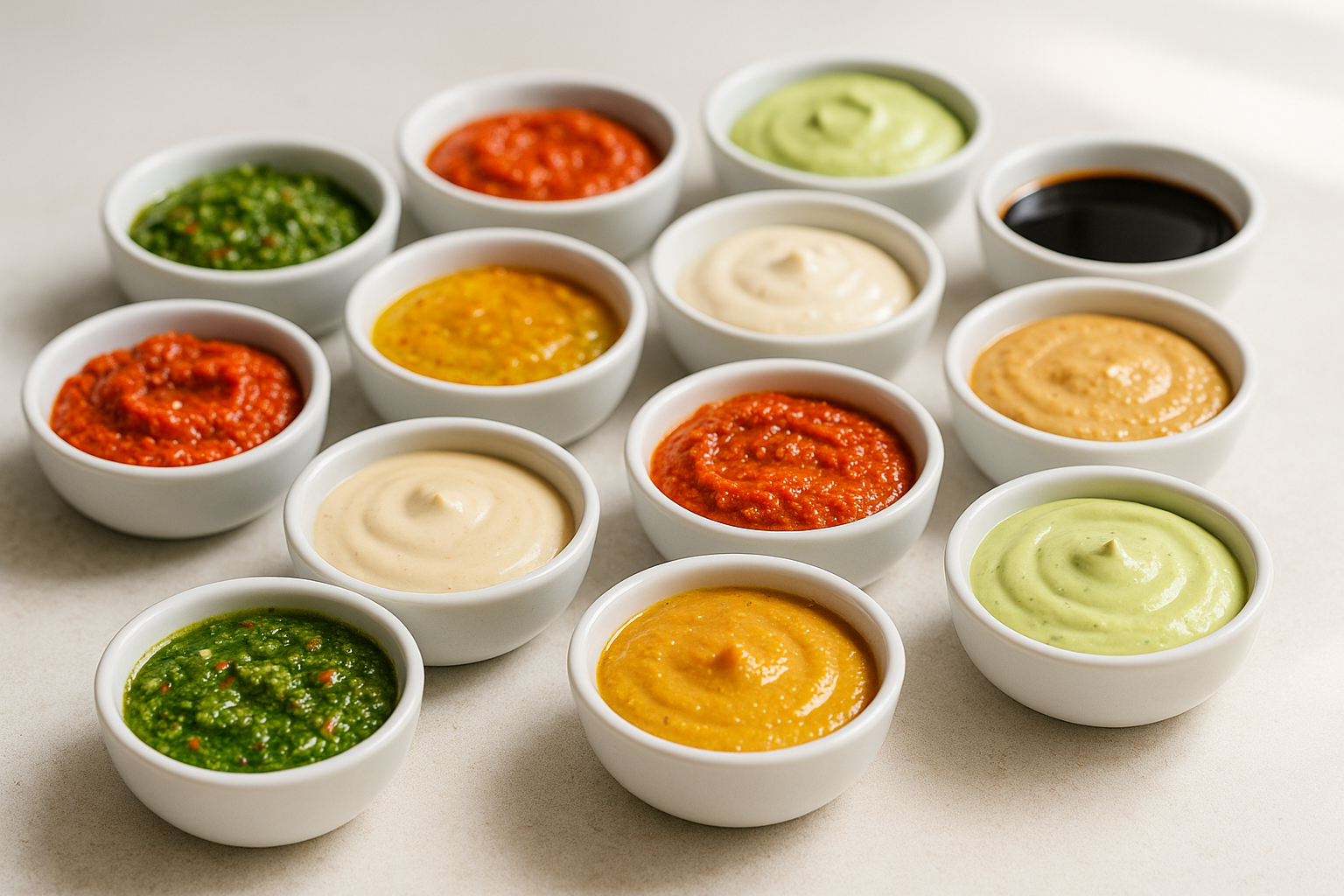
Roasted vegetables - whether it’s caramelized carrots, crispy Brussels sprouts, or smoky cauliflower - shine brightest when paired with a sauce that complements their deep flavors. High-heat roasting (400–450°F/200–230°C for 25–40 minutes, depending on the veg) brings out natural sweetness and umami. But a well-chosen sauce adds contrast, richness, acidity, or heat, elevating simple vegetables to crave-worthy sides or centerpieces.
This guide covers 12 of the best sauces for roasted vegetables, including practical tips, pairing suggestions, and actionable advice for every home cook. Dive deeper with our essential guides like How to Reduce Sauces for Maximum Flavor and Deglazing for Flavor: How to Make Restaurant-Quality Pan Sauces at Home for expert-level sauce techniques.
1. Chimichurri: Fresh, Herby, and Vibrant
Authentic Argentine Chimichurri Sauce is an herbaceous, garlicky, and slightly spicy blend of parsley, oregano, garlic, red wine vinegar, and olive oil. It’s especially effective with charred, meaty vegetables like roasted portobello mushrooms, eggplant, and potatoes. To make your own, combine 1 cup chopped parsley, 1/4 cup red wine vinegar, 3–4 minced garlic cloves, 1 tsp chili flakes, 1/2 cup olive oil, and salt to taste. Rest for 15 minutes before serving so flavors meld. Spoon over vegetables while hot for maximum absorption.
Tip: Toss roasted vegetables with 2–3 tablespoons of chimichurri right out of the oven, and reserve extra for drizzling at the table.
2. Classic Balsamic Vinaigrette: Sweet, Tangy, and Versatile
Balsamic vinaigrette is a workhorse for roasted vegetables, balancing caramelized flavors with acidity and a touch of sweetness. For a classic version, whisk together 1/4 cup balsamic vinegar, 1/2 tsp Dijon mustard, 1/2 tsp honey, 1 minced garlic clove, and 1/2 cup extra virgin olive oil. Season with salt and pepper. Try our Best Balsamic Vinaigrette Recipe for a foolproof method.
Drizzle vinaigrette over warm roasted beets, carrots, or Brussels sprouts. For best flavor, let vegetables cool for 2–3 minutes before tossing with the sauce - this helps keep the vinaigrette from breaking and preserves its sheen (see The Science of Emulsification for details).
3. Green Goddess Dressing: Creamy, Herby, and Packed with Umami
Thermomix Green Goddess Dressing combines mayonnaise or yogurt with fresh herbs (parsley, tarragon, chives), lemon juice, anchovy (optional), and garlic. The result is a creamy, umami-rich sauce that’s perfect with roasted asparagus, broccolini, or zucchini.
For maximum flavor, blend 1/2 cup mayo, 1/2 cup sour cream, 1/4 cup each parsley and chives, 1 tbsp tarragon, juice of 1 lemon, 1 mashed anchovy filet, and 1 small garlic clove. Chill for at least 30 minutes before serving. Spoon generously over vegetables or serve as a dipping sauce.
4. Romesco: Spain’s Nutty, Smoky Powerhouse
Romesco is a bold, nutty Spanish sauce made from roasted red peppers, toasted almonds, garlic, smoked paprika, and sherry vinegar. It matches beautifully with roasted cauliflower, potatoes, and carrots. To make classic romesco, see our guide How to Make Romesco Sauce: Spain's Bold, Nutty Condiment Explained.
For a quick version, blend 1 cup jarred roasted red peppers, 1/3 cup toasted almonds, 1 garlic clove, 2 tbsp tomato paste, 1 tsp smoked paprika, 2 tbsp sherry vinegar, and 1/4 cup olive oil. Add salt to taste. Spoon over vegetables just before serving for a rich, smoky hit.
5. Ranch Dressing: Creamy, Cool, and Crowd-Pleasing
Roasted potatoes, broccoli, and carrots are transformed with ranch. The acidity and herbal notes cut through caramelized flavors. Try our Copycat Wingstop Ranch Dressing Recipe for a restaurant-style version. For best texture, chill ranch for at least 1 hour before serving - this helps herbs hydrate and flavors meld.
For a lighter alternative, use Greek yogurt as a base, and see our comparison guide Mayo vs. Yogurt Sauces: Which Base Should You Use? for tips on customizing texture and tang.
6. Salsa Roja: Zesty, Tomato-Based Brightness
Authentic Mexican Salsa Roja Recipe brings acidity, heat, and fresh tomato flavor. It’s especially good with roasted sweet potatoes, corn, or bell peppers. For maximum flavor, roast tomatoes, onions, and chilies at 425°F (220°C) for 20–25 minutes, then blend with garlic, cilantro, and lime juice. Let cool slightly before serving.
Tip: Warm salsa roja slightly before spooning over vegetables, or use as a dip for roasted veggie platters. For more on heat, see Hot Sauce vs. Chili Paste: When to Use Each in Your Cooking.
7. Garlic Butter Sauce: Rich, Savory, and Simple
Garlic butter sauce is an instant upgrade for roasted vegetables like carrots, mushrooms, or green beans. Use our Restaurant-Style Garlic Butter Sauce Recipe for a foolproof method. For best results, melt 1/2 cup unsalted butter over low heat, add 3–4 minced garlic cloves, and cook gently (no browning) for 2–3 minutes. Stir in a squeeze of lemon juice and chopped parsley.
Toss hot roasted vegetables with 2–3 tablespoons of garlic butter immediately after roasting for even coating and maximum aroma.
8. Tahini Sauce: Creamy, Nutty, and Vegan-Friendly
Tahini sauce (blend 1/3 cup tahini, 2 tbsp lemon juice, 1 minced garlic clove, 2–4 tbsp water, and salt) is a staple for roasted cauliflower, carrots, or sweet potatoes. The sauce’s slight bitterness and creamy texture balance the sweetness of roasted roots.
For a smoother, lighter sauce, use ice water instead of regular water when thinning tahini - this creates a fluffier emulsion (see The Science of Emulsification).
9. Tzatziki: Cool, Garlicky, and Refreshing
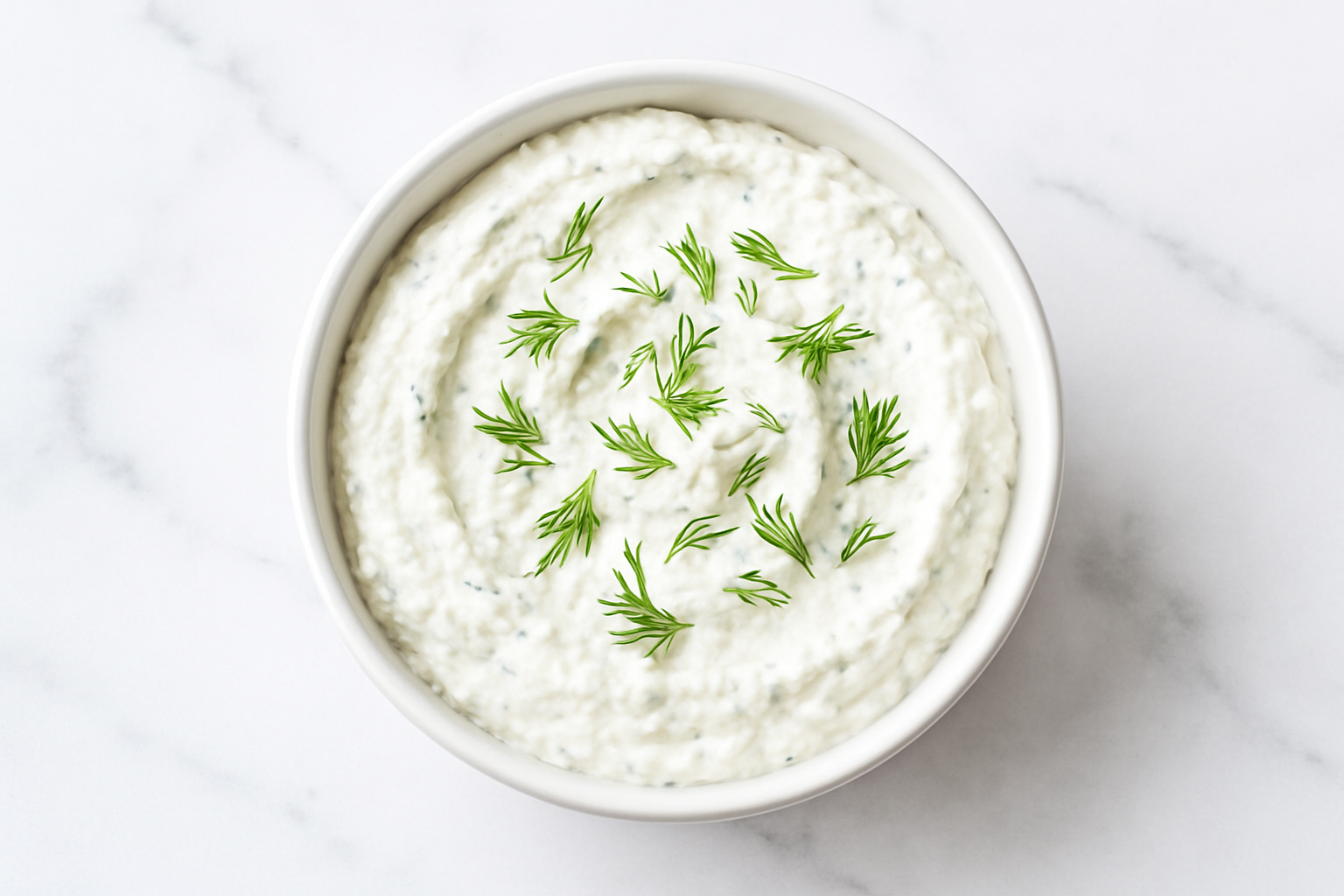
Authentic Greek Tzatziki Sauce Recipe pairs beautifully with roasted eggplant, zucchini, and potatoes. The mix of Greek yogurt, cucumber, garlic, lemon, and dill provides a cooling, tangy counterpoint to hot, caramelized vegetables.
Grate and salt cucumbers, then squeeze dry before mixing - this prevents watery tzatziki. Chill for at least 30 minutes for full flavor development. Serve tzatziki cold alongside hot veggies for temperature and texture contrast.
10. Sweet Chili Mayo: Sweet, Spicy, and Addictive
Try our Thermomix Sweet Chili Mayo for a creamy, spicy kick that’s especially good with roasted sweet potatoes, broccoli, or cauliflower. To make a homemade version, mix 1/2 cup mayo with 2–3 tbsp sweet chili sauce, a squeeze of lime, and a pinch of salt.
For extra crunch, sprinkle toasted sesame seeds or chopped scallions on top. For more quick ideas, see 5-Minute Salad Dressings: Quick Sauces to Upgrade Any Bowl.
11. Harissa: North African Heat and Depth
Harissa is a spicy, aromatic chili paste with caraway, cumin, and coriander. It’s fantastic drizzled over roasted carrots, cauliflower, or potatoes. Make your own with our Homemade Harissa Paste Recipe, or thin store-bought harissa with olive oil and lemon juice for a saucier consistency.
Tip: Toss vegetables with harissa sauce while still hot for better absorption. For milder heat, blend with a little yogurt or mayo.
12. Honey Mustard: Sweet, Tangy, and Universally Loved
Honey mustard pairs perfectly with roasted Brussels sprouts, carrots, and potatoes. To make a classic version, whisk together 1/4 cup Dijon mustard, 2 tbsp honey, 1 tbsp apple cider vinegar, and 2 tbsp olive oil. For a creamy version, try our Best Honey Mustard Dipping Sauce Recipe or Thermomix Honey Mustard Sauce Recipe.
Tip: Add honey mustard to roasted vegetables during the last 5 minutes of cooking at 400°F (200°C) to slightly caramelize the sauce and intensify the flavors.
Tips for Saucing Roasted Vegetables Like a Pro
- Timing matters: For creamy or emulsified sauces (ranch, Green Goddess, tahini), toss with vegetables just before serving to preserve texture. For thinner sauces (vinaigrettes, chimichurri), apply while vegetables are still hot for better absorption.
- Don’t drown them: Start with 1–2 tablespoons of sauce per cup of vegetables. Add more as needed so vegetables are coated, not swimming.
- Batch and store: Most homemade sauces keep 3–5 days in the fridge. Consult How to Store Homemade Sauces (Complete Guide) for best practices.
- Balance flavors: Use sauces to add what your roasted vegetables lack: acidity for richness, fat for dryness, heat for sweetness. See Acid, Fat, Sugar, Salt: How to Balance Flavors in Any Homemade Sauce for key tips.
- Double-duty sauces: Many of these work as dips, spreads, or salad dressings, too - perfect for sauce bars or meal prep. Explore more with How to Build a Sauce Bar for Your Next Party.
Bonus: More Sauces Worth Trying
- Easy Thai Peanut Sauce Recipe – Rich, savory, and nutty, perfect with sweet potato or broccoli.
- Thermomix Garlic Aioli Recipe – Garlicky and creamy, ideal for potatoes and carrots.
- How to Make Carolina Gold BBQ Sauce at Home – Mustardy and tangy, delicious on roasted cauliflower or squash.
- Authentic Toum Recipe (Lebanese Garlic Sauce) – Intense and fluffy, great with root vegetables.
Conclusion: Mix and Match for Endless Variety
Roasted vegetables are a blank canvas for sauce creativity. Start with any of the 12 essential pairings above, and don’t be afraid to experiment. The right sauce - whether creamy, tangy, spicy, or herby - transforms roasted veggies into the star of your table. For more inspiration on home sauce mastery, browse our guides on Quick Weeknight Sauces, How to Make Sauces Without Mayo, and 10 Pantry Sauces for Beginners. Happy roasting - and even happier saucing!
TAGS
Try These Recipes
Related Articles
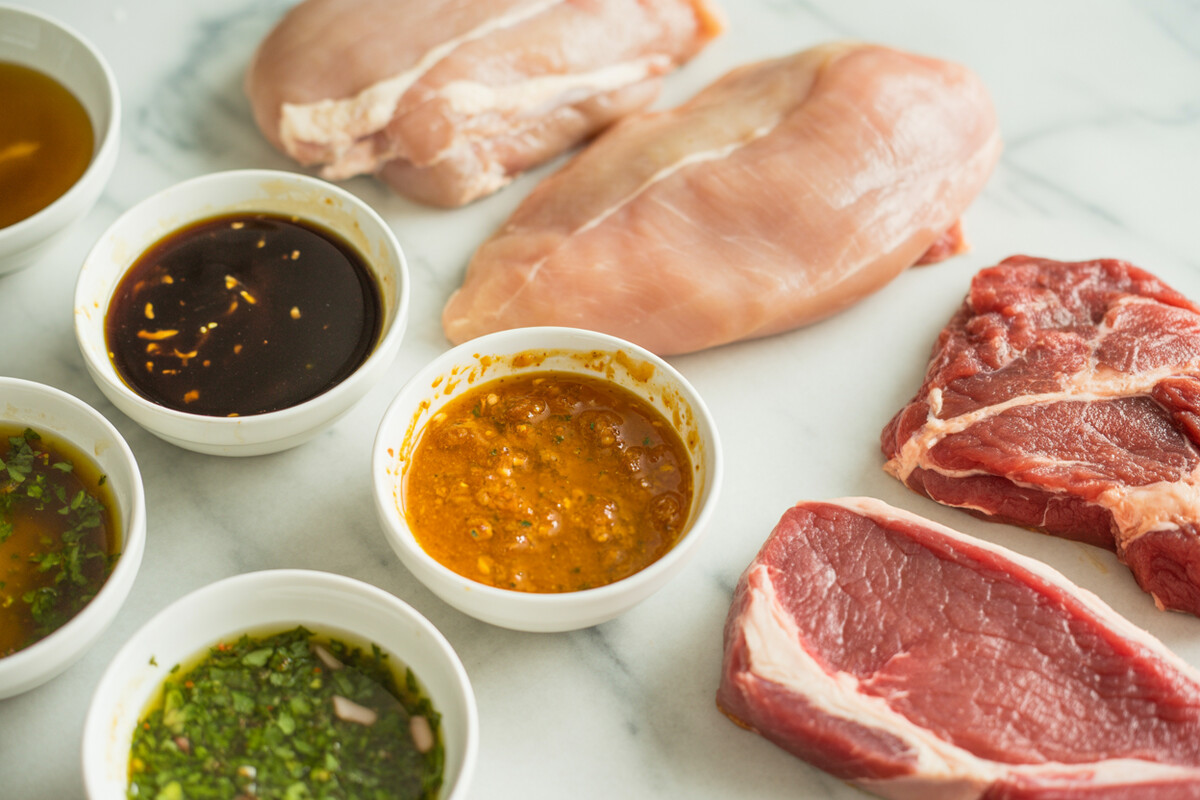
10-Minute Marinades: Quick Sauces to Instantly Upgrade Any Protein
Discover fast, flavor-packed marinades you can whip up in 10 minutes to transform chicken, beef, fish, or tofu. Easy recipes, bold results!
Tahini Sauce vs. Hummus: Differences, Uses, and When to Choose Each
Compare tahini sauce and hummus: key ingredients, texture, flavor, and best uses. Learn when to use each Middle Eastern classic in your cooking.
Best Sauces for Grilled Vegetables: 10 Pairings That Add Bold Flavor
Discover 10 delicious sauces that perfectly complement grilled vegetables. Elevate your summer grilling with these easy, flavor-packed pairings and recipes.
How to Thicken Sauces Naturally (7 Methods)
Discover 7 natural ways to thicken sauces without cornstarch! From reduction to roux, learn the best methods for every sauce type. No more watery sauces!