Mayo vs. Yogurt Sauces: Which Base Should You Use?
A practical comparison of mayo-based and yogurt-based sauces - when to use each, how they differ in taste and texture, and which recipes work best with each base.
Written by FoodieManiac
With over 8 years of sauce-making experience, I've tested hundreds of techniques and products to bring you practical, reliable advice. Learn more about me →
The Great Sauce Base Debate
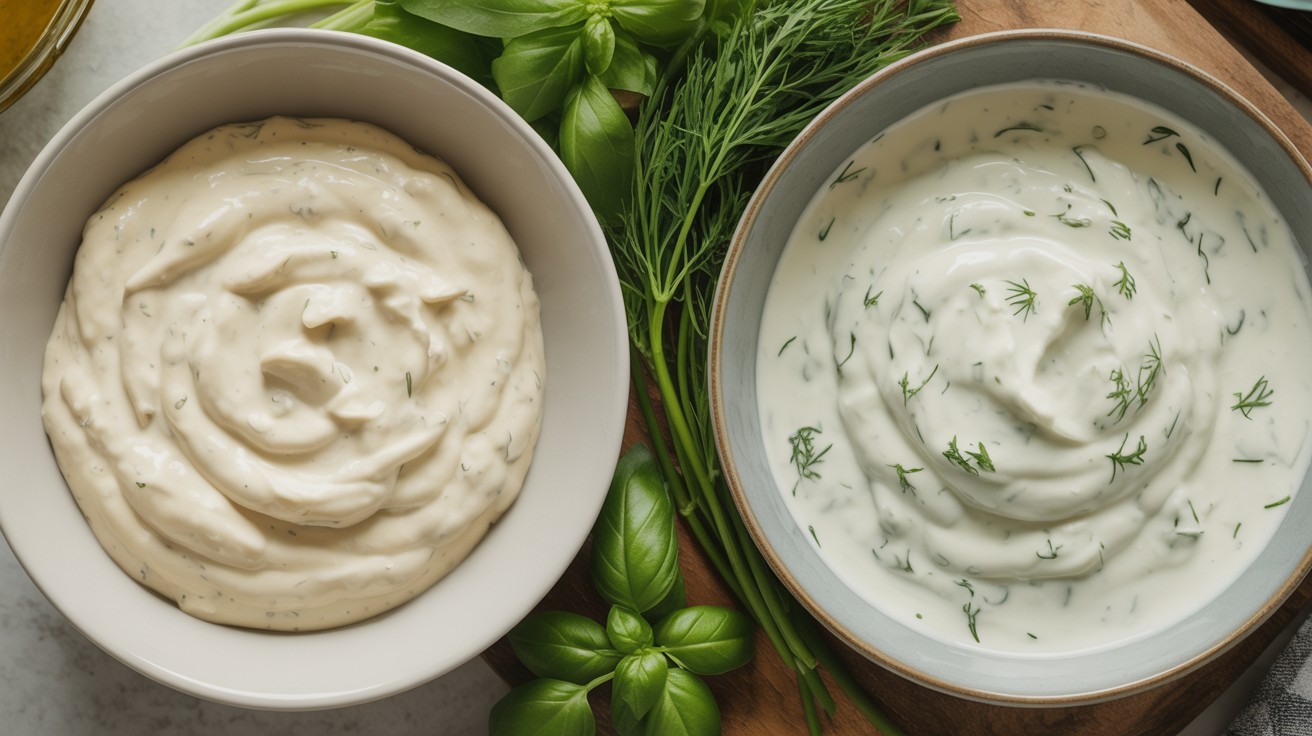
Walk into any kitchen and you will find two white, creamy ingredients fighting for dominance as the base of nearly every cold sauce: mayonnaise and yogurt. Both create rich, dippable sauces. Both carry other flavors well. But they behave very differently in a finished sauce, and choosing the wrong one can leave your dish too heavy, too thin, or too tangy. This guide breaks down the practical differences between mayo-based and yogurt-based sauces so you can make the right call every time - whether you are building a dipping sauce for fried chicken, a dressing for a summer salad, or a spread for a sandwich.Flavor and Texture Differences
Mayonnaise: Rich, Neutral, and Thick
Mayo is an emulsion of oil, egg yolks, and acid (vinegar or lemon juice). Its flavor is deliberately mild - slightly tangy, mostly rich. That neutrality is its superpower: mayo lets other ingredients shine. When you taste our Copycat Chick-fil-A Sauce, you taste the honey, mustard, and barbecue flavors, not the mayo holding them together. Texturally, mayo is thick, creamy, and clings to food. It does not weep or separate at room temperature, making it ideal for dipping sauces that sit out during a party or cookout.Yogurt: Tangy, Light, and Refreshing
Yogurt (especially Greek yogurt) brings its own distinct tang from lactic acid fermentation. This tanginess can be an asset - in our Greek Tzatziki, the yogurt's sourness is essential to the sauce's identity. But it can also compete with delicate flavors if you are not careful. Yogurt-based sauces are noticeably lighter and thinner than mayo-based ones. They feel refreshing rather than rich, which makes them better suited to hot weather, grilled meats, and Mediterranean or Middle Eastern cuisines.When to Use Mayo as Your Base
Choose mayo when you need: Stability: Mayo-based sauces hold up for hours at room temperature without separating. This makes them ideal for cookout dips, sandwich spreads, and buffet situations. Our Copycat Raising Cane's Sauce and Big Mac Sauce both rely on mayo for this reason. Richness and cling: Mayo coats food and sticks. When you dip a fry into our Sriracha Mayo, the sauce clings to the fry rather than dripping off. Yogurt would slide right off. Neutral flavor carrying: When the other ingredients are the star - like smoky chipotle, tangy pickles, or sharp mustard - mayo stays out of the way and lets them shine. Our ShackSauce is a perfect example. Fried food pairings: The richness of mayo matches the richness of fried food. It sounds counterintuitive, but fat-on-fat works because the acid in the mayo (vinegar or lemon) provides the contrast. That is why ranch, aioli, and special sauces dominate the fried food world.When to Use Yogurt as Your Base
Choose yogurt when you need: Cooling contrast: Yogurt-based sauces are the natural partner for spicy, charred, or heavily seasoned food. The cool tang of tzatziki against a spicy lamb kebab or blackened fish is a classic pairing. Our Greek Tzatziki was literally designed for this purpose. Lighter calorie profile: Greek yogurt has roughly 60% fewer calories and 80% less fat than mayo. If you are watching macros, yogurt-based sauces give you creaminess without the caloric density. You can substitute yogurt into many mayo-based recipes - just expect a tangier, thinner result. Middle Eastern and Mediterranean dishes: Yogurt is the traditional base in these cuisines. Using mayo in a tzatziki or a raita would taste wrong because the tang is part of the dish's identity. Our Chermoula pairs beautifully with a yogurt drizzle on the side. Marinades: Yogurt's lactic acid tenderizes meat, making it excellent as a marinade base. Mayo cannot do this. Yogurt-marinated chicken (like tandoori) develops a tender, juicy texture that mayo marinades cannot replicate.Can You Swap One for the Other?
Sometimes, with adjustments: Mayo → Yogurt: Use thick Greek yogurt (not regular). Add a pinch of sugar to offset the extra tang. Expect a thinner sauce - you may need to reduce other liquid ingredients. This swap works well in dressings like our Ranch Dressing if you want a lighter version. Yogurt → Mayo: The sauce will be richer, thicker, and less tangy. Add extra lemon juice or vinegar to compensate for the lost tang. This works in dips but tastes wrong in dishes where yogurt tang is essential (tzatziki, raita). The 50/50 blend: For the best of both worlds, try half mayo and half Greek yogurt. You get creaminess and cling from the mayo with brightness and lightness from the yogurt. This is an excellent base for a custom burger sauce or chicken dip. For more on building balanced sauces from any base, read our guide on balancing acid, fat, sugar, and salt.TAGS
Try These Recipes
Related Articles
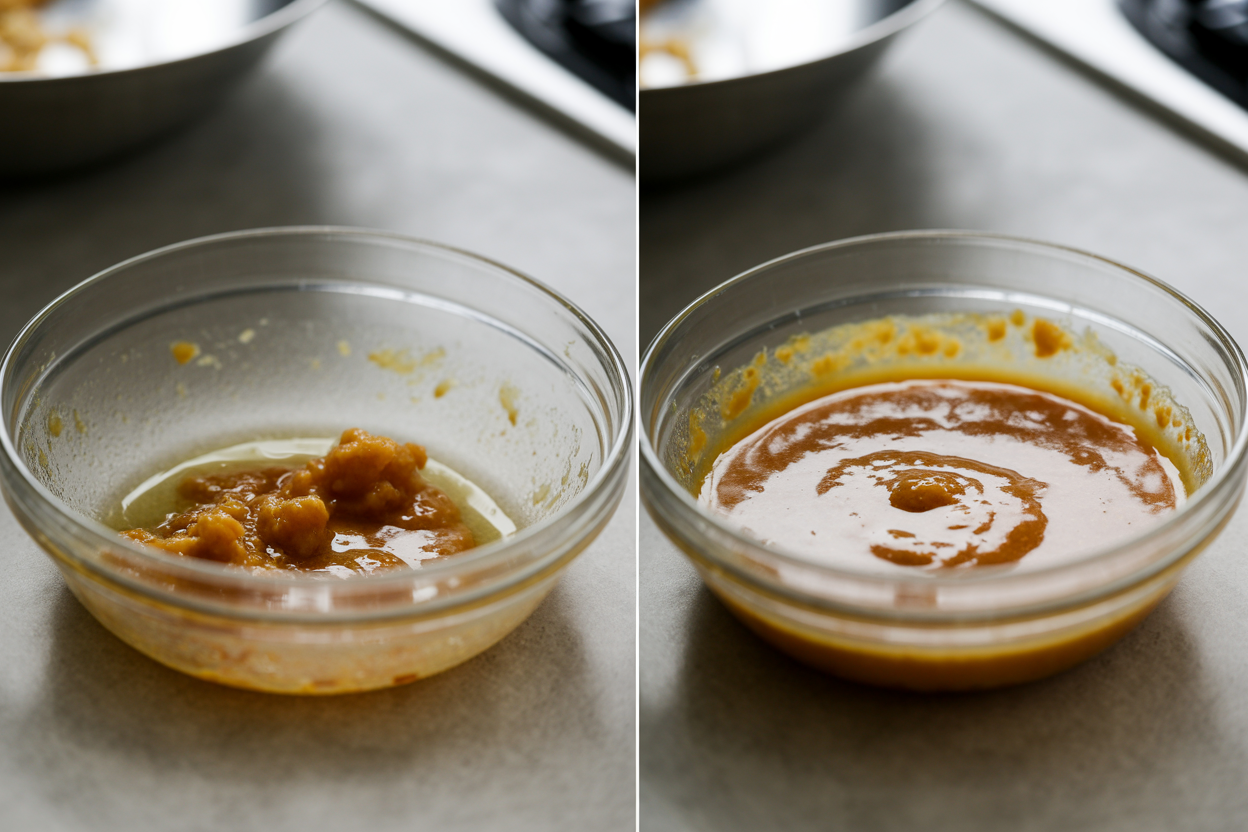
How to Fix a Broken Sauce (Complete Guide)
Learn how to rescue broken, split, or curdled sauces! This comprehensive guide covers mayo-based, cream sauces, hollandaise, and more. Save your sauces from disaster with these expert techniques.
How to Thicken Sauces Naturally (7 Methods)
Discover 7 natural ways to thicken sauces without cornstarch! From reduction to roux, learn the best methods for every sauce type. No more watery sauces!
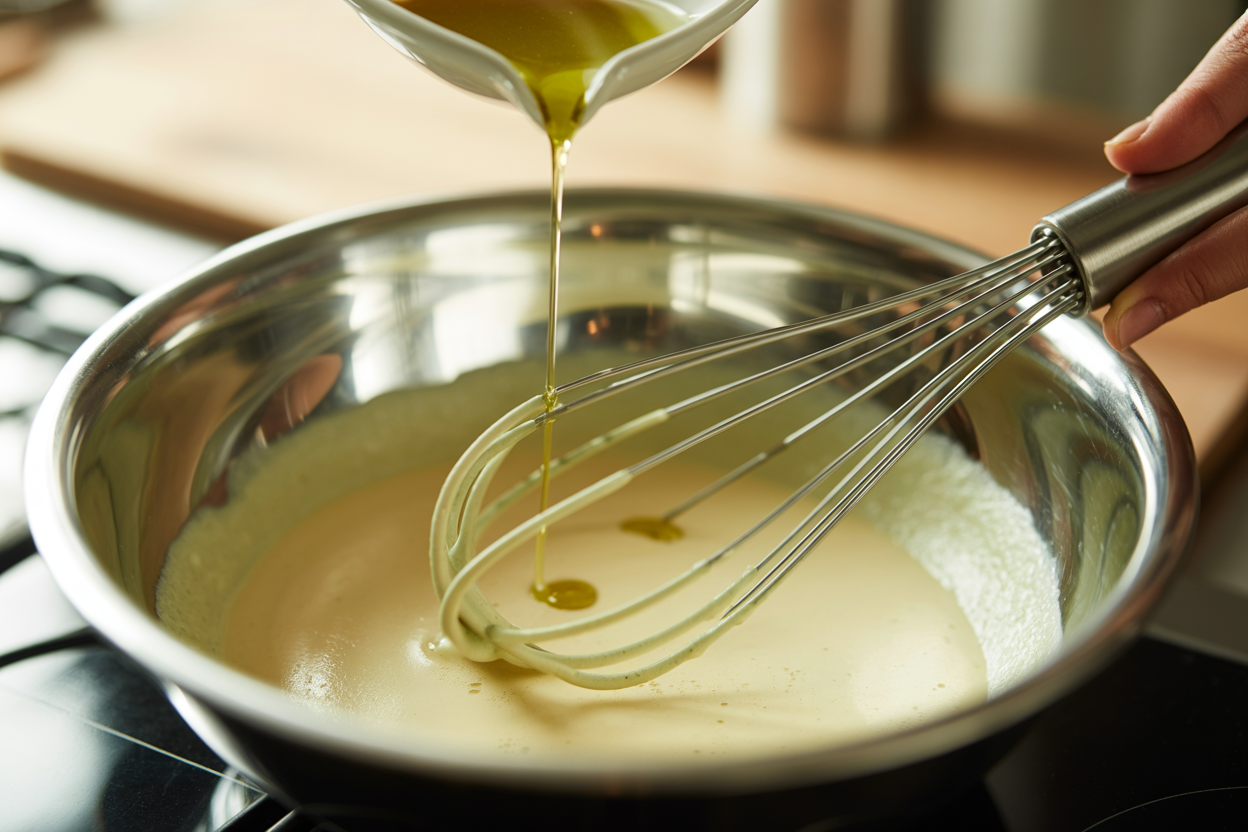
The Science Behind Emulsification (Explained Simply)
What actually happens when oil and water mix in a sauce, why it usually fails, and the handful of kitchen ingredients that make it work. No chemistry degree required.
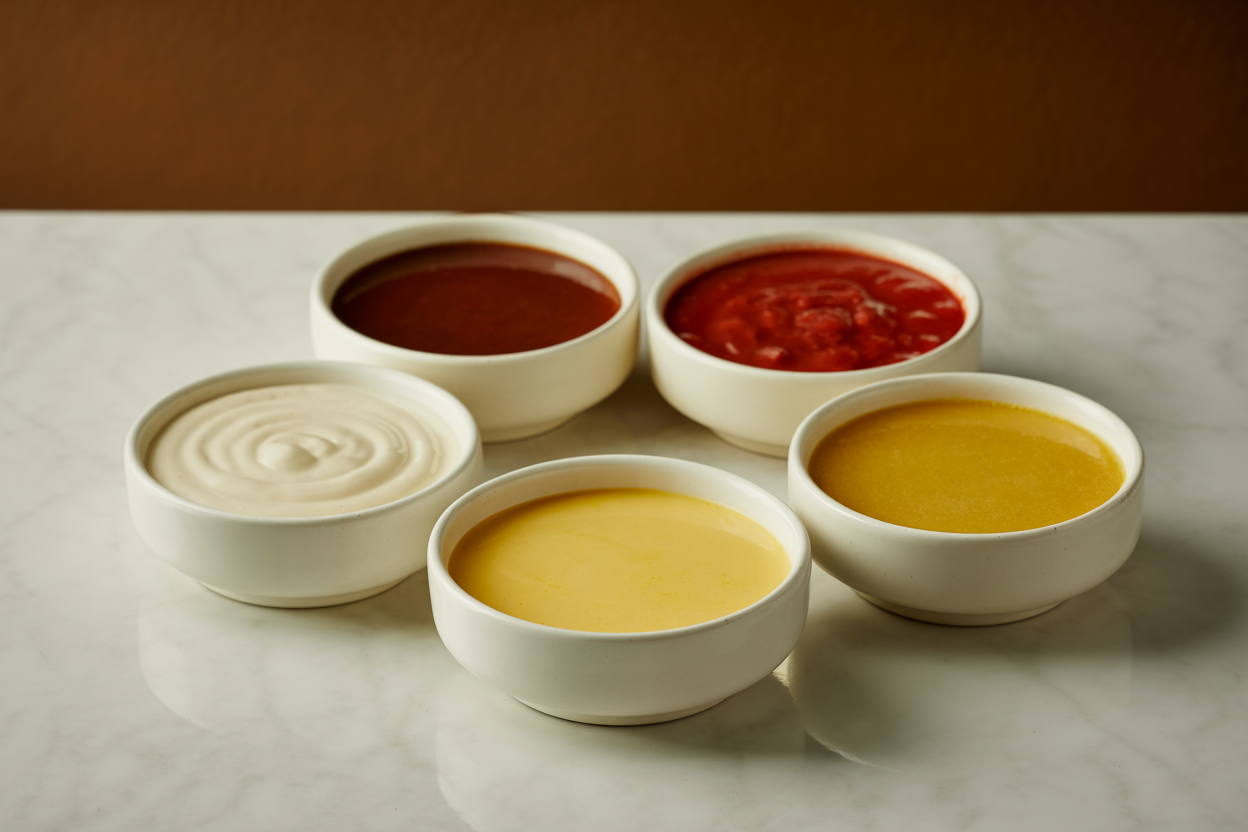
The 5 Mother Sauces Every Home Cook Should Know (And Actually Use)
A practical guide to the five French mother sauces - béchamel, velouté, espagnole, hollandaise, and tomato - and how they connect to the sauces you already make at home.