Back to Blog
Technique Guide

10 Pantry Sauces for Beginners (No Special Ingredients)

Master 10 essential sauces using only pantry staples! Perfect for beginners - no special ingredients or equipment needed. Build your sauce-making confidence!
8 min read
Easy
10 Pantry Sauces for Beginners (No Special Ingredients)

Written by FoodieManiac

With over 8 years of sauce-making experience, I've tested hundreds of techniques and products to bring you practical, reliable advice. Learn more about me →

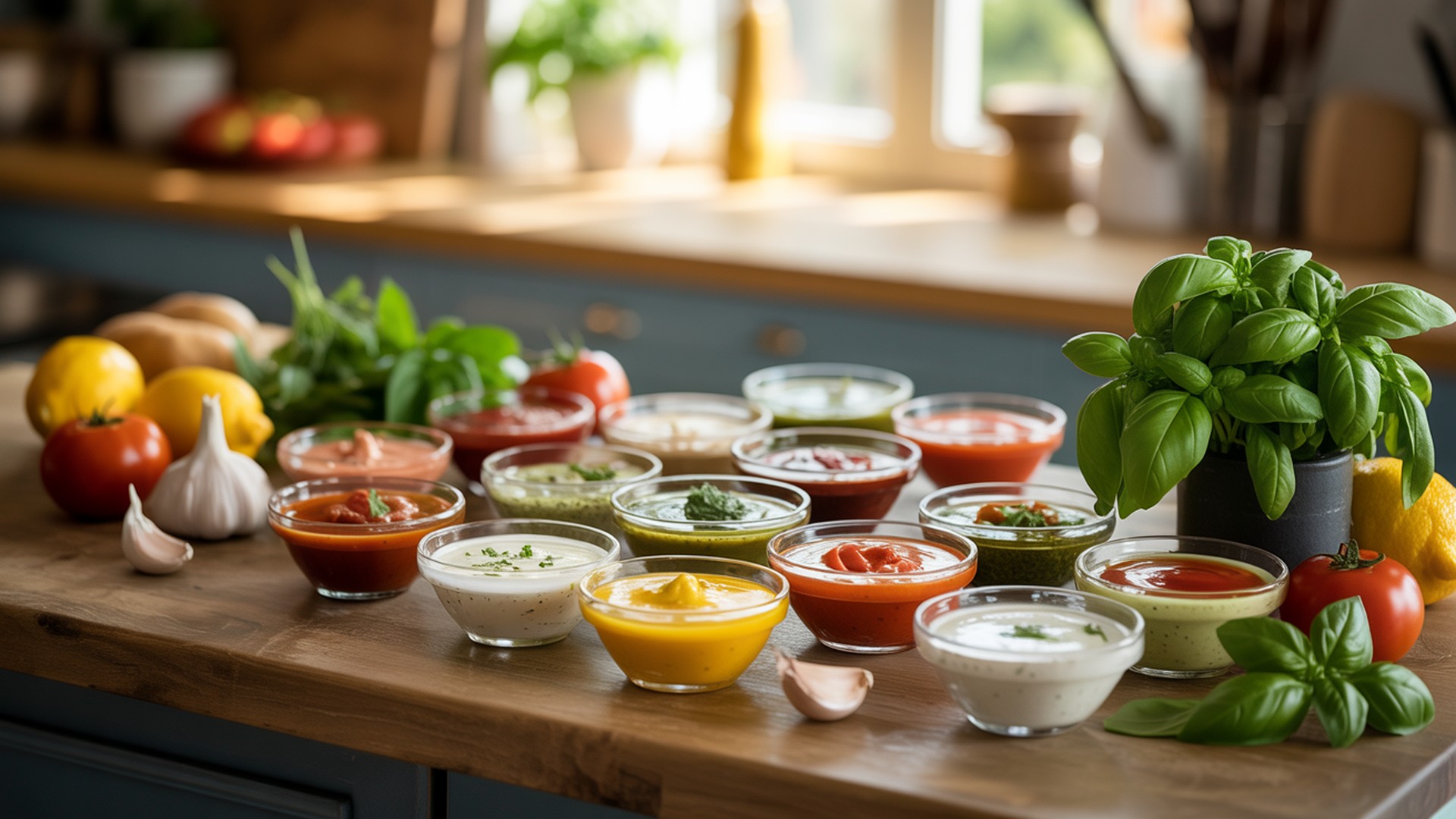
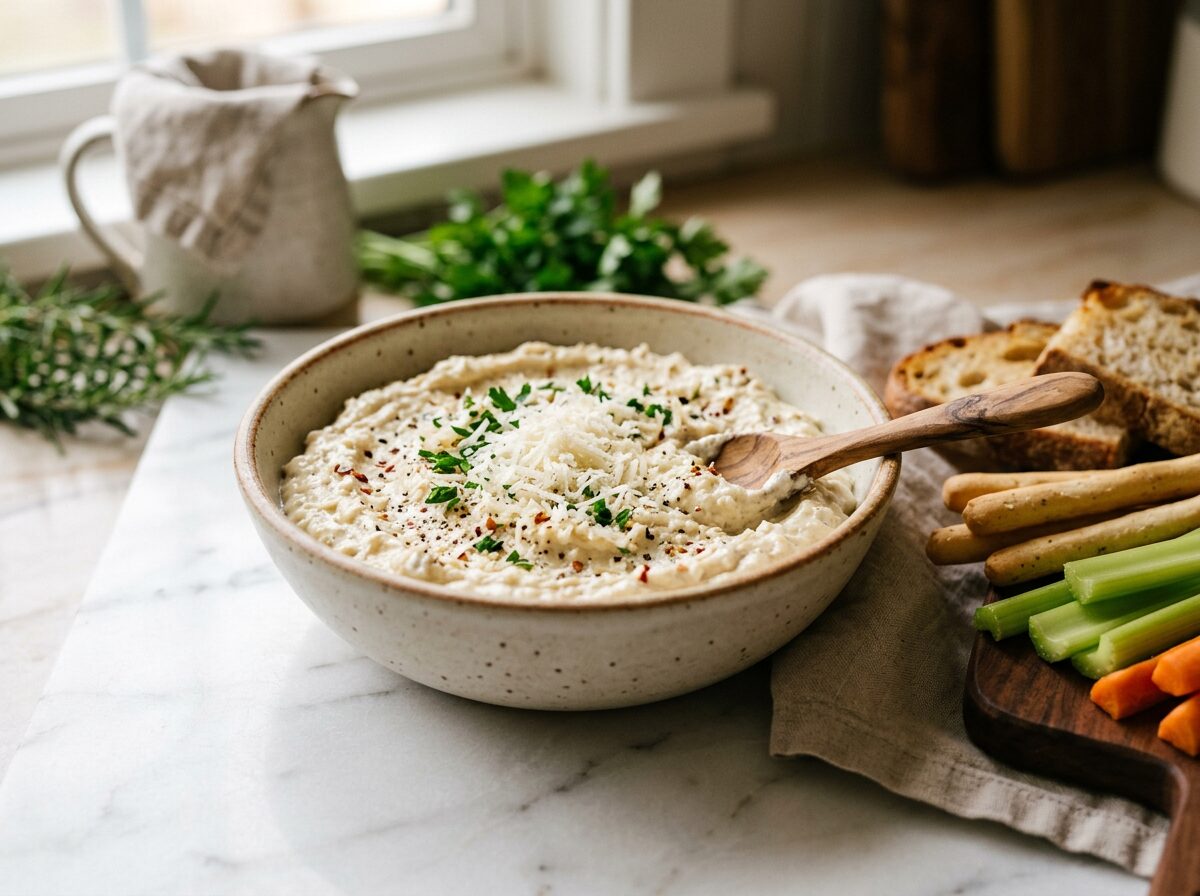
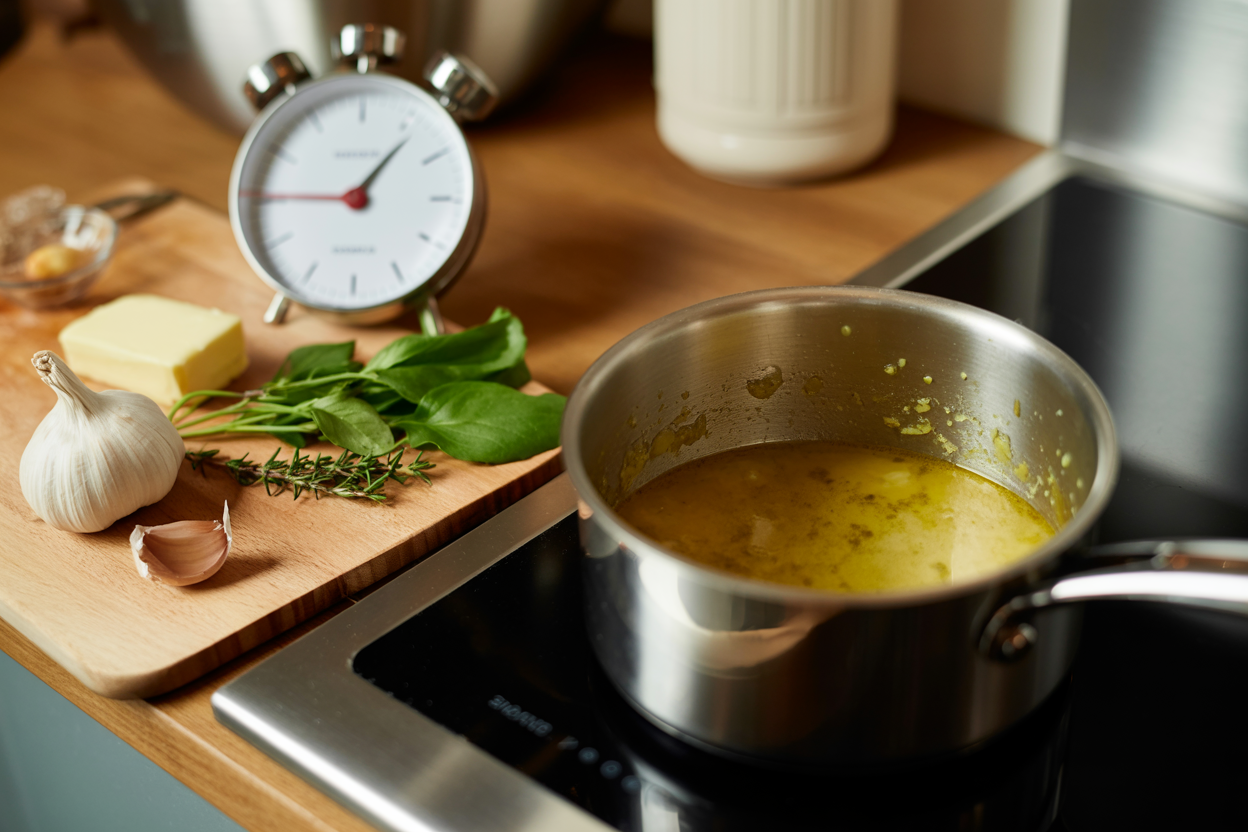
Are you ready to elevate your culinary game without breaking the bank or needing a trip to the specialty store? Making sauces at home can transform your dishes from ordinary to extraordinary, and the best part is that you can do it all with pantry staples that you likely already have on hand. Whether you're drizzling over a fresh salad, enhancing a simple pasta, or glazing your favorite protein, there's a sauce for every occasion. In this guide, we’ll explore ten easy sauces that will help you build confidence in the kitchen, impress your family and friends, and most importantly, add flavor to your meals without the fuss. Let’s dive in! Simple Garlic Butter is one of the easiest sauces to whip up and can elevate a variety of dishes. Start by melting 1/2 cup of unsalted butter in a saucepan over low heat. Once melted, add in 3 minced garlic cloves and a pinch of salt, stirring until the garlic is fragrant but not browned. Finish with a sprinkle of fresh parsley for color and freshness. This sauce is perfect for tossing with pasta, drizzling over grilled vegetables, or spreading on crusty bread as a delightful accompaniment to any meal. If you want to switch it up, consider adding a squeeze of lemon juice or some grated Parmesan cheese for an added flavor boost. Next up is the Basic Tomato Sauce, a staple that’s a must in every cook's toolkit. Start by heating a few tablespoons of olive oil in a saucepan and sautéing some chopped garlic until it’s soft and aromatic. Then, add in a can of crushed tomatoes, seasoned with salt, pepper, and dried basil to taste. Let this simmer on low heat for about 15 minutes to allow the flavors to meld together. This sauce is fantastic for a classic pasta dish, but it can also serve as a base for things like pizza or even a hearty stew. For a twist, add some red pepper flakes for heat or a splash of red wine for depth. If you’re looking for something a bit sweeter, the Honey Garlic Glaze is a winner. Combine 1/4 cup of honey with 3 tablespoons of soy sauce and 2 minced garlic cloves in a small saucepan. Heat this mixture over medium heat, stirring until it thickens slightly. This glaze works wonders on chicken, salmon, or even drizzled over roasted vegetables. For an extra zing, add a splash of apple cider vinegar or a pinch of ginger. Lemon Butter Sauce is another simple yet effective sauce that can enhance many dishes. Melt some butter in a pan, and once it’s fully melted, add fresh lemon juice and zest, along with salt and pepper to taste. This sauce is divine over grilled fish or asparagus, providing a bright and zesty finish that perfectly complements the flavors of the main ingredient. Try experimenting by adding fresh herbs like dill or thyme to the mix for additional complexity and freshness. Don’t forget about Teriyaki Sauce, which can easily be made at home. In a bowl, mix 1/4 cup of soy sauce with 2 tablespoons of brown sugar, 1 tablespoon of rice vinegar, and 1 teaspoon of cornstarch mixed with a little water. Heat this mixture until it starts to thicken. This sauce is a fantastic marinade for beef, chicken, or even tofu, and it's also great as a dipping sauce. To make it more authentic, consider adding sesame seeds or sliced green onions when serving. For those comforting meals, a Simple Brown Gravy is essential. Start by making a roux: melt 1/4 cup of butter in a saucepan and whisk in 1/4 cup of all-purpose flour until smooth and golden. Gradually whisk in 2 cups of beef broth, cooking until the gravy thickens to your liking. Season with salt, pepper, and a touch of onion powder for added flavor. This gravy is perfect over mashed potatoes, meatloaf, or even a Thanksgiving turkey. If you love a good dip or spread, then the Garlic Aioli is your go-to. In a bowl, mix together 1 cup of mayonnaise, 1-2 minced garlic cloves (depending on your love of garlic!), a squeeze of lemon juice, and a pinch of salt. This creamy sauce can elevate sandwiches, burgers, or even be served as a dip for fresh vegetables. Add herbs or spices to customize it to your taste; a bit of smoked paprika can bring an exciting depth. A delightful Balsamic Glaze can be made by simmering balsamic vinegar with brown sugar over medium heat until it reduces by half, resulting in a thick and syrupy glaze. This is a fantastic topping for salads, grilled meats, or even drizzled over fresh strawberries for a decadent dessert. Consider adding a touch of mustard or garlic for a twist on this classic. If you enjoy Asian flavors, try making a Simple Peanut Sauce. In a bowl, mix together 1/4 cup of peanut butter, 2 tablespoons of soy sauce, 1 tablespoon of honey, and a splash of rice vinegar. If the sauce is too thick, thin it out with a little water until you reach your desired consistency. This sauce is perfect for noodles, as a salad dressing, or even as a dip for spring rolls. Customize it with lime juice or chili paste for a little heat. Last but not least, Herb Oil is a fantastic way to capture the flavor of fresh herbs. Blend together olive oil with fresh herbs like basil or parsley, a clove of garlic, and a pinch of salt until smooth. This oil can be drizzled over grilled meats, roasted vegetables, or fresh salads to instantly enhance your dish. With these ten simple sauces in your repertoire, you can turn even the simplest ingredients into culinary masterpieces. Don’t be afraid to experiment and adjust these recipes to suit your tastes. Each sauce is not just a recipe but an opportunity to express your creativity and flavor preferences. As you gain experience, you’ll become more comfortable with improvising, and soon you’ll be creating your own signature sauces! So roll up your sleeves, get into the kitchen, and start your sauce-making adventure today!

Common Mistakes to Avoid

One of the most common mistakes beginners make when creating sauces is not properly seasoning. Always taste as you go! Adding salt at the beginning can help bring out the flavors, but be cautious not to over-salt if other salty ingredients are involved, like soy sauce. Another mistake is rushing the cooking process. Many sauces benefit from a gentle simmer to allow flavors to meld. Take your time! Additionally, don’t forget about acidity; a little splash of vinegar or lemon juice can brighten and balance flavors beautifully. Lastly, ensure you’re using fresh ingredients, particularly herbs and garlic, as the quality will significantly impact the sauce's taste. When in doubt, refer to the recipe, but don’t be afraid to adjust based on your palate.

Pro Tips from Experience

One of the best tips I can offer is to keep a well-stocked pantry with the essentials. Having a variety of oils, vinegars, and spices at your fingertips will make it easier to experiment with different flavors. When making sauces, consider batch-making and storing them in the fridge. Most sauces can last up to a week, saving you time on busy nights. Additionally, use high-quality ingredients; for instance, good olive oil can elevate a simple garlic sauce tremendously. When making sauces that require reduction, ensure you keep an eye on the heat; too high can lead to burning, while too low can take forever! Lastly, don’t hesitate to get creative; mix different sauces together to invent new flavors or use them as a base for marinades.

Related Techniques to Explore

Once you’re comfortable with these ten sauces, you might want to explore other cooking techniques that will further enhance your skills. For instance, learn about emulsion techniques, such as making vinaigrettes or hollandaise sauce, which involves combining oil and vinegar or egg yolks to create a thickened sauce. Understanding how to deglaze a pan after searing meat can also unlock new flavors – simply add a splash of wine or broth to the hot pan and scrape up the browned bits. Experimenting with reductions, where you simmer a liquid until it thickens and intensifies in flavor, can take your sauces to the next level. Lastly, consider blending techniques that incorporate nuts or produce into smooth dressings or sauces, which can add creaminess without dairy.

Frequently Asked Questions

If you're new to sauce-making, you might have some questions. One common inquiry is about storage; most homemade sauces can be stored in airtight containers in the fridge for up to a week. For longer storage, many sauces can be frozen in small portions. Another question involves substitutions; if you run out of an ingredient, such as vinegar, you can often substitute with lemon juice or another type of vinegar. Regarding thickness, if your sauce is too thin, consider adding a slurry of cornstarch and water or letting it simmer longer to reduce. To add finesse, think about garnishments; fresh herbs, toasted nuts, or a sprinkle of cheese can elevate the presentation and flavor. Finally, remember that practice makes perfect; don’t be discouraged if your first few attempts aren’t perfect – keep trying!

Equipment Mentioned

SaucepanWhiskMixing bowlsBlender (for herb oil)

TAGS

#beginner#pantry#easy#quick

Ready to Cook?

Explore our collection of delicious sauce recipes!

Browse Recipes