How to Make Romesco Sauce: Spain's Bold, Nutty Condiment Explained
Learn to make authentic Spanish romesco sauce at home. Step-by-step recipe, tips, and pairing ideas for this smoky, nutty, and versatile condiment.
Written by FoodieManiac
With over 8 years of sauce-making experience, I've tested hundreds of techniques and products to bring you practical, reliable advice. Learn more about me →
What Is Romesco Sauce?
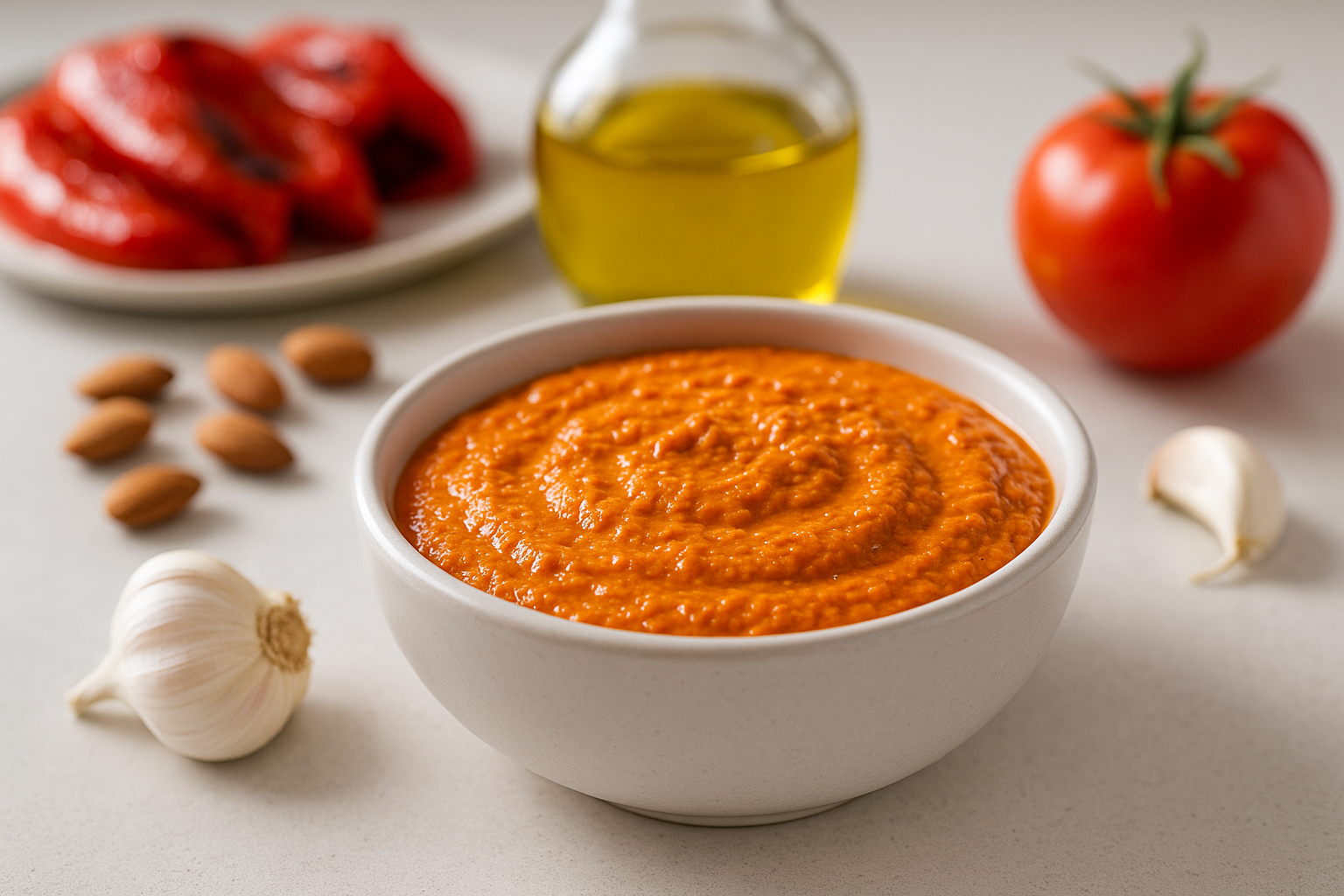
Romesco sauce is a bold, vibrant Spanish condiment that originated in Tarragona, Catalonia. Traditionally served with grilled vegetables, seafood, and meats, it’s an emulsified blend of roasted red peppers, tomatoes, garlic, toasted nuts (usually almonds or hazelnuts), olive oil, stale bread, vinegar, and smoky paprika. The result is a thick, nutty, tangy, and slightly spicy sauce that adds depth to almost any dish. Unlike thinner sauces such as Authentic Mexican Salsa Roja or Authentic Japanese Teriyaki Sauce, Romesco is defined by its texture and richness, making it a uniquely versatile addition to your sauce repertoire.
Essential Romesco Sauce Ingredients
For authentic flavor and texture, use the following ingredients (quantities yield about 2 cups):
- 2 large red bell peppers (about 350g)
- 1 medium tomato (about 120g)
- 3 garlic cloves, unpeeled
- 1/3 cup (40g) raw almonds or hazelnuts
- 1/4 cup (20g) crusty stale bread, torn into pieces
- 1/2 cup (120ml) extra-virgin olive oil
- 2 tablespoons (30ml) sherry vinegar or red wine vinegar
- 1 teaspoon smoked paprika (pimentón de la Vera, dulce or picante)
- 1/2 teaspoon kosher salt, or more to taste
- Optional: 1-2 dried ñora or ancho chiles, soaked and deseeded
If you’re exploring other nut-based sauces, compare with our Easy Thai Peanut Sauce Recipe and Authentic Argentine Chimichurri Sauce Recipe for insight into regional nuances.
Step-By-Step: How to Make Romesco Sauce
1. Roast the Vegetables
Preheat your oven to 425°F (220°C). Place the whole red peppers, tomato, and unpeeled garlic cloves on a baking sheet. Roast for 30-35 minutes, turning the peppers once or twice, until the skins are blackened and blistered, and the tomato is collapsing. Remove from the oven and transfer peppers and tomato to a bowl. Cover tightly with plastic wrap or a lid to steam for 10 minutes - this loosens the skins for easy peeling. Peel the skins off the tomato and peppers, remove the pepper stems and seeds, and squeeze the garlic from its skins.
Tip: Roasting at high heat caramelizes sugars and intensifies flavor. For grilling, char the peppers and tomato directly over the flames for smoky depth.
2. Toast the Nuts and Bread
While the vegetables cool, heat a dry skillet over medium heat. Add the almonds (or hazelnuts) and toast for 3-5 minutes, stirring constantly, until golden and fragrant - watch closely to prevent burning. Remove nuts and add the bread; toast for 1-2 minutes per side until crisp and dry. Let cool slightly.
Tip: Toasting the nuts enhances their nutty aroma and the bread helps thicken and stabilize the finished sauce, similar to the role of starchy ingredients in classic emulsions. For more on emulsification, see The Science of Emulsification: Why Some Sauces Come Together and Others Fall Apart.
3. Blend and Emulsify
In a food processor or high-powered blender, combine the peeled peppers, tomato, squeezed roasted garlic, toasted nuts, bread, vinegar, smoked paprika, and salt. Pulse until a rough paste forms. With the machine running, slowly drizzle in the olive oil. Blend for at least 30 seconds until the sauce is creamy but retains some texture - Romesco should be thick and slightly coarse, not a perfectly smooth purée.
Tip: Add the olive oil gradually to ensure proper emulsification. If the sauce looks oily or separated, keep blending or add a splash of water or vinegar to bring it back together. For more troubleshooting, see How to Fix a Broken Sauce (Complete Guide).
4. Adjust Seasoning and Consistency
Taste the sauce. Add salt or vinegar as needed to balance the flavors. If the sauce is too thick, add 1-2 tablespoons water or more olive oil. If it’s too thin, pulse in extra toasted bread. The finished sauce should be thick enough to spoon, but loose enough to spread.
Storage: Romesco keeps up to 5 days refrigerated in an airtight container. For longer storage, freeze in small portions for up to 2 months. For best practices, see How to Store Homemade Sauces (Complete Guide).
Key Techniques for Romesco Success
- Use high-quality olive oil. The oil is a major flavor component - choose extra-virgin for best results.
- Don’t skip toasting the nuts and bread. This step is essential for depth and richness.
- Balance acidity and sweetness. The right amount of vinegar brings the sauce to life; adjust to taste.
- Embrace texture. Traditional Romesco is rustic and textured, not a silky purée.
- Optional dried peppers. Ñora or ancho chiles add authentic flavor. Soak in hot water for 20-30 minutes, then scrape out the flesh and add to the blender.
If you love learning the “why” behind sauce techniques, check out Acid, Fat, Sugar, Salt: How to Balance Flavors in Any Homemade Sauce.
How to Serve Romesco Sauce
Romesco is extraordinarily versatile. Here’s how to use it:
- With grilled vegetables: Classic with calçots (Catalan green onions), asparagus, zucchini, or eggplant.
- With seafood: Pairs beautifully with shrimp, scallops, or grilled fish. For more seafood sauce ideas, see Best Sauces for Seafood: 14 Recipes for Fish, Shrimp, and More.
- With chicken or steak: Use as a finishing sauce for grilled or roasted meats. Try alongside Memphis-Style BBQ Sauce or Texas BBQ Sauce for a flavor comparison.
- As a dip: Serve with crusty bread, roasted potatoes, or as part of a tapas spread.
- On sandwiches: Spread on toasted bread with roasted vegetables or cured meats.
Romesco’s nutty richness complements both mild and robust flavors, making it a great alternative to creamy sauces like Best Caesar Dressing Recipe (Restaurant Style) and Homemade French Onion Dip Recipe.
Expert Tips for the Best Romesco
- Control the heat: If you want a spicier sauce, add a pinch of cayenne or use hot smoked paprika.
- Don’t overblend: For authentic texture, stop blending before the sauce is completely smooth.
- Try different nuts: Almonds are classic, but hazelnuts or even walnuts work well (just toast them first).
- Use quality vinegar: Sherry vinegar is traditional, but red wine vinegar is a good substitute.
- Make it vegan: Romesco is naturally vegan - no need for substitutions.
- Double the batch: The sauce stores well and is perfect for meal prep.
Troubleshooting Romesco Sauce
- Sauce is too thick: Whisk in water, a tablespoon at a time, until desired consistency is reached.
- Sauce is too thin: Pulse in more toasted bread or a handful of extra toasted nuts.
- Sauce tastes flat: Add a splash more vinegar and a pinch of salt to brighten the flavors.
- Sauce is oily or separated: Blend longer, or add a teaspoon of water and keep blending to re-emulsify.
Variations and Regional Twists
While the classic Catalan Romesco is made with red peppers and almonds, Spain’s diverse regions offer creative twists:
- Hazelnut Romesco: Especially popular near Reus, where hazelnuts are abundant.
- With dried chiles: Incorporate ñora or ancho chile flesh for earthy, slightly smoky depth.
- Herbaceous Romesco: Add a handful of fresh parsley or basil for brightness.
- Spicy Romesco: Increase smoked paprika or add a fresh chili for more heat.
Explore other bold sauces from around the world in our Global Sauce Traditions: A Tour of the World's Most Essential Condiments.
How Romesco Compares to Other Sauces
Romesco’s nut-thickened, emulsified texture is unique, but you’ll notice similar techniques in sauces like Easy Honey BBQ Glaze (where honey thickens and balances acidity) and Authentic Toum Recipe (Lebanese Garlic Sauce) (which uses garlic and oil to create an emulsion). If you want a richer, creamy sauce for pasta, try our Creamy Garlic Parmesan Sauce for Pasta.
For a full breakdown of homemade versus store-bought options, check Homemade vs. Store-Bought Sauces: Is It Worth Making Your Own?.
Tips for Scaling and Storing Romesco
- Double or triple the recipe for parties or meal prep. Romesco is excellent for entertaining and keeps well.
- Storage: Refrigerate up to 5 days, or freeze in small airtight containers for up to 2 months.
- Revive leftovers: Whisk in a splash of water or vinegar if the sauce thickens in the fridge.
- Use as a marinade: Thin with olive oil and toss with chicken or vegetables before grilling.
For more tips on sauce storage and longevity, read How to Store Homemade Sauces (Complete Guide).
Frequently Asked Questions
Can I make Romesco without bread?
Yes - simply omit the bread for a gluten-free sauce. The texture will be slightly thinner, but still delicious. Alternatively, use gluten-free bread or a small boiled potato as a thickener.
What if I don’t have smoked paprika?
You can substitute with sweet paprika and a pinch of ground cumin for a different but still flavorful profile. Smoked paprika is essential for the signature smoky note, so try to source it if possible.
Is Romesco spicy?
Classic Romesco is mildly smoky and tangy, not spicy. Add extra chili or hot smoked paprika if you prefer heat. For more on building heat in sauces, see Heat and Spice: A Complete Guide to Building Flavor in Hot Sauces.
What equipment do I need?
A food processor or blender is ideal for proper emulsification and texture. For a rustic, traditional approach, use a mortar and pestle, pounding the ingredients together in batches.
Conclusion: Master Bold Spanish Flavor at Home
Romesco sauce is a testament to the power of simple, quality ingredients and time-tested technique. By roasting, toasting, and carefully emulsifying, you create a sauce that elevates vegetables, seafood, and meats with nutty depth and tangy vibrancy. Use Romesco as a dip, spread, or marinade, and compare its technique and flavor to other global favorites like Authentic Thai Peanut Sauce Recipe and Homemade Harissa Paste Recipe. Mastering Romesco will expand your sauce-making skills and impress at any table. For more essential sauce techniques, visit 7 Quick Weeknight Sauces That Transform Simple Meals in Minutes and 10 Pantry Sauces for Beginners (No Special Ingredients).
TAGS
Try These Recipes
Related Articles
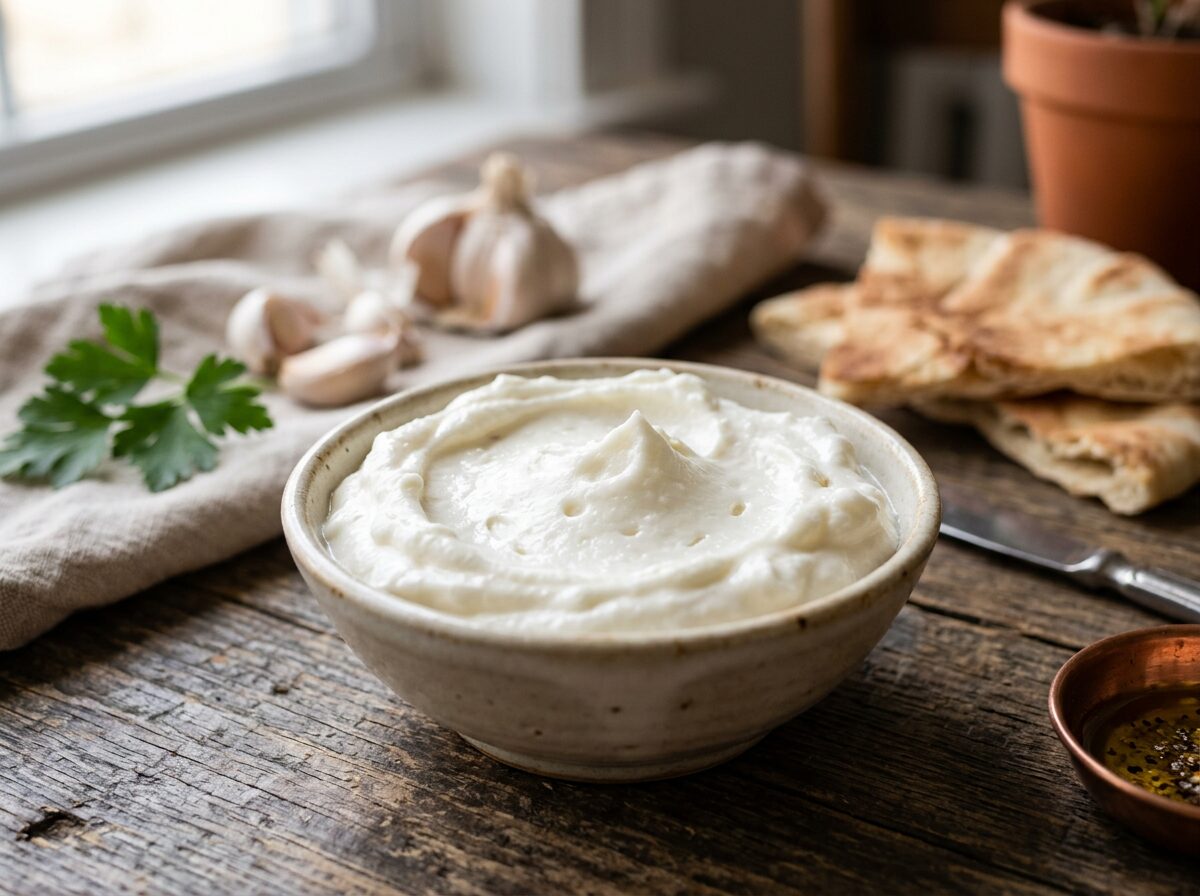
How to Make Toum: Lebanon’s Creamy Garlic Sauce for Grilled Meats
Learn to make authentic Lebanese toum sauce at home. This fluffy garlic condiment is perfect for grilled meats, shawarma, and roasted veggies.
How to Make Zhoug Sauce: Yemen’s Spicy, Herbaceous Green Condiment
Discover how to make authentic Zhoug sauce at home. This Yemeni green condiment adds bold, spicy flavor to meats, veggies, grains, and more.

How to Make Copycat Big Mac Sauce: The Classic Burger Condiment at Home
Master the iconic Big Mac sauce at home with this copycat recipe. Step-by-step instructions, tips, and perfect pairings for burgers and more.
How to Make Copycat Chick-fil-A Sauce at Home (Step-by-Step Recipe)
Recreate the iconic Chick-fil-A Sauce at home! This easy copycat recipe delivers that sweet, smoky, tangy flavor with common pantry ingredients.