Back to Blog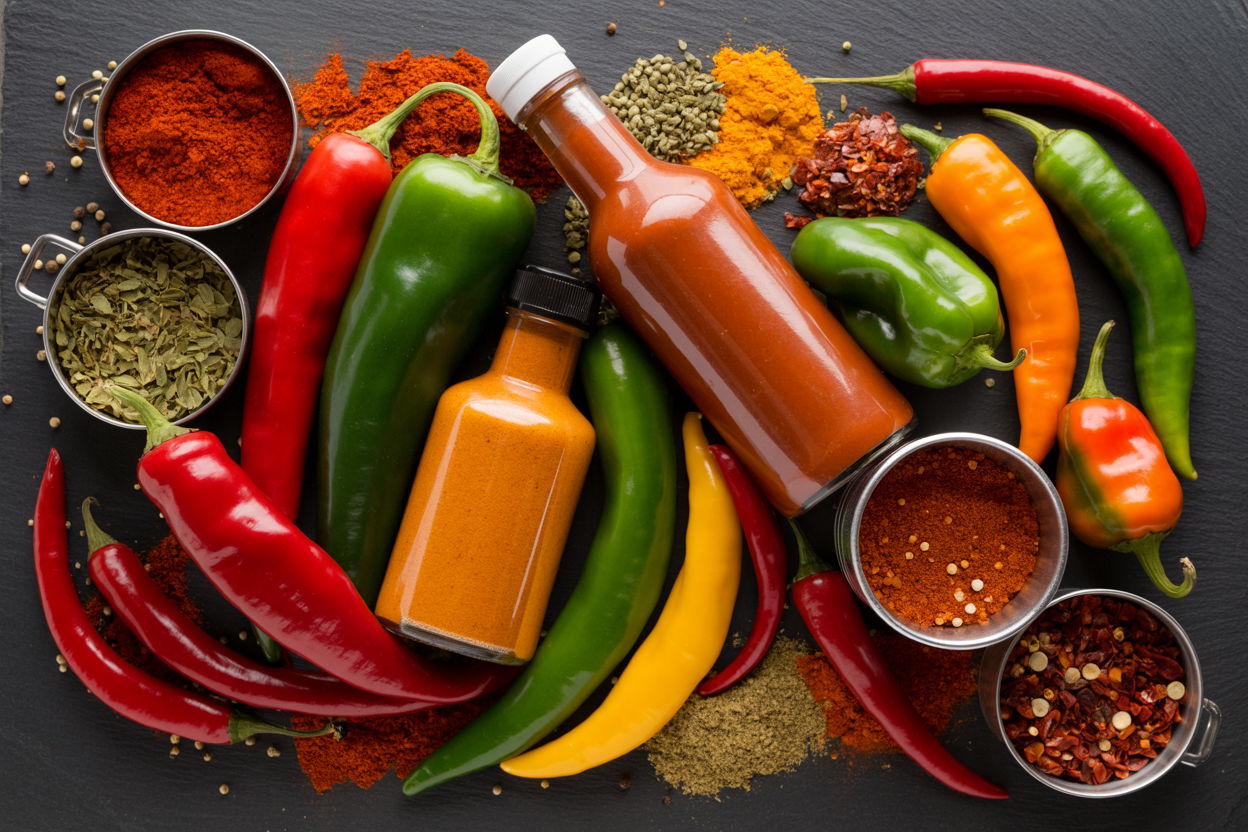
Technique Guide
Heat and Spice: A Complete Guide to Building Flavor in Hot Sauces
From mild warmth to face-melting heat, learn how capsaicin works, how to layer spice into sauces, and how to control heat levels without sacrificing flavor.
1 min read
Easy
Published March 21, 2026
Updated April 17, 2026
Written by FoodieManiac
With over 8 years of sauce-making experience, I've tested hundreds of techniques and products to bring you practical, reliable advice. Learn more about me →
How Capsaicin Creates the Sensation of Heat
Chili peppers do not actually burn you. Capsaicin, the compound responsible for the heat, tricks your nervous system into thinking your mouth is on fire by binding to TRPV1 receptors - the same receptors that detect actual thermal heat. Your brain responds with pain signals, sweating, and endorphin release (which is why spicy food can be addictive).
The Scoville scale measures capsaicin concentration. A bell pepper scores 0, jalapeños land around 2,500–8,000, habaneros hit 100,000–350,000, and the Carolina Reaper tops 2.2 million. But Scoville ratings only tell you about intensity - they say nothing about flavor.
This is the mistake most people make with spicy sauces: they chase heat without considering what the pepper actually tastes like. A chipotle (smoked jalapeño) brings deep, smoky sweetness. A Scotch bonnet adds tropical fruitiness. An ancho delivers earthy, raisin-like depth. Great hot sauces use peppers for their flavor first, heat second.
Layering Heat: The Three Stages
Professional sauce makers think about heat in three stages:
Stage 1: Base Heat (Cooked Spices)
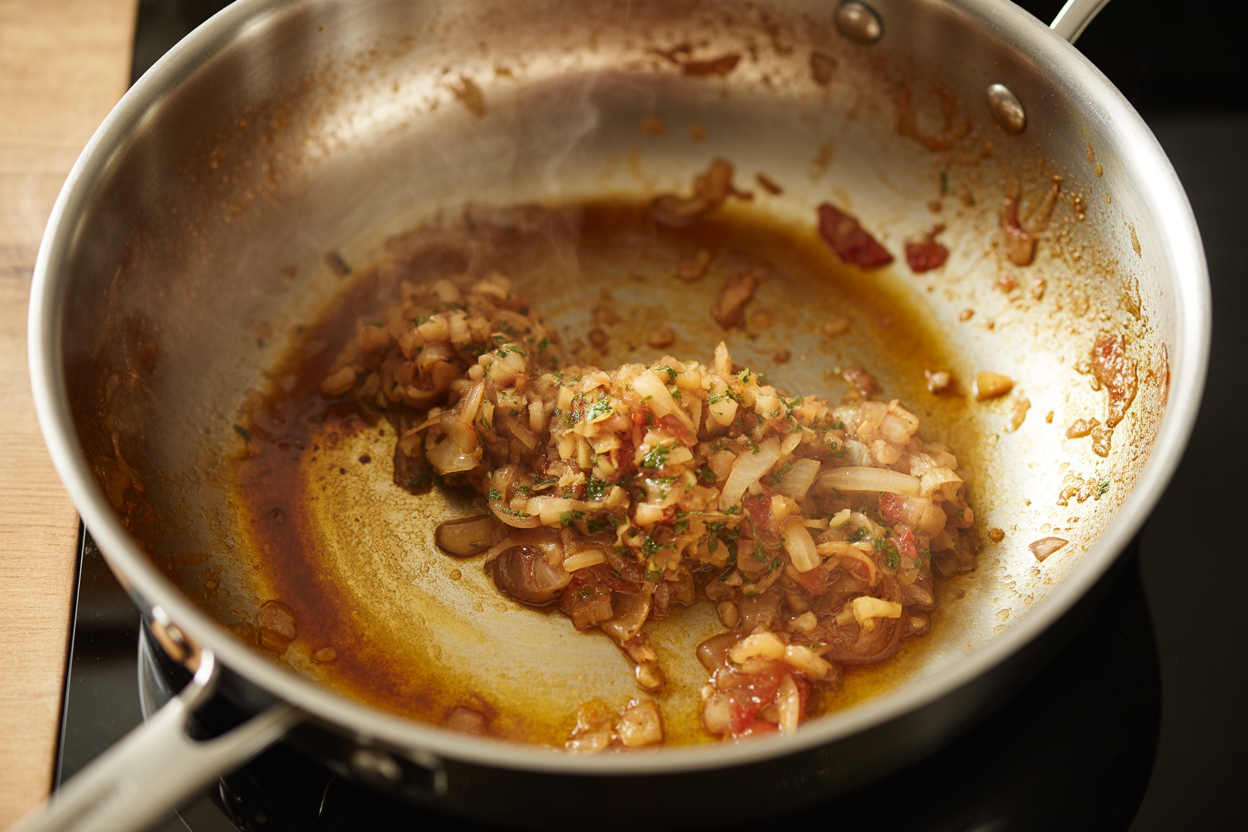
Toasting dried spices in oil at the beginning of cooking releases their essential oils and creates a warm, rounded foundation. Think cumin, paprika, and black pepper. This heat is mellow and pervasive. Our Texas-Style BBQ Sauce builds its smoky backbone this way - dry spices bloomed in rendered fat before any liquid is added.Stage 2: Structural Heat (Chili Peppers and Pastes)
Adding whole or ground chilies during cooking creates the main body of heat. Chipotle in adobo, gochujang paste, harissa, or fresh minced jalapeños all fall here. The heat integrates into the sauce during simmering. Our North African Harissa is built almost entirely on this stage - roasted peppers blended with spices and oil.Stage 3: Finishing Heat (Raw or Added at the End)
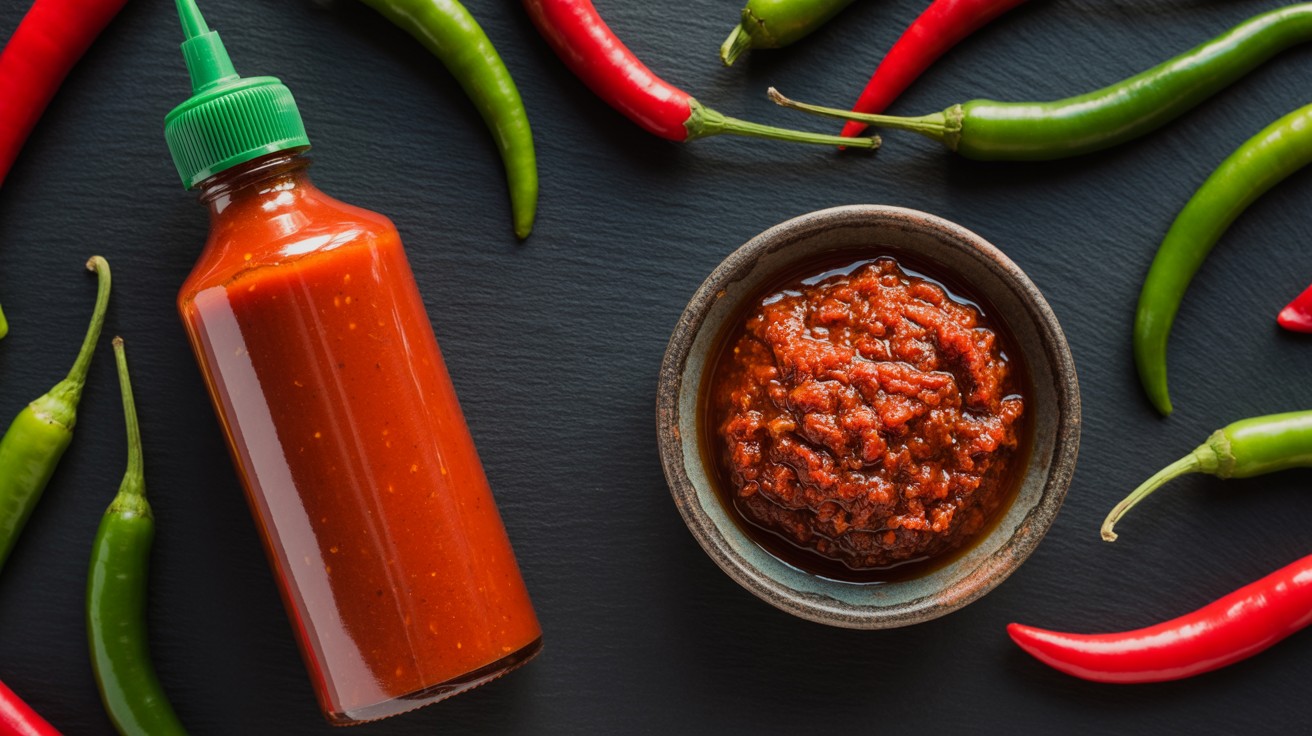
A dash of hot sauce, a sprinkle of chili flakes, or fresh sliced peppers added just before serving gives bright, sharp heat that sits on top of the other layers. Our Spicy Sriracha Mayo works this way - the sriracha is folded into cold mayo, preserving its fresh, vinegary punch.Balancing Heat with Other Flavors
Heat without balance is just pain. The best spicy sauces use counterpoints to make the heat more interesting and enjoyable:
Sweetness - Honey, brown sugar, or fruit (mango, pineapple) rounds out sharp heat. This is why Korean BBQ Sauce works so well - gochujang's heat is tempered by brown sugar and pear.
Acid - Vinegar, citrus juice, or tomatoes brighten heat and make it feel cleaner. Most commercial hot sauces are essentially chili-vinegar blends. Carolina-style BBQ sauce uses mustard and vinegar to balance its cayenne.
Fat - Butter, cream, coconut milk, or oil coat the mouth and slow the delivery of capsaicin, creating a gentler burn. Buffalo sauce is just hot sauce + butter - the fat transforms aggressive heat into something you can eat on twenty wings.
Umami - Soy sauce, fish sauce, Worcestershire, or fermented ingredients add savory depth that makes heat feel more complex and less one-note.
Controlling Heat Levels
If your sauce is too hot, here is what actually works:
- Add fat - A tablespoon of butter or a splash of cream dilutes capsaicin and coats your mouth.
- Add acid - A squeeze of lime or splash of vinegar shifts the perceived heat balance.
- Add sweetness - Honey or sugar creates a counterpoint that makes heat more tolerable.
- Increase volume - Add more of the non-spicy base ingredients (tomatoes, stock, coconut milk).
Building Your Spice Confidence
Start mild and work up. Make our Chipotle Lime Sauce first - it has gentle, smoky heat that almost everyone enjoys. Once you are comfortable with chipotle, try the harissa paste (medium heat, complex flavor). Then graduate to building your own hot sauce blends.
The goal is not to develop an iron palate. It is to understand how heat works as an ingredient so you can dial it to exactly the level your family enjoys. A sauce with perfectly calibrated heat is infinitely more satisfying than one that just tries to be as hot as possible.
Equipment Mentioned
Mortar and pestleBlenderSaucepanGloves for handling hot peppers
TAGS
#spice#heat#capsaicin#chili-peppers#flavor-building
Related Articles
Hot Sauce vs. Chili Paste: When to Use Each in Your Cooking
Understand the key differences between liquid hot sauces and thick chili pastes. Learn when each one works best and how to substitute one for the other.
How Chefs Build Flavor in Sauces (The Layering Method)
The specific techniques professional cooks use to make sauces taste complex and "restaurant-quality" - and how to apply each one in a home kitchen with regular ingredients.