Authentic Argentine Chimichurri Sauce Recipe
Rate this recipe
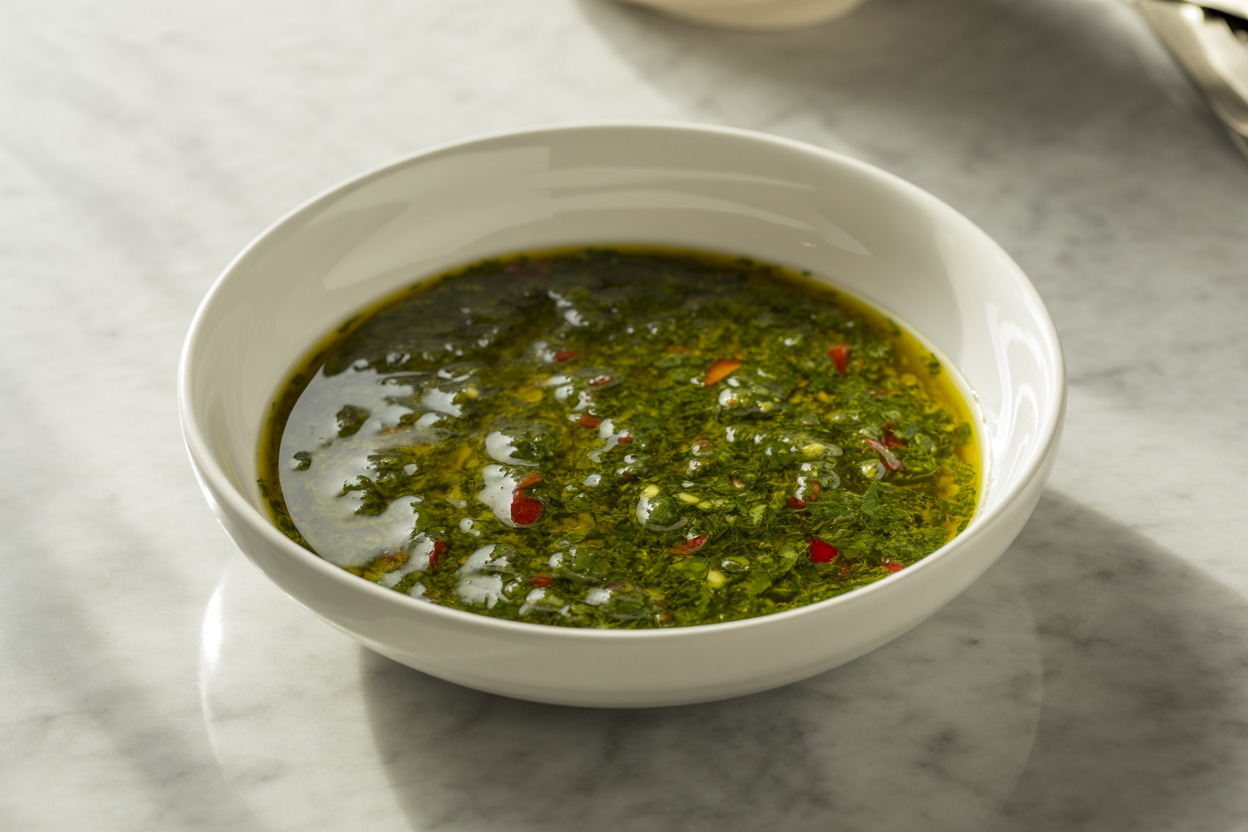
Chimichurri is Argentina's most famous sauce and an essential accompaniment to grilled meats, especially steak. Prep it ahead for weekend grilling or keep it on hand to brighten up simple weeknight proteins. This vibrant green herb sauce is bursting with fresh, bold flavors that cut through rich, fatty meats beautifully. Traditional Argentine chimichurri is made with just a handful of simple ingredients: fresh parsley, garlic, olive oil, vinegar, and a touch of oregano and red pepper flakes. What makes chimichurri special is its bright, herbaceous flavor with a subtle kick of heat and tang. Unlike smooth, emulsified sauces, chimichurri has a chunky, rustic texture that showcases the fresh herbs. The garlic provides pungent bite, while red wine vinegar adds essential acidity that balances the richness of grilled meats. Extra virgin olive oil carries all these flavors and creates a luscious coating for every bite of steak. Beyond its traditional use with beef, chimichurri is incredibly versatile – try it on grilled chicken, fish, roasted vegetables, or even drizzled over scrambled eggs. It also makes an excellent marinade and keeps well in the refrigerator, actually improving in flavor as the ingredients meld together. This recipe delivers authentic Argentine chimichurri that's fresh, flavorful, and easy to make. Once you experience how this simple sauce transforms grilled meats, you'll want to keep a jar in your fridge at all times.
Tested & Approved by FoodieManiac
Every recipe on this site is tested at least 3 times in my home kitchen before publishing. I've been developing sauce recipes for over 8 years, focusing on restaurant-quality results with everyday ingredients. Learn more about me →
Best For
Ingredients
- •1 cup fresh parsley (packed, finely chopped)
- •1/4 cup fresh oregano (or 2 tablespoons dried)
- •6 cloves garlic (minced)
- •1/2 cup extra virgin olive oil
- •3 tablespoons red wine vinegar
- •2 tablespoons fresh lemon juice
- •1 teaspoon red pepper flakes
- •1/2 teaspoon salt
- •1/4 teaspoon black pepper
Instructions
- 1
Finely chop fresh parsley and oregano. If using dried oregano, measure and set aside.
- 2
Mince garlic cloves very finely. For best flavor, avoid using a food processor as it can make garlic bitter.
- 3
In a medium mixing bowl, combine chopped parsley, oregano, and minced garlic.
- 4
Add red wine vinegar and lemon juice. Stir to combine.
- 5
Pour in extra virgin olive oil and mix well to create a chunky, herb-packed sauce.
- 6
Add red pepper flakes, salt, and black pepper. Stir thoroughly to distribute spices evenly.
- 7
Let the chimichurri sit at room temperature for at least 15 minutes before serving to allow flavors to meld.
- 8
Store in an airtight container in the refrigerator for up to 1 week. Bring to room temperature before serving for best flavor.
Common Mistakes to Avoid
Using a food processor
I know it's faster, but a food processor pulverizes the herbs into a green paste and emulsifies the oil into a thick, pesto-like consistency. Real chimichurri is loose and chunky - pieces of herbs floating in seasoned oil. Take 10 minutes with a sharp knife and you'll taste the difference.
Using fresh oregano instead of dried
This trips up a lot of people because we're usually told fresh herbs are better. Not here. Fresh oregano has an aggressive, almost medicinal flavor that overwhelms the parsley. Dried oregano is mellower and more aromatic - it's what Argentine cooks use traditionally.
Serving it immediately
Chimichurri improves dramatically after it sits for at least 20-30 minutes. The garlic mellows slightly, the red pepper flakes release their heat into the oil, and the vinegar penetrates the herbs. I usually make it when I start prepping for grilling, and it's perfect by the time the meat is done.
Tips & Variations
Pro Tips
- • Use flat-leaf (Italian) parsley, not curly. Curly parsley has a grassy, bitter taste that doesn't work here.
- • Chop by hand with a sharp knife. A food processor makes it into a paste - chimichurri should be loose and chunky.
- • Use dried oregano, not fresh. Fresh oregano is too assertive and changes the flavor profile entirely.
- • The sauce needs at least 20 minutes to sit before serving so the garlic and red pepper flakes can bloom in the oil.
- • Good olive oil matters here since it's a main ingredient. Don't use your most expensive finishing oil, but don't use the cheapest either.
- • Red wine vinegar specifically. White vinegar is too harsh and balsamic is too sweet. Red wine vinegar provides the right acidity.
Storage
- • Refrigerator: Up to 1-2 weeks in airtight container
- • Freezer: Up to 3 months (thaw overnight in fridge)
- • Best Practice: Store in glass jars for longer freshness
Recipe Variations
- • Chimichurri rojo: Add 1 tbsp smoked paprika and 2 tbsp tomato paste for the red version - traditional in some Argentine provinces.
- • Mint chimichurri: Replace 1/4 of the parsley with fresh mint - unbelievable on grilled lamb.
- • Cilantro-lime: Sub half the parsley with cilantro and add lime juice - technically not chimichurri anymore but amazing on fish tacos.
- • Spicy: Double the red pepper flakes and add a minced fresh chili - great for people who like heat.
- • Winter version: When fresh parsley quality is poor, use frozen flat-leaf parsley - thaw, squeeze dry, and chop. Better than sad, wilted fresh parsley.
Frequently Asked Questions
How long does chimichurri keep?
In the fridge, it lasts about 1 week. The parsley darkens after day 3 but the flavor is still great. I don't recommend freezing it - the herbs turn mushy when thawed. If you want to preserve it longer, blend it into compound butter and freeze that.
What's the best meat pairing for chimichurri?
Grilled steak is the classic - especially flank steak, skirt steak, or ribeye. But it's also fantastic on grilled chicken, lamb chops, roasted cauliflower, grilled bread, baked sweet potatoes, and fried eggs. I put it on a lot of fried eggs.
Try These Too
Similar recipes
Authentic Japanese Teriyaki Sauce Recipe
Japanese Teriyaki Glaze is the authentic version of the beloved sauce that originated in Japanese cuisine and has become a global favorite. The word 'teriyaki' comes from 'teri' (luster) and 'yaki' (grill), perfectly describing the glossy, caramelized finish this sauce creates on grilled meats and fish. Unlike many westernized versions that are overly thick and sweet, authentic teriyaki glaze has a beautiful balance of sweet, savory, and umami flavors with a light, syrupy consistency. The foundation of great teriyaki is the combination of soy sauce for saltiness and umami, mirin (Japanese sweet rice wine) for delicate sweetness and shine, and sake for depth and complexity. Brown sugar adds richness while fresh ginger provides aromatic brightness and a subtle spicy note. Garlic contributes savory depth without overpowering the delicate balance. What makes this glaze special is the reduction process – simmering the ingredients concentrates the flavors and creates that signature glossy sheen. The result is a sauce that caramelizes beautifully on grilled chicken, salmon, or beef, creating a lacquered appearance and incredible flavor. This teriyaki is also fantastic in stir-fries, as a marinade, or drizzled over rice bowls. Making it from scratch ensures you control the sweetness and sodium levels, and the fresh ginger makes all the difference.
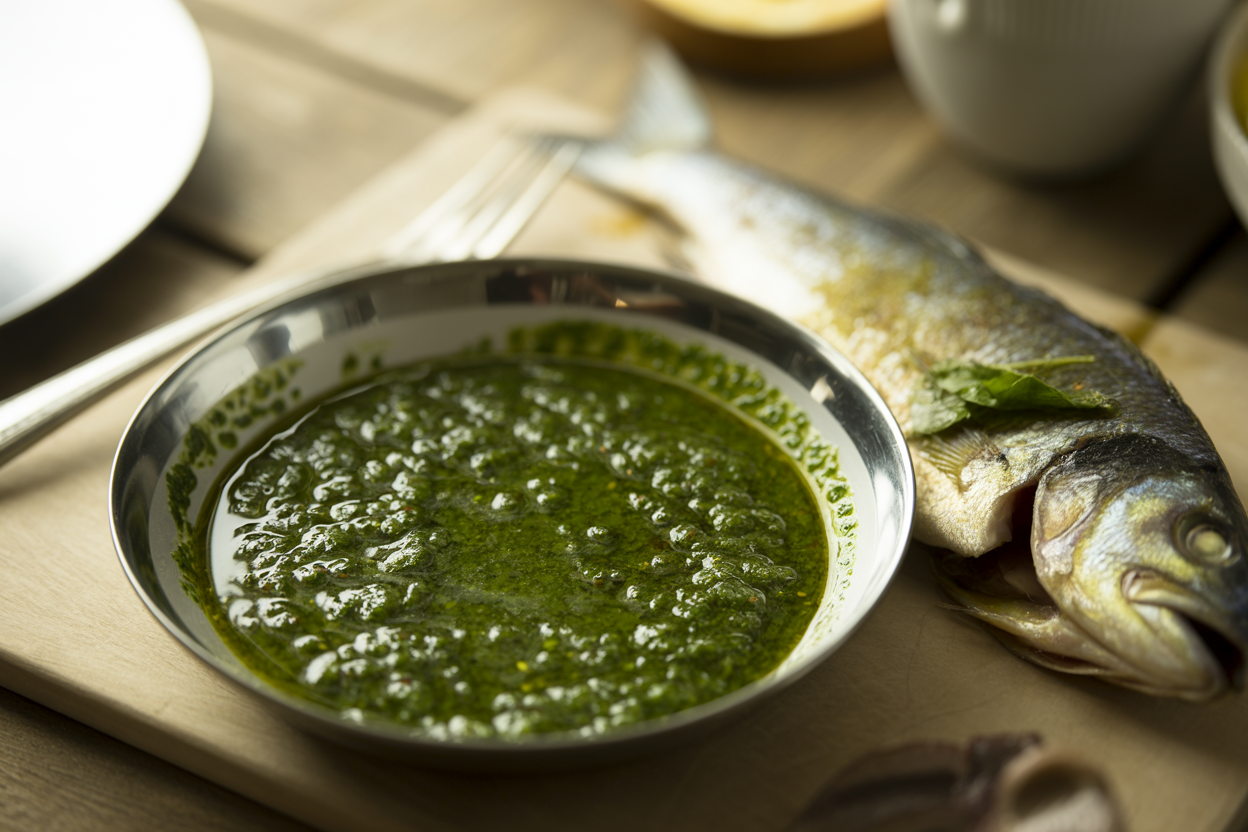
Authentic Moroccan Chermoula Sauce Recipe
Chermoula is Morocco's answer to chimichurri - a vibrant, herb-packed sauce that transforms grilled fish, chicken, and vegetables into something extraordinary and memorable. This traditional North African recipe combines fresh cilantro and parsley with earthy cumin, warm paprika, and bright preserved lemon for layers of complex, aromatic flavor. The generous amount of garlic and quality olive oil creates a sauce that's both bold and versatile, perfect for marinating proteins, dipping bread, or drizzling over finished dishes. Unlike many Western sauces, chermoula celebrates the full spectrum of Mediterranean herbs and spices in perfect harmony. Use it to marinate seafood before grilling, spoon over roasted vegetables, or spread on warm flatbreads. This sauce keeps refrigerated for one week and also freezes well for longer storage.
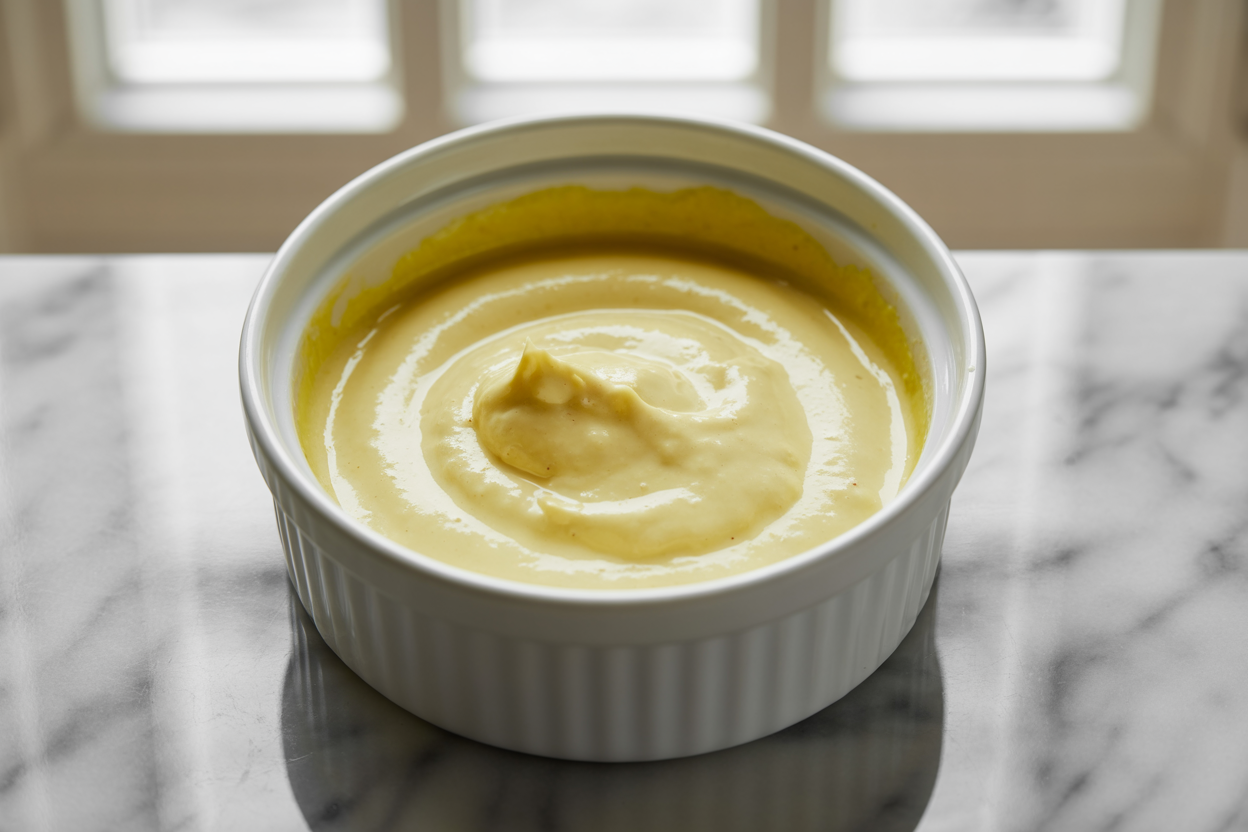
Thermomix Garlic Aioli Recipe
Traditional aioli requires careful hand-whisking to create a stable garlic mayonnaise, but your Thermomix simplifies this classic Mediterranean sauce completely. Fresh garlic cloves, egg yolks, bright lemon juice, and quality olive oil transform into silky, garlicky perfection in under three minutes total. The Thermomix's precise speed control allows you to add oil slowly while the blade maintains constant emulsification. The result is a stable, creamy aioli with bold garlic flavor that won't separate or break. Use it as a sandwich spread, dipping sauce for fries, or accompaniment to grilled seafood and vegetables. This authentic aioli contains no artificial ingredients and keeps refrigerated for up to one week. The garlic flavor mellows slightly over time, becoming more complex. Serve with crusty bread or alongside grilled meats.
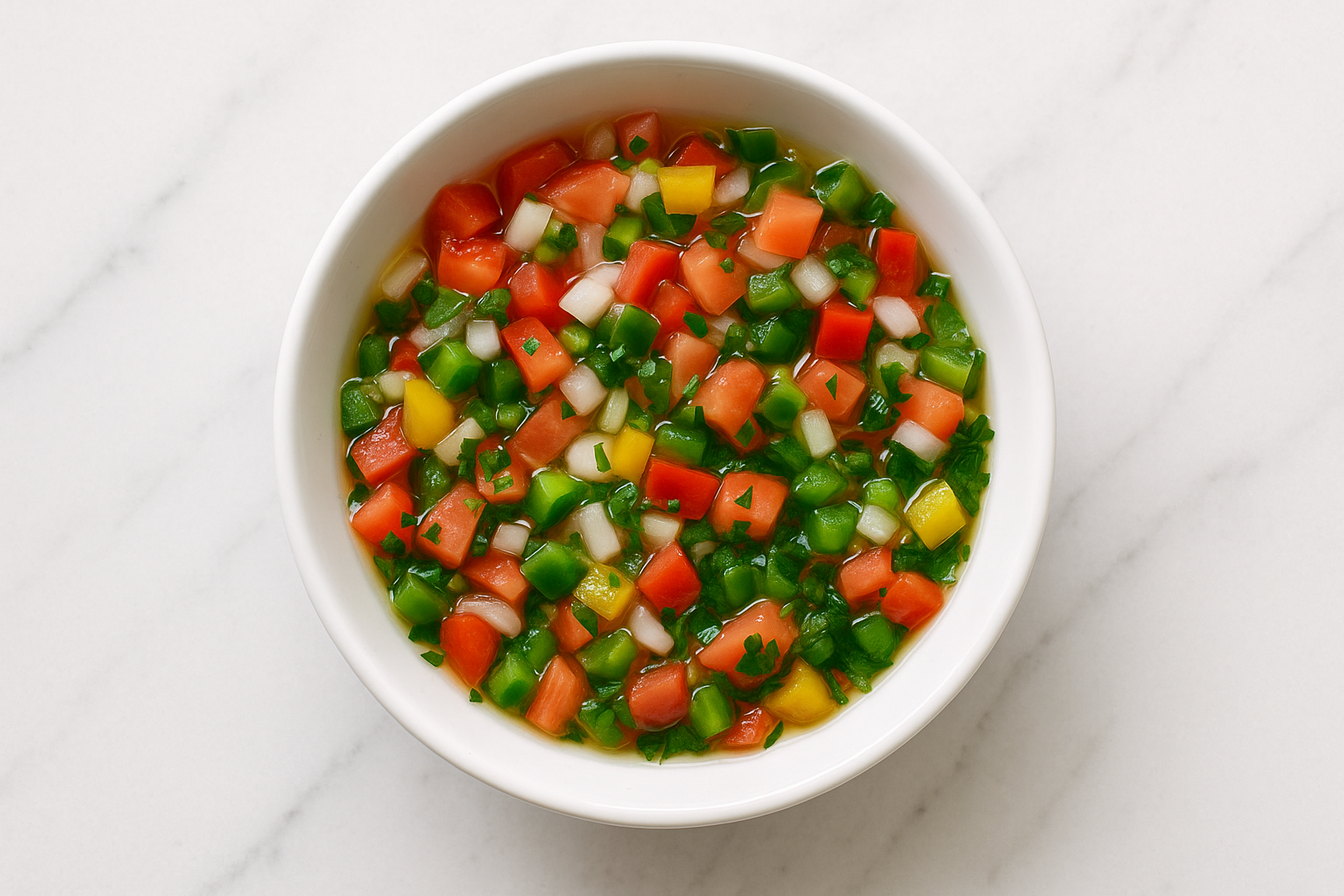
Authentic Argentine Salsa Criolla Recipe
Learn how to make traditional Argentine Salsa Criolla, a vibrant and tangy relish of tomatoes, onions, peppers, and fresh herbs. This easy, colorful sauce is a must-have accompaniment for grilled meats and classic asados.
🔥 Popular Sauces
Reader favorites
Keep Exploring
Browse All 142+ Recipes
From copycat fast-food sauces to international favorites and BBQ glazes - all free, all tested.
View All Recipes