Back to Blog
Technique Guide
Global Sauce Traditions: A Tour of the World's Most Essential Condiments
From Argentine chimichurri to Japanese teriyaki, explore how different cultures use sauces to define their cuisine. A guide to the world's most important condiments and how to make them at home.
15 min read
Easy

Written by FoodieManiac
With over 8 years of sauce-making experience, I've tested hundreds of techniques and products to bring you practical, reliable advice. Learn more about me →
Why Every Culture Has a Signature Sauce
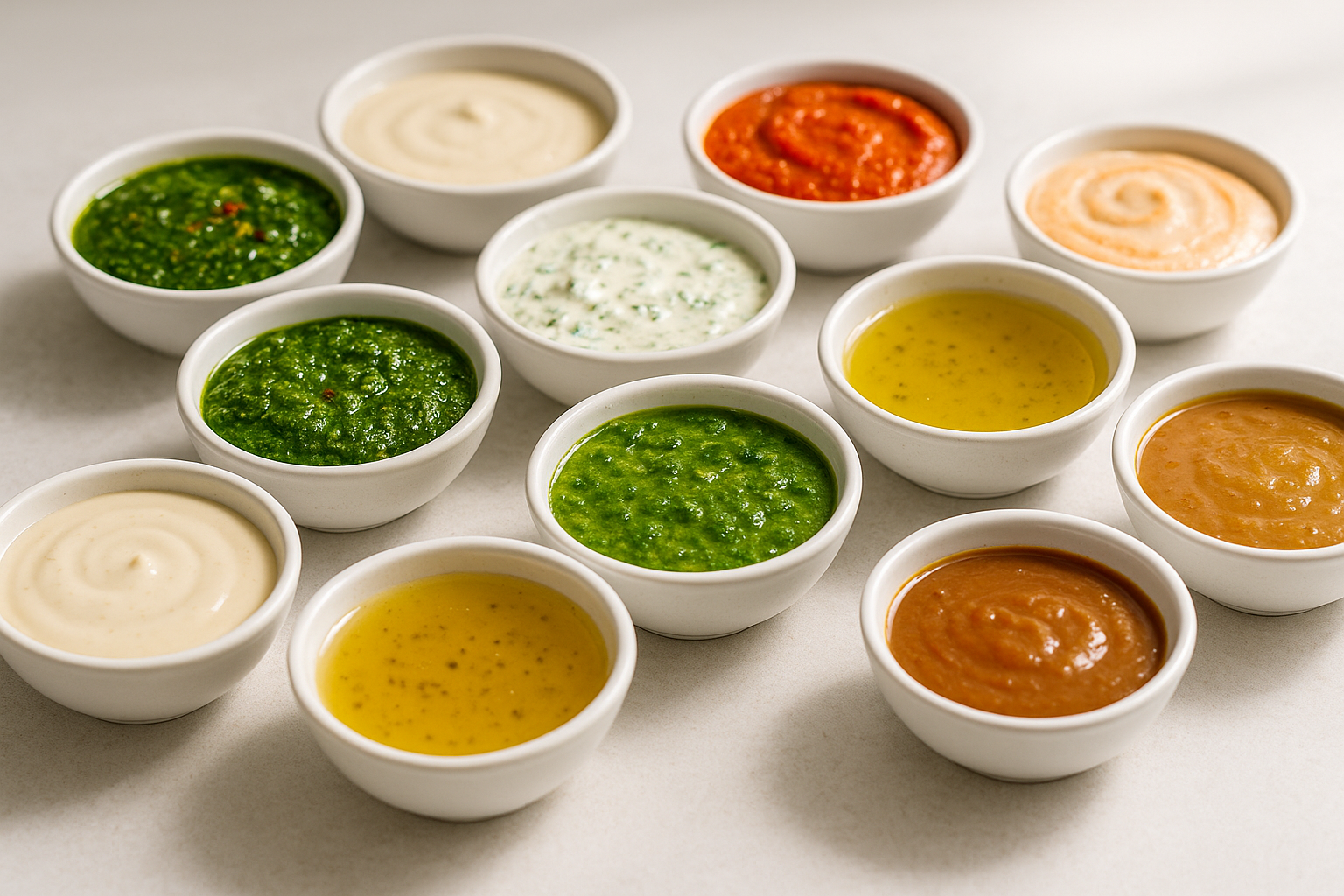
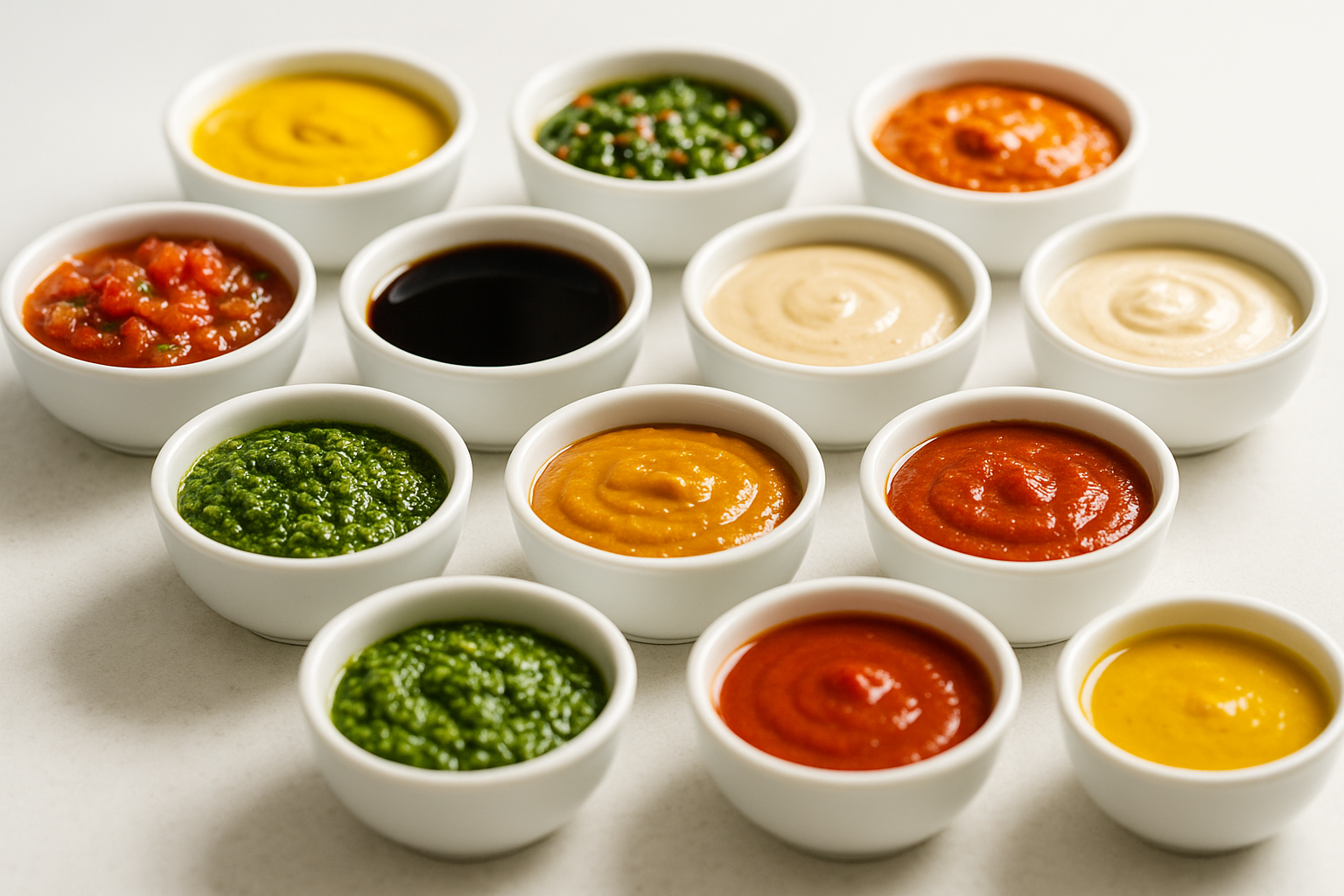
Walk into any kitchen on earth and you will find a sauce. Argentina has chimichurri. Japan has teriyaki and ponzu. Greece has tzatziki. North Africa has harissa. Thailand has nam prik. Mexico has a dozen salsas. The pattern is universal because sauces solve a universal problem: making simple, inexpensive food taste extraordinary.
Most traditional sauces were born from preservation needs—vinegar, salt, fermentation, and oil all extend shelf life—and from the desire to add flavor to staple foods like rice, bread, and grilled meat. What makes each sauce unique is the local ingredients: the chili peppers available, the herbs that grow in the climate, the vinegar or citrus on hand, the fat used for cooking.
Understanding global sauce traditions does more than expand your recipe collection. It teaches you how flavors work together across different culinary philosophies, giving you the confidence to improvise.
South America: Chimichurri and Ají
Argentine chimichurri might be the world's most perfect grilled-meat condiment. Fresh parsley, garlic, olive oil, red wine vinegar, and oregano—that is it. No cooking, no special techniques, just chopped herbs in oil. The acid cuts through rich grilled beef, the garlic adds punch, and the parsley provides freshness.
What makes chimichurri special is what it does not have: no dairy, no eggs, no thickeners. It is a pure expression of herbs and acid. Our Argentine Chimichurri recipe follows the traditional Mendoza style—heavy on parsley, light on oregano, with a generous amount of red pepper flakes.
Further north, Colombian and Peruvian cuisines use ají sauces—chili-based condiments that range from mild and creamy to searingly hot. These share DNA with Mexican salsas but use different peppers and often include huacatay (black mint), a herb with no real substitute.
The Mediterranean and North Africa
The Mediterranean gave us tzatziki (Greece), aioli (Provence), and romesco (Catalonia)—all built on the region's abundant olive oil, garlic, and yogurt.
Greek tzatziki is strained yogurt with cucumber, garlic, dill, and olive oil. It is served with grilled meat, on gyros, as a dip, and as a side dish. The key to great tzatziki is draining the yogurt and salting the cucumber—both steps remove excess water and prevent a thin, watery sauce.
Cross the Mediterranean to North Africa and the flavor profile shifts dramatically. Harissa is a chili paste made from roasted red peppers, garlic, coriander, caraway, and olive oil. It is the backbone of Tunisian, Moroccan, and Algerian cooking—stirred into couscous, rubbed on lamb, swirled into soups.
Further along the coast, Moroccan chermoula combines cilantro, cumin, paprika, and preserved lemon into a marinade-sauce hybrid that transforms fish and grilled vegetables.
East and Southeast Asia
Asian sauce traditions are arguably the most complex and varied in the world. The foundation ingredients—soy sauce, fish sauce, rice vinegar, sesame oil, ginger, garlic—appear in different combinations across thousands of regional sauces.
Japan gave us teriyaki (soy sauce, mirin, sugar, reduced to a glaze), ponzu (citrus-soy), and tonkatsu sauce (similar to Worcestershire, thicker). Our Authentic Teriyaki Glaze uses the traditional method of reducing soy and mirin until glossy.
Thailand balances four flavors in every sauce: sweet, sour, salty, and spicy. Peanut sauce combines all four—peanut butter and coconut milk (sweet/rich), lime juice (sour), fish sauce (salty), and chili (spicy). Nam prik, the mother of Thai dipping sauces, is pounded chilies with shrimp paste, garlic, and lime.
Korea centers on gochujang—fermented red chili paste with deep, sweet, funky flavor. It is the base of bibimbap sauce, tteokbokki sauce, and the marinade for Korean BBQ. Our Korean BBQ Sauce shows how gochujang combines with soy sauce, sesame, and garlic for a sauce that works on any grilled protein.
What These Traditions Teach Us
Every great sauce tradition follows the same pattern: fat + acid + aromatics + seasoning. The specific ingredients change by region, but the structure is identical.
Argentine chimichurri: olive oil (fat) + vinegar (acid) + garlic and parsley (aromatics) + salt and pepper (seasoning).
Thai peanut sauce: coconut milk and peanut (fat) + lime juice (acid) + garlic and ginger (aromatics) + fish sauce, sugar, chili (seasoning).
Japanese teriyaki: neutral oil (fat) + rice vinegar/mirin (acid) + garlic and ginger (aromatics) + soy sauce and sugar (seasoning).
Once you see this pattern, you can build a sauce from any cuisine by choosing ingredients from each category. That is not just following recipes—it is understanding how sauce-making works at a fundamental level.
Equipment Mentioned
Mortar and pestleBlenderMixing bowls
TAGS
#international#global-cuisine#condiments#culture#world-sauces