Hot Sauce vs. Chili Paste: When to Use Each in Your Cooking
Understand the key differences between liquid hot sauces and thick chili pastes. Learn when each one works best and how to substitute one for the other.
Written by FoodieManiac
With over 8 years of sauce-making experience, I've tested hundreds of techniques and products to bring you practical, reliable advice. Learn more about me →
Two Ways to Add Heat
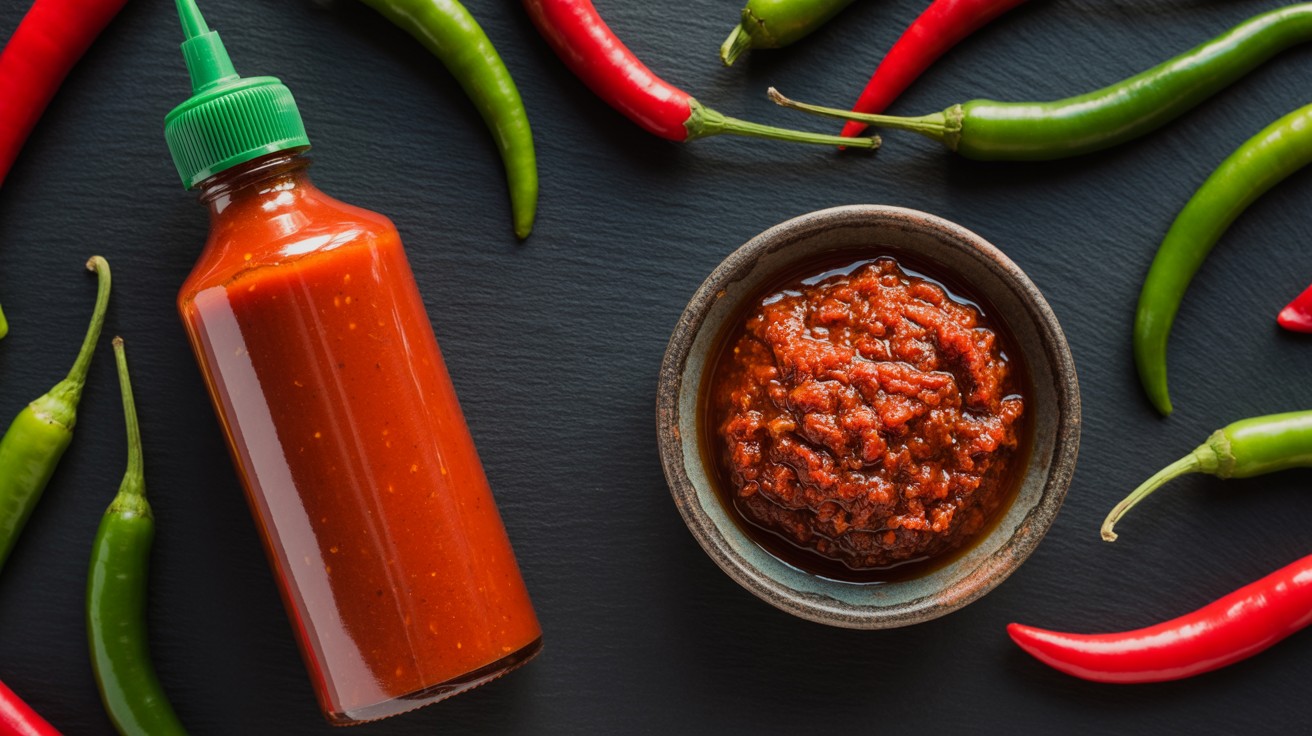
When a recipe calls for "something spicy," most cooks reach for whatever is in the fridge - a bottle of Sriracha, a squeeze of Tabasco, or a spoonful of sambal oelek. But hot sauces and chili pastes are fundamentally different products, and using the wrong one can throw off a dish. Hot sauces are thin, pourable liquids built on vinegar and chili peppers. Chili pastes are thick, concentrated preparations where the chili itself is the star. Understanding when to reach for each one is a small detail that makes a big difference in your cooking. For a deeper dive into building heat in sauces, see our guide on building heat and spice.Hot Sauce: Thin, Vinegary, and Bright
What It Is
Liquid hot sauce (Frank's, Tabasco, Cholula, Crystal) is made by blending chili peppers with vinegar, salt, and sometimes garlic. The vinegar is the dominant flavor vehicle - it provides the sharp, bright acidity that makes hot sauce so addictive on fried foods.When to Use It
Fried foods: The vinegar cuts through oil and fat. This is why buffalo wings use hot sauce (Frank's + butter) - the acid balances the richness. Our Buffalo Sauce relies on this principle. Finishing drizzles: Hot sauce adds a final pop of heat and acidity to finished dishes - eggs, tacos, pizza, soups. Its thin consistency lets you control the amount precisely. Marinades: The acid in hot sauce helps tenderize proteins while adding flavor. Mix it with oil, garlic, and herbs for a quick chicken or shrimp marinade. Thin dipping sauces: When mixed into mayo or sour cream, hot sauce distributes evenly and creates a smooth, uniform heat. Our Sriracha Mayo is a perfect example.Chili Paste: Thick, Concentrated, and Complex
What It Is
Chili pastes (harissa, gochujang, sambal oelek, chipotle in adobo) are thick, concentrated preparations where ground or chopped chilies are the primary ingredient. They often include aromatics (garlic, ginger, cumin), sometimes fermented ingredients, and minimal or no vinegar.When to Use It
Stir-fries and braises: Chili paste dissolves into cooking liquids and sauces, infusing the entire dish with heat and depth. A tablespoon of gochujang stirred into our Korean BBQ Sauce is what gives it its signature fermented, spicy-sweet character. Rubs and glazes: The thick consistency of chili paste clings to meat during grilling or roasting. Our Homemade Harissa rubbed on chicken or fish before grilling creates a flavorful crust that liquid hot sauce cannot achieve. Compound sauces: Chili paste mixed into mayo, yogurt, or butter creates a thick, flavorful spread. Harissa butter on steak, gochujang mayo on a burger, or chipotle yogurt on tacos - these work because the paste's thickness holds together in the final sauce. Soups and stews: A spoonful of chili paste stirred into soup adds both heat and body. The thick consistency integrates smoothly without thinning the broth the way hot sauce would.Head-to-Head Comparison
Heat level: Chili pastes are generally hotter per teaspoon because they are concentrated. Hot sauces dilute the chili with vinegar and water, spreading the heat across more volume. Flavor complexity: Chili pastes win here. Products like gochujang (fermented), harissa (spiced with cumin and caraway), and chipotle in adobo (smoked) offer layers of flavor beyond just heat. Hot sauce is more one-dimensional - heat plus acid. Acidity: Hot sauce is far more acidic due to its vinegar base. This makes it better for cutting through rich, fatty foods. Chili paste provides heat without the acid punch. Texture: Hot sauce is pourable and blends invisibly into thin sauces. Chili paste adds body and visible texture - sometimes you want that rustic, chunky quality. Shelf life: Both last a long time. Hot sauce keeps for months at room temperature. Chili paste keeps for weeks refrigerated (longer if oil-covered). For detailed storage advice, see our sauce storage guide.How to Substitute One for the Other
Hot sauce → Chili paste: Reduce the amount by half (paste is more concentrated). Add a splash of vinegar to compensate for the missing acidity. Expect a thicker result. Chili paste → Hot sauce: Use roughly double the amount. The sauce will be thinner and more vinegary. You may lose some of the complex, smoky, or fermented flavors that the paste provided. The best compromise: Keep both on hand. Use our Homemade Harissa for rubs, glazes, and compound sauces, and reach for hot sauce (or our Sweet Chili Sauce) for drizzles, dips, and finishing touches. They are complementary tools, not interchangeable ones. For recipes that showcase both approaches to heat, explore our Chipotle Lime Sauce (paste-based) and Buffalo Sauce (hot-sauce-based) and taste the difference for yourself.TAGS
Related Articles
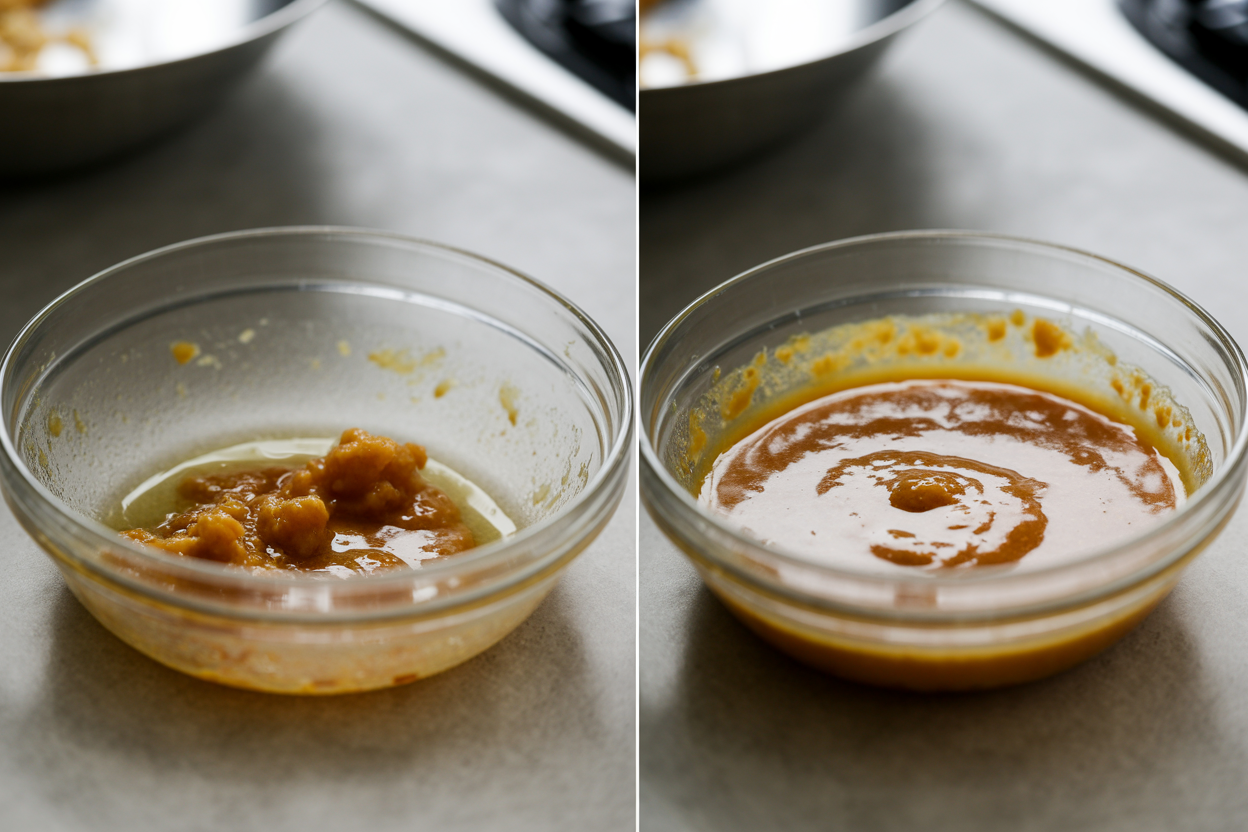
How to Fix a Broken Sauce (Complete Guide)
Learn how to rescue broken, split, or curdled sauces! This comprehensive guide covers mayo-based, cream sauces, hollandaise, and more. Save your sauces from disaster with these expert techniques.
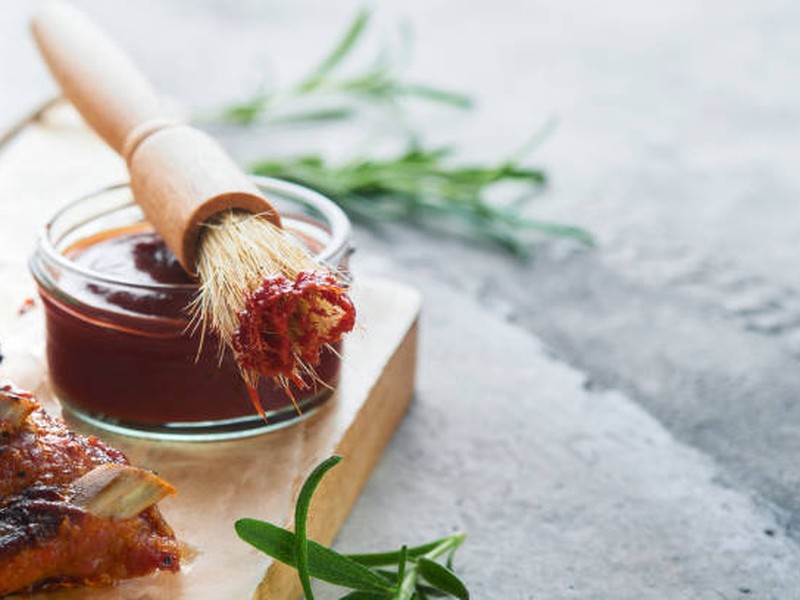
How to Thicken Sauces Naturally (7 Methods)
Discover 7 natural ways to thicken sauces without cornstarch! From reduction to roux, learn the best methods for every sauce type. No more watery sauces!
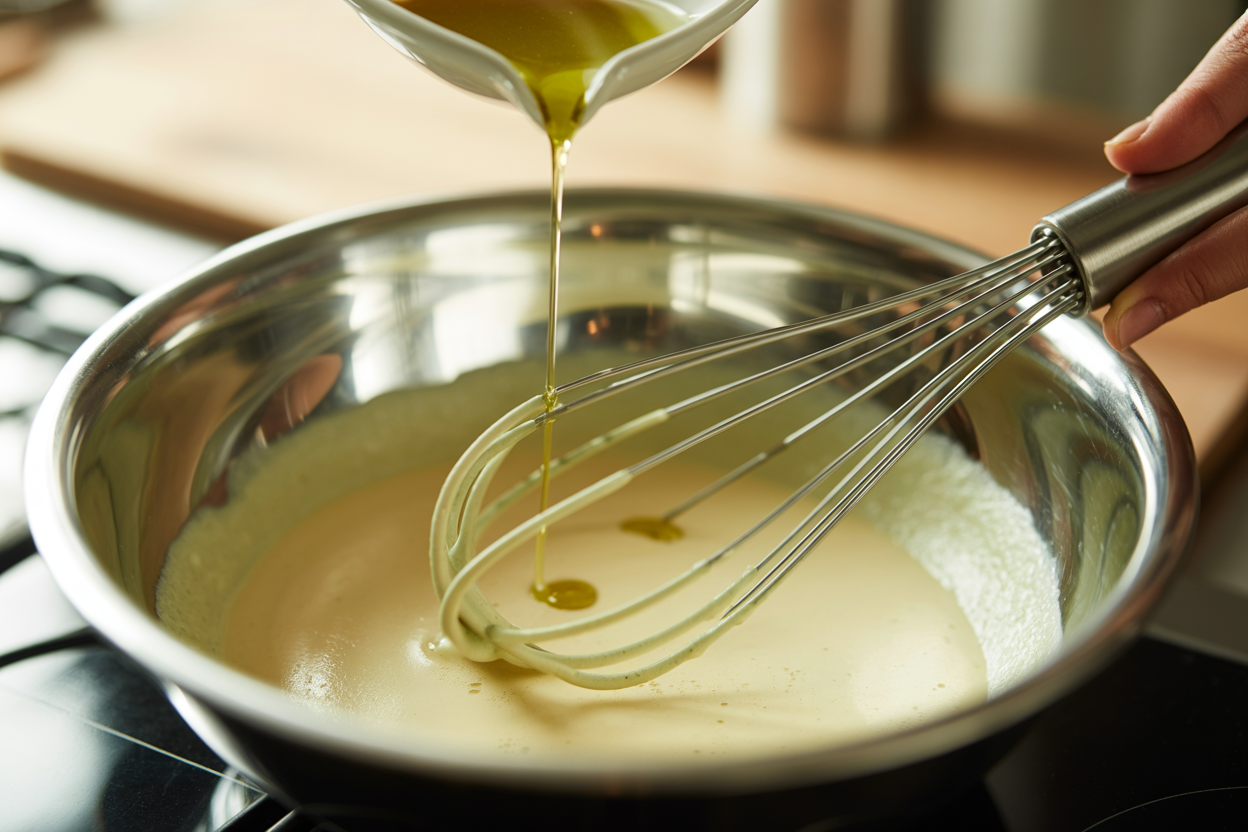
The Science Behind Emulsification (Explained Simply)
What actually happens when oil and water mix in a sauce, why it usually fails, and the handful of kitchen ingredients that make it work. No chemistry degree required.
The 5 Mother Sauces Every Home Cook Should Know (And Actually Use)
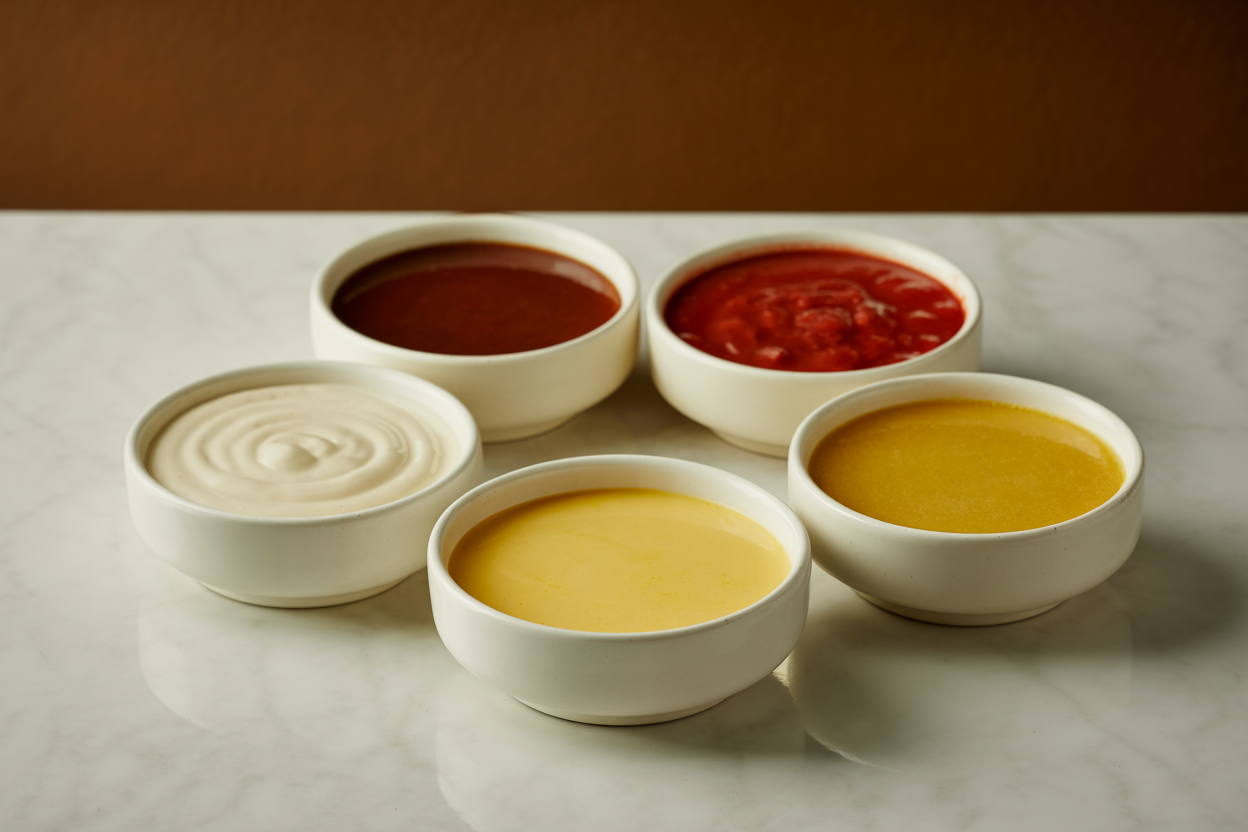
A practical guide to the five French mother sauces - béchamel, velouté, espagnole, hollandaise, and tomato - and how they connect to the sauces you already make at home.