Back to Blog
Technique Guide

How to Make Sauces Without Mayo (10+ Recipes)

Discover delicious mayo-free sauce alternatives! Perfect for those who dislike mayo or have egg allergies. From Greek yogurt to tahini, find your new favorite base!
7 min read
Easy
How to Make Sauces Without Mayo (10+ Recipes)

Written by FoodieManiac

With over 8 years of sauce-making experience, I've tested hundreds of techniques and products to bring you practical, reliable advice. Learn more about me →

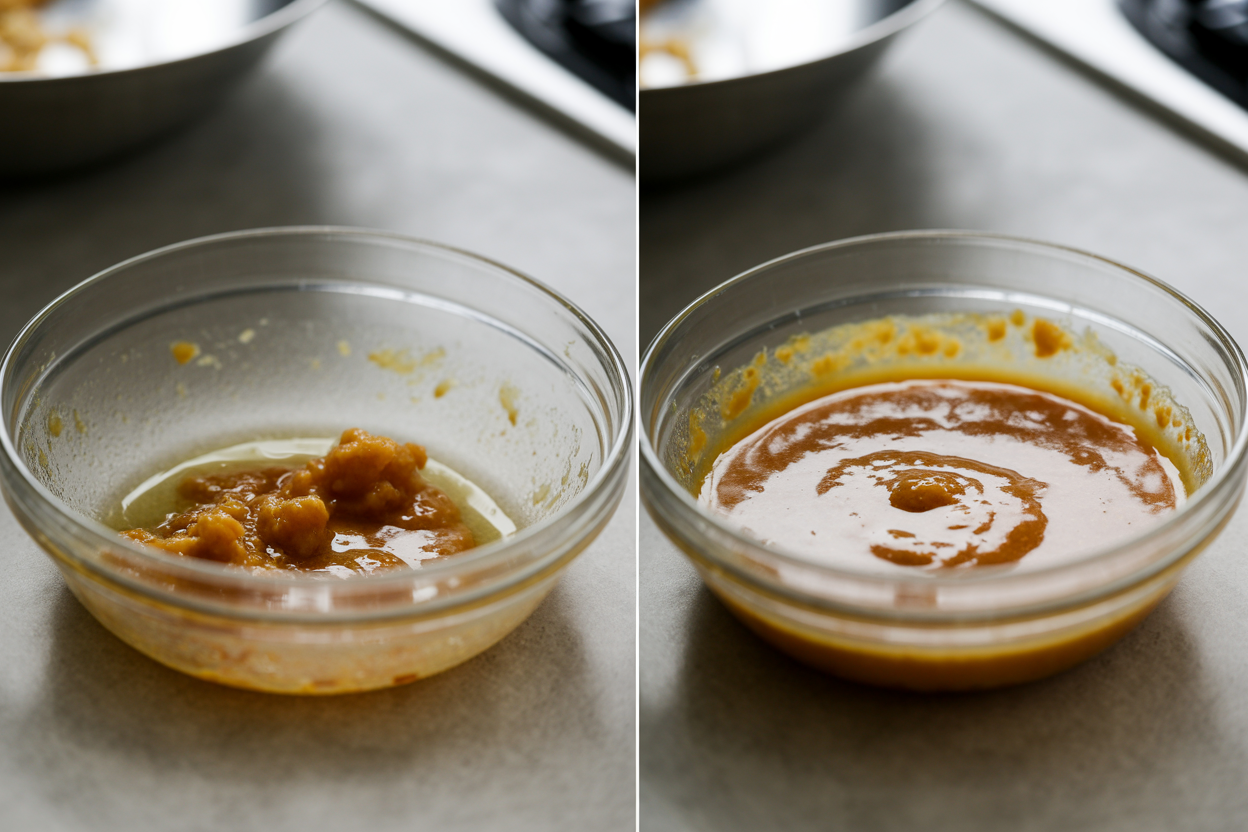
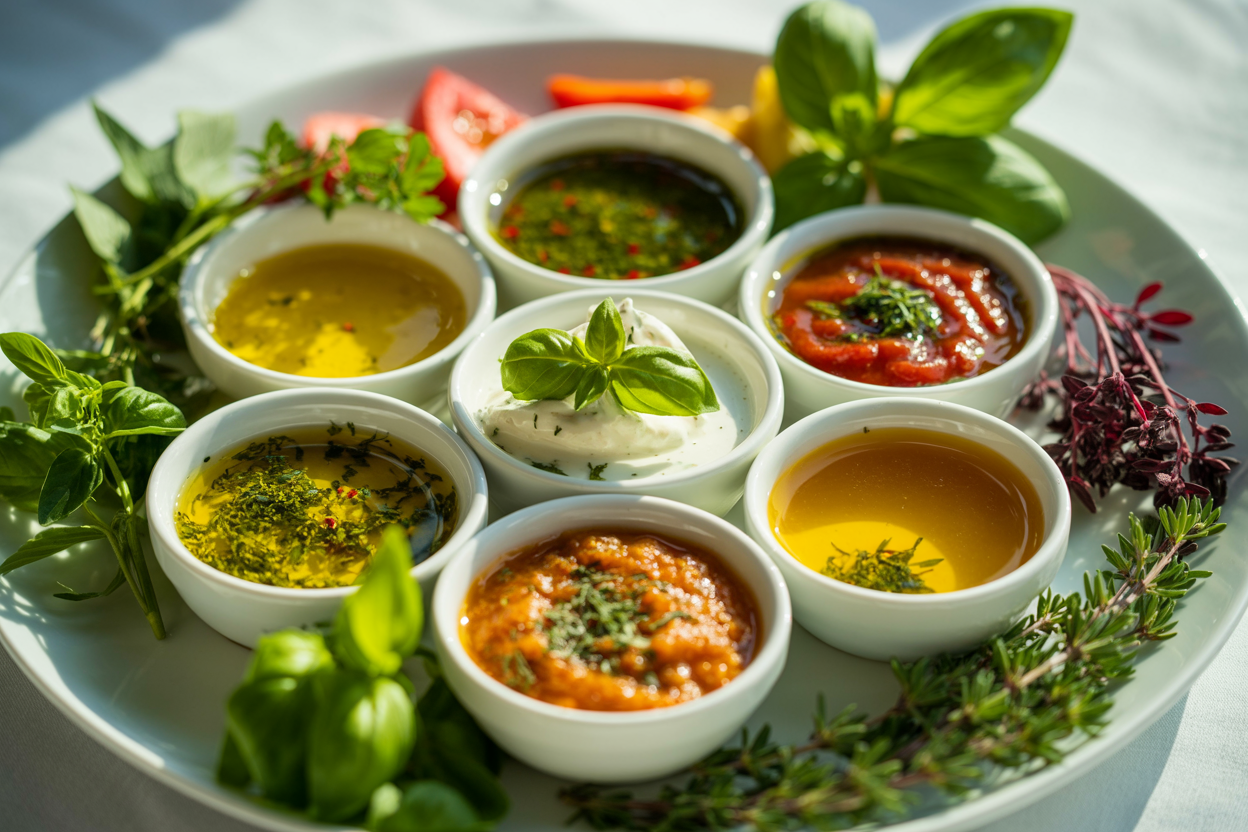
Are you tired of traditional mayonnaise-based sauces? Whether you dislike the texture, have dietary restrictions, or simply want to explore new flavors, you're in luck! There are countless delicious alternatives that can elevate your dishes without relying on mayo. From creamy dips to zesty dressings, we'll dive into ten mayo-free sauce bases that are not only easy to make but also packed with flavor. Let’s get creative in the kitchen and discover how you can whip up mouthwatering sauces that will impress your family and friends! First up is the Greek yogurt base. This thick, tangy yogurt is a fantastic substitute for mayo in many recipes. Its rich texture makes it perfect for creamy dressings like ranch or tzatziki. To create a delicious ranch dressing, simply combine Greek yogurt with lemon juice, fresh herbs like dill and chives, garlic powder, and a pinch of salt. You can adjust the consistency by adding a splash of milk or water. This dressing pairs beautifully with fresh veggies or as a dip for chicken wings. Next, let’s talk about avocados. These green gems are not just for toast; they're an excellent base for creamy sauces! Blend a ripe avocado with lime juice, garlic, and your favorite seasonings to create a luscious dressing that’s perfect for salads or as a dip. Try it as a green goddess dressing by adding herbs like basil and parsley for a refreshing twist. The natural creaminess of avocados makes them a crowd-pleaser and a healthy alternative. Tahini, made from ground sesame seeds, is another versatile option. Mixing tahini with lemon juice, garlic, and a bit of water can create a smooth, creamy sauce that’s perfect for drizzling over grains or roasted vegetables. You can adjust the thickness by adding more or less water, depending on your needs. This nutty sauce is fantastic for Mediterranean dishes or as a salad dressing. Plus, it packs a punch of nutrients, making it a wholesome choice. For those looking for a dairy-free creamy sauce, cashew cream is a game-changer. Soak cashews in water for about two hours, then blend them with fresh water until smooth. This creates a silky base that can be used in place of mayo in any creamy sauce recipe. Add spices and herbs to match your desired flavor profile. This nut-based cream is not only delicious but also rich in healthy fats and proteins, making it a nourishing option. Silken tofu is another fantastic mayo alternative. It blends easily into a smooth consistency and can be flavored with vinegar, mustard, and your choice of seasonings. This high-protein, vegan alternative works especially well for creamy dressings or sauces. You can even use it to make a tofu-based ranch by following a similar recipe to the Greek yogurt version—just blend and taste until you achieve your desired flavor. If you’re in the mood for a classic buttermilk ranch dressing without mayo, combining buttermilk with sour cream, fresh herbs, and spices will create a delightful tang. This option is slightly thinner than a mayo-based dressing but just as flavorful. It’s perfect for serving with fresh salads or as a dip for crispy vegetables. An oil and vinegar emulsion is a timeless technique that requires no mayo at all. Start with mustard and vinegar in a bowl, and then slowly drizzle in your favorite oil while whisking continuously. This creates a beautiful emulsion that can be customized with herbs, garlic, or shallots for extra flavor. It’s a great base for salads and can easily be adjusted to your taste preferences. Sour cream can also stand in for mayo, offering a tangy flavor and creamy texture. Use it as a base for dressings by mixing in fresh herbs, spices, and a splash of vinegar. This option is particularly great for serving with spicy dishes, as it balances out heat with its creaminess. Coconut cream is a fantastic vegan option that can replace mayo in various recipes. Simply chill a can of coconut milk in the fridge, scoop out the solidified cream, and whip it until fluffy. This naturally sweet and creamy base works well in desserts and can also be used to make sauces for tropical-inspired dishes. Lastly, don’t overlook the humble hummus. You can easily thin hummus with lemon juice and water to create a delicious sauce or dip. Add herbs, spices, or even roasted garlic for a unique twist. Hummus is perfect as a Mediterranean dip or drizzled on salads as a creamy dressing. It’s a nutritious option that packs a punch of protein and flavor. As you experiment with these mayo-free alternatives, don’t hesitate to mix and match flavors and ingredients to find your perfect combination. Whether you're making dressings, dips, or sauces for your favorite dishes, you now have a variety of bases to choose from. Get creative and enjoy the journey of flavor without the mayo! In conclusion, finding delicious mayo-free sauce alternatives is easier than you might think. With these ten bases—from Greek yogurt to tahini and avocado—you can whip up flavorful dressings and dips that cater to any dietary restriction or personal preference. Embrace the creativity that comes with homemade sauces, and your culinary repertoire will expand in delightful ways. Enjoy the process, and happy cooking!

Common Mistakes to Avoid

When experimenting with mayo-free sauces, there are a few common pitfalls to avoid. One major mistake is not balancing the flavors correctly. For instance, when using Greek yogurt or sour cream, be cautious with the acidity of added ingredients like lemon juice or vinegar. Start with smaller amounts and adjust to taste. Additionally, over-blending can cause certain bases, like avocado or silken tofu, to become too watery. Always check the consistency before adding additional liquids. Another mistake is using too many strong flavors without moderation. When combining herbs and spices, aim for a harmonious blend rather than overwhelming the base. Take your time to taste and adjust as you go; this will help ensure a well-rounded sauce that enhances your dishes rather than masks them.

Pro Tips from Experience

To elevate your mayo-free sauces, consider these pro tips. First, always use fresh ingredients for the best flavor—this applies to herbs, spices, and even vegetables. Fresh herbs can make a world of difference in terms of taste. Second, don’t shy away from experimenting with different flavor profiles. For example, adding a splash of hot sauce or a pinch of smoked paprika can transform a simple Greek yogurt dressing into something extraordinary. Lastly, keep your bases versatile. A basic tahini sauce can easily be transformed into a spicy sauce by adding sriracha or harissa. Always think about how you can adjust the same base to create multiple sauces to enhance your meals throughout the week.

Related Techniques for Unique Sauces

In addition to the bases discussed, exploring related techniques can enhance your sauce-making skills. For instance, try infusing oils with herbs like rosemary or garlic to create a flavorful drizzle for salads or roasted vegetables. Another technique is to create a reduction by simmering ingredients like balsamic vinegar or wine until thickened; this will add a gourmet touch to your dishes. Additionally, consider making compound butter by mixing softened butter with herbs or spices. While not a sauce in the traditional sense, these flavorful butters can be melted over vegetables, meats, or bread for an explosion of flavor. Exploring these techniques alongside your mayo-free bases can open up a world of culinary possibilities.

Frequently Asked Questions

As you venture into the world of mayo-free sauces, you might have some questions. One common question is how to store these sauces. Most mayo-free sauces can be stored in the refrigerator for about 3-5 days. Always keep them in airtight containers to maintain freshness. Another frequent question is whether these sauces can be frozen. While some bases like cashew cream can freeze well, others might separate or lose texture upon thawing. It's best to make smaller batches if you plan to freeze. Lastly, many wonder if these sauces can be made ahead of time. Absolutely! In fact, many flavors deepen after sitting for a day, so preparing them in advance can enhance the taste. Just remember to give them a good stir before serving.

Equipment Mentioned

BlenderWhiskMixing bowls

TAGS

#mayo-free#alternatives#guide#dairy-free

Ready to Cook?

Explore our collection of delicious sauce recipes!

Browse Recipes