Sauce Pairings for Vegetarians: How to Match Flavors With Plant-Based Dishes
Struggling to find the right sauce for tofu, veggies, or grains? Learn how to pair sauces with plant-based dishes for better flavor every time.
Written by FoodieManiac
With over 8 years of sauce-making experience, I've tested hundreds of techniques and products to bring you practical, reliable advice. Learn more about me →
Why Sauce Pairings Matter (Especially for Vegetarian Food)
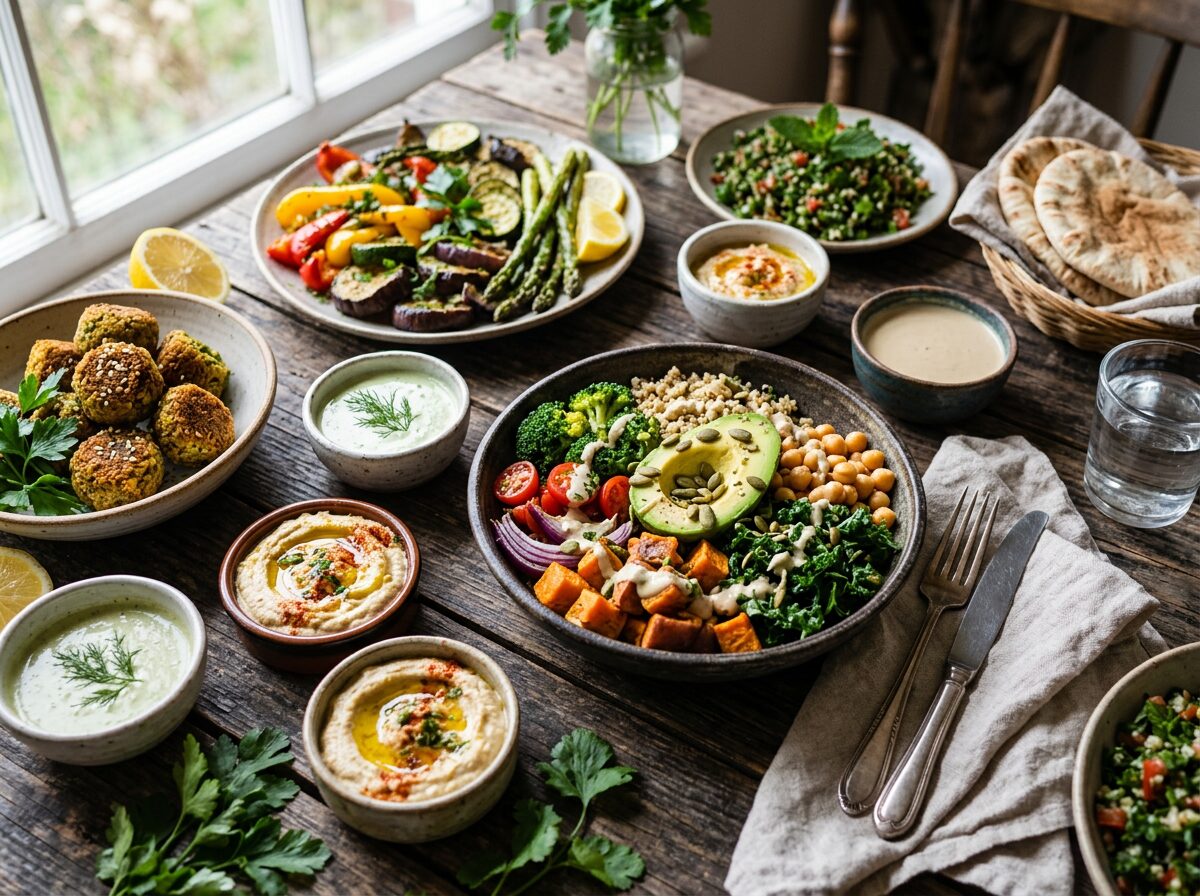
If you’ve ever stared at a pan of roasted cauliflower and thought, “This needs something,” you’re not alone. I’ve been there. I love vegetables, but let’s be honest: a lot of plant-based dishes are begging for a sauce to bring the whole thing together. The right sauce turns a plain bowl of lentils into something crave-worthy. It makes roasted broccoli disappear faster than brownies in my house (okay, almost). But pairing the right sauce with vegetarian food isn’t always obvious. I’ve ruined a beautiful platter of grilled eggplant with a sauce that tasted like liquid grass. I’ve drowned tofu in something that was supposed to be “zingy” but ended up just sour. So, let’s get into how to actually match sauces with plant-based dishes - with all the real-life wins and fails I learned the hard way.
Understanding Vegetarian Flavors: The Basics
Most vegetarian mains rely on a few core flavors: earthy (mushrooms, beans), sweet (carrots, squash), bitter (greens, brassicas), and sometimes a little funk (fermented things, strong cheeses if you eat them). What I wish someone had told me years ago: you don’t need to blast veggies with flavor to make them good, but you do need to balance what’s already there. If your dish is sweet (like roasted carrots), hit it with something tangy or spicy. If it’s earthy and mild (like lentils or potatoes), go for a punchy sauce with acid, herbs, or both. This is the same layering chefs use for flavor - you can deep dive in this guide if you want to geek out.
Think About Texture, Too
I can’t count how many times I made a creamy sauce for creamy mashed potatoes and ended up with a plate of beige mush. A good pairing isn’t just about flavor - it’s about contrast. Crunchy salad? Go creamy (like a punchy ranch). Crispy tofu? Try something sticky or glossy, like a BBQ or sweet chili sauce. Over the years, I’ve learned that opposites really do attract in the sauce world.
Classic Vegetarian Pairings That Never, Ever Get Old
Let’s get practical. Here are some pairings I come back to again and again, with specific sauces you can actually make or buy (no shame in store-bought sometimes, trust me).
Grilled or Roasted Veggies: Herby, Tangy, Creamy
- Charred Broccoli or Cauliflower: I love these with a punchy tahini sauce. My go-to is this Authentic Lebanese Tarator Sauce (Tahini Garlic Sauce). Don’t have tahini? Even a squeeze of lemon and a dollop of Greek yogurt with garlic works. If you want color and a little heat, Authentic Turkish Ezme Sauce is incredible.
- Grilled Zucchini or Eggplant: These soak up everything, so I like something bold. Salsa verde (the Italian kind) is magic - try this Authentic Italian Salsa Verde. If you want creamy, Creamy Roasted Garlic Lemon Tahini Dressing is a winner.
- Roasted Carrots or Beets: Sweet veggies love something tangy and herby. I often reach for Green Goddess Dressing or whip up a quick yogurt-lemon sauce. If you want something pretty and pink, this Creamy Roasted Beetroot Dip is awesome as a side or a drizzle.
Crispy Tofu, Tempeh, or Plant-Based "Meats": Sticky, Spicy, or Umami Bombs
- Crispy Tofu Nuggets: You can’t go wrong with a good ranch. My current obsession is this Creamy Sriracha Ranch. Or, if you want something fast and sticky, Homemade Sweet Chipotle BBQ Sauce is perfect (store-bought BBQ sauce is fine, honestly).
- Pan-Fried Tempeh: Tempeh needs acid and sweetness to balance the bitterness. Think about Mint Chutney (which is also great on sandwiches). Or try Copycat McDonald's Sweet and Sour Sauce for something fun and nostalgic.
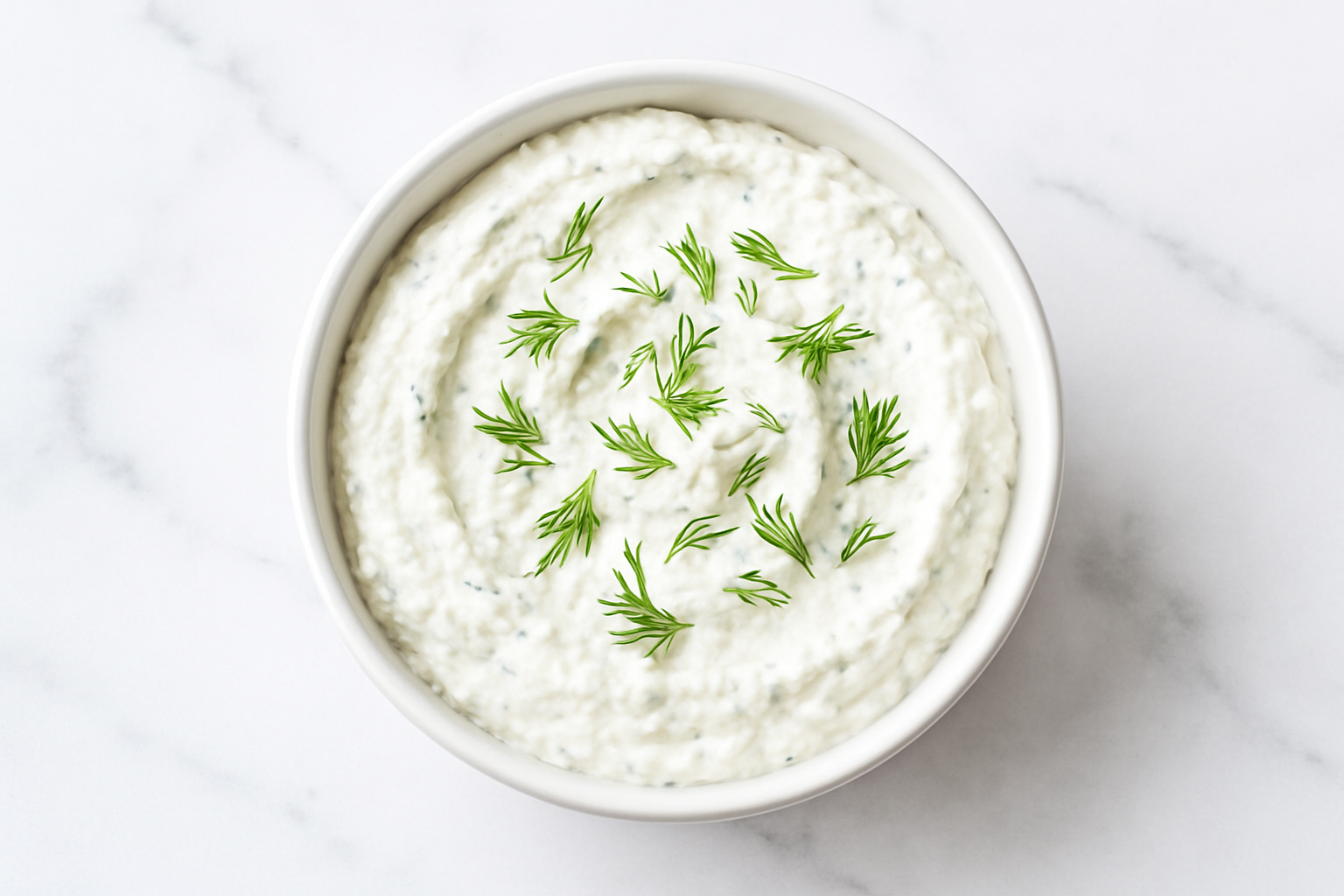
- Veggie Burgers: I love layering flavors: a little Hot Mustard Sauce for punch, plus a creamy element like Feta Dill Dip if you want dairy.
Grains, Beans, and Lentil Dishes: Bright, Citrusy, or Savory
- Lentil Bowls: I use Tarator or a super simple lemon-tahini. If your lentils are earthy, add acid. Try a squeeze of fresh lemon or a splash of red wine vinegar at the end.
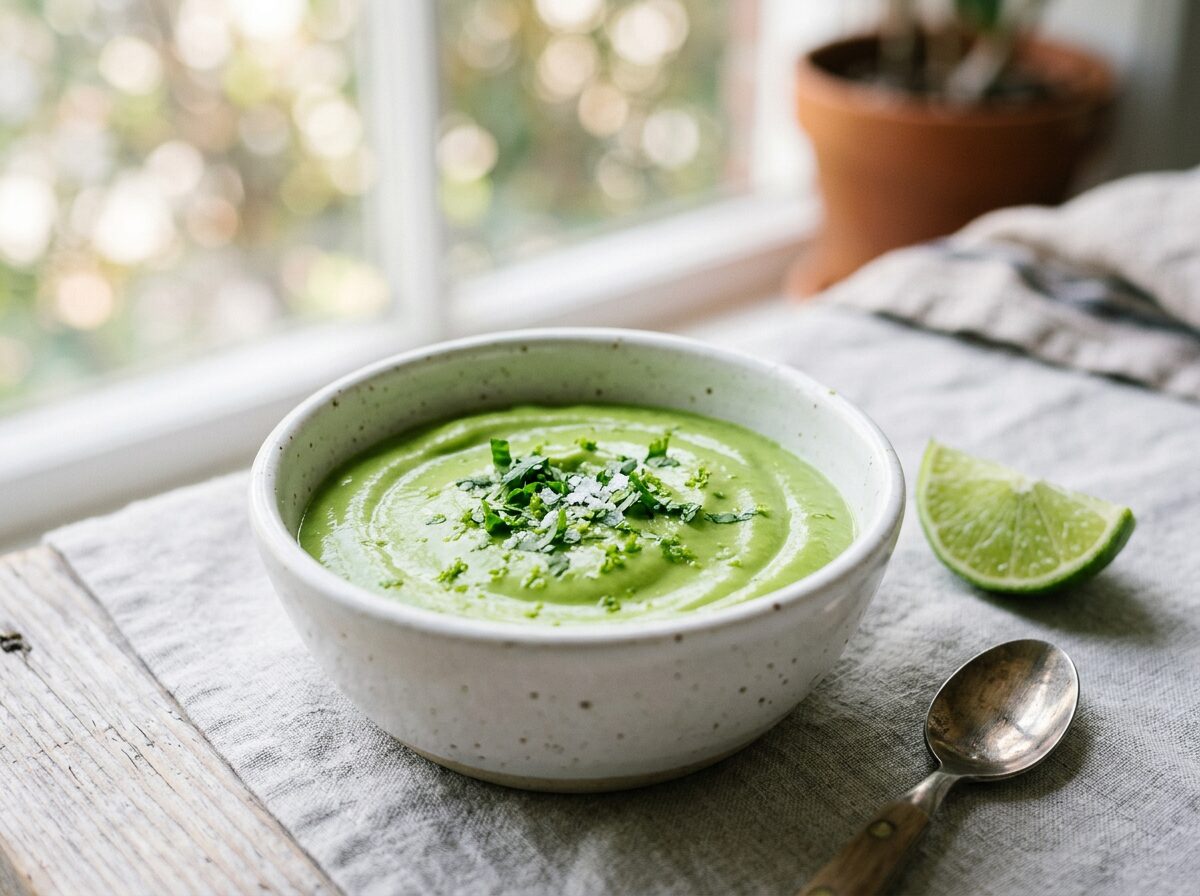
- Rice or Quinoa Salads: These love a vinaigrette. Greek Lemon-Oregano Vinaigrette is my go-to. If you want creamy, Avocado Cilantro Lime Dressing is a game-changer - especially if there’s corn or black beans involved.
- Chickpea Stews: Add a swirl of Roasted Red Pepper Hummus or tahini sauce right before serving. The contrast of creamy and brothy is so satisfying.
How I Match Sauces to Veggie Dishes (My Real Process)
I used to just slap whatever sauce I had in the fridge on top of my food and hope for the best. Sometimes that works. Most of the time, it’s disappointing. Here’s the system I use now - learned after too many “meh” dinners:
- What’s the main flavor of the dish? If it’s sweet, go tangy or spicy. If it’s earthy, add something bright.
- What’s the texture? Crunchy foods love creamy sauces. Soft foods need some zing or crunch from toppings (like toasted seeds or dukkah - try this dukkah recipe).
- How rich is it? Fatty or cheesy dishes need acid. A big glug of olive oil on pasta is fine, but a squeeze of lemon or a sprinkle of sumac makes it pop.
- What’s missing? Taste it. If it feels flat, add acid (lemon, vinegar). If it’s bland, more salt (carefully - start with half a teaspoon, taste, then add more).
If you want to really get into the science of why this works, check out this breakdown of fat, acid, and salt in sauces. It changed how I cook.
Tested Tips
- The lid trick: If your sauce is reducing too fast (especially sticky BBQ or sweet sauces), put the lid on halfway. I spent a year making sauces too thick before someone told me this. If it does over-reduce, whisk in hot water a tablespoon at a time until it loosens up.
- Don’t skip the resting time: Some sauces (especially creamy ones with yogurt or tahini) thicken up after 10-15 minutes. The first time I made roasted garlic tahini dressing, I thought it was too runny and added more tahini - it turned into cement by dinnertime. Always let it sit before adjusting thickness.
- Blender isn’t always better: For green sauces with herbs (like chimichurri or salsa verde), pulse a few times and stop. If you blend too much, you get green sludge. I’ve made that mistake so many times. If you over-blend, add more chopped fresh herbs at the end for texture.
- Taste and adjust in layers: Don’t dump in all your salt or acid at once. Start with half a teaspoon salt, taste, then add more. Same for lemon or vinegar. You can always add, but you can’t take it out. If you over-salt, a splash of unsalted veggie stock or water can save it - or check out this guide for more fixes.
- Store-bought is fine (with tweaks): I use store-bought stock and even jarred sauces when I’m in a rush - but I always doctor them. Add a squeeze of lemon, a handful of chopped herbs, or a drizzle of good olive oil. No one will know, and it tastes way fresher.
- Room temp matters: Cold sauces on hot food can taste flat. If you make a sauce ahead, let it sit out for 15 minutes before serving. Learned this after pouring fridge-cold dressing over warm roasted veggies - not good.
Vegetarian Sauce Pairings: Cheat Sheet
Here’s what I reach for, depending on what’s on the table. Print this out or keep it on your phone. I do.
- Roasted Roots (carrots, beets, parsnips): Creamy tahini, lemony tahini, or Green Goddess
- Grilled Eggplant or Zucchini: Salsa verde, Sun-Dried Tomato Basil Dip, or Roasted Tomato Basil Sauce
- Crispy Tofu or Tempeh: BBQ sauce, Hot Mustard, or Sweet Chili Mayo
- Leafy Greens (kale, chard): Yogurt-lemon, Green Goddess, or Italian Salsa Verde
- Bean or Lentil Stews: Tarator, Beetroot Dip (swirled on top), or Honey Sriracha Dipping Sauce
- Veggie Burgers/Sandwiches: In-N-Out Spread, Feta Dill Dip, or Jalapeño Cilantro Dip
What About Sweet Sauces (and When to Use Them)
I used to think sweet sauces were just for dessert. Nope. A dash of sweetness can balance bitter or spicy flavors in veggie dishes. For example, I love Sweet Chipotle BBQ on smoky grilled mushrooms. If you want to get fancy, try Spicy Pineapple BBQ Sauce on veggie skewers. For breakfast or brunch, don’t forget about sweet butter sauces - like Cinnamon Honey Butter on pancakes or cornbread. You can skip expensive maple syrup here: plain honey or agave with a pinch of cinnamon works just fine.
When (and How) to Break the Rules
Some of my best sauce and veggie combos happened by accident. Once I paired Aji Verde (a spicy Peruvian sauce) with roasted sweet potatoes and now it’s a regular dinner. Don’t be afraid to mix cuisines. If you want to experiment, start with a small batch of sauce and just dip a roasted veggie in. If it works, go all in. If it clashes, you didn’t ruin the whole dish. For more ideas on mixing herbs and spices, this guide is packed with tricks I wish I’d known sooner.
Common Mistakes (I've Made Them All)
- Pouring hot sauce over delicate greens: They wilt and turn soggy. Let your sauce cool to just warm before drizzling.
- Using too much acid: It can overpower subtle veggies. Start small - you can always add another squeeze of lemon.
- Making super thick sauces for dry foods: Dry roasted veggies need a pourable sauce, not something that sits on top like spackle. Thin with water or a splash of stock if needed.
- Forgetting about color: Beige-on-beige is not appetizing. Add fresh herbs or even a sprinkle of paprika or dukkah for contrast.
Storage, Leftovers, and Real-Life Shortcuts
Most plant-based sauces last 3-5 days in the fridge (creamy ones with yogurt or mayo, closer to 3). I store them in glass jars or old salsa containers. If you’re prepping ahead, some sauces (like chimichurri or salsa verde) can lose their punch after a day - add fresh herbs before serving. For more on keeping sauces fresh and safe, check out this guide on fridge storage. And don’t stress about homemade vs. store-bought. If you’re short on time, a little jazzed-up store-bought sauce can save dinner. No one’s giving you a medal for whisking your own mustard from scratch at 7pm on a Tuesday.
Bottom Line: Sauce Is Your Veggie Superpower
After thousands of sauces (and plenty of fails), here’s what I know: the right sauce can make you crave vegetables. Don’t overthink it. Start simple, taste as you go, and don’t be afraid to experiment. If you mess up, you can probably fix it - or check out my guide to rescuing sauces when things go sideways. And when you hit that perfect pairing? You’ll know. The veggies disappear, and your kitchen smells like you actually know what you’re doing. Happy saucing!
TAGS
Try These Recipes
Related Articles
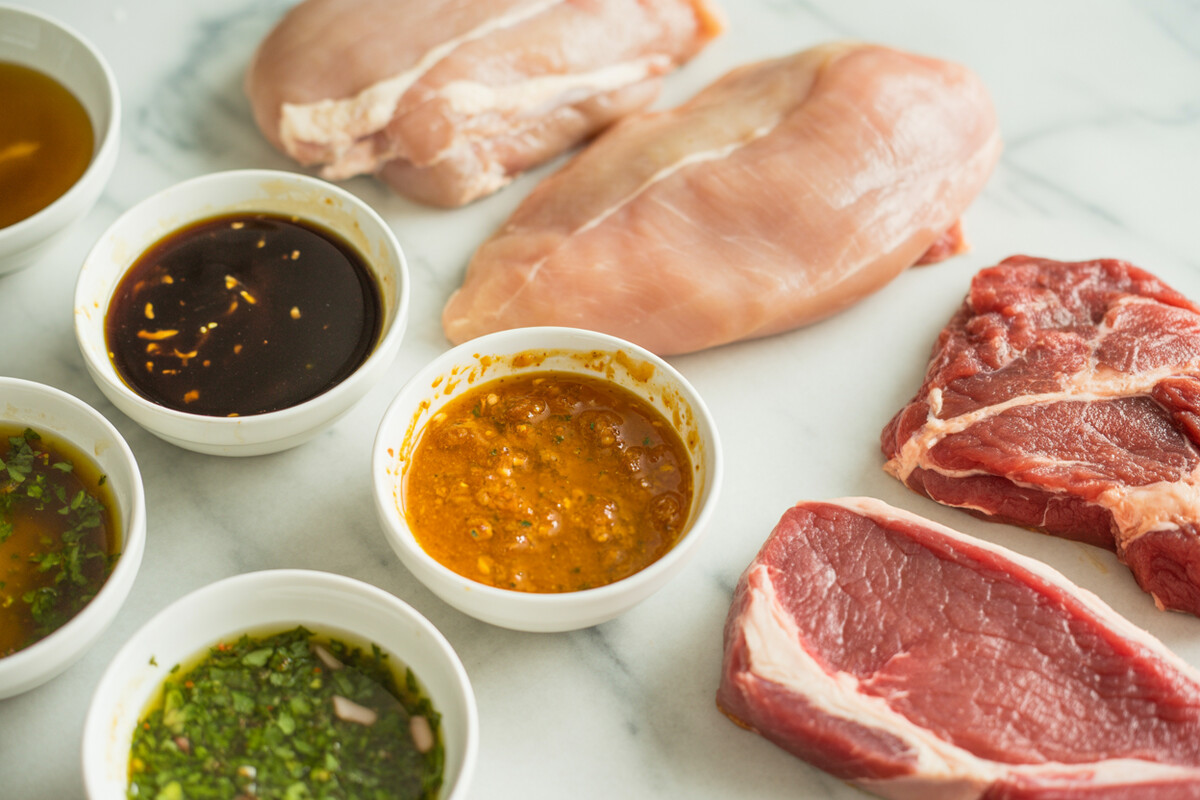
10-Minute Marinades: Quick Sauces to Instantly Upgrade Any Protein
Discover fast, flavor-packed marinades you can whip up in 10 minutes to transform chicken, beef, fish, or tofu. Easy recipes, bold results!
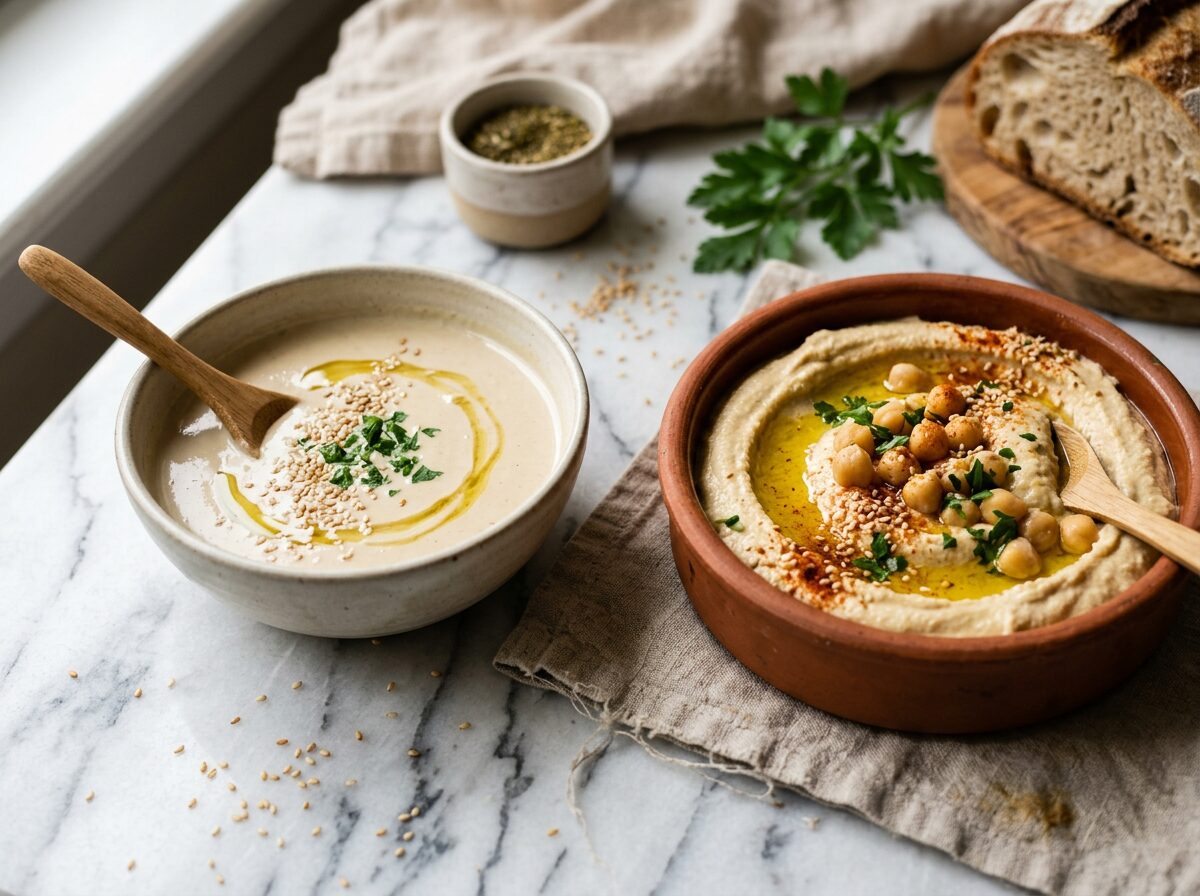
Tahini Sauce vs. Hummus: Differences, Uses, and When to Choose Each
Compare tahini sauce and hummus: key ingredients, texture, flavor, and best uses. Learn when to use each Middle Eastern classic in your cooking.
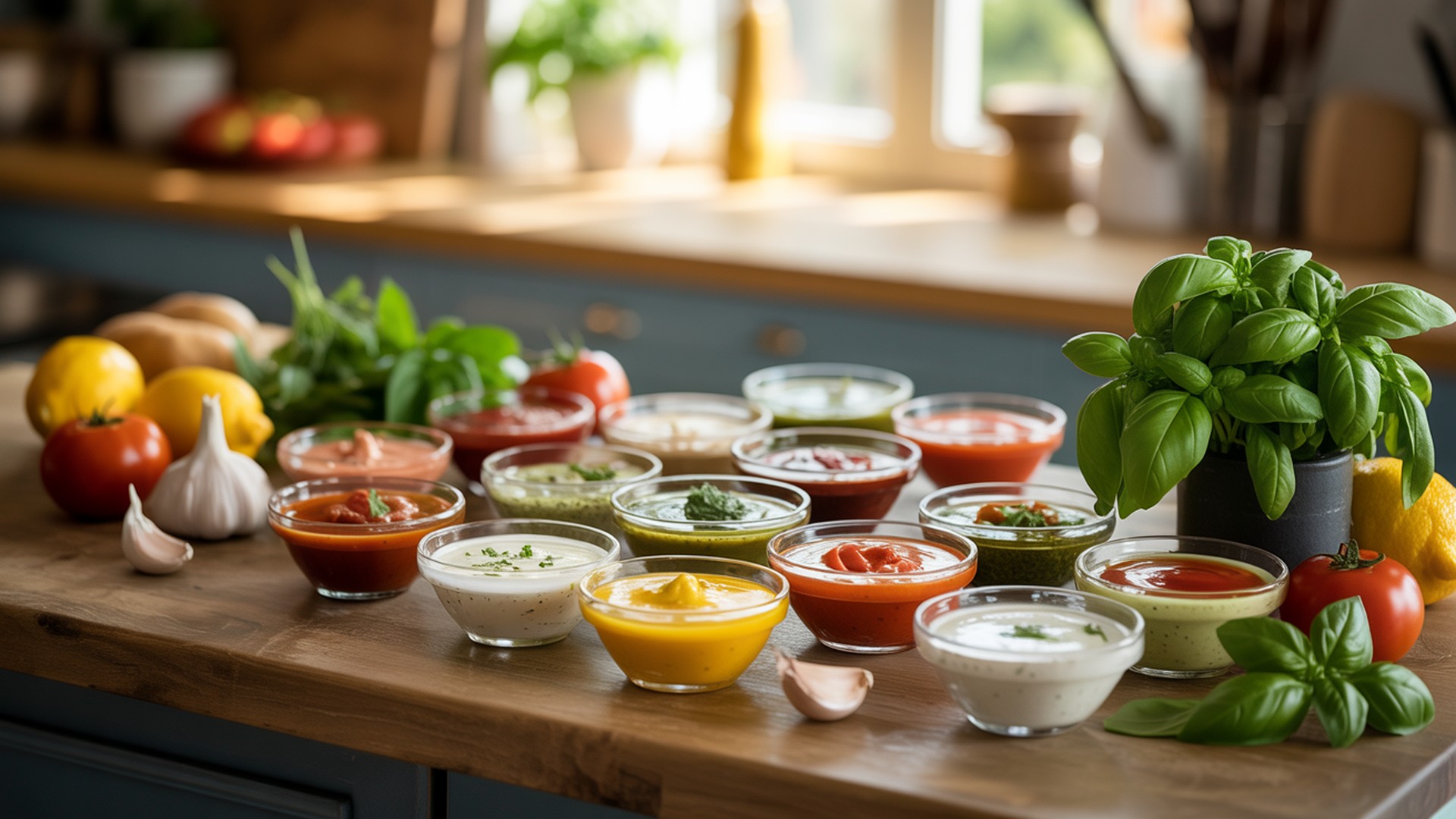
Best Sauces for Grilled Vegetables: 10 Pairings That Add Bold Flavor
Discover 10 delicious sauces that perfectly complement grilled vegetables. Elevate your summer grilling with these easy, flavor-packed pairings and recipes.
How to Make 3-Ingredient Sauces: Quick Recipes for Busy Weeknights
Discover easy 3-ingredient sauce recipes you can whip up in minutes to save dinner and boost flavor—perfect for busy weeknights and last-minute meals.