How to Store Sauces in the Fridge: Safety, Shelf Life, and Best Containers
Learn how to safely store sauces in your fridge, extend their shelf life, and choose the best containers to keep flavors fresh and prevent spoilage.
Written by FoodieManiac
With over 8 years of sauce-making experience, I've tested hundreds of techniques and products to bring you practical, reliable advice. Learn more about me →
The Science of Sauce Storage: Why Refrigeration Matters
Proper refrigeration is essential for preserving the safety, quality, and flavor of your homemade and store-bought sauces. Bacteria, yeasts, and molds multiply rapidly at temperatures above 40°F (4°C). Storing sauces in the fridge slows microbial growth, extending shelf life and preventing foodborne illness. Whether you’ve made a fresh Homemade Chimichurri Sauce or opened a bottle of store-bought ketchup, understanding the science behind refrigeration keeps your sauces fresh and safe.
Essential Temperatures for Storing Sauces
For optimal preservation, store all sauces at or below 40°F (4°C). The ideal refrigerator temperature is 35–38°F (1.6–3.3°C). Use an appliance thermometer to verify your fridge’s accuracy. Sauces left above 40°F for more than 2 hours (or 1 hour if the room is above 90°F/32°C) should be discarded, as bacteria like Salmonella and Listeria can multiply quickly.
How Temperature Affects Sauce Types
- Creamy sauces (mayonnaise, ranch, blue cheese): Highly perishable. Must be kept cold and sealed. Example: Homemade Creamy Buffalo Blue Cheese Dip.
- Acidic sauces (vinaigrettes, tomato-based, citrus): More resistant to spoilage due to lower pH but still require refrigeration after opening or making. Try our Homemade Greek Lemon-Oregano Vinaigrette for a zesty option.
- Oil-based sauces: Oils can go rancid at room temperature, especially with added garlic or herbs - always refrigerate.
- Fermented sauces (soy, sriracha): More shelf-stable, but refrigeration maintains best flavor and color.
Best Containers for Storing Sauces
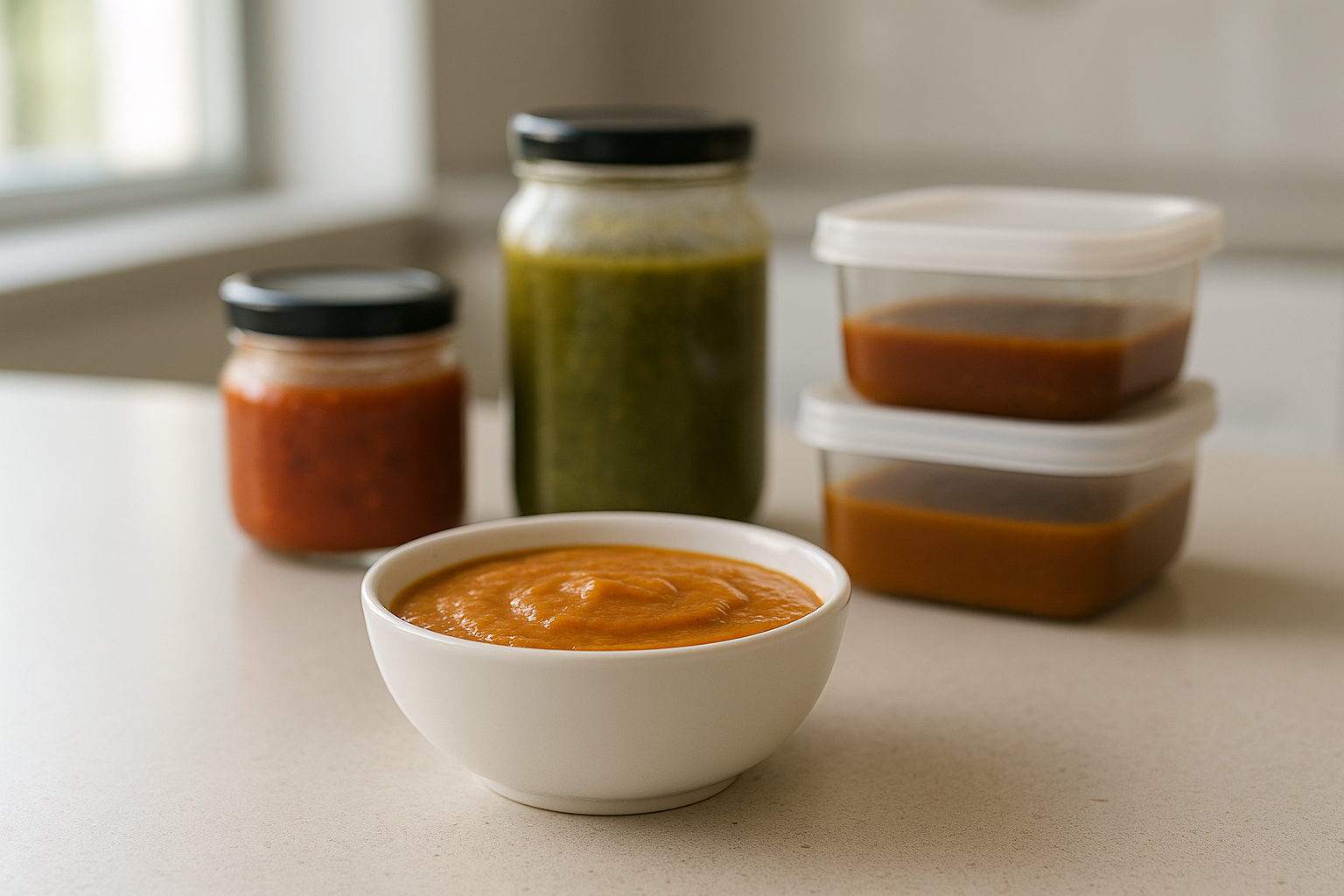
The right container preserves freshness, prevents cross-contamination, and minimizes exposure to air and light. Here’s how to choose:
Material Matters
- Glass jars: Nonreactive and impermeable to odors. Ideal for acidic sauces like Authentic Italian Salsa Verde.
- Food-grade plastic containers: Lightweight and shatterproof. Choose BPA-free options. Best for thick dips like Creamy Feta Dill Dip.
- Stainless steel: Nonreactive but less common for home use due to opacity. Good for short-term storage.
Container Features
- Airtight lids: Prevent odors and contamination. Always use containers with tight-fitting lids.
- Clear containers: Allow easy monitoring for spoilage (mold, separation, color change).
- Small sizes: Store sauces in portioned amounts. This reduces repeated exposure to air and temperature fluctuations.
How Long Do Sauces Last in the Fridge?
Shelf life varies based on ingredients, acidity, and storage. For a full chart, see our How Long Do Sauces Last? Shelf Life Guide. Here’s a general guideline:
- Mayonnaise-based sauces: 3–7 days homemade, up to 2 months after opening store-bought.
- Creamy dairy sauces: 3–5 days. Example: Homemade Creamy Parmesan Caesar Dip.
- Vinaigrettes: 1–2 weeks, longer if high in vinegar and sugar. Shake before use as oil may separate.
- Cooked tomato sauces: 5–7 days. Try Thermomix Roasted Tomato Basil Sauce.
- Chili, BBQ, and hot sauces: 1–3 months, thanks to vinegar and sugar. Example: Smoky Bourbon BBQ Sauce.
- Fresh herb sauces (chimichurri, mint chutney): 3–5 days. See Authentic Indian Mint Chutney (Hari Chutney) Recipe.
- Nut- and tahini-based sauces: 5–7 days. For more, see Tahini Sauce vs. Hummus: Differences, Uses, and Best Pairings.
How to Tell if a Sauce Has Spoiled
- Unpleasant sour or rancid smell
- Visible mold, pink, green, or fuzzy patches
- Unusual separation or curdling (not just oil separation in vinaigrettes)
- Off flavors or fizzing (sign of fermentation)
- Change in color, especially darkening or cloudiness
When in doubt, throw it out. Consuming spoiled sauces can cause illness.
Best Practices for Safe Sauce Storage
Cool Sauces Quickly
Always cool freshly made sauces to room temperature (< 2 hours) before refrigerating. For large batches, divide into shallow containers (no more than 2 inches deep) to speed cooling. Rapid cooling prevents bacteria from multiplying during the “danger zone” (40–140°F/4–60°C).
Label and Date Everything
Use masking tape and a permanent marker to label containers with the name and date of preparation. This helps you track freshness and prioritize older sauces. FIFO (“first in, first out”) is a professional kitchen standard.
Minimize Cross-Contamination
- Always use clean utensils when scooping sauce.
- Never dip foods or fingers directly into containers.
- Store sauces on the main shelves, not fridge doors, for most stable temperature.
Don’t Reuse Containers Without Washing
Wash containers in hot, soapy water (or dishwasher) between uses. Residues can harbor bacteria and spoil new batches faster.
Stir or Shake Before Serving
Some sauces separate naturally (oil, herbs, solids). Stir or shake before serving to reincorporate ingredients and check for spoilage.
Special Considerations for Specific Sauce Types
Egg- and Dairy-Based Sauces
Egg yolk-based sauces (like hollandaise, Caesar, or aioli) and dairy sauces are highly perishable. Make only what you’ll use within a few days, and keep them tightly sealed in the coldest part of your fridge. For tips on preventing curdling, see How to Temper Eggs for Sauces.
Herb and Garlic Sauces
Fresh herb sauces, such as chimichurri or salsa criolla, spoil faster due to high water content. Garlic in oil is particularly risky - never store at room temperature as it can cause botulism. Always refrigerate immediately and use within 3–5 days.
Nut and Seed Sauces (e.g., Tahini, Peanut, Dukkah Oil)
Nut and seed-based sauces contain oils that can go rancid. Store in airtight glass containers and keep away from light. See the differences and uses in Tahini vs. Peanut Sauce: Flavor, Uses, and Nutrition Compared.
Sugar- and Vinegar-Based Sauces (e.g., BBQ, Sweet and Sour, Ketchup)
These sauces are more shelf-stable due to their high acidity and/or sugar. Still, always refrigerate after opening or making at home. For homemade options, try Copycat McDonald's Sweet and Sour Sauce Recipe or Homemade Kansas City-Style BBQ Sauce.
Advanced Tips: Extending Sauce Shelf Life
Vacuum Sealing
Vacuum sealing reduces oxygen exposure and can double or triple refrigerated shelf life. Use vacuum-sealable bags or containers designed for liquids. For a step-by-step tutorial, see How to Vacuum Seal Sauces for Maximum Freshness and Long-Term Storage.
Pasteurization
Pasteurizing homemade sauces (heating to 165–185°F/74–85°C for 1–2 minutes, then rapid cooling) destroys spoilage organisms and extends safe storage. This is especially useful for large batches. For instructions, visit How to Pasteurize Homemade Sauces for Longer Shelf Life at Home.
Freezing Sauces
- Many sauces freeze well in small, airtight containers or ice cube trays.
- Avoid freezing dairy-heavy sauces (texture may suffer) unless emulsified.
- Label with type and date; most sauces keep 2–3 months frozen.
Common Mistakes to Avoid
- Storing hot sauces in the fridge: Hot foods raise fridge temperature, risking other foods. Cool sauces before refrigerating.
- Using non-airtight or unclean containers: Promotes spoilage and off-flavors.
- Storing sauces in the fridge door: Temperature fluctuates too much - prefer middle or bottom shelves.
- Keeping leftovers too long: Always check storage guidelines and don’t rely solely on appearance or smell.
- Ignoring cross-contamination: One dirty spoon can ruin a whole batch.
FAQs: Sauce Storage and Safety
Can I store sauces that contain raw eggs?
Egg-based sauces must be kept below 40°F (4°C) and used within 2–3 days. Pasteurize eggs before use if possible, as in homemade Copycat Freddy's Fry Sauce or aioli. See How to Temper Eggs for Sauces for safety techniques.
Is it safe to store homemade garlic oil?
Homemade garlic oil is a botulism risk at room temperature. Always refrigerate and use within 3 days. Discard immediately if bubbles, off smells, or cloudiness develop.
Can I store sauces in metal containers?
Stainless steel is safe if clean and nonreactive, but avoid aluminum (reacts with acids) and copper (toxic in contact with food acids).
Do I need to refrigerate all store-bought sauces?
Unopened shelf-stable sauces (soy, hot sauce, ketchup) are fine in the pantry. Once opened, always refrigerate unless the label states otherwise. Refrigeration preserves color, texture, and flavor.
Practical Examples: Storing Popular Sauce Recipes
- Copycat Texas Roadhouse Cinnamon Honey Butter: Store in an airtight container for up to 1 week in the fridge. Bring to room temp before serving for easy spreading.
- Thermomix Creamy Roasted Beetroot Dip: Store in glass or BPA-free plastic, use within 5 days. Stir before serving.
- Authentic Lebanese Toum (Garlic Whipped Sauce) Recipe: Airtight glass jar, up to 3 weeks refrigerated. Always use clean utensils to avoid contamination. For more on toum, see How to Make Toum: Lebanon’s Creamy Garlic Sauce Explained.
- Homemade Chimichurri Sauce for Grilled Meats: Glass jar, up to 5 days. For longer storage, freeze in ice cube trays.
- Homemade Spicy Maple BBQ Sauce: Store in glass, up to 1 month. Stir before use as separation is natural.
Conclusion: Make Every Drop Count
Smart sauce storage preserves flavor, saves money, and ensures food safety. By maintaining proper temperatures, choosing the right containers, and following best practices, you can enjoy every batch of sauce at its best. For more sauce inspiration, check out our Best Sauces for Eggs: 12 Pairings to Elevate Breakfast and Brunch or learn how to add depth to your condiments with How to Infuse Sauces With Herbs and Spices: Techniques for Maximum Flavor. Take care with your sauces, and every meal will be elevated by the perfect finishing touch.
TAGS
Related Articles
Freezing Sauces 101: Best Sauces to Freeze and How to Thaw Them Safely
Discover which sauces freeze well, step-by-step freezing methods, and how to safely thaw for best flavor and texture. Preserve your homemade sauces longer.
Freezing Sauces 101: Best Methods to Preserve Flavor, Texture, and Quality
Learn how to freeze sauces the right way. Discover tips on storage, thawing, and which sauces freeze best to keep flavors fresh and textures perfect.
How to Freeze Sauces for Maximum Freshness: Methods, Tips, and Mistakes to Avoid
Learn the best techniques to freeze sauces, dressings, and dips. Discover which sauces freeze well, storage tips, and how to thaw for best results.
Freezing Sauces 101: Best Methods for Preserving Flavor and Texture
Learn how to freeze sauces the right way—tips for creamy, tomato, and herb sauces plus thawing tricks to maintain taste and texture.