How Long Do Sauces Last? Shelf Life Guide for Homemade & Store-Bought
Discover how long sauces last in the fridge, freezer, and pantry. Learn to spot spoilage and maximize the shelf life of homemade and store-bought sauces.
Written by FoodieManiac
With over 8 years of sauce-making experience, I've tested hundreds of techniques and products to bring you practical, reliable advice. Learn more about me →
Understanding Sauce Shelf Life: The Essentials
Sauces are a cornerstone of home cooking, but their shelf life varies widely depending on ingredients, preparation method, and storage. Knowing how long your sauce lasts isn’t just about taste - it’s about food safety. This guide covers homemade and store-bought sauces, optimal storage, and when to toss or trust your favorite condiments.
Key Factors Affecting Sauce Shelf Life
- Ingredients: Dairy, eggs, fresh herbs, and raw garlic decrease shelf life. Vinegar, sugar, and salt extend it.
- Acidity: Low pH (more acidic) sauces last longer. For example, classic vinaigrettes outlast creamy dressings.
- Cooking Method: Cooked sauces generally last longer than raw, no-cook blends.
- Storage Temp: Sauces last longest refrigerated (below 40°F/4°C), and even longer when frozen (0°F/-18°C).
- Contamination: Double-dipping or using dirty utensils quickly introduces bacteria, shortening shelf life.
How Long Do Homemade Sauces Last?
Homemade sauces rarely have preservatives, so their storage times are shorter than commercial versions. Here’s what you need to know for common categories:
Creamy and Dairy-Based Sauces
Mayonnaise, ranch, blue cheese, and yogurt-based sauces are particularly perishable. Once prepared, refrigerate immediately in a clean, airtight container.
- Fridge: 3–5 days (store below 40°F/4°C)
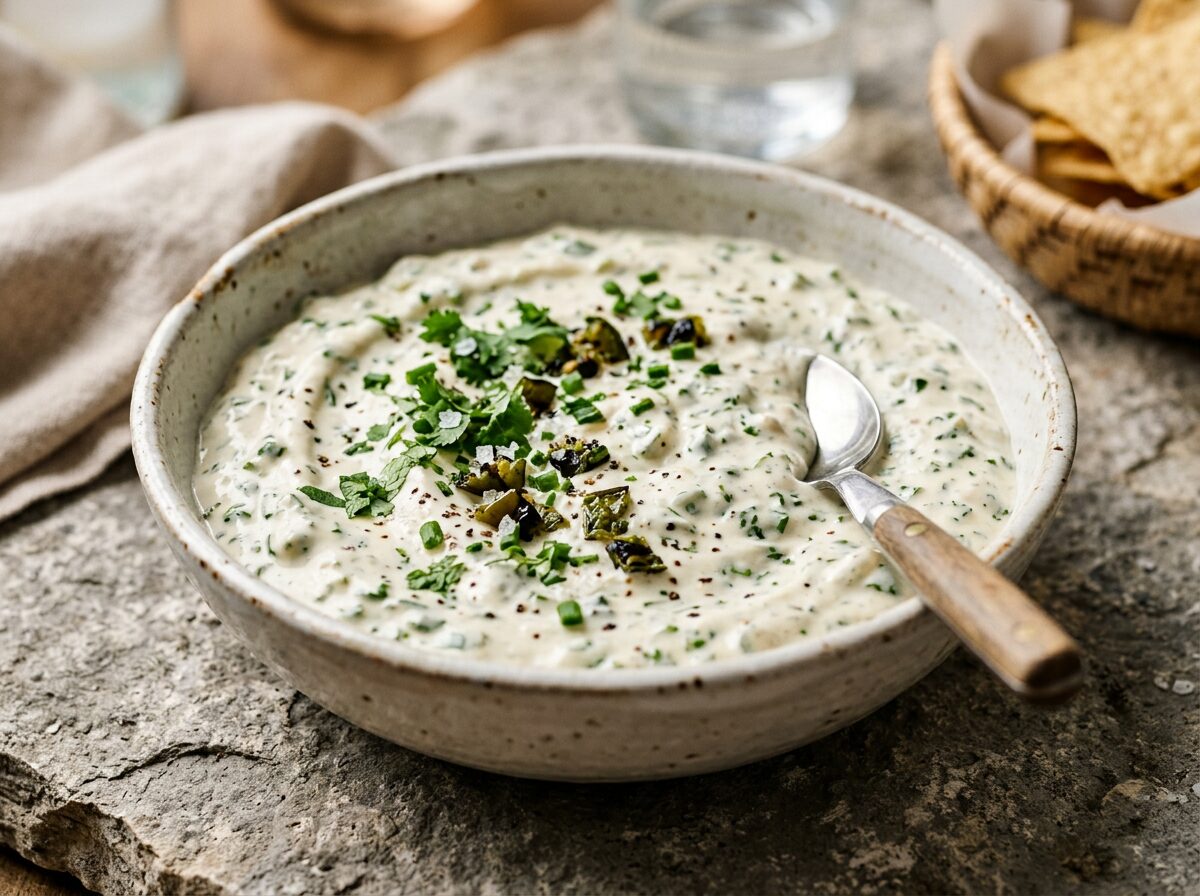
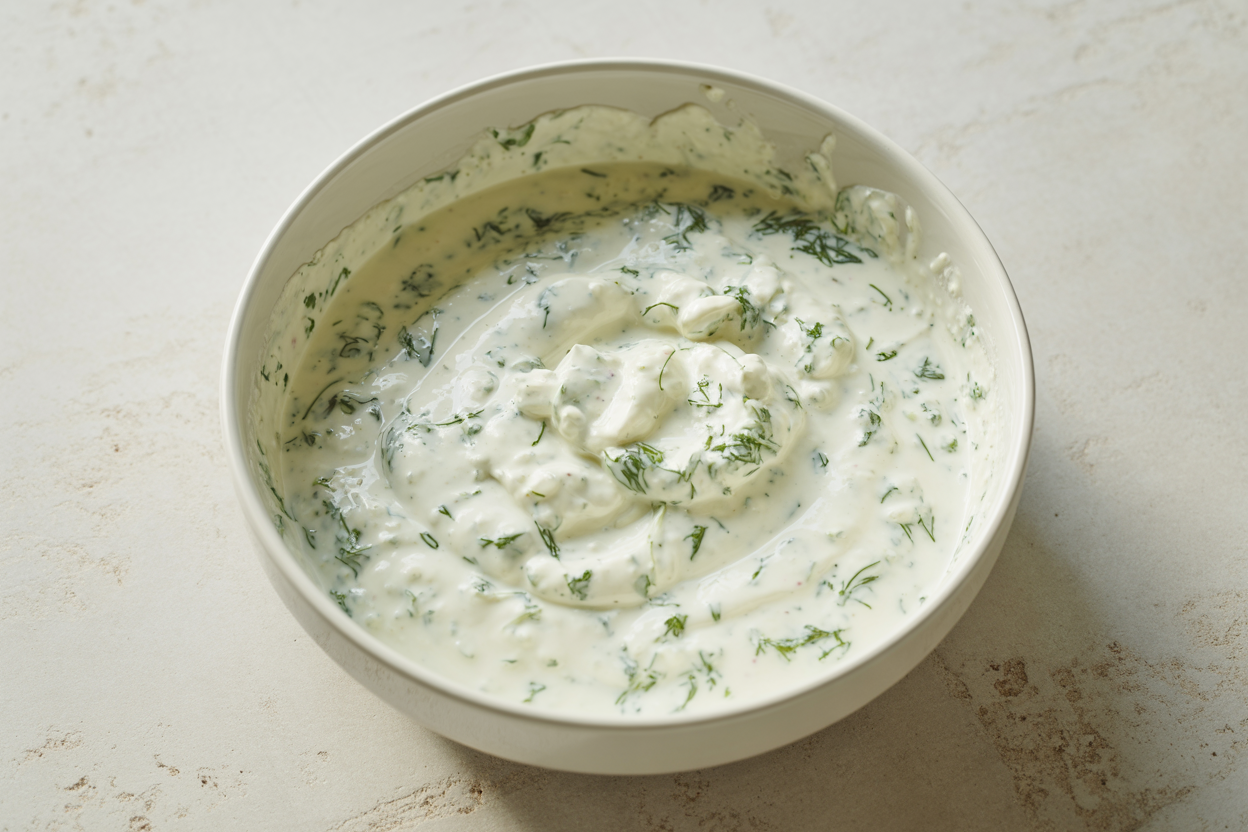
- Example recipes: Creamy Jalapeño Cilantro Dip, Copycat Wingstop Ranch Dressing, Thermomix Ranch Dressing
Homemade mayo-based sauces should not be left at room temperature for more than 2 hours. If using raw eggs, consume within 2–3 days.
Oil and Vinegar-Based Sauces (Vinaigrettes, Chimichurri, Salsa Verde)
Vinaigrettes and herb sauces with high acidity last longer due to natural preservation from vinegar or citrus.
- Fridge: 1–2 weeks for classic vinaigrettes (Best Balsamic Vinaigrette), 3–5 days for fresh herb sauces (Italian Salsa Verde, Argentine Chimichurri)
Always use clean utensils and shake before serving, as separation is normal.
Cooked Tomato, BBQ, and Stir-Fry Sauces
Cooking destroys many bacteria and enzymes, increasing shelf life. Store in sterilized glass jars or food-grade plastic containers.
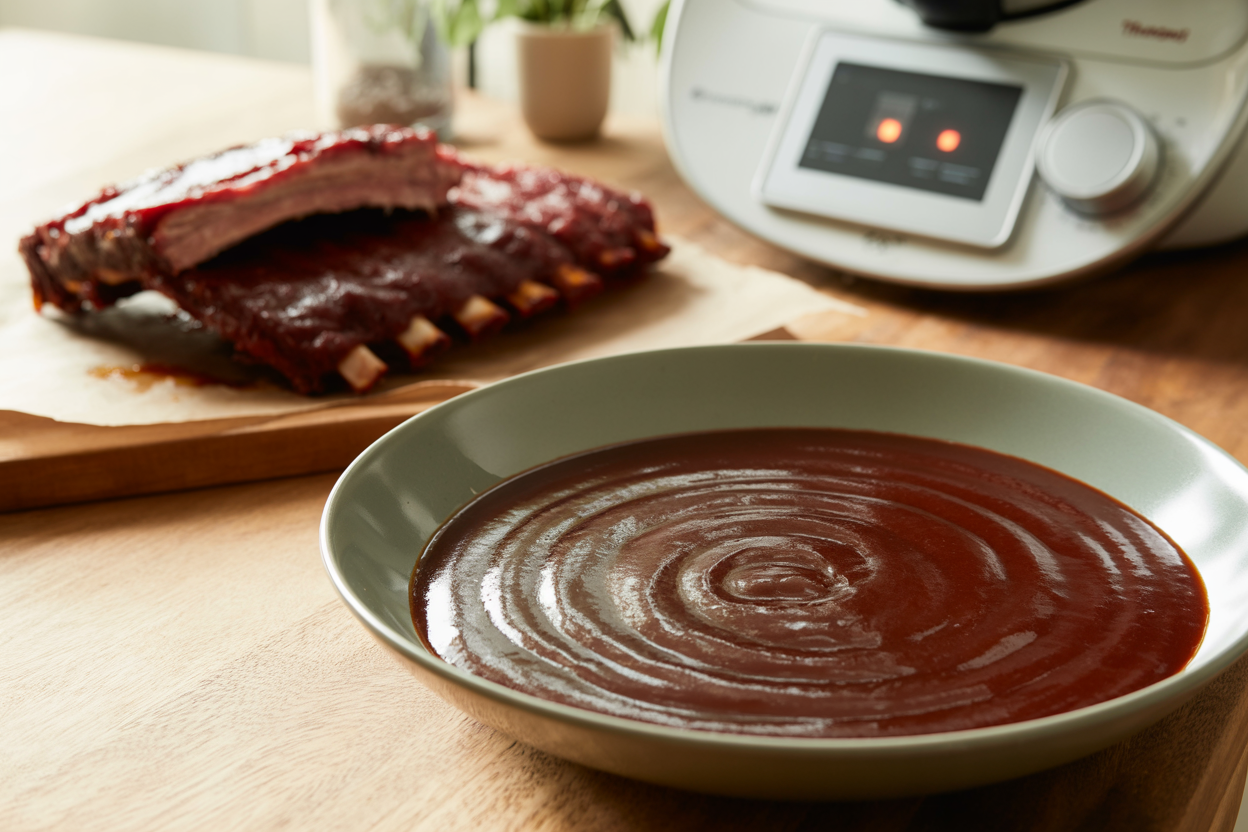
- Fridge: 5–7 days (Smoky Bourbon BBQ Sauce, Easy Honey BBQ Glaze, Best Honey Garlic Stir-Fry Sauce)
- Freezer: Up to 3 months (see Freezing Sauces 101 for best practices)
Cool to room temperature (below 70°F/21°C) within 2 hours before refrigerating to prevent bacterial growth.
Pesto, Romesco, and Nut-Based Sauces
These sauces can spoil quickly due to fresh herbs and nuts. Cover tightly with oil to reduce oxidation and store in the coldest part of your fridge.
- Fridge: 3–5 days (Authentic Romesco Sauce)
- Freezer: 2–3 months; freeze in silicone ice cube trays for portion control
Pesto and similar sauces are prone to discoloration; surface browning is from oxidation but off-odors mean it’s time to toss.
Fresh Herb and No-Cook Sauces
No-cook sauces (No-Cook Sauces: 10 Fresh Blends) like Avocado Cilantro Lime Dressing and Aji Verde are highly perishable:
- Fridge: 2–4 days
Air exposure causes quick spoilage; press plastic wrap directly onto the surface before sealing to minimize browning.
How Long Do Store-Bought Sauces Last?
Commercial sauces contain preservatives, pasteurization, or acidifiers to prolong shelf life. Always check the “Best By” and “Use By” dates, but storage after opening is still critical.
Unopened Sauces
- Pantry-stable sauces: (ketchup, mustard, hot sauce, commercial BBQ) last 6–12 months when stored in a cool, dark place (60–70°F/15–21°C).
- Refrigerated sauces: (some salad dressings, dairy-based dips) should stay under 40°F/4°C and used by the printed date.
After Opening
- Ketchup, Mustard, Hot Sauce: 6 months in the fridge
- Mayonnaise: 2 months after opening
- BBQ Sauce: 1–4 months (Memphis-Style BBQ Sauce, Texas BBQ Sauce, Copycat Chick-fil-A Polynesian Sauce)
- Salad Dressings (creamy): 1–2 months
- Salad Dressings (vinaigrette): 3 months
- Asian Sauces (soy, teriyaki): 6 months (Japanese Teriyaki Sauce, Thermomix Teriyaki Sauce)
- Specialty Hot Sauces: 6 months or longer if high in vinegar and salt
Always refrigerate after opening unless the label says otherwise. If in doubt, trust your senses - discard any sauce with off odors, separation, or visible mold.
How to Store Sauces for Maximum Freshness
- Temperature: Store all perishable sauces below 40°F/4°C. Use a fridge thermometer for accuracy.
- Containers: Glass jars with tight-fitting lids or food-grade plastic containers prevent absorption of odors and leaching of flavors.
- Labeling: Always label with the date made or opened. Use painter’s tape and a marker for quick reference.
- Keep air out: Press plastic wrap directly onto surface for guacamole, pesto, or creamy dips to prevent oxidation.
- Freezing: Divide into small portions (ice cube trays or 4-oz deli containers) and freeze for up to 3 months. Thaw in the fridge overnight.
For more on freezing, see Freezing Sauces 101.
When to Toss: Signs Your Sauce Has Gone Bad
- Mold: Any visible fuzzy spots or change in texture - discard immediately.
- Off smell: Sour, rancid, or “off” odors are a clear sign of spoilage.
- Separation: Some separation is normal (especially for vinaigrettes). If emulsified sauces (like hollandaise or mayo) separate and smell strange, discard.
- Color change: Darkening, excessive browning, or odd colors are warning signs (especially in herb-based sauces).
- Bubbling or fizzing: Unusual effervescence means fermentation and should be thrown out.
Actionable Tips to Extend Sauce Life
- Use smaller, clean spoons: Prevent cross-contamination - never dip food or used utensils into the sauce.
- Portion out servings: Pour out what you need; don’t return unused portions to the original container.
- Cool quickly: If making a hot sauce, cool to room temperature within 2 hours before refrigerating.
- Acidify: Add lemon juice or vinegar to homemade dressings and herb sauces to lower pH and improve safety.
- Batch size: Make smaller amounts of perishable sauces like aioli (Aioli vs. Garlic Mayo) or yogurt dressings to reduce waste.
- Freeze leftovers: For sauces like Buffalo Sauce or Thai Peanut Sauce, freeze in cubes for easy use in future meals.
Sauce Shelf Life Quick Reference Table
| Sauce Type | Homemade (Fridge) | Store-Bought (After Opening, Fridge) | Freezer (Homemade) |
|---|---|---|---|
| Mayonnaise-based | 3–5 days | 2 months | 1 month |
| Vinaigrettes | 1–2 weeks | 3 months | 3 months |
| Cooked BBQ/Tomato | 5–7 days | 1–4 months | 3 months |
| Herb/Oil Sauces | 3–5 days | 1–2 weeks | 2–3 months |
| Creamy Dairy | 3–5 days | 1–2 months | 1 month |
| Nut-based (Pesto, Romesco) | 3–5 days | 1–2 weeks | 2–3 months |
| Soy/Teriyaki | 1 week | 6 months | 3 months |
| Hot Sauce | 1 month | 6–12 months | 6 months |
Popular Sauces: Storage and Shelf Life Examples
- Creamy Jalapeño Cilantro Dip: 3–4 days (fridge), do not freeze due to dairy separation.
- Italian Salsa Verde: 3–5 days (fridge), freeze in cubes for up to 2 months.
- Smoky Bourbon BBQ Sauce: 1 week (fridge), 3 months (freezer).
- Roasted Red Pepper Hummus: 4–5 days (fridge), 3 months (freezer).
- Japanese Teriyaki Sauce: 1 week (fridge), 3 months (freezer).
- Thermomix Garlic Aioli: 3–5 days (fridge), not freezer-friendly.
For more fast, no-cook options, see How to Make 3-Ingredient Sauces and No-Cook Sauces: 10 Fresh Blends.
Storing Sauces by Type: Best Practices
- BBQ Sauces: Store in glass for best flavor preservation. If making at home, sterilize jars in boiling water for 10 minutes before filling.
- Herb Sauces (Chimichurri, Salsa Verde): Store tightly covered; top with a thin layer of oil to reduce oxidation.
- Mayonnaise-Based Salad Dressings: Make small batches; always refrigerate and consume within 3–5 days.
- Nut and Seed Sauces (Tahini, Romesco): Keep cold and airtight. Freeze if not using within 5 days.
- Fermented or Vinegar-Rich Hot Sauces: Can last several months; store in dark glass and refrigerate for best flavor.
For creative pairing ideas, check out Best Sauces for Grilled Vegetables and Best Sauces for Roasted Vegetables.
Frequently Asked Questions
Can I leave sauces at room temperature?
Most homemade sauces should not be left at room temperature for more than 2 hours (or 1 hour above 90°F/32°C) due to rapid bacterial growth. Commercial shelf-stable sauces can be stored unopened in the pantry, but always refrigerate after opening unless stated otherwise.
Can you freeze all sauces?
Most cooked sauces freeze well, but dairy and egg-based sauces (like hollandaise, ranch, or aioli) tend to separate or become grainy. For more info, refer to Freezing Sauces 101.
Why do some sauces last longer than others?
Preservative content, acidity, and water activity are key. High-acid, low-water sauces (like hot sauce) can last for months, while fresh, low-acid sauces spoil within days. For in-depth comparison, see Homemade vs. Store-Bought Sauces.
How do I know if my sauce is still safe?
Use the guidelines above, and always check for mold, off odors, or bubbling. If unsure, err on the side of caution and discard.
Conclusion: Safe, Flavorful Sauces Every Time
Understanding sauce shelf life is crucial for both the safety and enjoyment of your meals. Make sauces in small batches, store them properly, and use your senses to judge freshness. For more sauce inspiration, explore 7 Quick Weeknight Sauces and try recipes like Copycat In-N-Out Spread or Restaurant-Style Garlic Butter Sauce to keep your kitchen creative and safe.
TAGS
Try These Recipes
Related Articles
Freezing Sauces 101: Best Sauces to Freeze and How to Thaw Them Safely
Discover which sauces freeze well, step-by-step freezing methods, and how to safely thaw for best flavor and texture. Preserve your homemade sauces longer.
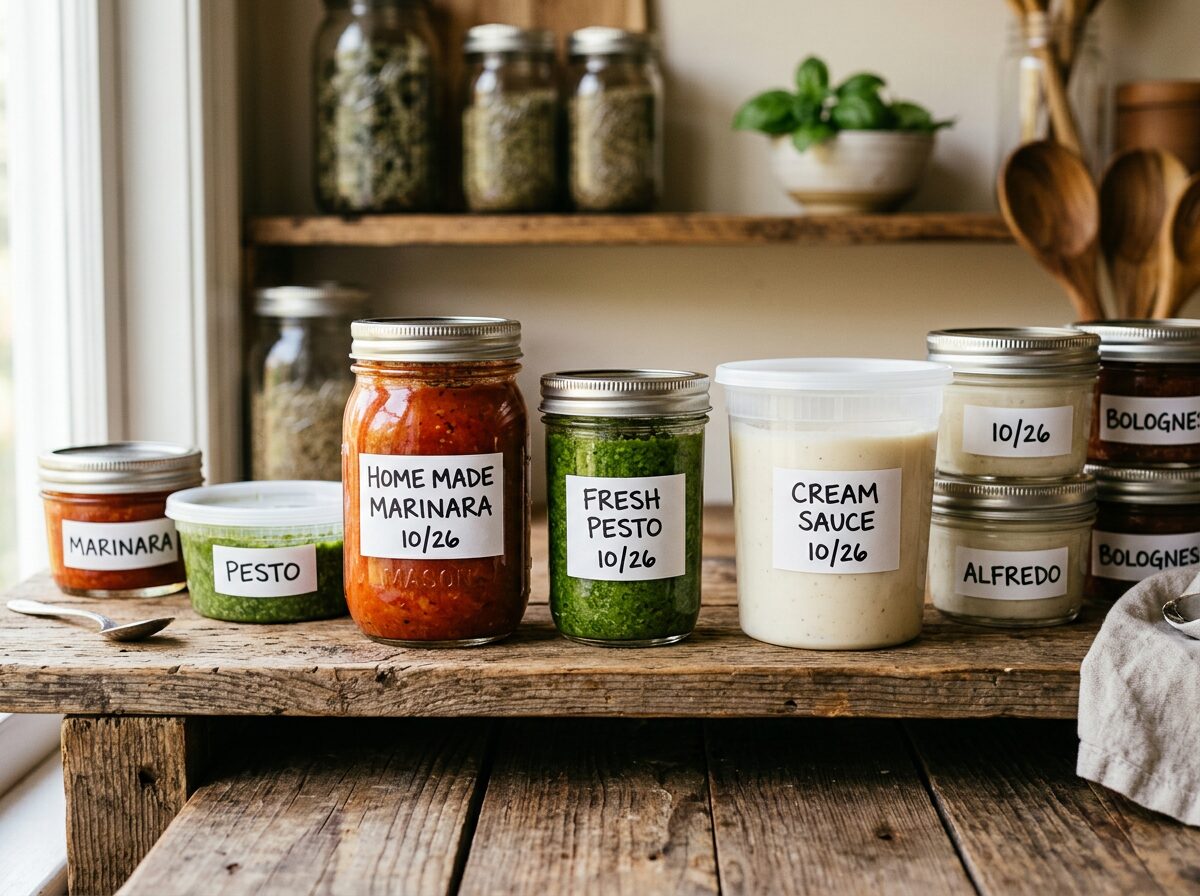
Freezing Sauces 101: Best Methods to Preserve Flavor, Texture, and Quality
Learn how to freeze sauces the right way. Discover tips on storage, thawing, and which sauces freeze best to keep flavors fresh and textures perfect.
How to Make Copycat McDonald’s Big Mac Sauce: The Real Flavor Unlocked
Recreate the iconic Big Mac Sauce at home! Step-by-step recipe, ingredient swaps, and pro tips to nail the tangy, creamy McDonald’s flavor perfectly.
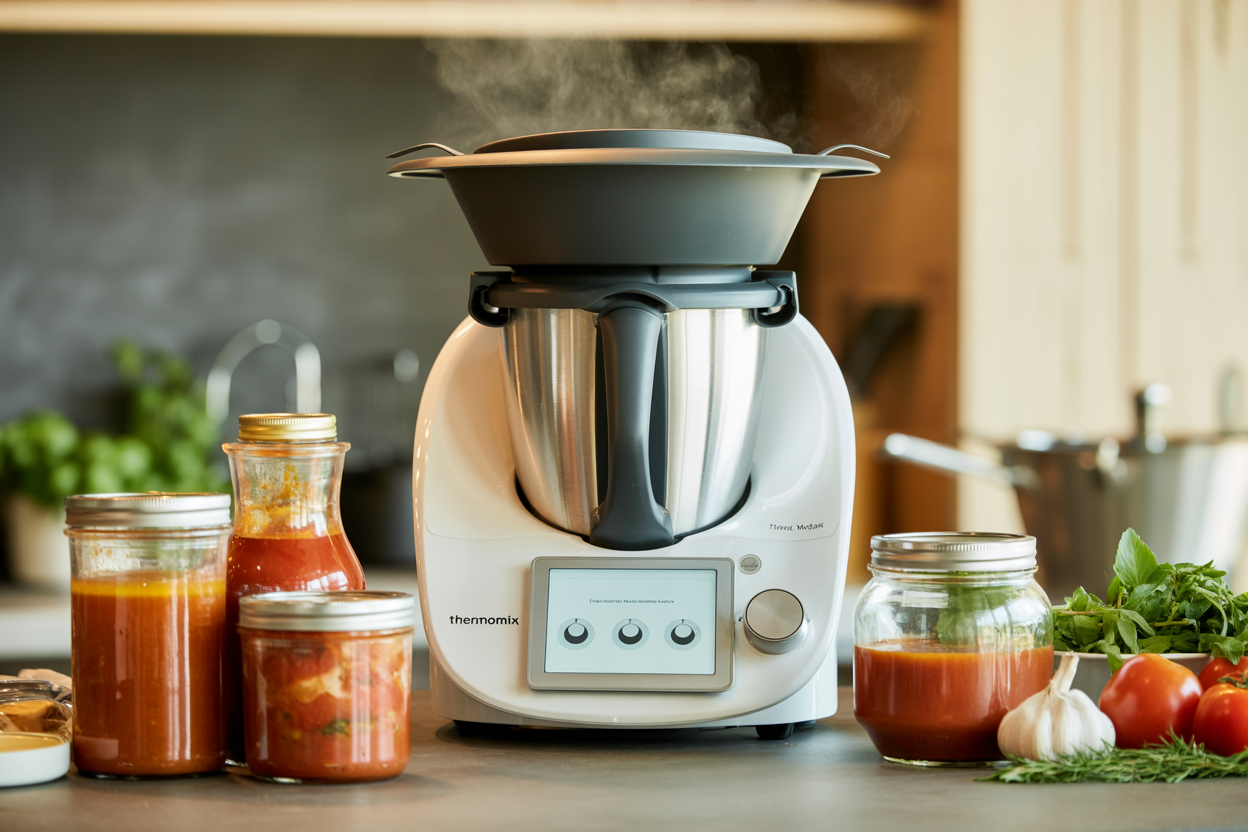
Thermomix Sauce Making: Tips, Tricks, and Best Recipes for Perfect Results
Master sauce making in your Thermomix with expert tips on speed settings, temperature control, emulsification, and our best Thermomix-adapted sauce recipes.