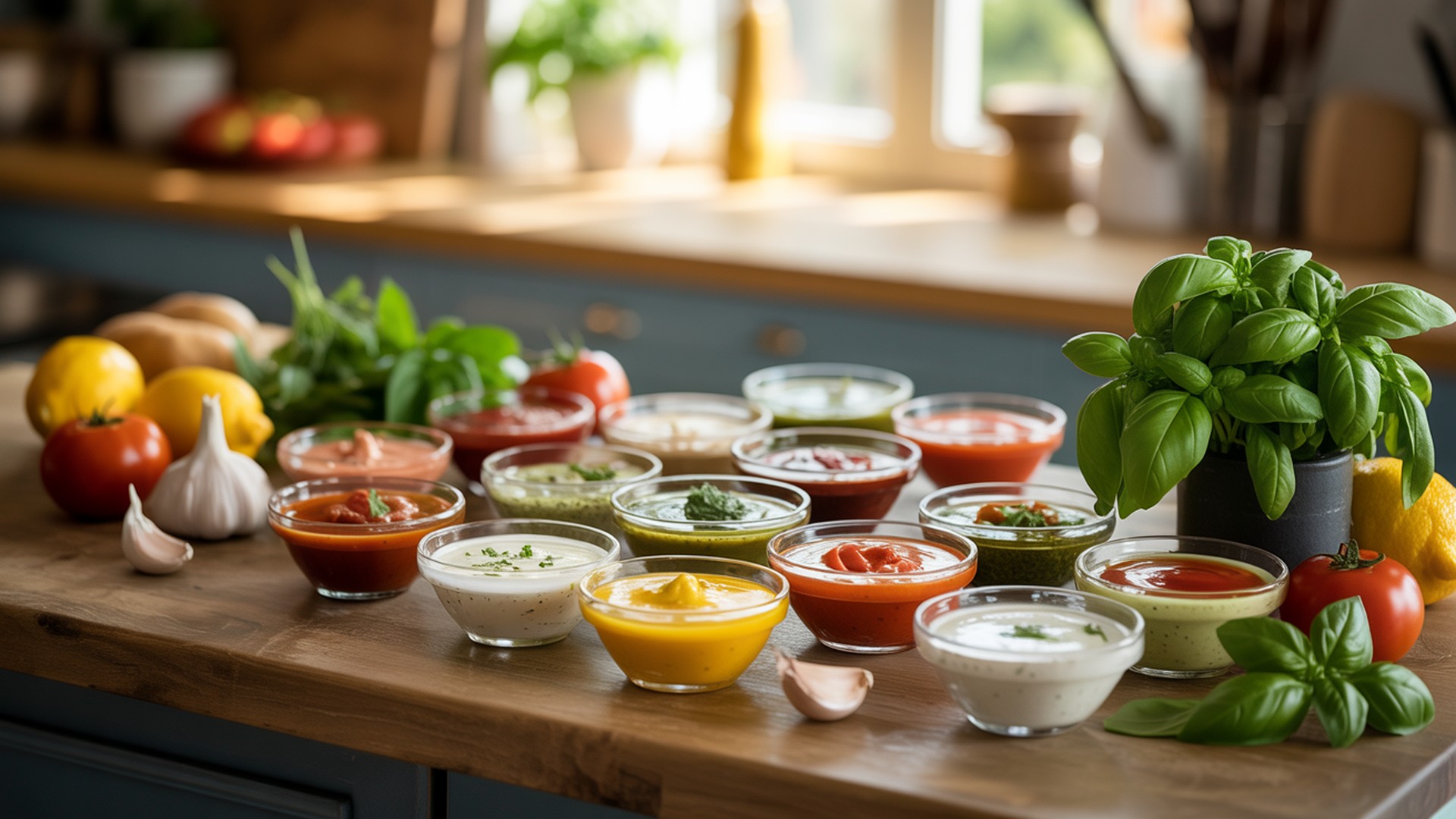
Freezing Sauces 101: Best Methods, Containers, and Thawing Tips
Learn how to freeze sauces safely for maximum flavor and freshness. Discover the best containers, labeling tips, and thawing methods for all sauce types.
Written by FoodieManiac
With over 8 years of sauce-making experience, I've tested hundreds of techniques and products to bring you practical, reliable advice. Learn more about me →
Why Freeze Sauces? The Benefits of Batch Cooking and Preservation
Freezing sauces is a strategic way to save time, reduce waste, and always have flavor boosters on hand. Making sauces in batches allows you to take advantage of seasonal ingredients, bulk deals, or a productive prep session. Freezing locks in flavors, stalls spoilage, and provides ready-to-use portions for quick weeknight meals or special occasions. Whether you're preserving a homemade Romesco Sauce, extra Copycat Subway Chipotle Southwest Sauce, or a big batch of BBQ sauce, freezing helps maintain freshness and convenience.
Which Sauces Freeze Well - and Which Don’t?
Not every sauce is a candidate for freezing. Understanding the science of emulsification, fat, and water content is key to predicting freeze/thaw results. Sauces with high water content and simple ingredients - like tomato, BBQ, or broth-based sauces - freeze best. Dairy-heavy, egg-based, or emulsified sauces (such as hollandaise or mayonnaise) may separate or break when frozen and thawed, though some can be recombined with proper technique.
- Freeze Well: Tomato sauces, BBQ sauces, gravies, pesto, mole, salsa, chimichurri (see: Authentic Argentine Chimichurri Sauce Recipe), Romesco, curry sauces, and most Asian-style stir-fry sauces.
- Freeze with Caution: Dairy-based sauces (cheese, Alfredo, béchamel), mayo-based sauces (ranch, aioli), vinaigrettes, emulsified dressings, and cream sauces. For more on emulsification, see The Science of Emulsification: Why Some Sauces Come Together and Others Fall Apart.
- Not Recommended: Hollandaise, fresh yogurt-based sauces, and whipped cream sauces. Texture and stability are often poor after thawing.
Best Methods for Freezing Sauces
Proper freezing technique is essential for preserving both flavor and texture. The main goals: cool the sauce quickly, portion appropriately, and prevent freezer burn.
Step 1: Cool the Sauce Quickly
Always chill sauces to refrigerator temperature (below 40°F/4°C) before freezing. Rapid cooling prevents bacterial growth and preserves flavor. To quick-chill hot sauce, pour into a shallow pan and place in the fridge uncovered for 30–60 minutes, stirring occasionally to release heat.
Step 2: Portion Before Freezing
Freeze sauces in usable portion sizes. For most home cooks, 1-cup (240ml) or 2-tablespoon (30ml) amounts are ideal. Smaller portions thaw more quickly and reduce waste. For items like Caesar dressing or ranch, consider freezing in ice cube trays for single servings.
Step 3: Choose the Right Container
- Rigid, airtight plastic containers: Best for large amounts (1 cup/240ml or more). Leave ½ inch (1.25cm) headspace for expansion.
- Silicone or plastic ice cube trays: Perfect for small amounts (2 tablespoons/30ml). Once frozen, pop out cubes and transfer to a freezer bag.
- Freezer bags (heavy-duty, zipper-top): Space-saving and great for stacking. Fill, press out air, label, flatten, and freeze flat for easy storage and rapid thawing.
- Vacuum-seal bags: Maximize shelf life and minimize freezer burn. Ideal for long-term storage (6+ months).
- Glass jars (with straight sides): Use only for fully cooled sauces and leave headspace. Avoid jars with shoulders, which can crack as contents expand.
How Long Can You Freeze Sauces?
Most sauces retain peak flavor in the freezer for 3–6 months at 0°F (-18°C) or below. After that, texture and flavor may suffer, though they remain safe if kept continuously frozen. Mark containers with the date for easy rotation. For best results, use within 3 months for delicate sauces and up to 6 months for robust tomato or BBQ sauces. For guidance on freezing vinaigrettes, see Best Balsamic Vinaigrette Recipe and Mayo vs. Yogurt Sauces: Which Base Should You Use?.
How to Label and Organize Frozen Sauces
Use freezer-safe labels or masking tape and permanent marker. Always note the sauce type and date. Group similar sauces together (tomato, BBQ, Asian, herby) for easy access. Store oldest sauces at the front for first-in, first-out use. For a deep dive into storage best practices, see How to Store Homemade Sauces (Complete Guide).
Thawing Sauces Safely: Methods and Timing
Proper thawing preserves both food safety and sauce quality. Never thaw sauces at room temperature for more than 2 hours, as bacteria can multiply rapidly between 40°F (4°C) and 140°F (60°C).
- Refrigerator thaw (best for most sauces): Place sealed bag or container in fridge for 6–24 hours, depending on portion size. 1-cup amounts thaw in about 8 hours; cubes in 2–3 hours.
- Cold water thaw (for rapid defrost): Submerge sealed bag in cold water, changing water every 30 minutes. 1-cup portions thaw in 1–2 hours. Never use warm or hot water.
- Direct-to-pot thaw (for sturdy sauces): Drop frozen sauce into a saucepan on low heat. Stir frequently to prevent scorching. Works well for tomato, BBQ, or curry sauces, but avoid for emulsified or creamy sauces.
- Microwave thaw (if in a rush): Use the defrost setting in short intervals, stirring often. Watch closely to prevent hot spots or separation.
Fixing Thawed Sauce: Restoring Texture and Emulsification
Some thawed sauces may separate or appear grainy. To restore:
- Whisk vigorously to reincorporate separated oils or liquids.
- Re-blend in a blender or with an immersion blender for vinaigrettes, pestos, or creamy sauces.
- Reheat gently over low heat, whisking in a splash of cream, broth, or water to smooth out the texture.
- Re-emulsify broken mayonnaise or ranch with a small amount of mustard, vinegar, or egg yolk, then blend thoroughly. For more on rebalancing, see Acid, Fat, Sugar, Salt: How to Balance Flavors in Any Homemade Sauce.
Special Considerations for Different Sauce Types
Tomato and BBQ Sauces
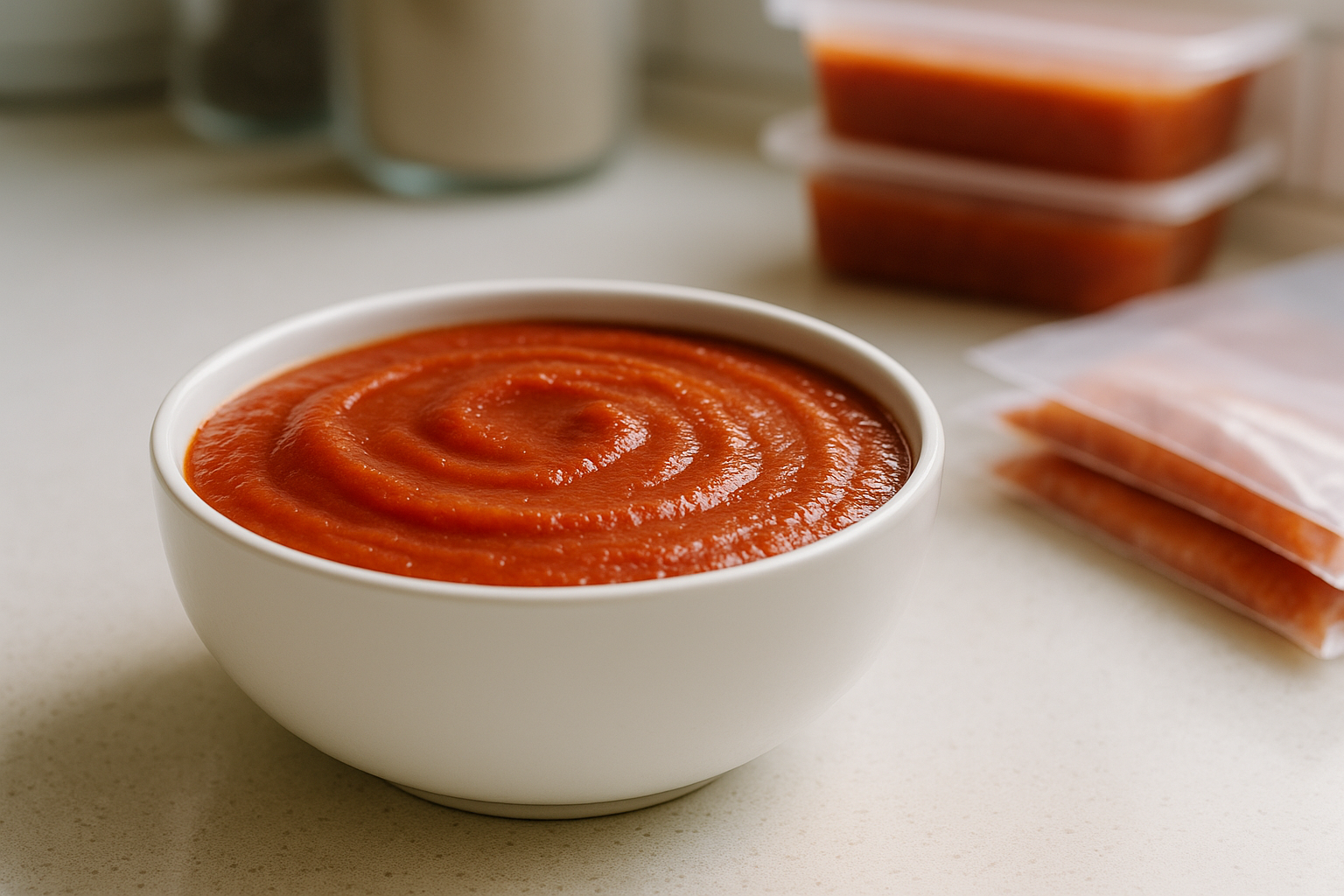
Tomato-based sauces (including Memphis-Style BBQ Sauce and Texas BBQ Sauce) freeze exceptionally well. Cool completely, freeze in airtight containers, and use within 6 months for best flavor. Stir well after thawing to restore consistency.
Herb Sauces: Pesto, Chimichurri, Romesco
Herb sauces such as chimichurri, romesco, and pesto freeze best without cheese or nuts, which can be stirred in after thawing for fresher flavor and smoother texture. Freeze in ice cube trays and transfer to freezer bags for easy use. For more on herb sauces, see Pesto vs. Chimichurri: Comparing Herb Sauces for Pasta, Meat, and More.
Creamy and Dairy-Based Sauces
Cheese, cream, and milk-based sauces (like Alfredo or cheese sauce) may become grainy or separate. To improve results, freeze without the dairy component and add it after reheating. If freezing complete sauces, blend after thawing and reheat gently, adding a splash of milk or cream to restore smoothness.
Mayonnaise, Ranch, and Other Emulsified Sauces
Mayo-based sauces (such as Wingstop Ranch, aioli, or ranch) can separate. Freeze in small amounts for shortest storage (1–2 months); re-blend thoroughly after thawing. For copycat favorites, see our step-by-step Chick-fil-A Sauce guide.
Asian Sauces: Teriyaki, Peanut, Sweet Chili
Most Asian-style sauces (teriyaki, peanut, sweet chili) freeze and thaw beautifully. Freeze in small jars or cubes, and stir well after thawing. For best consistency, avoid freezing sauces thickened with cornstarch - add thickener fresh after reheating.
Pro Tips for Freezing and Thawing Sauces Successfully
- Always label with sauce name and freeze date.
- Freeze flat in bags for fast, even thawing.
- Use within 3 months for best flavor and texture, especially for delicate sauces.
- For creamy sauces, freeze base only and add milk/cream after reheating.
- For vinaigrettes, shake or blend after thawing to re-emulsify.
- Freeze fresh herb sauces without cheese/nuts; add after thawing.
- When reheating, use gentle heat and stir frequently to avoid scorching.
Frequently Asked Questions
- Can I freeze sauces in glass jars? Yes, but only use straight-sided jars, leave headspace, and thaw slowly in the fridge to prevent cracking.
- How do I prevent freezer burn? Use airtight containers, press plastic wrap on the sauce surface, and remove as much air as possible from freezer bags.
- Is it safe to refreeze thawed sauce? Only if thawed in the refrigerator and not left out at room temperature. Quality may decline with repeated freezing.
Get Inspired: Recipes to Batch, Freeze, and Enjoy Anytime
- Authentic Romesco Sauce Recipe (Spanish Red Pepper & Almond Sauce)
- Copycat Subway Chipotle Southwest Sauce Recipe
- Thermomix BBQ Sauce Recipe (10 Minutes)
- Authentic Argentine Chimichurri Sauce Recipe
For more batch-worthy ideas for vegetables, see Best Sauces for Roasted Vegetables: 12 Pairings That Add Big Flavor.
Key Takeaways: Mastering Sauce Freezing for Maximum Flavor
- Freeze sauces in the right containers, fully cooled, and in portions that match your needs.
- Most sauces last 3–6 months at 0°F (-18°C) or colder.
- Thaw in the fridge for best quality; stir or re-blend to restore texture if needed.
- Label everything and use first-in, first-out for optimal freshness.
- Adapt recipes as needed (e.g., freeze herb sauce bases and add cheese/nuts after thawing).
With these guidelines, you can stock your freezer with a variety of homemade sauces that make every meal easier and more delicious. For more on building a versatile sauce repertoire, explore 7 Quick Weeknight Sauces That Transform Simple Meals in Minutes and How to Store Homemade Sauces (Complete Guide).