Aioli vs. Garlic Mayo: What’s the Real Difference in These Creamy Sauces?
Discover how aioli and garlic mayo differ in ingredients, flavor, and uses. Learn when to use each sauce for the perfect creamy, garlicky kick.
Written by FoodieManiac
With over 8 years of sauce-making experience, I've tested hundreds of techniques and products to bring you practical, reliable advice. Learn more about me →
Understanding Aioli vs. Garlic Mayo: The Essential Distinction
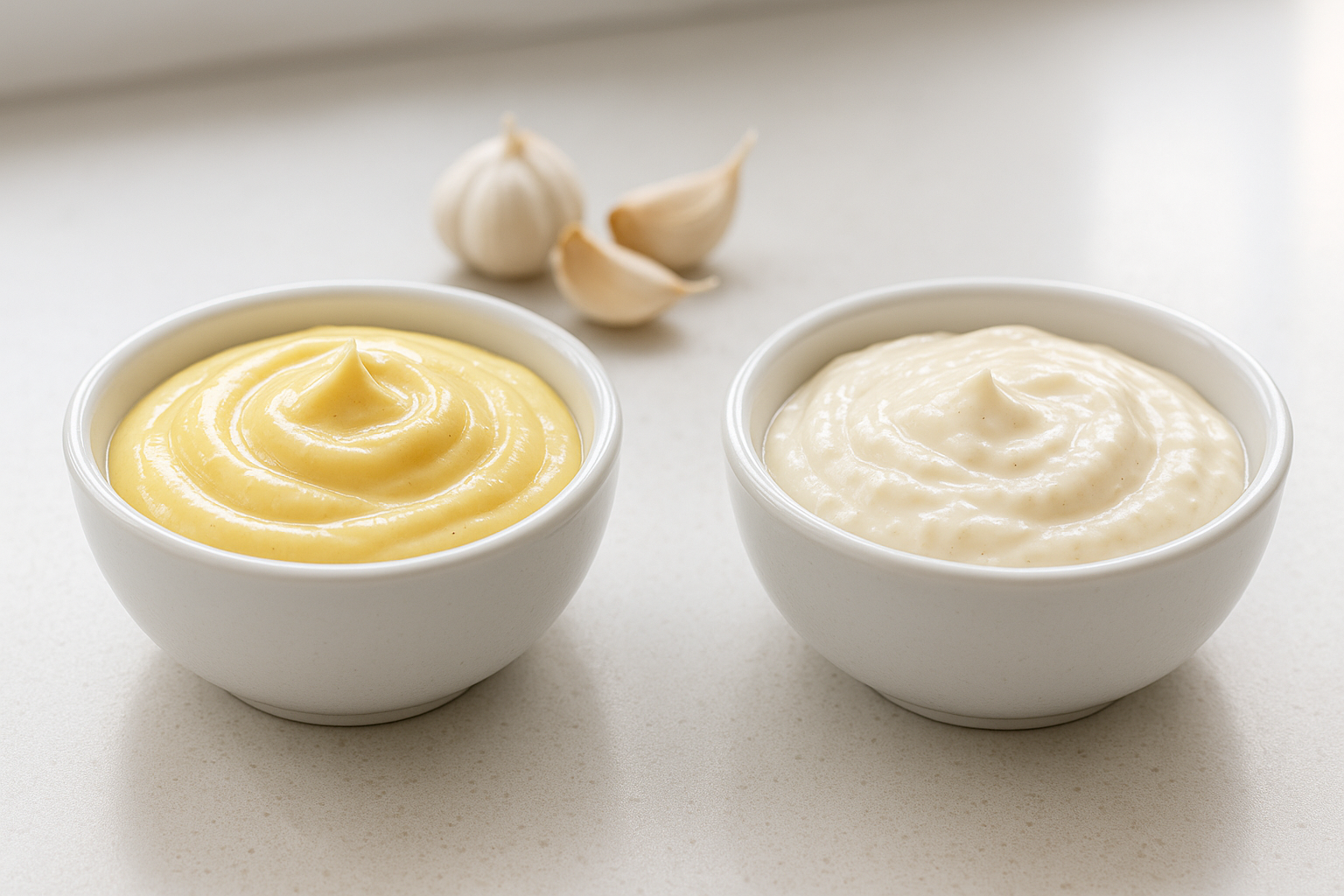
Aioli and garlic mayo are often confused, yet their origins, preparation, and flavors tell two very different stories. Understanding their differences is essential for home cooks who want to elevate their sauces, nail the right pairing, and respect culinary traditions. Here, you’ll learn the real difference between aioli and garlic mayo, how to make each from scratch, and actionable cooking tips to guarantee perfect results every time.
What Is Aioli? Traditional Roots and Key Ingredients
Aioli traces back to Provence in France and Catalonia in Spain. The word “aioli” comes from "ail" (garlic) and "oli" (oil). Classic aioli is an emulsion of garlic and olive oil - no eggs, no dairy, no shortcuts. In its purest form, it’s a bold, garlicky sauce that relies on technique and patience.
- Traditional Ingredients: Fresh garlic, extra-virgin olive oil, coarse salt, sometimes lemon juice.
- Classic Method: Garlic is crushed into a paste with salt, then olive oil is added drop by drop, while continuously grinding, until a thick, creamy emulsion forms.
- No Egg: Authentic aioli contains no eggs, making it naturally dairy-free and vegan (if using vegan bread for thickening in some Spanish variations).
What Is Garlic Mayo? Modern Shortcut or Separate Sauce?
Garlic mayo (or “garlic mayonnaise”) is a modern adaptation, especially popular in American and British kitchens. It’s mayonnaise - made with oil, egg yolk, and acid - flavored with garlic. While tasty and easier to make, garlic mayo is not aioli in the traditional sense.
- Core Ingredients: Egg yolk, neutral oil (canola, sunflower), vinegar or lemon juice, salt, and garlic.
- Preparation: Whisk or blend all ingredients together until thick and creamy, usually in 5 minutes or less.
- Texture and Taste: Creamier, milder, and less pungent than classic aioli. The egg yolk stabilizes the emulsion, making it nearly foolproof.
Comparing Aioli and Garlic Mayo: Breakdown by Method
1. Emulsification Technique
Aioli’s emulsion is delicate and unstable, relying solely on garlic’s natural emulsifiers and slow oil incorporation. Garlic mayo uses egg yolk as a powerful emulsifier, allowing for quicker, more stable results. With aioli, patience is vital: the oil must be added slowly (about 1 teaspoon at a time), and the mixture should be worked with a mortar and pestle or a whisk for up to 10-15 minutes. For garlic mayo, a blender or food processor can finish the job in as little as 2-3 minutes.
2. Flavor Profile
Traditional aioli bursts with raw garlic intensity and the peppery fruitiness of olive oil. Its flavor is sharp, assertive, and complex. Garlic mayo features a mellow, rounded garlic flavor, with the richness of egg and neutral oil taking center stage. It’s more versatile for those who prefer a gentler allium kick.
3. Ingredients and Ratios
- Aioli (Classic): 4-6 garlic cloves, 1/2 tsp coarse salt, 1 cup extra-virgin olive oil, optional: 1 tsp lemon juice.
- Garlic Mayo: 2 egg yolks, 1-2 garlic cloves, 1 cup neutral oil, 1 tbsp lemon juice or white wine vinegar, 1/2 tsp salt.
The difference in garlic quantity is key: aioli relies on a heavy garlic punch to emulsify, while garlic mayo needs less, as the egg does the heavy lifting.
How to Make Traditional Aioli: Step-by-Step
Tools and Ingredients
- Mortar and pestle (or a large bowl and sturdy whisk)
- 4-6 fresh garlic cloves
- 1/2 tsp coarse sea salt
- 1 cup high-quality extra-virgin olive oil
- 1 tsp fresh lemon juice (optional)
Method
- Peel and crush the garlic with salt in the mortar until you get a fine, sticky paste (about 2-3 minutes).
- Start adding olive oil a few drops at a time, grinding constantly in a circular motion. Do not rush this - emulsification is slow. Once the paste thickens, add oil in a thin stream, never more than a teaspoon at a time.
- If the emulsion begins to split or turn oily, stop adding oil and whisk vigorously to bring it back together.
- After about 1 cup of oil, the mixture should be thick, glossy, and pale. Taste and add lemon juice if desired, whisking to combine.
- Store in the fridge at 4°C (39°F) for up to 3 days. The strong garlic flavor will intensify over time.
Tip: If your aioli breaks, try whisking in a teaspoon of water or a small piece of bread to re-emulsify.
For a time-saving option, see our Thermomix Garlic Aioli Recipe, which uses modern equipment for reliable results.
How to Make Garlic Mayo: Foolproof, Fast, and Versatile
Classic Garlic Mayo (Blender Method)
- 2 egg yolks (room temperature, about 20°C/68°F)
- 1-2 garlic cloves, minced
- 1 cup neutral oil (canola, grapeseed, or sunflower)
- 1 tbsp lemon juice or white wine vinegar
- 1/2 tsp fine salt
Method
- Place egg yolks, garlic, salt, and lemon juice in a blender or food processor. Blend for 10 seconds.
- With the motor running on low speed, add oil in a thin, steady stream (about 30ml per 10 seconds at first). Once the mayo begins to thicken (after about 1/3 cup of oil), you can pour a bit faster.
- Scrape down the sides and taste. Adjust salt or acid as needed.
- Transfer to a clean jar and store at 4°C (39°F) for up to 5 days.
Note: If you prefer a vegan option, omit eggs and use aquafaba (the liquid from canned chickpeas) as a substitute. For a spicy twist, try our Spicy Sriracha Mayo Recipe.
Which Sauce Is Best for Your Dish?
Pairing Guide: Aioli vs. Garlic Mayo
- Aioli: Grilled seafood, roasted vegetables, boiled potatoes, crusty bread. Its bold flavor stands up to simple, rustic foods. For Mediterranean flair, serve with mussels or grilled fish.
- Garlic Mayo: Sandwiches, burgers, fries, chicken, as a dip for raw veggies. Its creamy texture and mellow garlic flavor make it a crowd-pleaser for snacks and party platters. Try it as a base for dressings or dips, like in our Copycat In-N-Out Spread Recipe or Copycat Wingstop Ranch Dressing Recipe.
If you’re looking for more inspiration, see our guide Best Sauces for Fries: 16 Dipping Sauces Beyond Ketchup.
Common Mistakes and Fixes for Homemade Aioli and Garlic Mayo
1. Aioli Splitting
If your aioli “breaks” (turns oily or curdled), it’s usually because oil was added too fast or the garlic paste wasn’t fine enough. To fix:
- Whisk in a teaspoon of water or bread paste to bring the emulsion back together.
- If it won’t recover, start with a fresh garlic paste, then gradually whisk in the broken aioli as the new “oil.”
2. Garlic Mayo Too Runny
Too much oil at once, cold eggs, or using low-fat oils can cause thin mayo. Solutions:
- Always use room temperature eggs (20°C/68°F).
- Drizzle oil slowly until the emulsion forms; only then pour faster.
- If runny, whisk in an extra egg yolk or a teaspoon of mustard to thicken.
Flavor Variations: Making Aioli and Mayo Your Own
- Lemon Aioli: Add 1 tbsp lemon zest and 2 tbsp juice for brightness.
- Herb Aioli: Blend in 1/4 cup chopped parsley, basil, or chives after emulsifying.
- Smoked Garlic Mayo: Roast garlic at 180°C/350°F for 30 minutes, then blend into your mayo for a sweet, mellow twist.
- Spicy Aioli: Add a pinch of cayenne or a teaspoon of chipotle powder.
- See also: Creamy Avocado Cilantro Lime Dressing and Copycat Subway Chipotle Southwest Sauce Recipe for unique creamy blends.
Storage, Safety, and Shelf Life
- Homemade aioli: Keep covered in the fridge, no longer than 3 days. The raw garlic and olive oil are prone to spoilage, and raw garlic carries a small risk of botulism if stored improperly.
- Homemade garlic mayo: Store at 4°C (39°F), use within 5 days. Always use the freshest eggs possible - ideally pasteurized - to reduce risk of salmonella.
- For freezing and storing tips, consult our guide Freezing Sauces 101: Best Methods, Containers, and Thawing Tips.
Aioli and Garlic Mayo in World Cuisine
Both sauces inspire countless global offshoots. Classic aioli echoes in Spanish allioli and Italian aglio e olio (though the latter is a pasta dish), while garlic mayo forms the base of many international condiments. For a garlic-forward Lebanese variation, see our Authentic Toum Recipe (Lebanese Garlic Sauce). For Mediterranean and South American inspiration, try Authentic Italian Salsa Verde Sauce Recipe or Authentic Argentine Chimichurri Sauce Recipe.
For more world sauce traditions, explore Global Sauce Traditions: A Tour of the World's Most Essential Condiments.
Pro Tips: How to Perfect Your Creamy Sauces
- Temperature matters: All ingredients should be at room temperature (20-22°C/68-72°F) for best emulsification.
- Use fresh garlic: Older garlic can be bitter and harder to emulsify. Young, firm cloves yield the best flavor and texture.
- Oil quality: For aioli, use robust extra-virgin olive oil for authenticity. For garlic mayo, a neutral oil avoids overpowering the garlic.
- Emulsify slowly: Rushing the oil addition risks splitting. For aioli, a mortar and pestle is traditional, but a balloon whisk in a bowl also works if you add oil drop by drop.
- Clean tools: Oil residue or water in your bowl can sabotage emulsification. Wipe bowls and whisks dry before starting.
For more tips on mastering sauces with modern equipment, see Thermomix Sauce Making: Tips, Tricks, and Best Recipes for Perfect Results.
Beyond Aioli and Garlic Mayo: Explore More Creamy Sauces
If you’re ready to expand your creamy sauce repertoire, try these favorites:
- Creamy Garlic Parmesan Sauce for Pasta – perfect for Italian comfort food.
- Thermomix Sweet Chili Mayo – a sweet, spicy twist for dipping or drizzling.
- Authentic Greek Tzatziki Sauce Recipe – a yogurt-based classic for fresh contrast.
- For quick sauce ideas, see How to Make 3-Ingredient Sauces: Fast Flavor Boosts for Any Meal and No-Cook Sauces: 10 Fresh Blends You Can Make in Under 5 Minutes.
Conclusion: Aioli and Garlic Mayo - Respect the Difference, Master Both
The difference between aioli and garlic mayo is more than semantic. True aioli is a testament to traditional technique and intense garlic flavor, while garlic mayo offers creamy convenience and versatility. Both have a place in the modern kitchen - understanding their distinctions allows you to make, serve, and pair them with confidence. For more sauce mastery, explore our recipes and guides, and experiment with the transformative power of a well-made creamy sauce.
TAGS
Try These Recipes
Related Articles
Worcestershire Sauce vs. Soy Sauce: Flavor, Uses, and Substitutes Compared
Compare Worcestershire sauce and soy sauce—flavor, cooking uses, substitutes, and when to use each for the best results in your recipes.
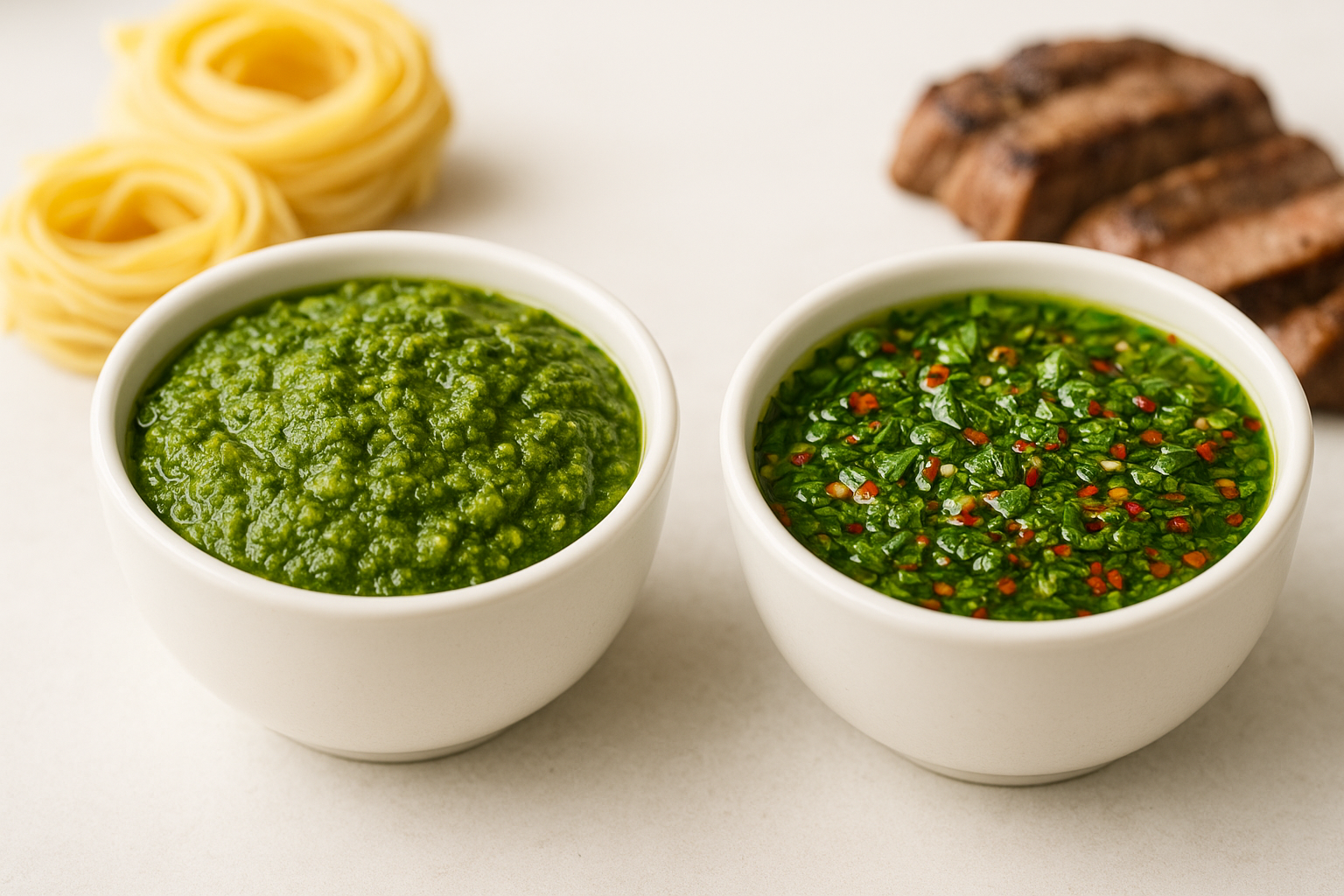
Pesto vs. Chimichurri: Comparing Herb Sauces for Pasta, Meat, and More
Pesto and chimichurri are bright, herbal sauces with different uses. Learn differences, best pairings, and how to choose the right one for your dish.
Ponzu vs. Soy Sauce: Key Differences and How to Use Each in Cooking
Discover the differences between ponzu and soy sauce, how they impact flavor, and when to use each for the best results in your recipes.
How to Temper Eggs for Sauces: Prevent Curdling in Custards and Creamy Classics
Master egg tempering for sauces like hollandaise and custard. Learn step-by-step techniques to avoid curdling and achieve smooth, creamy results.