How to Make Toum: Lebanon’s Creamy Garlic Sauce for Grilled Meats
Learn to make authentic Lebanese toum sauce at home. This fluffy garlic condiment is perfect for grilled meats, shawarma, and roasted veggies.
Written by FoodieManiac
With over 8 years of sauce-making experience, I've tested hundreds of techniques and products to bring you practical, reliable advice. Learn more about me →
What Is Toum? The Essential Lebanese Garlic Sauce
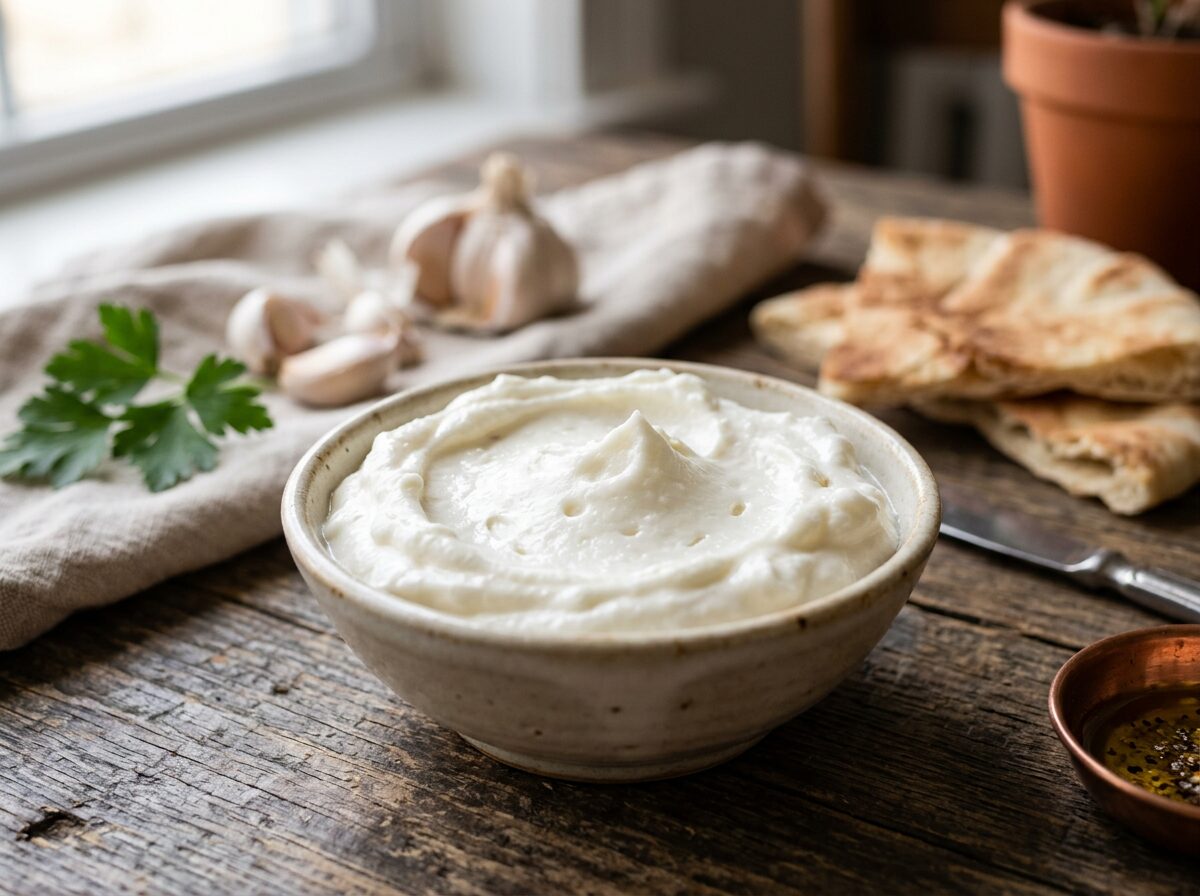
Toum is a bold, fluffy, and intensely garlicky sauce that defines Lebanese cuisine. Traditionally paired with grilled meats, rotisserie chicken, and fresh pita, toum is a vegan emulsion made from raw garlic, neutral oil, lemon juice, and salt. Unlike mayonnaise, which uses egg as an emulsifier, toum’s creamy texture relies on the natural emulsifying power of garlic combined with careful technique. When made correctly, toum is snow-white, cloud-like, and packs a bright, spicy punch that elevates everything from kebabs to roasted potatoes.
Why Mastering Toum Matters for Sauce Lovers
Understanding toum unlocks a key pillar of Mediterranean sauce-making: the eggless emulsion. Creating a stable emulsion with raw garlic takes patience and precision, but the reward is a sauce with unmatched flavor intensity and versatility. Toum is an excellent example of how fat, acid, and salt interact to create balance (see our full guide on The Role of Fat, Acid, and Salt in Sauces).
Ingredients and Tools for Perfect Toum
Essential Ingredients
- Garlic: 1 cup peeled garlic cloves (about 4 large heads)
- Kosher salt: 2 teaspoons
- Fresh lemon juice: 1/4 cup (from 2–3 lemons), strained
- Neutral oil: 3 cups (such as sunflower, grapeseed, or canola; avoid olive oil for classic toum as it can become bitter when blended vigorously)
- Optional: 2–3 tablespoons ice-cold water to adjust texture and tame sharpness
Equipment Needed
- Food processor (minimum 7-cup capacity, with a small bowl insert for best results)
- Silicone spatula
- Measuring cups and spoons
- Small mixing bowl for lemon juice and water
Some traditionalists make toum with a mortar and pestle, but a food processor is more reliable for home cooks and yields a lighter, fluffier sauce.
Step-by-Step: How to Make Authentic Toum
1. Prepare the Garlic for Maximum Emulsification
Start by peeling the garlic cloves thoroughly. Any papery skin left behind can ruin the texture. To mellow the garlic’s bite without sacrificing flavor, cut each clove in half and remove the green germ if present (this can add bitterness). Rinse the cloves under cold water and pat dry completely. Dry garlic ensures proper emulsification.
2. Create a Garlic Paste With Salt
Add garlic and salt to the food processor. Pulse for 1 minute, scraping down the sides every 20 seconds, until you have a fine, fluffy paste. The salt draws out water from the garlic, helping to break it down and initiate the emulsion process.
3. Emulsify With Oil and Lemon Juice — Slowly and Steadily
With the food processor running, begin adding oil in the thinnest, slowest stream possible (no faster than 1 tablespoon every 10 seconds). After the first 1/4 cup of oil, add 1 teaspoon lemon juice. Continue alternating oil and lemon juice, always adding oil slowly and only adding lemon juice once the mixture is thick and sticky. This process should take 8–10 minutes for the full batch. If you add oil too quickly, the emulsion may break (see Why Sauces Break (And How to Prevent It Every Time) for troubleshooting tips).
- Optimal temperature: Ingredients should be at room temperature (68–72°F/20–22°C) for best results. Cold oil or garlic can cause the emulsion to seize.
- Texture check: When done, toum should form stiff peaks and hold its shape when scooped with a spoon.
4. Adjust Texture and Flavor
If the toum is too thick or sharp, pulse in 2 tablespoons ice-cold water, 1 tablespoon at a time, until you reach your desired consistency. Taste and adjust with more lemon juice or salt if needed. If you like a more subtle garlic flavor, let the sauce rest in the fridge for 2–4 hours before serving. The flavors will mellow while the emulsion firms up.
5. Storage and Shelf Life
Store toum in an airtight container in the refrigerator. Properly made toum will last 3–4 weeks refrigerated, thanks to its low pH and high oil content. Always use a clean spoon to avoid contamination. For food safety, see our guide on How to Tell If Your Sauce Has Gone Bad: Spoilage Signs and Safety Tips.
Common Toum Problems and Fixes
- Sauce broke or turned runny: The emulsion split, often due to adding oil too quickly or using cold ingredients. To fix, process a fresh garlic clove with 1 tablespoon lemon juice, then slowly drizzle in the broken toum as if it were the oil. Emulsification should restore.
- Too spicy or pungent: Garlic intensity varies by variety and freshness. Resting the toum in the fridge or adding 1–2 tablespoons more oil can mellow the bite.
- Too thick: Pulse in ice-cold water, a teaspoon at a time, until desired consistency is reached.
- Too thin: Process in more garlic paste (made with salt and lemon juice) to thicken. Make sure all ingredients are at room temperature.
For comprehensive sauce troubleshooting, see How to Rescue Any Sauce (The Complete Guide).
How to Serve Toum: Pairings and Applications
The Classic Pairing: Grilled Meats
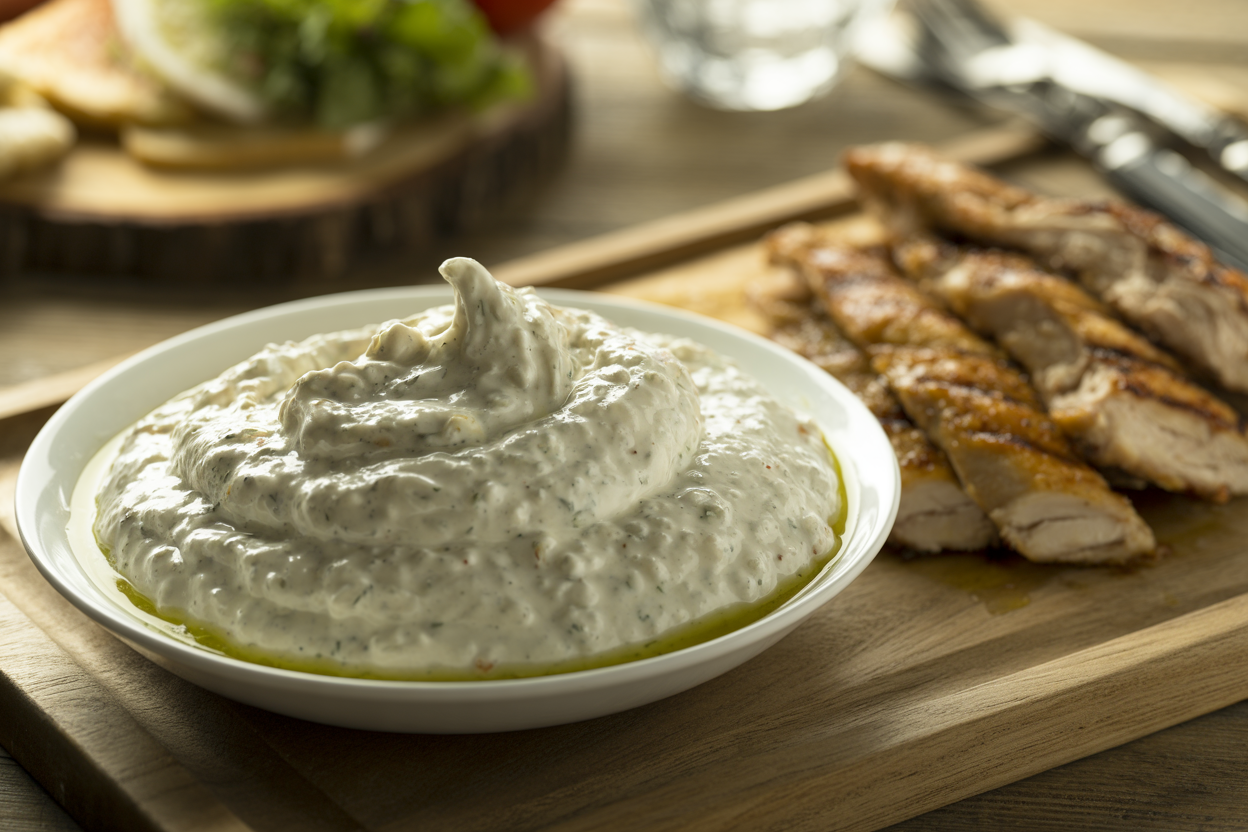
Toum’s creamy texture and pungency are perfect for grilled meats, especially Lebanese-style chicken, lamb, beef kebabs, and shawarma. The sauce cuts through smoky, fatty flavors, providing balance and brightness. For more grilled meat sauce inspiration, check out our Authentic Argentine Chimichurri Sauce Recipe or our Homemade Chimichurri Sauce for Grilled Meats. You can also see our expert guidance in How to Choose the Right Sauce for Grilled vs. Roasted Meats.
Fantastic With Roasted Potatoes and Vegetables
Toum is a game-changer as a dip for roasted or fried potatoes, grilled vegetables, or even as a spread for sandwiches and wraps. For more pairing ideas, see How to Pair Sauces With Roasted Potatoes: Flavor Combos That Work and try using toum as you would Creamy Sun-Dried Tomato Basil Dip or Creamy Jalapeño Cilantro Dip (Chuy’s Copycat).
Toum as a Base for Other Sauces
Toum can be used as a base for fusion sauces. Fold it into Greek yogurt for a milder, creamy dip, or blend with herbs like dill or parsley for a fresh twist. You can also try mixing toum with a bit of Homemade Sweet Chipotle BBQ Sauce for a smoky, spicy aioli.
Comparing Toum to Other Garlic Sauces
Unlike aioli or mayonnaise, toum contains no egg, making it vegan and more pungent. Its closest cousin in Lebanese cuisine is Authentic Lebanese Tarator Sauce (Tahini Garlic Sauce), which uses tahini for body and a nutty flavor. If you enjoy creamy, garlicky dressings, try our Thermomix Creamy Roasted Garlic Caesar Dressing or Homemade Creamy Parmesan Caesar Dip.
Tips and Tricks for Foolproof Toum
- Use fresh, firm garlic: Older garlic is more likely to be bitter or fibrous, which can break the emulsion.
- Keep ingredients at room temperature: Cold oil or garlic can cause the sauce to seize or break.
- Add oil very slowly: Rushing this step is the most common reason for failure. Add oil in a thread, not a stream.
- Use a food processor with a narrow feed tube: This helps control the flow of oil for steady emulsification.
- Rest before serving: Flavors mellow and texture improves after a few hours in the fridge.
- Store properly: Always use a clean spoon and keep toum tightly covered to prevent spoilage. For more storage tips, see How to Prevent Mold in Homemade Sauces: Safe Storage Tips That Work.
Frequently Asked Questions About Making Toum
Can I cut the recipe in half?
Yes, but small batches are harder to emulsify because the food processor blades may not engage the garlic properly. If your machine has a small bowl insert, use it for half-size recipes.
Can I use olive oil?
While extra-virgin olive oil is traditional in many Mediterranean sauces, it’s not recommended for classic toum. The strong flavor and polyphenols can make toum excessively bitter when blended. Stick to neutral oils for best results.
Is toum safe to eat raw?
Yes, but it’s extremely pungent. The high acidity from lemon juice and the antibacterial properties of garlic reduce the risk of spoilage, but always refrigerate and use clean utensils. If concerned, use young, mild garlic or blanch cloves for 1 minute before blending (though this will reduce sharpness).
Related Sauces and Further Exploration
If you’re passionate about bold, globally-inspired sauces, explore these FoodieManiac favorites:
- Authentic Turkish Ezme Sauce Recipe (Spicy Tomato & Pepper Dip) — a vibrant, spicy dip often paired with grilled meats.
- Thermomix Creamy Sriracha Ranch Dressing — a fusion sauce perfect for drizzling or dipping.
- Try making the Authentic Lebanese Toum (Garlic Whipped Sauce) Recipe for a classic approach.
- Pair toum with Homemade Jamaican Jerk Marinade for Grilling for a global barbecue feast.
For more ideas on matching sauces with any cut of meat, read How to Pair Sauces With Roasted Meats: Matching Flavors for Any Cut.
Conclusion: Why Toum Is a Must-Learn Sauce
Toum’s creamy, bold flavor and unique preparation make it a standout in the world of sauces. Mastering toum gives you a showstopping dip, spread, and condiment for grilled meats, vegetables, and beyond. Its simple ingredients demand precise technique, but with patience and the tips above, you can achieve an ethereal, restaurant-quality sauce every time. For those passionate about sauce mastery, toum is an essential addition to your culinary repertoire.
TAGS
Try These Recipes
Related Articles
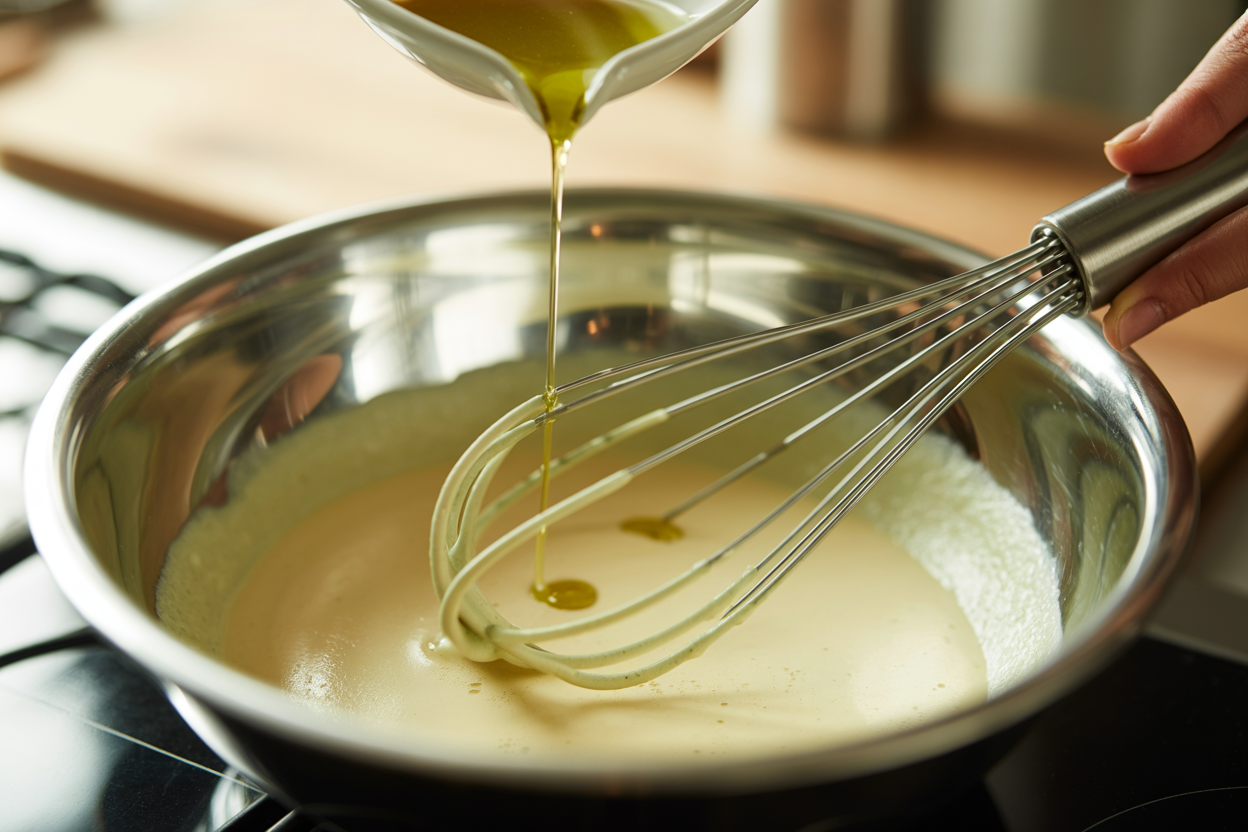
The Science Behind Emulsification (Explained Simply)
What actually happens when oil and water mix in a sauce, why it usually fails, and the handful of kitchen ingredients that make it work. No chemistry degree required.
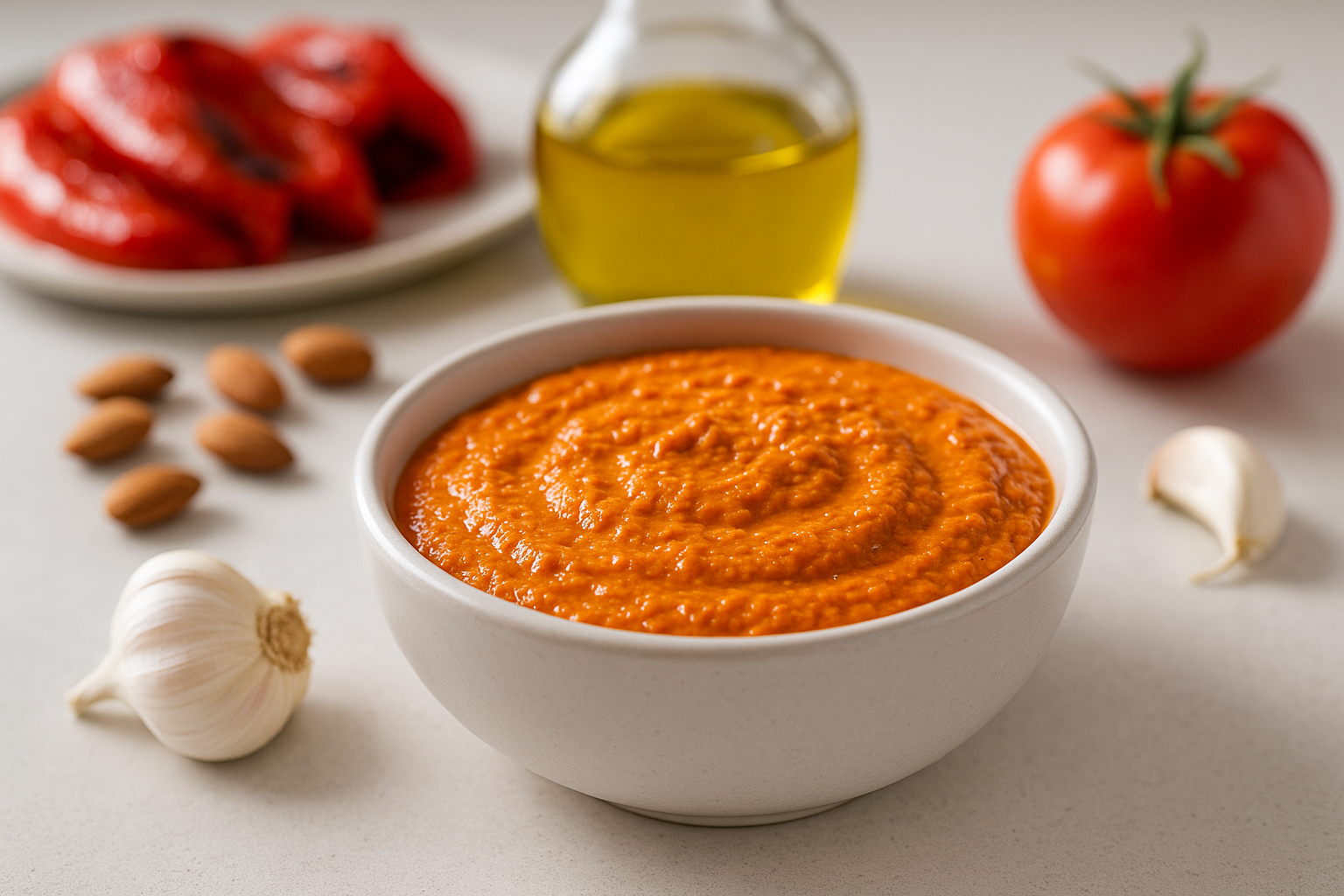
How to Make Romesco Sauce: Spain's Bold, Nutty Condiment Explained
Learn to make authentic Spanish romesco sauce at home. Step-by-step recipe, tips, and pairing ideas for this smoky, nutty, and versatile condiment.
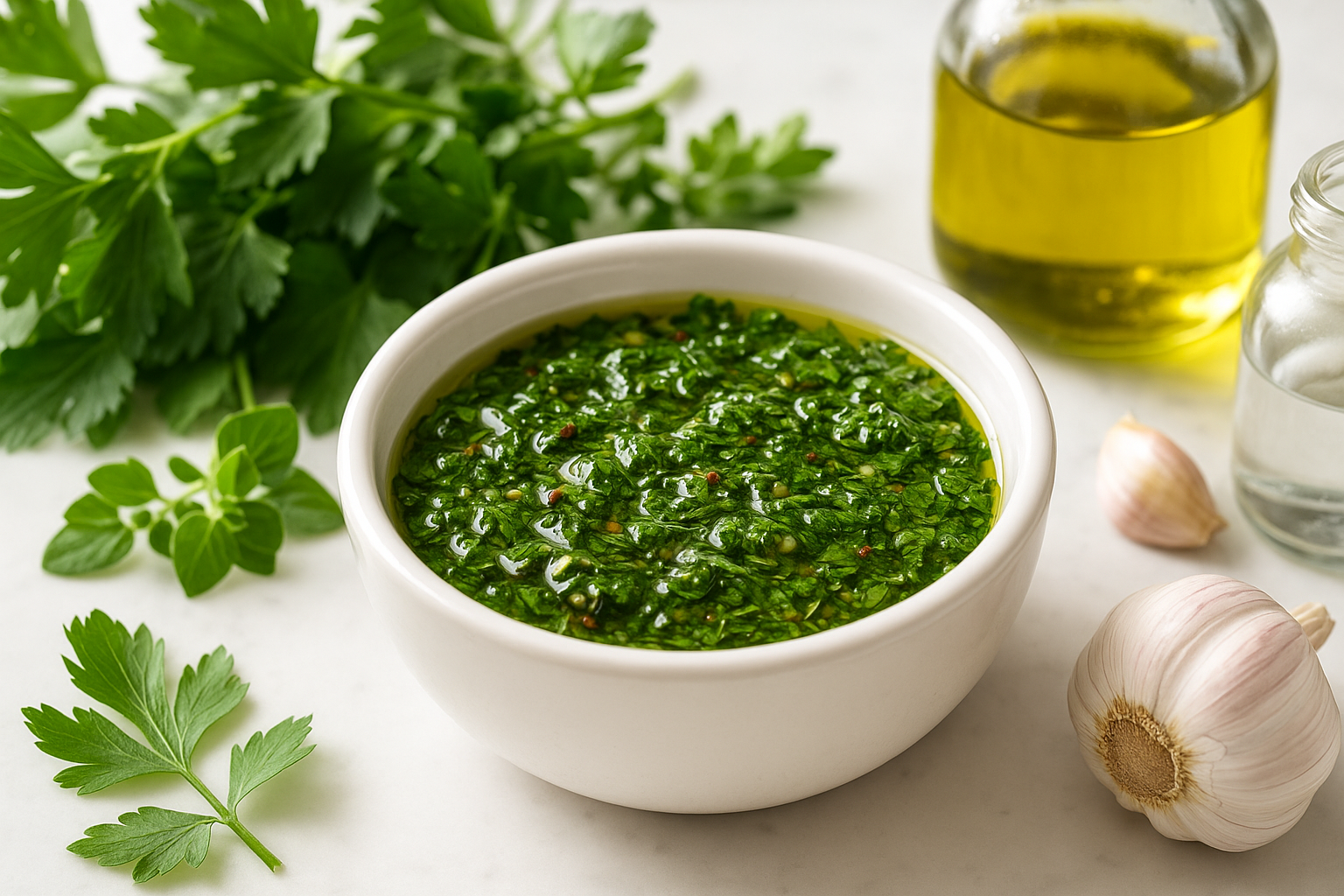
How to Make Chimichurri Sauce: Argentina’s Classic Herb Condiment
Learn how to make authentic chimichurri sauce with fresh herbs, garlic, and vinegar - plus pairing tips for steak, chicken, and vegetables.
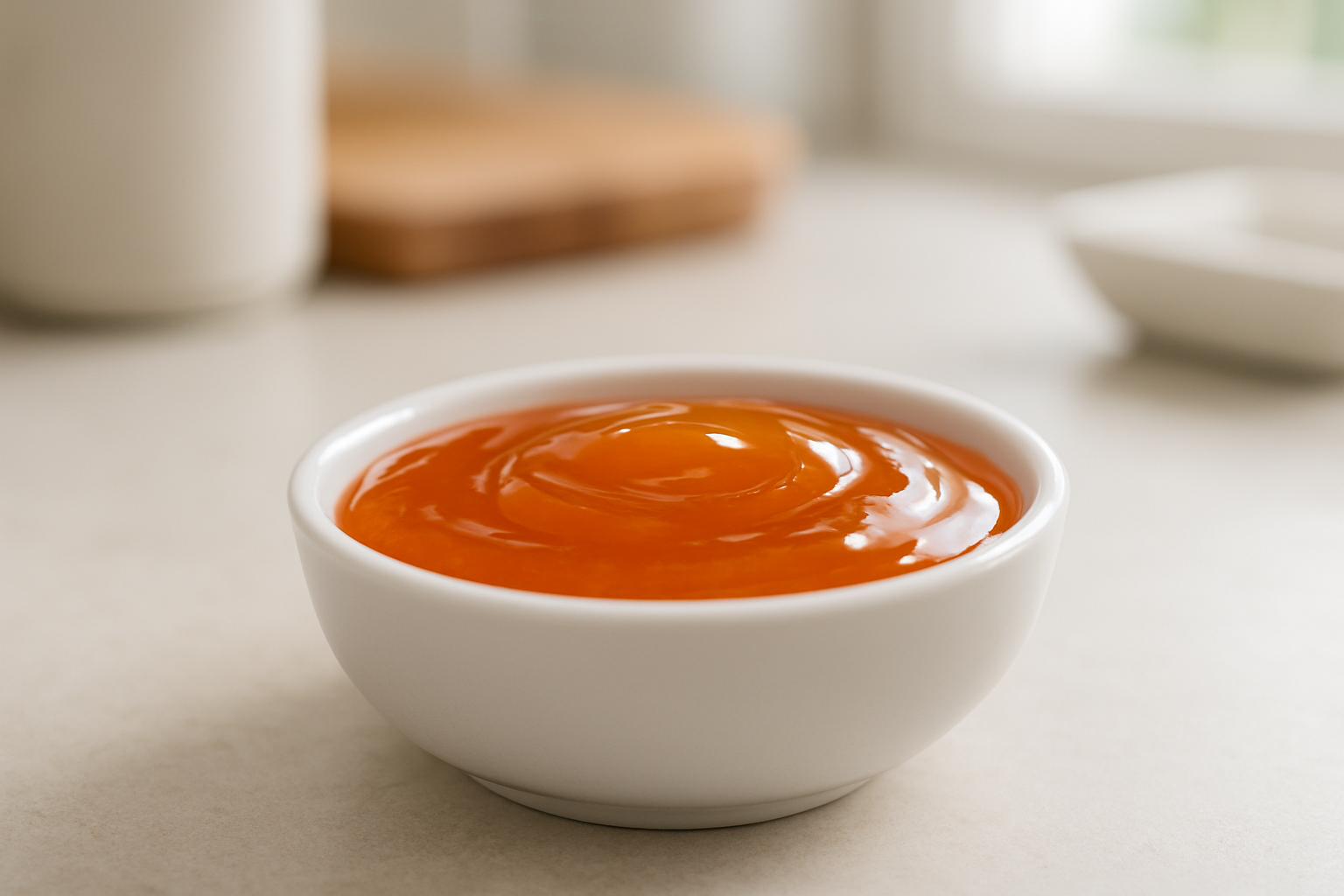
How to Make Copycat McDonald’s Sweet and Sour Sauce at Home
Craving McDonald's sweet and sour sauce? Learn how to make a spot-on copycat at home with pantry ingredients, step-by-step instructions, and tips.