How to Temper Eggs for Sauces: Prevent Curdling in Custards and Creamy Classics
Master egg tempering for sauces like hollandaise and custard. Learn step-by-step techniques to avoid curdling and achieve smooth, creamy results.
Written by FoodieManiac
With over 8 years of sauce-making experience, I've tested hundreds of techniques and products to bring you practical, reliable advice. Learn more about me →
Why Tempering Eggs Matters in Sauce-Making
Tempering eggs is a crucial skill for any cook working with sauces that rely on eggs for texture and richness. Whether you’re preparing a classic custard sauce, a silky hollandaise, or a creamy béarnaise, knowing how to incorporate eggs without curdling is the difference between a velvety sauce and a scrambled mess. Understanding the science and technique behind tempering ensures sauces that are both safe and luxurious.
The Science Behind Egg Curdling
Eggs coagulate (solidify) when heated. The proteins in eggs begin to denature and bond together starting at 140°F (60°C) and are fully set by 170°F (77°C). If heated too quickly or to too high a temperature, the proteins bond too tightly, squeezing out moisture and causing curdling - resulting in a grainy or lumpy sauce. Tempering gradually raises the temperature of the eggs, giving the proteins time to gently unwind and thicken the sauce without scrambling.
Essential Sauces That Require Tempered Eggs
- Custards (crème anglaise, sabayon, ice cream bases)
- Classic French sauces (hollandaise, béarnaise)
- Pasta sauces (carbonara, zabaglione)
- Creamy dessert sauces
While many of our 5-minute salad dressings and no-cook sauces don’t involve eggs, any sauce that does will demand proper tempering for success.
Step-by-Step: How to Temper Eggs for Sauces
1. Gather the Right Tools
- Heatproof mixing bowl (glass or stainless steel)
- Whisk
- Heavy-bottomed saucepan
- Instant-read thermometer (for precision)
- Fine mesh strainer (for extra-smooth sauces)
2. Beat the Eggs Thoroughly
Start by whisking your eggs (or yolks) until fully blended. For most sauces, use 2–6 egg yolks per cup of liquid. Adding a pinch of salt or sugar at this stage helps break up the proteins for a smoother result.
3. Heat the Liquid Base
Gently heat the sauce’s liquid component (milk, cream, stock, or clarified butter) in a saucepan over medium-low heat. Bring it just to a simmer - 180°F (82°C) is ideal. Do not boil, as this can scorch the liquid and risk curdling upon mixing with eggs.
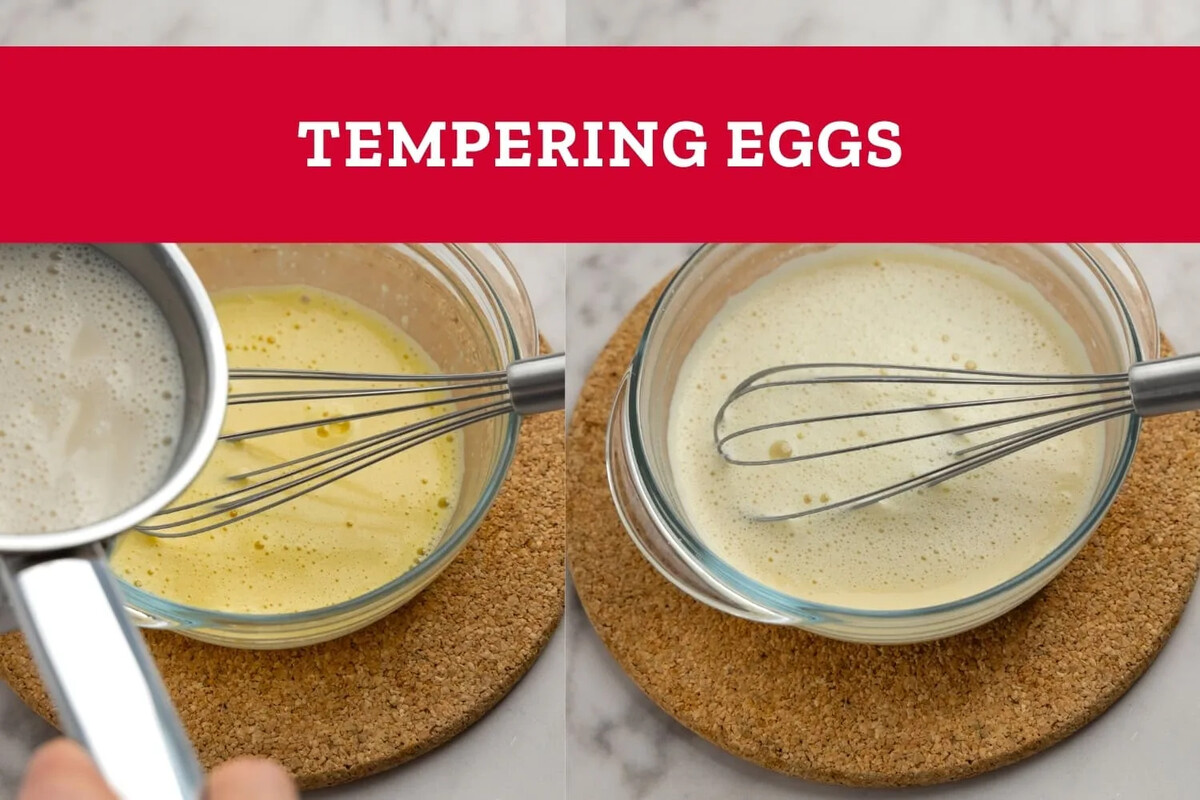
4. Begin Tempering: Add Hot Liquid Slowly
While whisking the eggs constantly, slowly drizzle in a small amount of the hot liquid (about 1/4 cup at a time). This gradual addition gently raises the eggs’ temperature. Continue whisking and pouring until about half the hot liquid is incorporated.
5. Combine and Finish Cooking
Pour the warmed egg mixture back into the saucepan with the remaining hot liquid. Stir constantly over low heat. Use your thermometer and remove the sauce from heat as soon as it thickens and reaches 160–170°F (71–77°C). If you see small curds forming, immediately take off the heat and strain through a fine mesh sieve.
Actionable Tips to Prevent Curdling
- Whisk constantly: Continuous motion prevents eggs from settling and overheating.
- Use moderate heat: Never rush with high heat. Low and slow is the rule.
- Monitor temperature: Go by feel if needed, but a thermometer ensures accuracy.
- Strain for smoothness: If in doubt, pour finished sauce through a fine mesh strainer to catch any tiny curds.
- Add acid: A splash of lemon juice or vinegar can help stabilize egg-based sauces (important for hollandaise and béarnaise).
- Pre-warm eggs: Let eggs come to room temperature before starting for more even tempering.
Real-World Examples: Custards, Hollandaise, and Carbonara
Crème Anglaise (Classic Pouring Custard)
For a classic crème anglaise, whisk 6 egg yolks with 1/2 cup sugar. Heat 2 cups milk to 180°F (82°C), then temper as described above. Thicken gently until the sauce coats the back of a spoon (nappe stage) at 170°F (77°C). Remove from heat and strain. Chill immediately for desserts or serve warm over cakes.
Hollandaise Sauce
Hollandaise is an emulsified sauce where tempered eggs form the base for a rich, lemony butter sauce. Start by whisking 3 egg yolks with a teaspoon of water and a splash of vinegar or lemon juice. Set the bowl over barely simmering water (double boiler style), whisking constantly until thickened and about 150°F (65°C). Slowly drizzle in 1 cup of warm clarified butter while whisking. Finish with more acid, salt, and white pepper. For more on the differences between hollandaise and béarnaise, see Hollandaise vs. Béarnaise Sauce: Key Differences and When to Use Each.
Pasta Carbonara
For authentic carbonara, whisk 2 eggs + 2 yolks with 1 cup grated Parmesan. Toss with hot pasta off the heat, letting the residual heat temper and cook the eggs to create a creamy sauce. Never return to direct heat, or the eggs will scramble. For a similar creamy, cheese-forward flavor, explore our Homemade Creamy Parmesan Peppercorn Dressing.
Common Tempering Mistakes and How to Avoid Them
- Adding hot liquid too fast: Causes instant curdling. Drizzle slowly, whisking vigorously.
- Overcooking: Remove sauce from heat before it looks “done.” Residual heat will finish thickening.
- Not stirring enough: Eggs settle and overheat. Keep the sauce in motion.
- Skipping the strainer: Even with perfect technique, straining ensures a professional, lump-free finish.
FAQ: Tempering Eggs for Sauces
Can I use whole eggs or just yolks?
Yolks provide a richer, creamier texture and greater emulsifying power, making them ideal for most sauces. Whole eggs can be used for lighter custards but require even more careful tempering, as whites curdle at lower temperatures.
Do I need a thermometer?
While experienced cooks may rely on visual cues (the sauce should “coat the back of a spoon”), a thermometer offers precision. Aim for 160–170°F (71–77°C) for safety and optimal texture in egg-thickened sauces.
How do I rescue a broken or curdled sauce?
If your sauce begins to curdle, immediately remove it from heat and whisk in a tablespoon of cold milk or cream. Pass through a fine strainer. For more troubleshooting, see How to Fix Over-Salted Sauces: Chef-Approved Rescue Techniques - many of these tips apply to texture issues as well.
Food Safety: Pasteurizing Egg-Based Sauces
Eggs should always be brought to at least 160°F (71°C) for food safety. When making sauces for vulnerable groups (children, elderly, immunocompromised), consider using pasteurized eggs or follow the guidance in our article How to Pasteurize Homemade Sauces for Longer Shelf Life at Home.
Advanced Techniques: Bain-Marie and Double Boiler
For ultra-delicate sauces, use a bain-marie (water bath) or double boiler to maintain gentle, even heat. This method is essential for hollandaise, sabayon, and other sauces where direct heat can quickly overcook eggs. Place your bowl over simmering (not boiling) water and whisk constantly. This indirect heat gives you more control and a larger safety margin.
When Not to Temper: Sauces Without Eggs
Many modern and global sauces achieve creaminess without eggs - think of our Creamy Roasted Garlic Lemon Tahini Dressing, Thermomix Creamy Roasted Poblano Sauce, and Thermomix Creamy Sun-Dried Tomato Pasta Sauce. These rely on nuts, seeds, dairy, or emulsifiers, removing the need for tempering and making them easier for beginners. For a broader look at no-cook options, check out our guide on No-Cook Sauces.
Key Takeaways for Perfect Sauces Every Time
- Tempering eggs is essential for silky, stable, egg-thickened sauces.
- Always add hot liquid to eggs gradually, whisking vigorously.
- Keep temperatures between 160–170°F (71–77°C) for ideal thickening without curdling.
- Strain finished sauces for professional results.
- Explore non-egg creamy sauces when you want to skip tempering but still crave richness.
Get Saucy: Recipes to Practice and Perfect Your Technique
- Creamy Roasted Garlic Lemon Tahini Dressing – No eggs, but a masterclass in smooth, creamy textures.
- Thermomix Creamy Roasted Poblano Sauce – Develops richness without tempering, for southwest flair.
- Thermomix Creamy Sun-Dried Tomato Pasta Sauce – Perfect for pasta, with a creamy consistency minus the eggs.
- Homemade Creamy Parmesan Peppercorn Dressing – Achieve a luscious texture with the right technique.
Further Reading: Master Every Sauce
- How to Strain Sauces Like a Pro: Techniques for Silky, Smooth Results
- How to Make Salsa Verde: Mexico’s Tangy Green Sauce Step-by-Step
Tempering eggs is a foundational skill that opens the door to countless classic and contemporary sauces. Practice with patience, use the right tools, and you’ll elevate your home cooking to restaurant-quality results - no curdling, no stress, just pure, creamy perfection.
TAGS
Related Articles
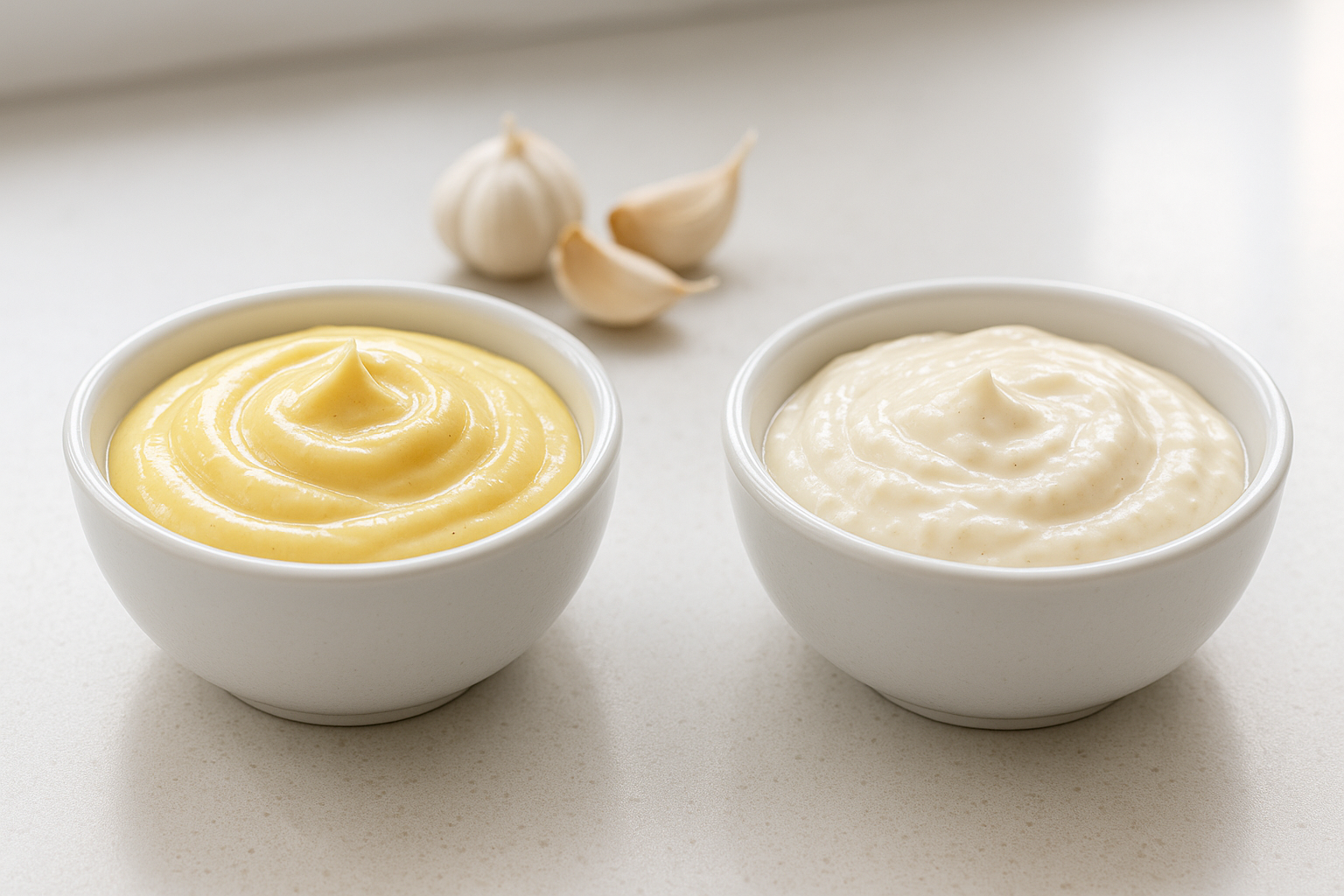
Aioli vs. Garlic Mayo: What’s the Real Difference in These Creamy Sauces?
Discover how aioli and garlic mayo differ in ingredients, flavor, and uses. Learn when to use each sauce for the perfect creamy, garlicky kick.
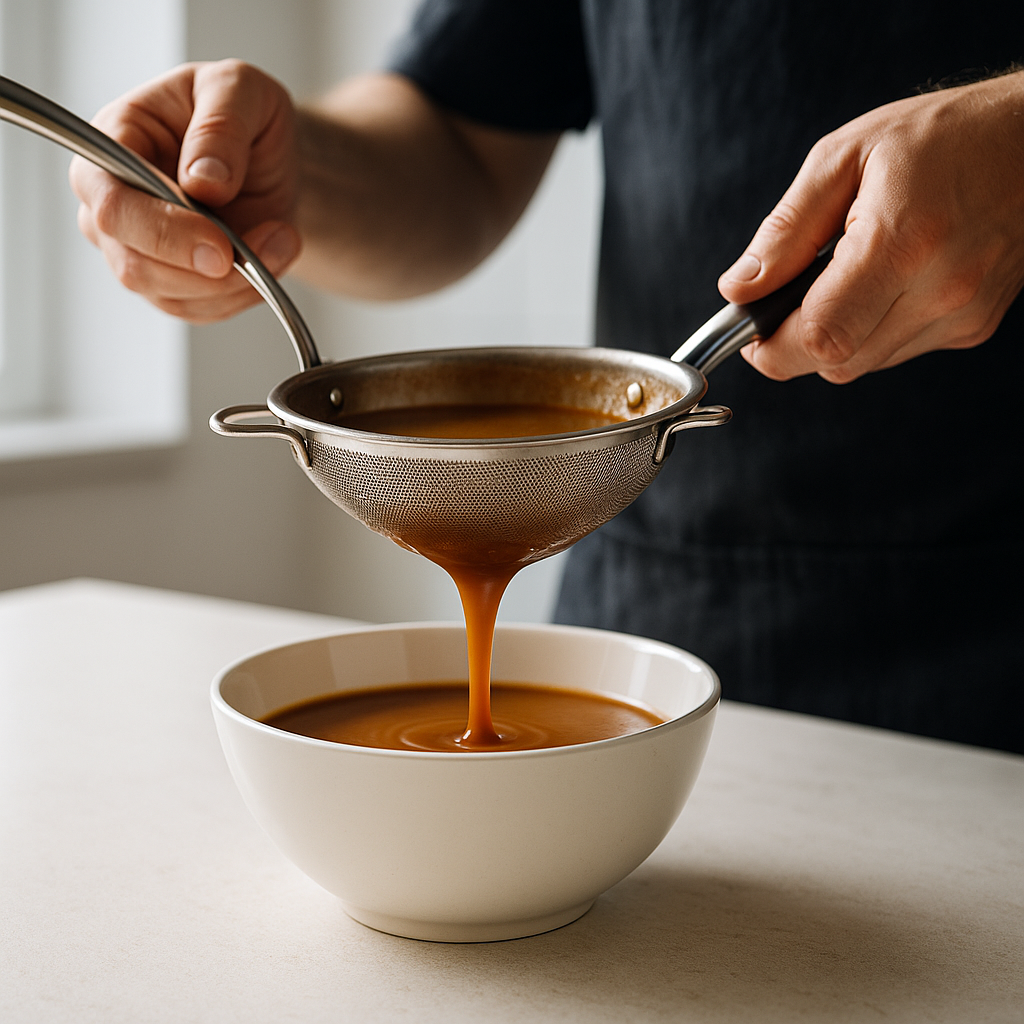
How to Strain Sauces Like a Pro: Techniques for Silky, Smooth Results
Discover the best tools and step-by-step techniques for straining sauces to achieve the perfect texture in your homemade creations every time.
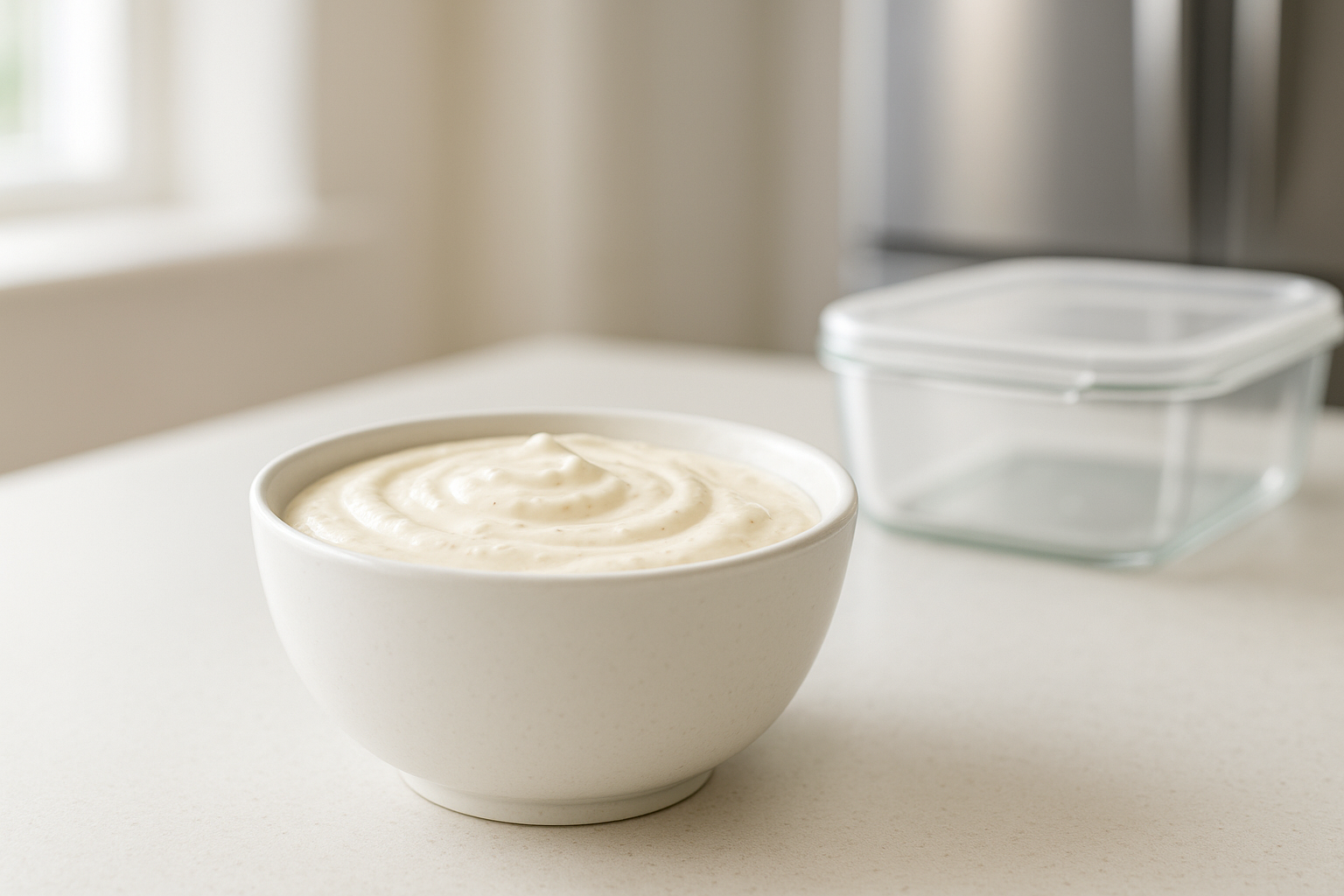
How to Store Creamy Sauces: Prevent Separation and Spoilage Safely
Learn expert methods to store creamy sauces and dressings, prevent separation, and keep them fresh longer. Essential tips for safe, delicious results.
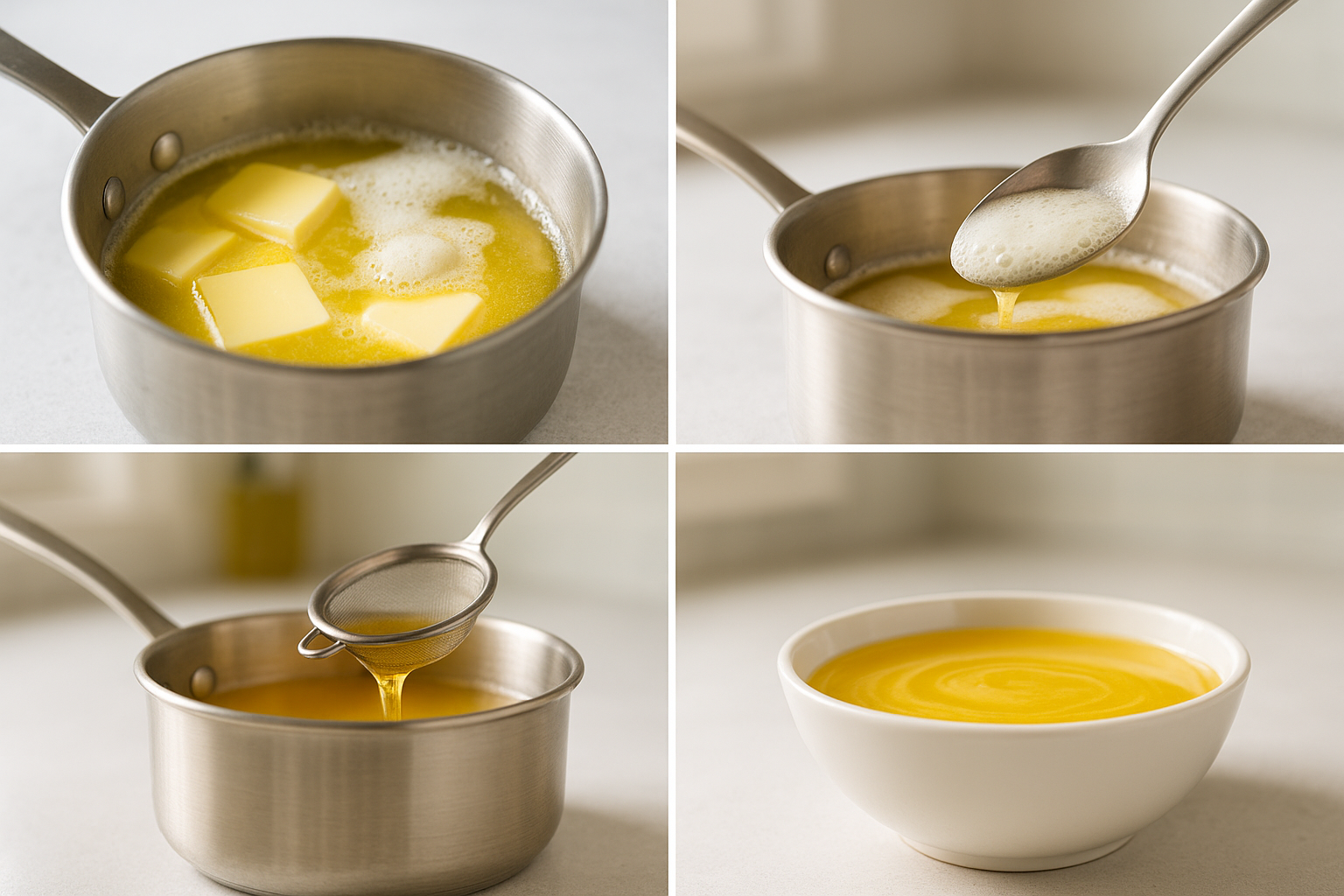
How to Clarify Butter for Sauces: Step-by-Step Guide for Silky Results
Learn how to clarify butter for sauces with this easy guide. Achieve smooth, rich sauces like hollandaise and beurre blanc every time.