How to Fix Over-Salted Sauces: Chef-Approved Rescue Techniques
Learn step-by-step methods to save over-salted sauces. Tips, tricks, and ingredient fixes to balance flavors and rescue your favorite recipes.
Written by FoodieManiac
With over 8 years of sauce-making experience, I've tested hundreds of techniques and products to bring you practical, reliable advice. Learn more about me →
Understanding Over-Salted Sauces
Oversalting is one of the most common mistakes in sauce-making, whether you’re preparing a rich sun-dried tomato pasta sauce, spicy teriyaki glaze, or a tangy fry sauce. Even experienced cooks can accidentally add too much salt, especially when reducing sauces, combining salty ingredients, or tasting while the sauce is still hot. Understanding why sauces become over-salted is the first step to fixing the problem effectively.
- Reduction: As sauces simmer and reduce, water evaporates but salt remains, intensifying the saltiness.
- Ingredient Interactions: Using multiple salty components (broth, cheese, soy sauce) can quickly push salt levels too high.
- Measurement Errors: Accidental double-salting, or misreading a recipe, can lead to excess sodium.
- Taste Perception: Hot sauces can sometimes taste less salty than when cooled, leading to over-seasoning during cooking.
Fortunately, there are several chef-approved techniques to rescue an over-salted sauce, each with its own best use-case depending on the type of sauce and the severity of the saltiness.
Immediate Steps: Assess and Act Quickly
As soon as you realize your sauce is too salty, remove it from the heat to prevent further concentration. Taste a small spoonful, then rinse your mouth with water and taste again to confirm. If you’re unsure, let the sauce cool to about 120°F (49°C) - salt perception is more accurate at this temperature.
Determine how over-salted the sauce is. If it’s slightly too salty, gentle mitigation may be enough. If it’s very salty (to the point of being inedible), more aggressive interventions are required.
Dilution: The Most Reliable Rescue
How to Dilute an Over-Salted Sauce
Dilution is the most straightforward and effective method for most sauces. Add an unsalted liquid that matches the sauce’s original base (water, broth, milk, cream, tomato puree, or unsalted stock). For example, in a tomato-based sauce like roasted tomato basil sauce, add unsalted tomato puree or water.
- Start Small: For every 1 cup (240ml) of over-salted sauce, add 2 tablespoons (30ml) of unsalted liquid at a time.
- Stir and Simmer: Mix thoroughly and simmer for 1-2 minutes to integrate the flavors.
- Taste Test: Let the sauce cool to 120°F (49°C) and taste again before adding more liquid.
Continue adding liquid, a little at a time, until the salt level is balanced. Remember, excessive dilution can thin the sauce, so you may need to re-thicken (see below).
Re-Thickening After Dilution
If dilution leaves your sauce too watery, use one of these chef-approved thickeners:
- Slurry: Mix 1 teaspoon cornstarch or flour with 1 tablespoon cold water, whisk into simmering sauce, and cook for 2-3 minutes.
- Reduction: Simmer sauce over medium-low heat (180–200°F / 82–93°C), uncovered and stirring occasionally, until thickened to desired consistency.
- Pureed Vegetables: Blend in cooked potato, carrot, or white beans for creamy sauces.
For more on reducing sauces and achieving the perfect consistency, see How to Reduce Sauces for Maximum Flavor: Techniques and Timing.
Bulk Up With Unsalted Ingredients
Add More Volume
For chunky sauces (like salsa, curry, or pasta sauce), adding more unsalted solid ingredients can balance saltiness while keeping texture. For example, if you’ve oversalted a Mexican salsa roja, stir in additional chopped tomatoes, onions, or peppers.
- Standard Ratio: For every 1 cup (240ml) of sauce, add ½ cup (75g) of unsalted vegetables or beans, stir, and simmer for 5 minutes.
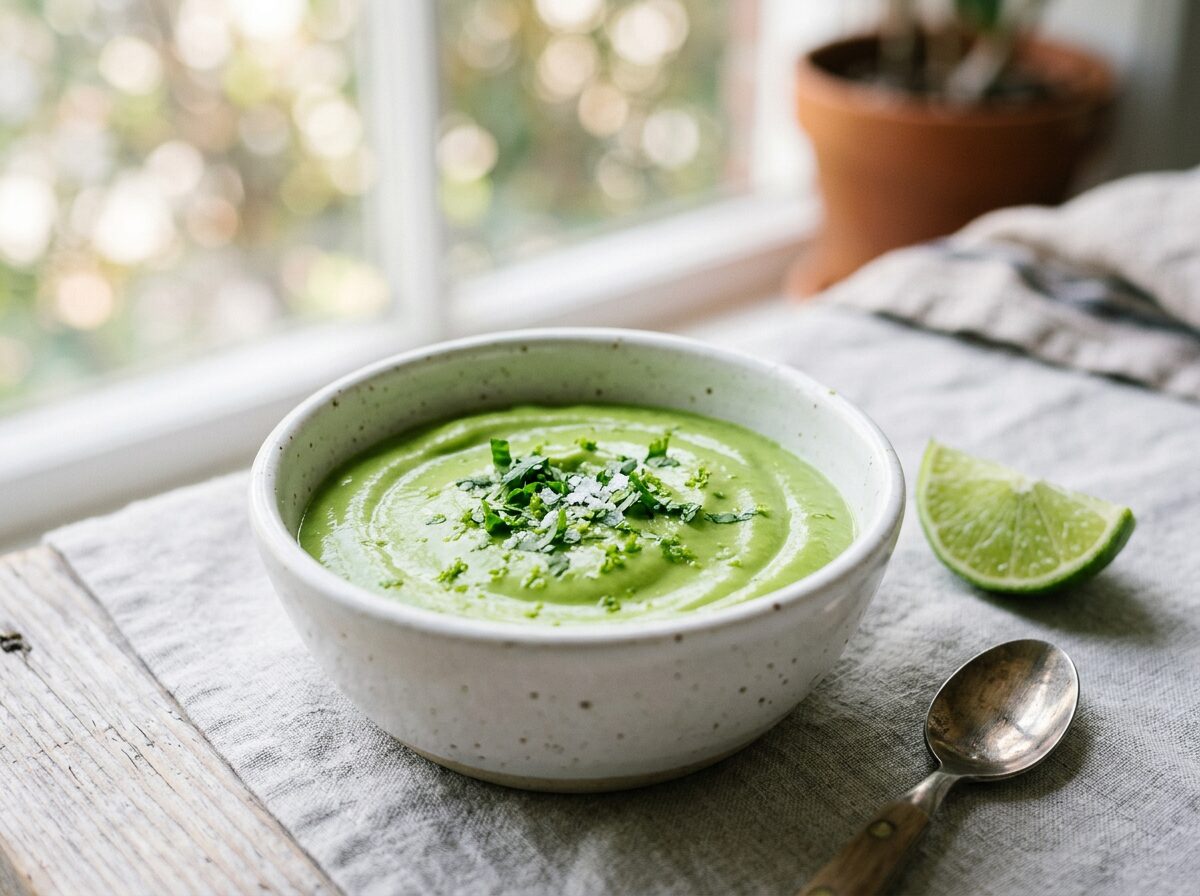
- For Creamy Sauces: Add more unsalted cream, ricotta, or Greek yogurt, as in this avocado cilantro lime dressing.
- For Meat-Based Sauces: Add more cooked, unsalted protein or potatoes, and simmer to absorb flavors.
Mask Salt With Fat, Acid, or Sweetness
Fat: Soften and Mellow Saltiness
Fat can coat the palate and soften the harshness of salt. Add unsalted butter, heavy cream, olive oil, or coconut milk.
- Butter: Whisk in 1 tablespoon (14g) unsalted butter per cup of sauce, off the heat, to enrich and mellow saltiness.
- Cream: Stir in 2–4 tablespoons (30–60ml) of unsalted cream for creamy sauces.
- Olive Oil: For Mediterranean sauces like Italian salsa verde, add 1–2 tablespoons (15–30ml) extra-virgin olive oil and blend well.
Fat is especially effective in emulsified or dairy-based sauces, such as Parmesan peppercorn dressing.
Acid: Brighten and Distract
Acidic ingredients (lemon juice, vinegar, wine, or tomatoes) can help balance excess salt by brightening flavors and distracting the palate.
- Lemon Juice or Vinegar: Add ½ teaspoon at a time per cup of sauce, stir, taste, and repeat as needed.
- Wine: For pan sauces, deglaze with 1–2 tablespoons (15–30ml) white wine, simmer 2 minutes to cook off alcohol.
- Tomato Paste/Puree: For tomato-based sauces, add 1 tablespoon (15g) per cup.
Acid is especially helpful in sauces meant for grilled meats or vegetables. For a deeper dive into quick pan sauce techniques, see How to Make 5-Minute Pan Sauces for Chicken, Fish, and Veggies.
Sweetness: Counterbalance Salt
A touch of sugar, honey, or maple syrup can round out sharp saltiness, especially in barbecue or Asian-style sauces.
- Sugar: Start with ¼ teaspoon per cup, stir, and taste. Do not exceed 1 teaspoon per cup to avoid cloying sweetness.
- Honey/Maple Syrup: Add ½ teaspoon per cup for balance in glazes or dipping sauces, like a honey BBQ glaze.
Use sweetness sparingly - too much can throw off the sauce’s intended flavor profile.
Starch Rescue: Potatoes, Rice, and Pasta Water
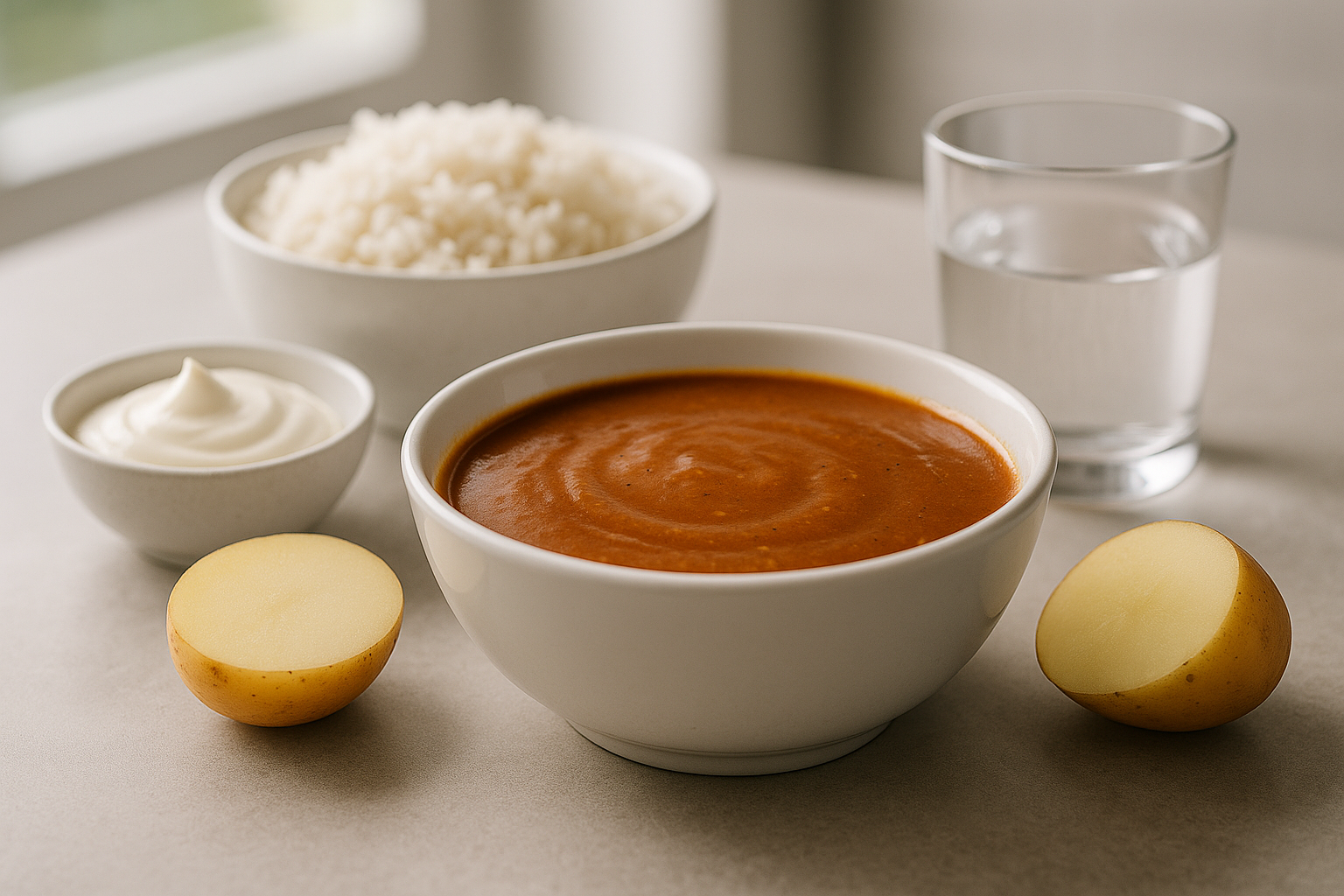
Using Potato Method
The potato trick is famous for soups and broths, but it works best in thinner sauces. Here’s how:
- Peel a raw potato and cut into large chunks.
- Add to the simmering sauce (190–200°F / 88–93°C) and cook for 10–15 minutes.
- Remove and discard the potato. Taste the sauce - the potato absorbs some salt and starches slightly thicken the mix.
This method is less effective with thick, fatty, or creamy sauces.
Rice and Pasta Water
If serving sauce over rice or pasta, under-season the base (rice/pasta) and let it soak up excess salt from the sauce. For pasta dishes, use starchy pasta cooking water to thin out salty sauces instead of plain water, as the starch adds body and helps emulsify fats.
Double the Recipe: The Ultimate Fix
If you have time and ingredients, doubling the sauce (without adding salt to the new batch) is a foolproof fix. Combine the original over-salted sauce with an equal batch of unsalted sauce. Simmer together for at least 10 minutes to meld flavors. This works exceptionally well for classic BBQ sauces like Kansas City-style BBQ sauce or smoky bourbon BBQ sauce.
What Not to Do: Myths and Mistakes
- Don’t rely on adding more water alone: This can dilute flavor and leave sauce tasteless and thin.
- Don’t add dairy to acidic sauces without care: Dairy can curdle in high-acid or high-heat sauces; temper slowly and avoid boiling.
- Don’t mask with spices alone: Spices like pepper or herbs add flavor complexity but do not reduce salt perception.
For a spice-forward sauce that balances salt and aromatics, see Authentic Egyptian Dukkah Spice Mix & Dipping Oil.
Special Considerations for Emulsified and Dairy Sauces
Emulsified sauces (mayo-based dressings, aioli, hollandaise) and dairy sauces require extra care:
- Emulsified Sauces: Whisk in extra egg yolk, unsalted mayo, or oil to increase volume without breaking the emulsion. For more info on the difference between aioli and garlic mayo, check Aioli vs. Garlic Mayo: What’s the Real Difference in These Creamy Sauces?.
- Dairy Sauces: Gently fold in unsalted cream cheese, sour cream, or milk off the heat. Heat slowly to 160–170°F (71–77°C) to prevent curdling.
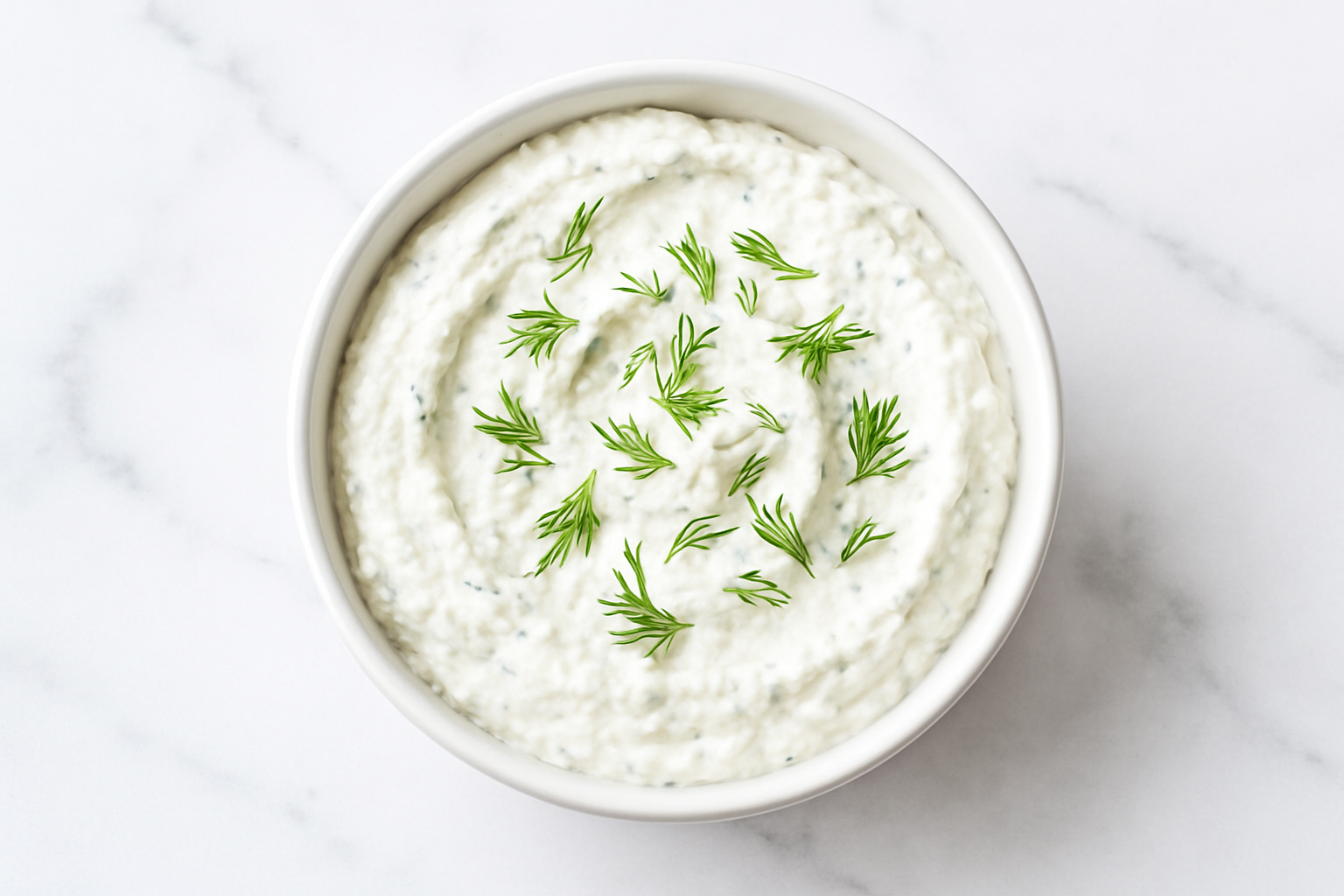
For inspiration, explore our creamy feta dill dip or green goddess dressing recipes, which rely on balanced dairy components.
Preventing Oversalting: Pro Tips
- Taste Early and Often: Taste at every stage, especially after reducing or adding salty ingredients.
- Use Kosher Salt: Kosher salt is less salty by volume than table salt; measure carefully.
- Add Salt Gradually: Add in ¼ teaspoon increments, then taste before adding more.
- Be Aware of “Hidden” Salt: Broths, soy sauce, cheeses, and cured meats all contribute sodium.
- Cool Before Final Seasoning: Taste sauces at 120°F (49°C) for most accurate salt perception.
For more sauce mastery, read How to Strain Sauces Like a Pro: Techniques for Silky, Smooth Results.
Chef-Approved Rescue Table
| Type of Sauce | Best Rescue Methods | Measurements/Temps |
|---|---|---|
| Tomato-Based (e.g., Roasted Tomato Basil) | Dilute with unsalted tomato puree; add acid (lemon/vinegar); bulk with veggies | 2 Tbsp puree per cup; ½ tsp acid per cup; simmer 1-2 min |
| Creamy/Dairy Sauces (e.g., Parmesan Peppercorn) | Dilute with cream/milk; add unsalted butter; bulk with unsalted cheese | 2–4 Tbsp cream per cup; 1 Tbsp butter per cup; heat to 160°F |
| BBQ/Sweet Glazes (e.g., Honey BBQ Glaze) | Add unsalted ketchup/tomato; balance with honey/sugar; bulk with pureed veg | 1 Tbsp ketchup per cup; ¼ tsp sugar per cup; simmer 5 min |
| Chunky Salsas (e.g., Salsa Roja) | Add fresh chopped tomato/pepper/onion; dilute with water | ½ cup veg per cup; 2 Tbsp water per cup; simmer 2-3 min |
| Emulsified (e.g., Fry Sauce) | Add unsalted mayo or oil; whisk thoroughly | 1–2 Tbsp per cup; whisk off heat |
Real-World Example: Rescuing Over-Salted Pan Sauce
You’re making a classic pan sauce (like in our How to Make Pan Sauces in 10 Minutes guide) and accidentally add too much salt during deglazing. Here’s how to fix it:
- Remove pan from heat immediately.
- Taste, then add 2 tablespoons (30ml) unsalted chicken or vegetable broth. Swirl and simmer for 1 minute.
- If still salty, add 1 tablespoon cold unsalted butter and ½ teaspoon lemon juice. Swirl to blend.
- If needed, whisk in a slurry (1 tsp cornstarch + 1 Tbsp water) and simmer to desired thickness.
This sequence can rescue most over-salted pan sauces without sacrificing texture or flavor depth.
Final Tips: Salvaging and Serving
- Serve With Unsalted Sides: Pair salty sauces with unsalted rice, pasta, potatoes, or bread to balance flavors on the plate.
- Use as a Condiment: If rescue fails, use the sauce sparingly as a drizzle or dip - try with unsalted roasted vegetables or lean proteins.
- Start Fresh When Necessary: If a sauce is overwhelmingly salty and rescue methods don’t work, it’s best to start over. Learn to prevent future mishaps with our How to Can Sauces Safely at Home guide.
Key Takeaways
- Act quickly when oversalting occurs - remove from heat and assess.
- Dilute with the appropriate unsalted liquid, then re-thicken if necessary.
- Bulk up with unsalted ingredients or double the recipe.
- Mask salt with fat, acid, or sweetness, adjusting in small increments.
- For chunky or emulsified sauces, add volume without breaking texture or emulsion.
- Taste at 120°F (49°C) for the most accurate salt assessment.
Mastering the art of sauce rescue ensures you’ll never waste a batch, whether you’re making restaurant-style garlic butter sauce, chipotle crema, or a classic Italian salsa verde. With these techniques, your sauces will always be balanced and delicious.
TAGS
Try These Recipes
Related Articles
10-Minute Marinades: Quick Sauces to Instantly Upgrade Any Protein
Discover fast, flavor-packed marinades you can whip up in 10 minutes to transform chicken, beef, fish, or tofu. Easy recipes, bold results!

Tahini Sauce vs. Hummus: Differences, Uses, and When to Choose Each
Compare tahini sauce and hummus: key ingredients, texture, flavor, and best uses. Learn when to use each Middle Eastern classic in your cooking.
Best Sauces for Grilled Vegetables: 10 Pairings That Add Bold Flavor
Discover 10 delicious sauces that perfectly complement grilled vegetables. Elevate your summer grilling with these easy, flavor-packed pairings and recipes.
How to Thicken Sauces Naturally (7 Methods)
Discover 7 natural ways to thicken sauces without cornstarch! From reduction to roux, learn the best methods for every sauce type. No more watery sauces!