How to Make 5-Minute Pan Sauces for Chicken, Fish, and Veggies
Transform any meal fast with these easy 5-minute pan sauce recipes - perfect for chicken, fish, or veggies. Quick flavor, no fancy ingredients!
Written by FoodieManiac
With over 8 years of sauce-making experience, I've tested hundreds of techniques and products to bring you practical, reliable advice. Learn more about me →
Why Pan Sauces Are a Game Changer
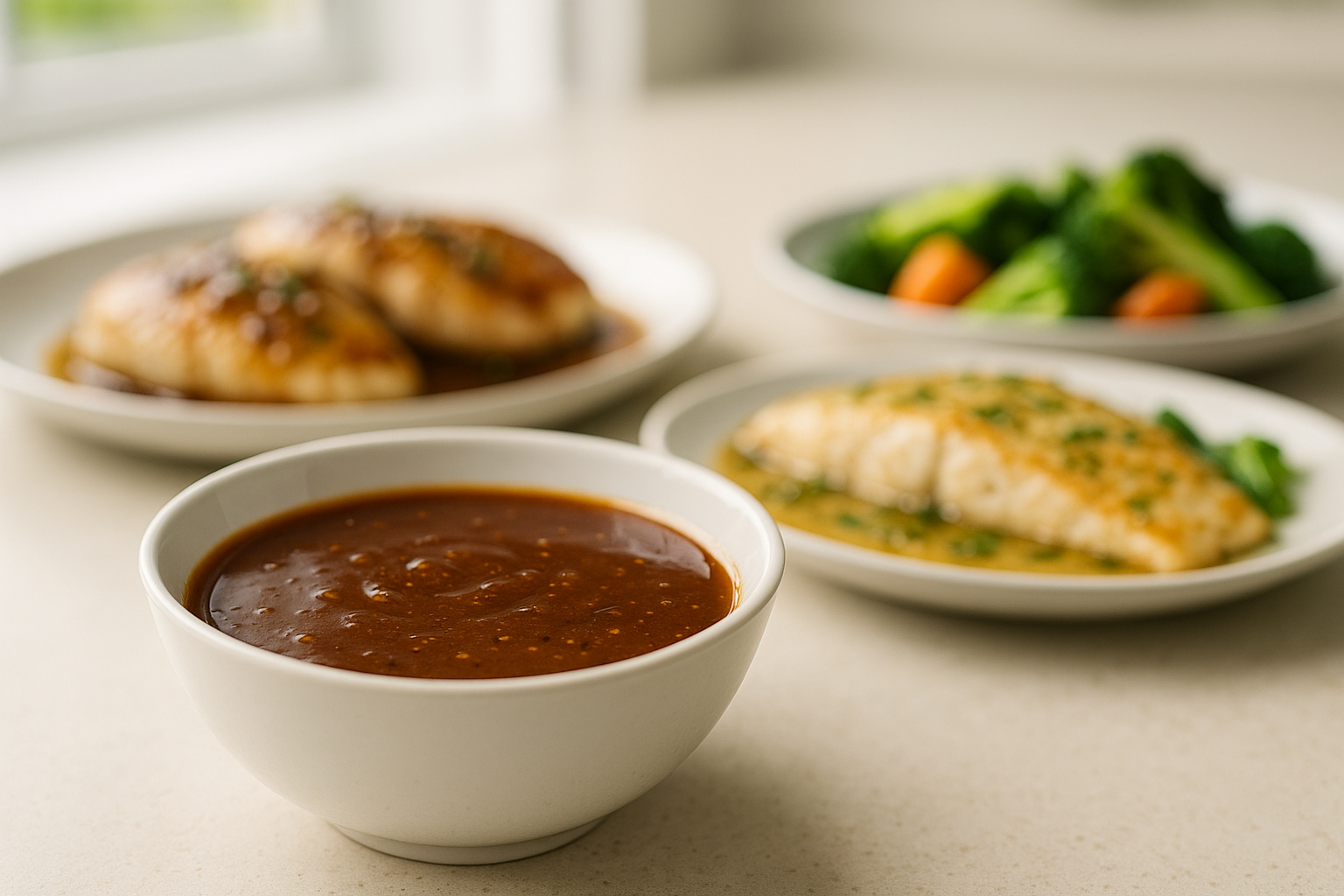
Pan sauces are the fastest route to restaurant-quality flavor at home. In just five minutes, you can transform the browned bits (“fond”) left in your pan after sautéing chicken, fish, or vegetables into a luscious sauce. This technique delivers depth and complexity with minimal effort, using ingredients you likely have on hand. Whether you need a silky wine sauce for chicken, a bright citrus glaze for fish, or a savory herb finish for roasted veggies, mastering pan sauces will instantly elevate your cooking.
Essential Equipment and Ingredients
Start with a heavy stainless steel or cast iron skillet - avoid nonstick pans, as they don’t develop fond as effectively. Have a heatproof spatula or wooden spoon for scraping, and keep a small whisk for emulsifying if you add butter or cream. The basic formula for pan sauces is: deglaze, reduce, enrich, and finish. You’ll need:
- Deglazing liquid: wine, broth, stock, citrus juice, or even water
- Aromatics: shallots, garlic, fresh herbs
- Enrichers: butter, cream, or a splash of olive oil
- Acid: lemon juice, vinegar, or mustard for balance
- Seasoning: salt, pepper, or additional spices
For inspiration on bold flavor bases, check out Authentic Egyptian Dukkah Spice Mix & Dipping Oil or Authentic Italian Salsa Verde Sauce Recipe.
Step-By-Step: The 5-Minute Pan Sauce Formula
Step 1: Sauté and Build Fond
After searing your protein or vegetables, you’ll see browned bits stuck to the pan - this is fond, packed with flavor. For best results, cook your chicken (skinless breasts or thighs), fish fillets, or veggies over medium-high heat (about 375°F/190°C) until golden, usually 4-6 minutes per side for chicken, 2-3 minutes per side for fish, or until veggies brown and soften. Remove the main ingredient and tent with foil to keep warm.
Step 2: Deglaze the Pan
Immediately reduce heat to medium. Add 1/2 cup (120 ml) of your chosen deglazing liquid - white wine for chicken or fish, vegetable or chicken broth for veggies, or a mix. Pour in the liquid and use a spatula to scrape up all browned bits. Let the liquid come to a simmer; alcohol will evaporate in about 1 minute. Deglazing extracts the fond and jumpstarts your sauce’s flavor base. For creative deglazing ideas like citrus or vinegar, see Deglazing for Flavor: How to Make Restaurant-Quality Pan Sauces at Home.
Step 3: Add Aromatics and Reduce
Stir in aromatics: add 1 tablespoon finely chopped shallot or garlic and cook for 30 seconds until fragrant. Add a sprig of thyme or rosemary if desired. Let the sauce simmer and reduce by about half - this takes 2-3 minutes. The liquid should thicken slightly and coat the back of a spoon.
Step 4: Enrich and Balance
Remove the pan from heat and swirl in 2 tablespoons (30 g) cold unsalted butter, a spoonful at a time, whisking constantly to create a glossy, emulsified sauce. For a creamy finish, add 2 tablespoons heavy cream or crème fraîche. Taste and adjust seasoning with salt, pepper, and a squeeze of lemon or splash of vinegar for acidity.
Step 5: Strain or Serve Rustic
For an ultra-smooth sauce, strain through a fine mesh sieve. For a rustic feel, leave the aromatics in. If you want to perfect silky sauces, see How to Strain Sauces Like a Pro: Techniques for Silky, Smooth Results.
Core 5-Minute Pan Sauce Recipes
1. Classic White Wine Pan Sauce for Chicken
- After sautéing chicken, remove and tent with foil. Reduce heat to medium.
- Add 1/2 cup (120 ml) dry white wine to the hot pan. Scrape up fond and simmer 1 minute.
- Add 1 tablespoon minced shallot, cook 30 seconds. Reduce liquid by half (2-3 min).
- Remove from heat. Whisk in 2 tablespoons cold butter until glossy.
- Finish with 1 teaspoon lemon juice and 1 tablespoon chopped parsley.
- Season. Spoon over chicken and serve immediately.
For a tangy or spicy kick, try swirling in a spoonful of Authentic Peruvian Aji Verde Sauce or Creamy Jalapeño Cilantro Dip (Chuy’s Copycat) as a finishing touch.
2. Lemon-Caper Pan Sauce for Fish
- Sear fish fillets (such as cod or tilapia) in olive oil, 2-3 minutes per side. Remove and keep warm.
- Deglaze pan with 1/2 cup (120 ml) chicken broth or dry white wine.
- Add 1 tablespoon capers (rinsed) and 1 minced garlic clove. Simmer 2 minutes.
- Swirl in 2 tablespoons cold butter, then add zest and juice of 1/2 lemon.
- Taste, adjust salt and pepper, and finish with chopped chives or dill.
This sauce pairs beautifully with grilled or pan-roasted fish. For more seafood sauce ideas, see Best Sauces for Grilled Fish: 12 Pairings for Every Type of Seafood.
3. Balsamic-Herb Pan Sauce for Vegetables
- After sautéing or roasting vegetables (such as asparagus, mushrooms, or zucchini), remove from pan.
- Add 1/2 cup (120 ml) vegetable broth and 1 tablespoon balsamic vinegar to the pan over medium heat.
- Scrape up any browned bits, add 1 teaspoon chopped thyme or oregano, and simmer until reduced by half (2-3 min).
- Remove from heat, whisk in 2 tablespoons butter or olive oil.
- Season with salt and pepper. Drizzle over vegetables.
If you love vinaigrette-style sauces, try the Best Balsamic Vinaigrette Recipe as a versatile drizzle for roasted veggies.
4. Creamy Pan Sauce for Chicken or Veggies
- Deglaze hot pan with 1/2 cup (120 ml) chicken or vegetable broth.
- Add 1 tablespoon minced shallot and simmer 1 minute.
- Stir in 2 tablespoons heavy cream and simmer until thickened, about 2 minutes.
- Remove from heat, whisk in 1 tablespoon grated Parmesan and 1 tablespoon chopped herbs (basil, tarragon, or chives).
- Season with salt and pepper and serve.
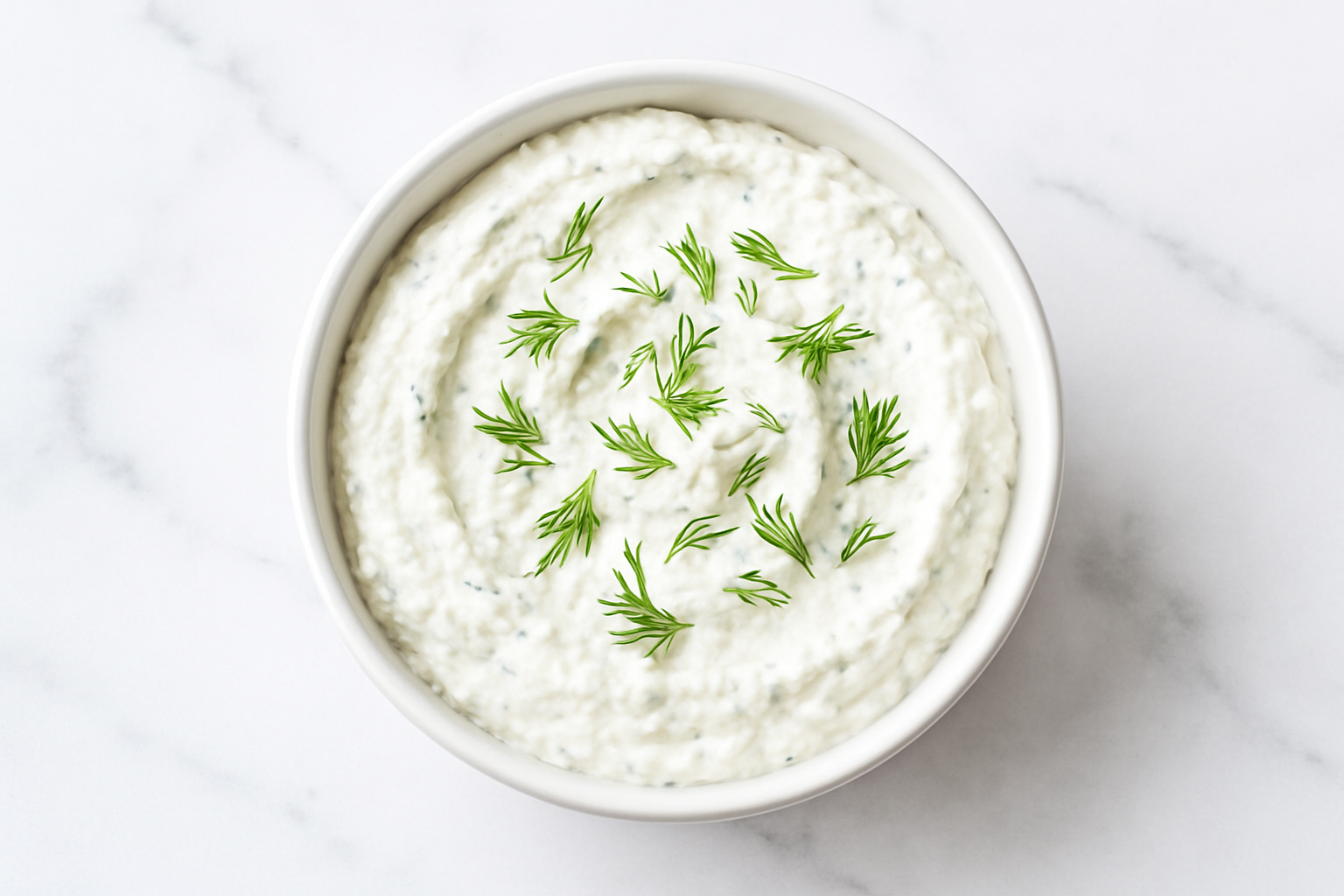
Looking for more creamy sauce inspiration? Try Creamy Feta Dill Dip or Thermomix Creamy Sun-Dried Tomato Pasta Sauce for different textures and flavors.
Actionable Tips for Perfect Pan Sauces Every Time
Use the Right Pan and Heat
Stainless steel or cast iron pans are ideal for developing fond. Avoid overcrowding the pan, which can cause steaming instead of browning. Always allow the pan to preheat fully - use medium-high heat for proteins, medium for most vegetables. Lower the heat to medium after removing your main ingredient to prevent burning when deglazing.
Measure and Reduce Precisely
For a sauce that clings, reduce your deglazing liquid by half. A good rule is to start with 1/2 cup liquid; after 2-3 minutes of simmering, you should have 1/4 cup. To check reduction, drag a wooden spoon across the pan. If the line holds briefly, your sauce is ready to enrich.
Balance Acidity and Richness
High-acid ingredients (wine, vinegar, citrus) brighten flavors but can overpower if overused. Enrich with butter or cream to round out acidity. For a vegan alternative, swirl in 2 tablespoons cashew cream or a drizzle of extra-virgin olive oil. Always finish with a splash of acid to wake up the sauce, but taste as you go.
Season in Layers
Lightly salt your protein or vegetables before cooking. Taste and adjust the sauce after reduction, then again after enriching. Freshly ground pepper or finishing salts add a final pop of flavor just before serving.
Double Down on Umami
For deeper savoriness, add 1 teaspoon soy sauce, a splash of Worcestershire, or even a touch of miso after deglazing. You can also experiment with spice blends like Homemade Jamaican Jerk Marinade for Grilling for an aromatic boost.
Pairing Suggestions: What to Serve With Pan Sauces
These quick sauces are incredibly versatile. Spoon the classic white wine sauce over pan-roasted chicken or turkey cutlets. The lemon-caper sauce is perfect for delicate fish like sole or halibut, as well as shrimp. Balsamic-herb sauce shines with roasted root vegetables, Brussels sprouts, or sautéed mushrooms. Creamy pan sauces are ideal for spooning over steamed broccoli, cauliflower, or even baked potatoes. For more pairing inspiration, see Best Sauces for Roasted Vegetables: 12 Pairings That Add Big Flavor and Best Sauces for Rice: 13 Flavorful Pairings From Around the World.
Customize Your Pan Sauce: Variations and Flavor Twists
- Mustard Pan Sauce: Whisk in 1 tablespoon Dijon or whole grain mustard after reducing the liquid.
- Mushroom Pan Sauce: Sauté 1/2 cup chopped mushrooms with shallots for extra umami.
- Herb-Heavy Pan Sauce: Add a handful of chopped tarragon, parsley, or basil at the end for freshness.
- Asian-Style Pan Sauce: Use soy sauce, a dash of rice vinegar, and a pinch of sugar after deglazing. Try swirling in a spoonful of Authentic Japanese Teriyaki Sauce Recipe or Thermomix Teriyaki Sauce Recipe for instant umami.
- Smoky Pan Sauce: Deglaze with bourbon and finish with a spoonful of Smoky Bourbon BBQ Sauce for a southern twist.
Troubleshooting: Common Pan Sauce Mistakes
- Sauce Too Thin: Simmer longer to reduce, or whisk in 1/2 teaspoon cornstarch mixed with 1 tablespoon cold water, then simmer 30 seconds.
- Sauce Broken or Greasy: Always add butter or cream off heat and whisk constantly. If it breaks, whisk in a splash of hot water or broth to re-emulsify.
- Too Salty: Add a splash of unsalted stock or a squeeze of lemon juice to balance.
- Burned Fond: If the bits in your pan are black, start fresh - burnt fond will make the sauce bitter.
For more on balancing flavors and fixing sauce mishaps, see How to Reduce Sauces for Maximum Flavor: Techniques and Timing.
Beyond the Basics: Creative Pan Sauce Ideas
- Stir in 1 tablespoon pesto or salsa verde for an herby finish.
- Add a spoonful of Authentic Romesco Sauce Recipe (Spanish Red Pepper & Almond Sauce) for smoky, nutty depth.
- For a spicy-sweet note, swirl in Easy Thai Peanut Sauce Recipe (15 Minutes) or Thai Sweet Chili Sauce Recipe.
- Try a quick pan sauce using Restaurant-Style Garlic Butter Sauce Recipe for steak, seafood, or veggies.
For more speedy, no-cook sauce ideas, check out No-Cook Sauces: 10 Fresh Blends You Can Make in Under 5 Minutes and How to Make 3-Ingredient Sauces: Fast Flavor Boosts for Any Meal.
Storage, Make-Ahead, and Serving Tips
Pan sauces are best served immediately, but you can keep them warm for up to 30 minutes over a double boiler or in a small pan set over low heat (do not boil once finished). If you need to reheat, do so gently over low heat, whisking constantly to prevent breaking. Most pan sauces will keep in the fridge for up to 3 days. For longer storage tips, see Freezing Sauces 101: Best Methods, Containers, and Thawing Tips.
Conclusion
With just a skillet, a handful of pantry staples, and five minutes, you can build vibrant sauces that turn everyday chicken, fish, or vegetables into memorable meals. Master the basic formula, experiment with flavors, and you’ll never let those tasty browned bits go to waste again. For more sauce mastery, explore our full collection of How to Make Chimichurri Sauce: Argentina’s Classic Herb Condiment and How to Make Copycat In-N-Out Sauce: The Secret Spread Recipe Revealed for more flavor-boosting ideas.
TAGS
Try These Recipes
Related Articles
How to Deglaze for Pan Sauces: Step-by-Step Guide to Rich, Flavorful Results
Master deglazing for pan sauces with this step-by-step guide. Learn the best liquids, timing, and techniques for restaurant-quality sauces at home.
Best Sauces for Grilled Vegetables: 10 Pairings That Add Bold Flavor
Discover 10 delicious sauces that perfectly complement grilled vegetables. Elevate your summer grilling with these easy, flavor-packed pairings and recipes.
Best Sauces for Roasted Vegetables: 12 Pairings That Add Big Flavor
Discover 12 delicious sauces that perfectly complement roasted vegetables. Elevate your sides with easy, flavor-packed pairings and simple recipes.
No-Cook Sauces: 10 Fresh Blends You Can Make in Under 5 Minutes
Discover 10 no-cook sauces you can whip up in under 5 minutes. Perfect for dressing, dipping, or drizzling - fresh flavor, zero cooking required!