How to Make Chimichurri Sauce: Argentina’s Classic Herb Condiment
Learn how to make authentic chimichurri sauce with fresh herbs, garlic, and vinegar - plus pairing tips for steak, chicken, and vegetables.
Written by FoodieManiac
With over 8 years of sauce-making experience, I've tested hundreds of techniques and products to bring you practical, reliable advice. Learn more about me →
What Is Chimichurri Sauce?
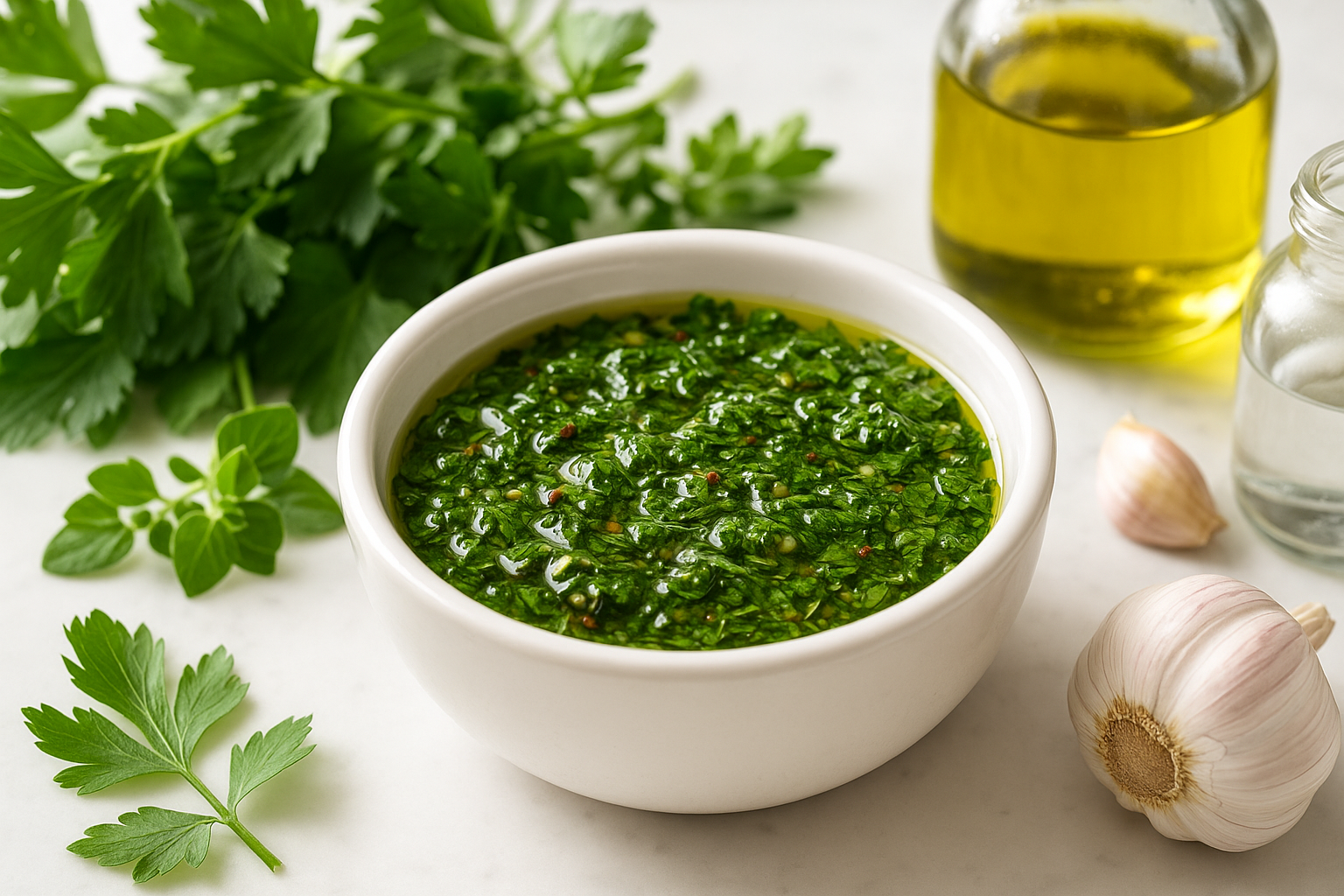
Chimichurri is Argentina’s iconic, uncooked herb condiment made from chopped parsley, garlic, olive oil, vinegar, oregano, and red pepper flakes. Traditionally served with grilled meats (asado), its bright acidity and herbal punch cut through rich proteins, making it a staple at every Argentine barbecue. Unlike pesto or salsa verde, chimichurri contains no nuts or cheese, and its pronounced tang comes from vinegar instead of citrus. Its flavor is robust, fresh, and slightly spicy, designed to enhance rather than mask the flavor of grilled foods.
Essential Ingredients for Authentic Chimichurri
Chimichurri’s hallmark is its simplicity and reliance on fresh ingredients. For best results, use flat-leaf (Italian) parsley and high-quality olive oil. Below is a classic recipe ratio, yielding about 1 cup - enough to serve 4 to 6 people as a sauce for steak or chicken.
- 1 cup (30g) flat-leaf parsley, tightly packed, finely chopped
- 3-4 garlic cloves (10g), minced
- 2 tablespoons fresh oregano, finely chopped (or 2 teaspoons dried oregano)
- 1/2 cup (120ml) extra-virgin olive oil
- 1/4 cup (60ml) red wine vinegar
- 3/4 teaspoon kosher salt, or to taste
- 1/2 teaspoon red pepper flakes (adjust for heat)
- Freshly ground black pepper to taste
For a twist, some variations add a tablespoon of finely chopped shallot or a splash of lemon juice, but these are nontraditional. Always use fresh herbs for maximum flavor; dried parsley will not deliver the same aroma or vibrancy.
Step-by-Step: Making Chimichurri Sauce
1. Chop Herbs and Aromatics Finely
Hand-chop the parsley, oregano, and garlic as finely as possible. Avoid food processors for parsley, as over-processing bruises the leaves and releases bitterness. A sharp chef’s knife gives you the best control. Aim for pieces no larger than 2-3mm for even mixing and easy spooning.
2. Combine and Marinate
In a medium bowl, stir together the parsley, oregano, and garlic. Add the olive oil, red wine vinegar, salt, red pepper flakes, and black pepper. Mix thoroughly until the herbs are fully coated and the mixture is evenly distributed. Cover and let the sauce rest at room temperature for at least 20-30 minutes before serving. This marinating step is crucial - it allows the garlic to mellow and the flavors to meld, resulting in a more harmonious sauce.
3. Taste and Adjust
After marinating, taste your chimichurri. Adjust the salt, vinegar, or red pepper flakes as needed. Chimichurri should be punchy and bright, with enough acidity to balance fatty meats. If it tastes flat, add a pinch more salt or a teaspoon more vinegar.
Key Tips for the Best Chimichurri
- Use fresh, high-quality ingredients: The freshness of your parsley and oregano will determine the flavor.
- Chop, don’t blend: Hand-chopping gives the sauce its signature texture. Blending creates a puree, not a chimichurri.
- Rest before serving: A minimum of 20 minutes at room temperature is necessary for optimal flavor. For deeper infusion, let it sit for up to 2 hours, but do not refrigerate during this time.
- Don’t skip the acid: Red wine vinegar is essential for balance. White wine vinegar is an acceptable substitute, but avoid balsamic or apple cider vinegar, which can overpower the herbs.
- Monitor salt levels: Salt not only seasons the sauce but helps extract flavor from the herbs and garlic.
Classic Chimichurri Sauce Recipe
Ingredients (Makes 1 Cup)
- 1 cup (30g) flat-leaf parsley, finely chopped
- 3 garlic cloves, minced
- 2 tablespoons fresh oregano, finely chopped (or 2 teaspoons dried oregano)
- 1/2 cup (120ml) extra-virgin olive oil
- 1/4 cup (60ml) red wine vinegar
- 3/4 teaspoon kosher salt
- 1/2 teaspoon red pepper flakes
- Black pepper to taste
Instructions
- Finely chop the parsley and oregano. Mince the garlic.
- Mix herbs, garlic, and red pepper flakes in a bowl. Add olive oil, vinegar, salt, and black pepper.
- Stir well and let sit uncovered at room temperature for 20-30 minutes.
- Taste and adjust salt or vinegar as needed. Serve immediately, or store as directed below.
Serving Suggestions and Pairings
Chimichurri is the classic finishing sauce for grilled steaks, but it also complements chicken, pork, lamb, roasted potatoes, and grilled vegetables. Drizzle it over roasted cauliflower or toss with grilled shrimp for an herbal punch. For more ideas on pairing sauces with grilled foods, see our guide on Best Sauces for Grilled Vegetables and Best Sauces for Grilled Fish.
Chimichurri is also a fantastic table sauce for dipping crusty bread - try it alongside our Authentic Egyptian Dukkah Spice Mix & Dipping Oil for a global appetizer spread. Its herbal notes make it an excellent contrast to creamy dips like Creamy Feta Dill Dip or as a zesty drizzle on grilled pita or flatbread.
Storage and Food Safety
Refrigeration and Shelf Life
Homemade chimichurri keeps for up to 5 days in an airtight container in the refrigerator. Olive oil will solidify when chilled; let the sauce sit at room temperature for 15-20 minutes before serving and stir to recombine. To maximize freshness, press plastic wrap directly onto the surface of the sauce to minimize oxidation. For detailed sauce storage tips and safety, read How Long Do Sauces Last? Shelf Life Guide for Homemade & Store-Bought.
Freezing Chimichurri
Chimichurri can be frozen for up to 1 month. Pour into ice cube trays, freeze until solid (about 4-6 hours), then transfer cubes to a zip-top bag. Thaw cubes overnight in the refrigerator or at room temperature for 30-40 minutes. Freezing will dull the herbs’ color but preserves flavor. For more freezing tips, see Freezing Sauces 101: Best Methods, Containers, and Thawing Tips.
Common Chimichurri Variations
- Chimichurri Rojo: Add 1 tablespoon of smoked paprika and 1 teaspoon tomato paste for a red version. This pairs well with grilled pork and chicken.
- Extra Heat: Incorporate 1 small fresh red chili, finely minced, for more spice.
- Lemon Chimichurri: Substitute half the vinegar with fresh lemon juice for a citrusy brightness.
- Blend of Herbs: Add 2 tablespoons finely chopped cilantro or mint for a unique twist, but keep parsley as the primary herb.
To explore more global herb sauces, try Authentic Peruvian Aji Verde Sauce Recipe or Authentic Indian Mint Chutney (Hari Chutney) Recipe - each offers a fresh, vibrant profile rooted in its culinary tradition.
Chimichurri Technique Troubleshooting
- Too Bitter: Over-chopped parsley or old herbs can taste bitter. Use only fresh leaves and avoid pureeing.
- Too Oily: Add more vinegar or a pinch of salt to balance.
- Too Sour: Add a drizzle of olive oil and a pinch of sugar to mellow excess acidity.
- Flat Flavor: Don’t be afraid to add extra salt. Salt extracts flavor from both herbs and garlic.
- Watery Texture: Drain chopped parsley briefly if excessively wet after washing, and use precise oil/vinegar measurements.
For sauce consistency tips and advanced techniques, read How to Strain Sauces Like a Pro: Techniques for Silky, Smooth Results.
Chimichurri vs. Other Fresh Herb Sauces
Chimichurri is often compared with Italian salsa verde and Middle Eastern zhoug. The key difference is the acid (vinegar, not lemon), the herbal base (parsley and oregano), and the absence of nuts or cheese. If you love experimenting with herb-forward condiments, check out our Authentic Italian Salsa Verde Sauce Recipe and our guide Pesto vs. Chimichurri: Comparing Herb Sauces for Pasta, Meat, and More.
Frequently Asked Questions About Chimichurri
Can I use a food processor?
While a processor makes chopping faster, it often produces a mushy, bitter sauce. For best flavor and texture, always chop parsley and garlic by hand.
What temperature should chimichurri be served?
Chimichurri is best at room temperature (68-75°F / 20-24°C) to allow the olive oil to flow and flavors to bloom. Remove from the fridge at least 20 minutes before serving.
Can I make chimichurri in advance?
Yes. Make up to 1 day ahead for more developed flavor, but use within 5 days. Stir well before each use, as oil and vinegar separate on standing.
Is chimichurri only for steak?
No. Try it on grilled chicken, fish, vegetables, or even as a zesty salad dressing. For more sauce pairing inspiration, see Best Sauces for Steak and Best Sauces for Seafood.
Related Sauces to Try Next
- Authentic Romesco Sauce Recipe (Spanish Red Pepper & Almond Sauce): A smoky, nutty sauce perfect for grilled meats and vegetables.
- Thermomix Creamy Sun-Dried Tomato Pasta Sauce: For a creamy, tangy contrast to herb sauces.
- Thermomix Roasted Tomato Basil Sauce: A slow-roasted, vibrant option for pasta or grilled proteins.
- Best Balsamic Vinaigrette Recipe: Another acid-driven sauce great for salads or drizzling over roasted veggies.
Conclusion: Mastering Chimichurri
Chimichurri’s power lies in its fresh, raw ingredients and balanced proportions. Chop herbs by hand, use good olive oil and vinegar, and always let the sauce rest to develop flavor. Master this classic, and you’ll have a go-to condiment for grilling season and beyond. For more no-cook sauce inspiration, explore No-Cook Sauces: 10 Fresh Blends You Can Make in Under 5 Minutes and our Authentic Argentine Chimichurri Sauce Recipe for step-by-step visuals and tips.
TAGS
Try These Recipes
Related Articles
How to Make Toum: Lebanon’s Creamy Garlic Sauce for Grilled Meats
Learn to make authentic Lebanese toum sauce at home. This fluffy garlic condiment is perfect for grilled meats, shawarma, and roasted veggies.
How to Make Harissa Sauce: North Africa’s Fiery, Versatile Condiment
Learn how to make authentic harissa sauce at home, tips for balancing heat, and ways to use this spicy North African staple in everyday cooking.
How to Make Zhoug Sauce: Yemen’s Spicy, Herbaceous Green Condiment
Discover how to make authentic Zhoug sauce at home. This Yemeni green condiment adds bold, spicy flavor to meats, veggies, grains, and more.
How to Make Copycat Big Mac Sauce: The Classic Burger Condiment at Home
Master the iconic Big Mac sauce at home with this copycat recipe. Step-by-step instructions, tips, and perfect pairings for burgers and more.