Hollandaise vs. Béarnaise Sauce: Key Differences and When to Use Each
Compare hollandaise and béarnaise sauces - ingredients, flavor, and best uses. Learn when to use each classic French sauce for perfect dishes.
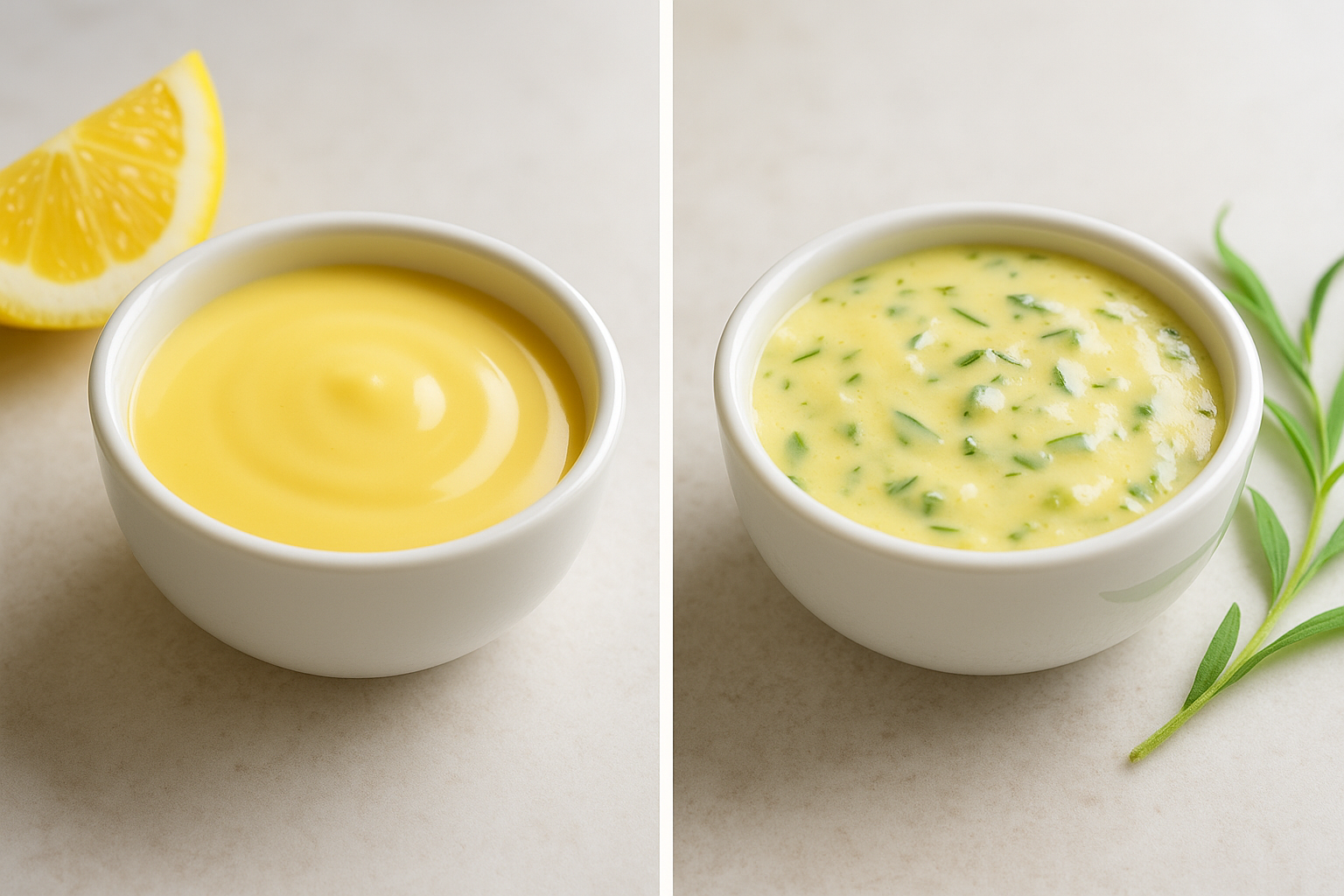
Written by FoodieManiac
With over 8 years of sauce-making experience, I've tested hundreds of techniques and products to bring you practical, reliable advice. Learn more about me →
Understanding Hollandaise and Béarnaise: Two Pillars of Classic French Sauces
Hollandaise and Béarnaise are both legendary French sauces rooted in the same velvety, egg-and-butter emulsion technique. While they share a base method and texture, their flavors, uses, and finishing touches differ dramatically. Knowing when and how to use each can instantly elevate your home cooking, whether you're topping eggs, steak, fish, or vegetables. This guide breaks down their essential differences, explains the science and technique behind each, and offers actionable tips for perfect results every time.
What Is Hollandaise Sauce?
Hollandaise sauce is one of the five French “mother sauces” and is composed of egg yolks, clarified butter, and lemon juice. It’s prized for its silky, rich consistency and bright, delicate flavor profile. Traditionally, hollandaise is served warm and is a mainstay with classic dishes like eggs Benedict, asparagus, and poached fish.
Classic Hollandaise Ingredients and Ratios
- 3 large egg yolks (room temperature)
- 170g (12 tbsp/1 ½ sticks) unsalted butter, clarified or melted
- 1–2 tbsp fresh lemon juice
- Pinch of salt and white pepper
- Optional: dash of cayenne or white wine vinegar for extra brightness
The standard ratio is about 1 egg yolk per 55g (4 tbsp) butter. Using room temperature eggs helps ensure the emulsion forms quickly without scrambling.
How to Make Hollandaise: Temperature and Technique
Making hollandaise requires careful temperature control. The goal is to gently cook the yolks without curdling, then slowly whisk in warm butter to create a glossy emulsion. Here’s how:
- Set up a double boiler: Heat 2–3 inches of water in a saucepan until simmering (not boiling). Keep water at 70–80°C (160–175°F).
- Whisk yolks and acid: In a metal bowl, whisk egg yolks with lemon juice or vinegar until lightened and slightly thickened, about 1–2 minutes.
- Gently cook yolks: Place bowl over simmering water. Whisk constantly, ensuring bowl doesn't touch the water, until yolks reach 62–65°C (145–150°F) and form ribbons - usually 2–3 minutes.
- Incorporate butter: Remove from heat. Slowly drizzle in warm clarified butter (about 60–65°C/140–150°F), whisking vigorously to emulsify. Add butter gradually at first, then more quickly once the sauce thickens.
- Season and serve: Stir in salt, pepper, and extra lemon juice to taste. Serve immediately at 40–45°C (105–115°F) for best texture.
For more on making stable emulsions and balancing flavors in sauces, see Acid, Fat, Sugar, Salt: How to Balance Flavors in Any Homemade Sauce.
What Is Béarnaise Sauce?
Béarnaise sauce is a derivative of hollandaise, but it introduces a bold, herbal character from tarragon, shallots, and vinegar. It’s the go-to sauce for steak and grilled meats, thanks to its aromatic punch and depth.
Béarnaise Ingredients and Flavor Base
- 3 large egg yolks (room temperature)
- 170g (12 tbsp/1 ½ sticks) unsalted butter, clarified or melted
- 2–3 tbsp white wine vinegar
- 2 tbsp finely minced shallots
- 1–2 tbsp fresh tarragon (chopped), plus extra for garnish
- 1 tbsp fresh chervil (optional)
- Pinch of salt and white pepper
The critical difference is the tarragon-shallot vinegar reduction, which forms the flavor backbone of Béarnaise.
How to Make Béarnaise: Step-by-Step and Temperature Control
- Prepare the reduction: In a small saucepan, combine shallots, vinegar, half the tarragon, and a pinch of pepper. Simmer over medium heat until reduced by about half, 3–5 minutes, leaving about 2 tablespoons liquid. Cool to 35–40°C (95–105°F).
- Start the emulsion: Whisk egg yolks with the cooled reduction over a simmering double boiler as for hollandaise, until thick and ribbons form (62–65°C/145–150°F).
- Whisk in butter: Slowly drizzle in clarified butter (60–65°C/140–150°F), whisking constantly to emulsify.
- Finish with herbs: Off heat, fold in remaining tarragon and chervil. Adjust seasoning to taste.
- Serve warm: Béarnaise is best served at 40–45°C (105–115°F) and used immediately. It does not reheat well.
For more details on pan sauce technique, check out Deglazing for Flavor: How to Make Restaurant-Quality Pan Sauces at Home.
Key Differences: Hollandaise vs. Béarnaise
| Aspect | Hollandaise | Béarnaise |
|---|---|---|
| Acid Component | Lemon juice (sometimes white wine vinegar) | Tarragon vinegar reduction with shallots, tarragon, sometimes chervil |
| Flavor Profile | Bright, buttery, slightly tangy | Herbal, aromatic, complex, slightly anise-flavored |
| Best Pairings | Eggs Benedict, asparagus, poached fish, steamed vegetables | Grilled steak, roast meats, salmon, vegetables with bold flavors |
| Herbs/Spices | None (sometimes cayenne or white pepper) | Fresh tarragon, chervil, black/white pepper |
| Technique | Direct emulsion with lemon juice | Flavor base reduction, then emulsion |
When to Use Hollandaise vs. Béarnaise
Best Uses for Hollandaise Sauce
- Eggs Benedict: Its gentle citrusy tang is perfect for poached eggs and Canadian bacon.
- Asparagus and Spring Vegetables: The sauce’s acidity balances vegetal sweetness. For more pairings, see Best Sauces for Grilled Vegetables.
- Poached Fish: Hollandaise’s mild flavor complements delicately flavored white fish and salmon.
- Steamed Shellfish: Especially with crab or lobster, hollandaise acts as a rich, tangy dip.
Best Uses for Béarnaise Sauce
- Grilled Steak: Béarnaise is the classic pairing for steak frites, ribeye, or filet mignon. Its herbs cut through fatty cuts.
- Roast Lamb and Pork: The robust aromatics pair well with rich meats.
- Hearty Fish: Béarnaise works with salmon, swordfish, or tuna steaks.
- Roasted Mushrooms or Root Vegetables: Its boldness holds up to earthy flavors.
For additional sauce pairings for steak, visit Best Sauces for Steak: 13 Recipes Worth the Good Cut.
Actionable Tips for Perfect Hollandaise and Béarnaise
Temperature Is Everything
Both sauces depend on precise temperature control. Egg yolks should reach 62–65°C (145–150°F) to thicken but not scramble. Butter should be warm (60–65°C/140–150°F) but not hot. If the sauce gets too hot, it will split. Use an instant-read thermometer for best results.
Butter Matters: Clarified vs. Whole
Clarified butter (with milk solids removed) produces the most stable, glossy emulsion. To clarify, melt butter gently and skim off foam; pour off clear yellow liquid, leaving milky residue behind. For a quick fix, melted whole butter can work, but the sauce is more likely to break.
How to Fix a Broken Sauce
If your sauce separates or looks grainy, don’t panic. Start with a fresh bowl and a tablespoon of warm water. Whisk in the broken sauce gradually to re-emulsify. For more tips on rescuing and storing sauces, see Freezing Sauces 101: Best Methods, Containers, and Thawing Tips.
Holding and Reheating: Not Recommended
Both sauces are best made à la minute (right before serving). They’ll hold over barely-warm water (40–45°C/105–115°F) for up to 30 minutes. Never microwave or direct-heat to rewarm, or the emulsion will break.
Comparing to Other Sauces: Expanding Your Sauce Repertoire
Hollandaise and Béarnaise represent the art of emulsified, egg-based sauces. If you want to explore beyond them, try:
- Thermomix Garlic Aioli Recipe - a garlicky, mayonnaise-style emulsion.
- Creamy Avocado Cilantro Lime Dressing - a zesty, green alternative for vegetables or grilled meats.
- Authentic Romesco Sauce Recipe (Spanish Red Pepper & Almond Sauce) - a bold, nutty sauce for roasted vegetables or fish.
- Restaurant-Style Garlic Butter Sauce Recipe - a quick, rich sauce for seafood or steak.
Looking for more quick-fix options? See How to Make 3-Ingredient Sauces: Fast Flavor Boosts for Any Meal or No-Cook Sauces: 10 Fresh Blends You Can Make in Under 5 Minutes.
Frequently Asked Questions
Can I make hollandaise or Béarnaise in a blender?
Yes. Add yolks and acid to a blender; blend for 15 seconds, then slowly drizzle in hot clarified butter while blending. The blender method is faster and less risky for beginners. For more modern sauce techniques, explore Thermomix Sauce Making: Tips, Tricks, and Best Recipes for Perfect Results.
Is it safe to eat raw egg yolks in these sauces?
Yolks are gently cooked to at least 62°C (145°F), which is considered safe by most food safety standards. Use the freshest eggs possible and avoid undercooking.
Can I flavor hollandaise with herbs?
Yes, but the classic version is plain. For an herbal note, a small amount of chopped chives, dill, or parsley can be added at the end - though for true herbal flavor, Béarnaise is preferred.
Summary: Choosing the Right Sauce for Your Dish
Use hollandaise when you want a delicate, buttery sauce with bright acidity for eggs, fish, or spring vegetables. Choose Béarnaise for steak, hearty meats, and bold vegetables where its tarragon and shallot backbone can stand up to strong flavors. Both sauces reward careful technique, fresh ingredients, and attention to temperature - master them, and you’ll always have an elegant, restaurant-worthy finish at your fingertips.
For more inspiration and sauce ideas, check out Best Sauces for Chicken: 15 Recipes That Elevate Every Cut or Best Sauces for Pasta: 12 Homemade Recipes for Every Noodle to expand your repertoire beyond the French classics.
TAGS
Related Articles
10-Minute Marinades: Quick Sauces to Instantly Upgrade Any Protein
Discover fast, flavor-packed marinades you can whip up in 10 minutes to transform chicken, beef, fish, or tofu. Easy recipes, bold results!
Tahini Sauce vs. Hummus: Differences, Uses, and When to Choose Each
Compare tahini sauce and hummus: key ingredients, texture, flavor, and best uses. Learn when to use each Middle Eastern classic in your cooking.
Best Sauces for Grilled Vegetables: 10 Pairings That Add Bold Flavor
Discover 10 delicious sauces that perfectly complement grilled vegetables. Elevate your summer grilling with these easy, flavor-packed pairings and recipes.
How to Thicken Sauces Naturally (7 Methods)
Discover 7 natural ways to thicken sauces without cornstarch! From reduction to roux, learn the best methods for every sauce type. No more watery sauces!