Tahini vs. Peanut Sauce: Flavor, Uses, and Nutrition Compared
Tahini and peanut sauce each bring unique flavors to dishes. Compare taste, texture, uses, and nutrition to choose the right sauce for your recipe.
Written by FoodieManiac
With over 8 years of sauce-making experience, I've tested hundreds of techniques and products to bring you practical, reliable advice. Learn more about me →
Understanding Tahini and Peanut Sauce: Core Ingredients and Origins
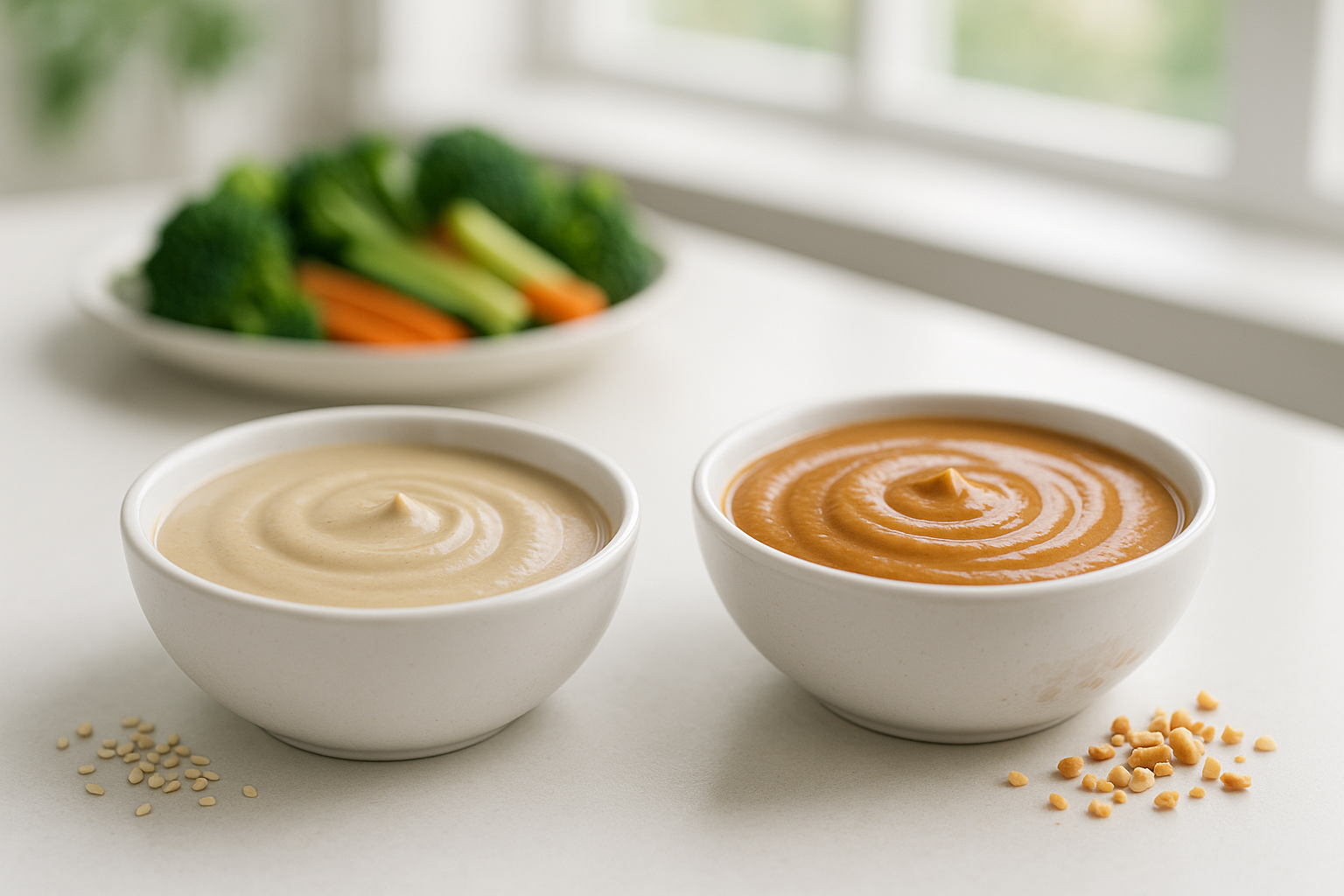
Tahini and peanut sauce are two staple condiments that appear across Middle Eastern, Mediterranean, Southeast Asian, and fusion cuisines. Both sauces are creamy, nutty, and rich, but they differ significantly in flavor profiles, ingredient lists, and culinary traditions. Knowing their unique characteristics can transform your cooking and help you choose the right sauce for every dish.
Tahini: The Sesame Seed Powerhouse
Tahini is made from hulled, roasted, and ground sesame seeds. Traditional tahini contains only sesame seeds and sometimes a pinch of salt. High-quality tahini is pourable, smooth, and slightly bitter with deep nutty undertones. It’s a core ingredient in Authentic Lebanese Tarator Sauce (Tahini Garlic Sauce) and various dressings, dips, and spreads.
Peanut Sauce: Bold, Sweet, and Savory
Peanut sauce is rooted in Indonesian, Thai, and Vietnamese cuisines. The classic base is roasted peanuts or smooth peanut butter, combined with coconut milk, soy sauce, garlic, ginger, lime juice, and sometimes sweeteners like palm sugar or honey. The result is an umami-rich, sweet-savory sauce with a creamy texture and a hint of spice. Peanut sauce is essential in dishes like satay, gado-gado, and noodle salads.
Flavor Profiles: Comparing Taste and Aroma
Tahini: Bitterness, Earthiness, and Subtle Sweetness
Tahini’s flavor is best described as earthy and slightly bitter, with a creamy mouthfeel. Roasting sesame seeds before grinding intensifies the nutty notes and softens the raw bitterness. When used in sauces like Creamy Roasted Garlic Lemon Tahini Dressing, tahini’s bitterness is balanced by lemon juice, garlic, and a touch of sweetness. The result is a savory, tangy sauce well-suited to grilled vegetables, salads, and falafel.
Peanut Sauce: Sweetness, Salt, and Spice
Peanut sauce delivers a layered flavor experience. The peanuts provide sweetness and nuttiness, while soy sauce or fish sauce adds salt and umami. Garlic, ginger, and chili deliver depth and heat. Coconut milk, if used, brings luxurious body and subtle sweetness. Adjusting the balance of sweet, salty, sour (lime juice), and spicy elements is key to customizing peanut sauce to your taste.
Texture: Creamy Consistency and Emulsification
Tahini-Based Sauces
Tahini by itself is thick but can seize or stiffen when water is first added. To achieve a creamy, pourable sauce, always whisk 2–3 tablespoons of cold water (or lemon juice) into 1/2 cup tahini slowly. The sauce will become paler and silkier as it emulsifies. For a thinner dressing, add more water 1 tablespoon at a time until the desired consistency is reached. If using tahini in cooked sauces, avoid high heat - temperatures above 180°F (82°C) can cause separation or bitterness.
Peanut Sauce Techniques
Peanut sauce starts with smooth or chunky peanut butter. To make a classic Southeast Asian-style sauce, whisk 1/2 cup peanut butter with 1/2 cup coconut milk, 2 tablespoons soy sauce, 1 tablespoon brown sugar, 1 teaspoon grated garlic, and 1 teaspoon grated ginger. Thin with hot water until the sauce is pourable (usually 1/4 to 1/3 cup). Simmer gently over low heat - never above 200°F (93°C) - for 2–3 minutes to meld flavors without breaking the emulsion. Overheating can cause the sauce to split or become oily.
Nutrition Comparison: Tahini vs. Peanut Sauce
Calories, Fats, and Protein
- Tahini (per 2 tablespoons): ~180 calories, 16g fat (2g saturated), 5g protein, 3g carbs
- Peanut butter (per 2 tablespoons, plain): ~190 calories, 16g fat (3g saturated), 8g protein, 6g carbs
Tahini is slightly lower in calories and protein but higher in minerals like calcium and iron. Peanut butter contains more protein per serving, but also more saturated fat.
Micronutrients and Allergens
Tahini is an excellent source of calcium, iron, magnesium, and B vitamins. It’s naturally vegan and gluten-free, but sesame is a major allergen for some people. Peanut sauce is rich in vitamin E, niacin, and folate. Peanuts are a common allergen, so always check for dietary restrictions when serving guests.
Sugar and Sodium
Basic tahini contains no added sugar or sodium. Peanut sauces often include soy sauce and sweeteners, increasing both sodium and sugar content. For a lighter option, use low-sodium soy sauce and natural peanut butter with no added sugar.
Best Uses: When to Choose Tahini or Peanut Sauce
When Tahini Shines
- Dips and Spreads: Use tahini as a base for hummus or drizzle over roasted vegetables. Try it in tarator garlic sauce or as a creamy dressing for grain bowls.
- Salad Dressings: Whisk with lemon juice, garlic, and olive oil for a savory dressing in roasted garlic lemon tahini dressing.
- Vegetable Sauces: Pair tahini with grilled eggplant, zucchini, or cauliflower. For more pairing inspiration, see Best Sauces for Grilled Vegetables: 12 Pairings to Elevate Summer Produce.
- Baking: Add tahini to brownies or cookies for nutty flavor and soft texture.
When Peanut Sauce Excels
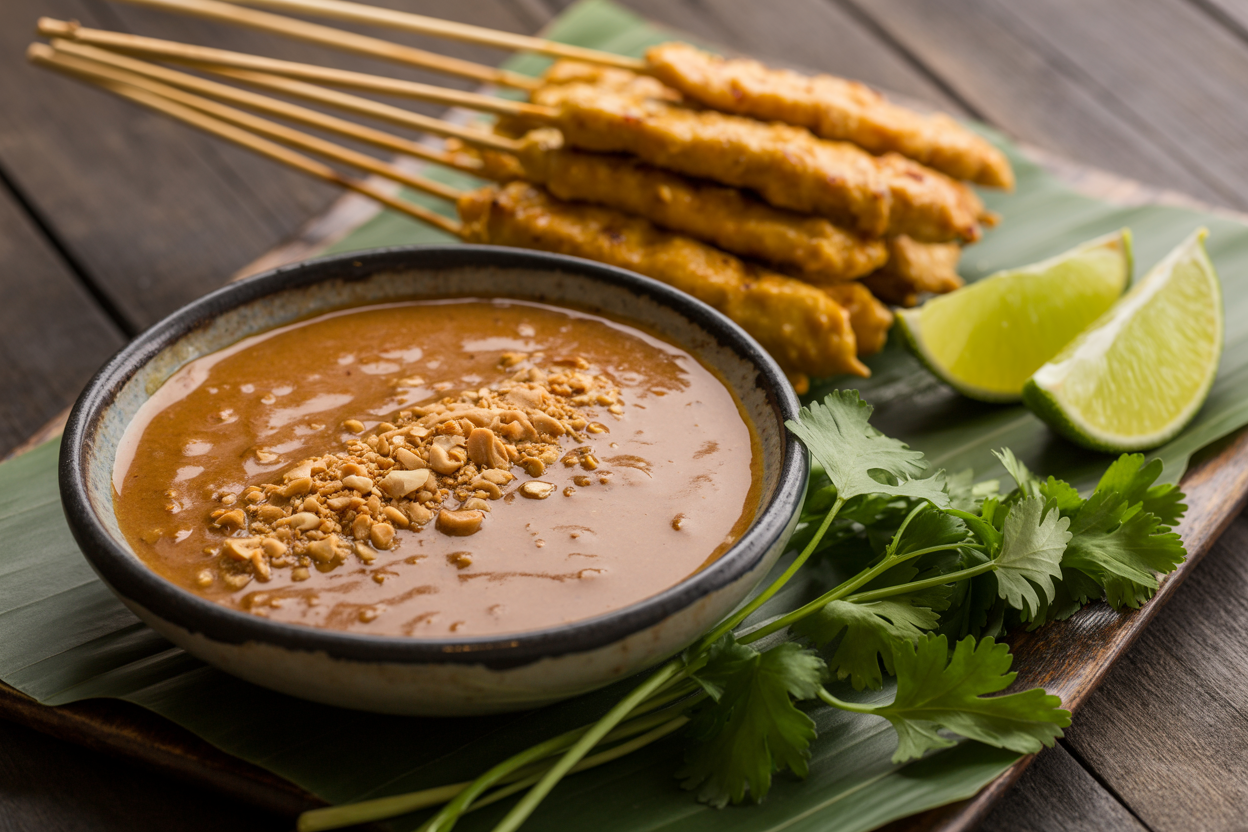
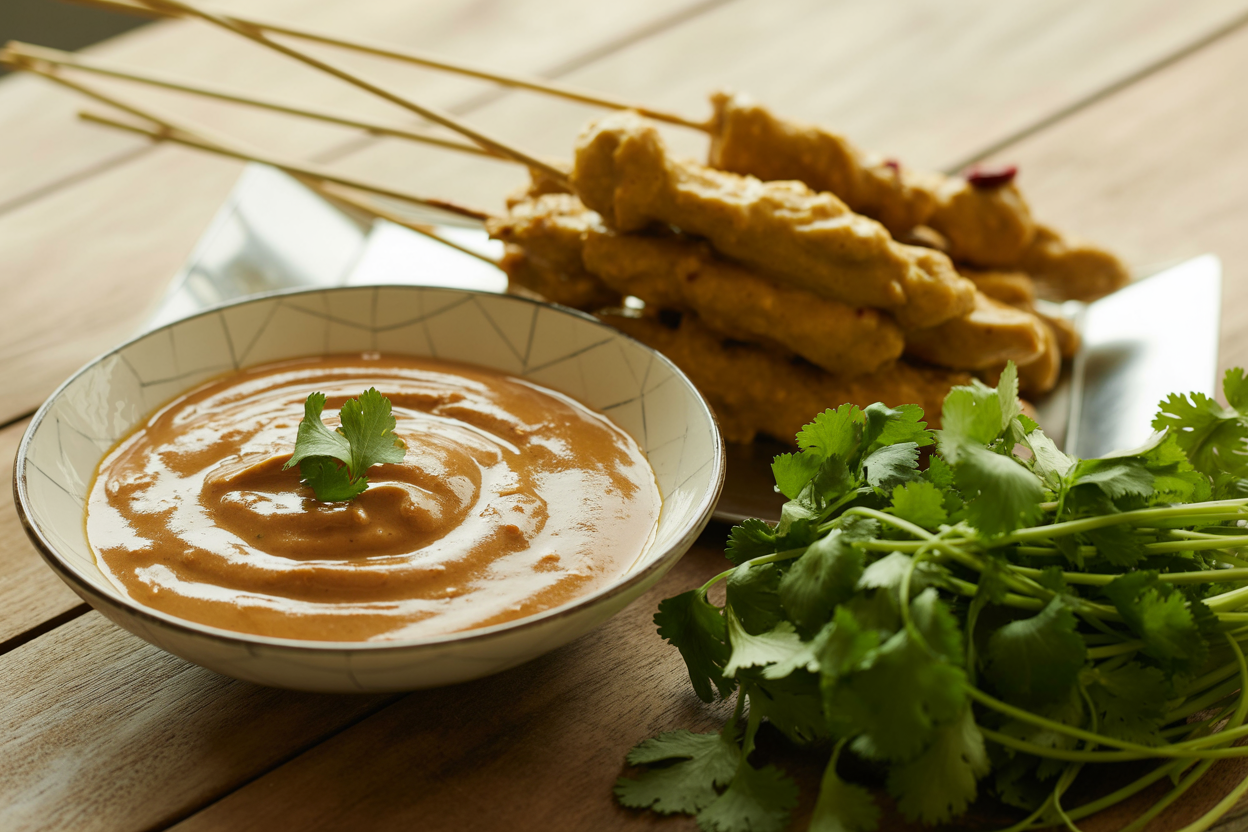
- Dipping Sauce: Serve with grilled meats (like chicken satay), spring rolls, or tofu skewers. Classic peanut sauce is essential for Thai satay - dip hot, grilled skewers straight into warm sauce.
- Noodle Bowls: Toss cold rice noodles with peanut sauce, shredded veggies, and fresh herbs for a quick meal. Use 1/3 cup sauce per 8 ounces cooked noodles.
- Salads: Drizzle over Asian-inspired salads with cabbage, carrots, and cilantro. See more ideas in Best Sauces for Rice: 13 Flavorful Pairings From Around the World.
- Fusion Dishes: Peanut sauce works in wraps, grain bowls, and even as a burger topping for creamy, tangy flavor.
Actionable Tips: Making and Storing Each Sauce at Home
How to Make Classic Tahini Sauce
- Start with 1/2 cup well-stirred tahini in a bowl. Whisk in 2–3 tablespoons cold water gradually until creamy.
- Add 2 tablespoons fresh lemon juice, 1 small clove garlic (grated), and 1/4 teaspoon salt. Whisk until smooth. The sauce will thicken, then loosen as you mix. Adjust thickness with more water if needed.
- For a punchier flavor, add 1 tablespoon chopped parsley or a pinch of cumin.
- For a garlic-forward version, see Authentic Lebanese Tarator Sauce (Tahini Garlic Sauce).
Store tahini sauce in an airtight container in the fridge for up to 5 days. If it thickens, loosen with a splash of cold water and whisk before serving. For longer shelf life, consult How to Pasteurize Homemade Sauces for Longer Shelf Life at Home.
How to Make Classic Peanut Sauce
- Whisk together 1/2 cup creamy peanut butter, 1/2 cup coconut milk, 2 tablespoons soy sauce, 1 tablespoon brown sugar, 1 tablespoon lime juice, 1 teaspoon grated garlic, and 1 teaspoon grated ginger.
- Thin with 1/4–1/3 cup hot water, whisking until smooth and pourable.
- Optional: Add 1 teaspoon chili sauce or sriracha for heat.
- Simmer gently over low heat (below 200°F/93°C) for 2–3 minutes if serving warm, whisking constantly to prevent scorching.
Peanut sauce keeps in the fridge for up to 1 week. If it thickens, microwave for 10–15 seconds and whisk, or thin with a bit of hot water. For freezing tips, see Freezing Sauces 101: Best Methods, Containers, and Thawing Tips.
Flavor Pairings and Recipe Inspirations
Sauces That Showcase Tahini
- Authentic Lebanese Tarator Sauce (Tahini Garlic Sauce) – Classic with falafel or grilled meats.
- Creamy Roasted Garlic Lemon Tahini Dressing – Perfect for salads, bowls, or roasted vegetables.
- Thermomix Roasted Red Pepper Hummus – Tahini provides creamy body and nutty flavor.
Sauces That Highlight Peanut Butter
- Use peanut sauce as a dip for satay or a topping for noodle salads. For other creamy sauces for grilled meats, try Homemade Jamaican Jerk Marinade for Grilling or Authentic Peruvian Aji Verde Sauce Recipe.
- For a tangy contrast, pair peanut sauce with tarator or try a different creamy dip like Creamy Feta Dill Dip.
Expert Cooking Explanations: Emulsification and Sauce Rescue
How to Prevent Tahini Sauce From Seizing
Tahini thickens or “seizes” when water is added too quickly. Always whisk in cold water slowly, letting the sauce absorb each tablespoon before adding more. For a foolproof emulsion, use a small food processor and add liquid in a thin stream. If the sauce splits, whisk in 1–2 teaspoons warm water to bring it back together.
How to Fix Broken Peanut Sauce
If peanut sauce separates or becomes oily, whisk in 1 teaspoon hot water at a time until the sauce re-emulsifies. For persistent splitting, blend in a spoonful of coconut milk or a splash of vinegar to stabilize the emulsion. For more rescue techniques, see How to Fix Over-Salted Sauces: Chef-Approved Rescue Techniques.
Choosing the Right Sauce for Your Dish
Pairing by Protein and Cooking Method
- Tahini – Best with grilled, roasted, or raw vegetables, legumes, and fish. Also excellent in vegan and Mediterranean-inspired bowls.
- Peanut Sauce – Ideal for grilled or fried chicken, tofu, beef satay, and Southeast Asian-style noodle salads. Try as a dip for spring rolls or a sauce for rice bowls. For pork options, see Best Sauces for Pork: 12 Easy Pairings for Chops, Tenderloin, and More.
Complementary Sauces for Your Pantry
Both tahini and peanut sauce are versatile, but expanding your sauce repertoire can amplify your cooking. Explore classics like Copycat Olive Garden Italian Dressing Recipe for salads, Thermomix Creamy Roasted Poblano Sauce for smoky flavor, or Homemade Spicy Maple BBQ Sauce for grilling.
Conclusion: Tahini vs. Peanut Sauce - Which Should You Choose?
Choose tahini for Mediterranean and Middle Eastern flavors, creamy dressings, and nutty, slightly bitter notes in both savory and sweet dishes. Choose peanut sauce for Southeast Asian-inspired meals, sweet-savory dips, and creamy toppings for noodles, satay, or salads. Both sauces are easy to make at home and store well, so keep both on hand for maximum versatility. Mastering the techniques behind these sauces will expand your culinary toolkit and elevate any meal.
TAGS
Try These Recipes
Related Articles
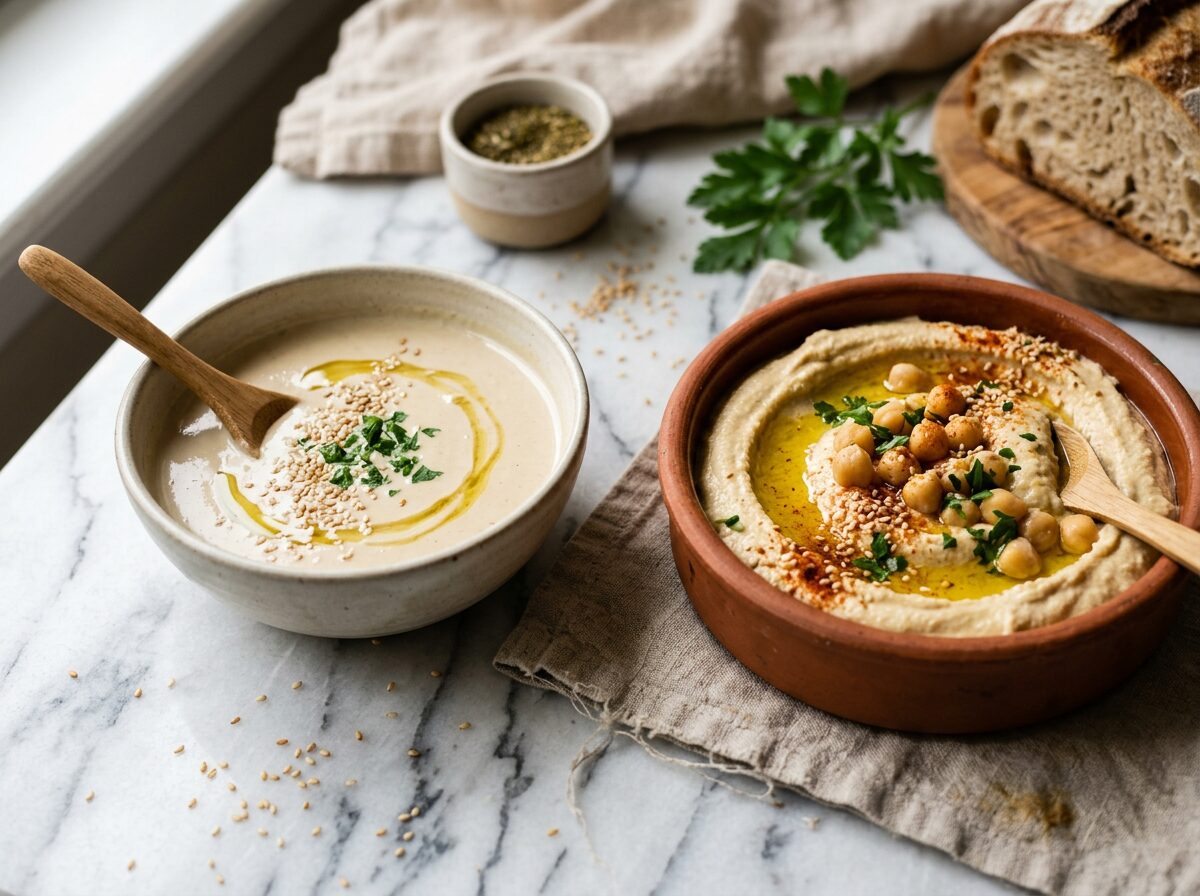
Tahini Sauce vs. Hummus: Differences, Uses, and When to Choose Each
Compare tahini sauce and hummus: key ingredients, texture, flavor, and best uses. Learn when to use each Middle Eastern classic in your cooking.
Tahini Sauce vs. Hummus: Differences, Uses, and Best Pairings
Compare tahini sauce and hummus: ingredients, textures, uses, and ideal pairings. Learn when to use each Middle Eastern sauce for best flavor results.
Tahini Sauce vs. Hummus: Flavor, Texture, and How to Use Each Best
Tahini sauce and hummus are staple Mediterranean condiments. Compare flavor, texture, nutrition, and best uses for each in your cooking.
Hollandaise vs. Béarnaise Sauce: Key Differences and When to Use Each
Compare hollandaise and béarnaise sauces - ingredients, flavor, and best uses. Learn when to use each classic French sauce for perfect dishes.