How to Infuse Sauces With Herbs and Spices: Techniques for Maximum Flavor
Learn expert infusion techniques to add bold herbal and spice flavors to any sauce. Step-by-step methods, tips, and pairing ideas for home cooks.
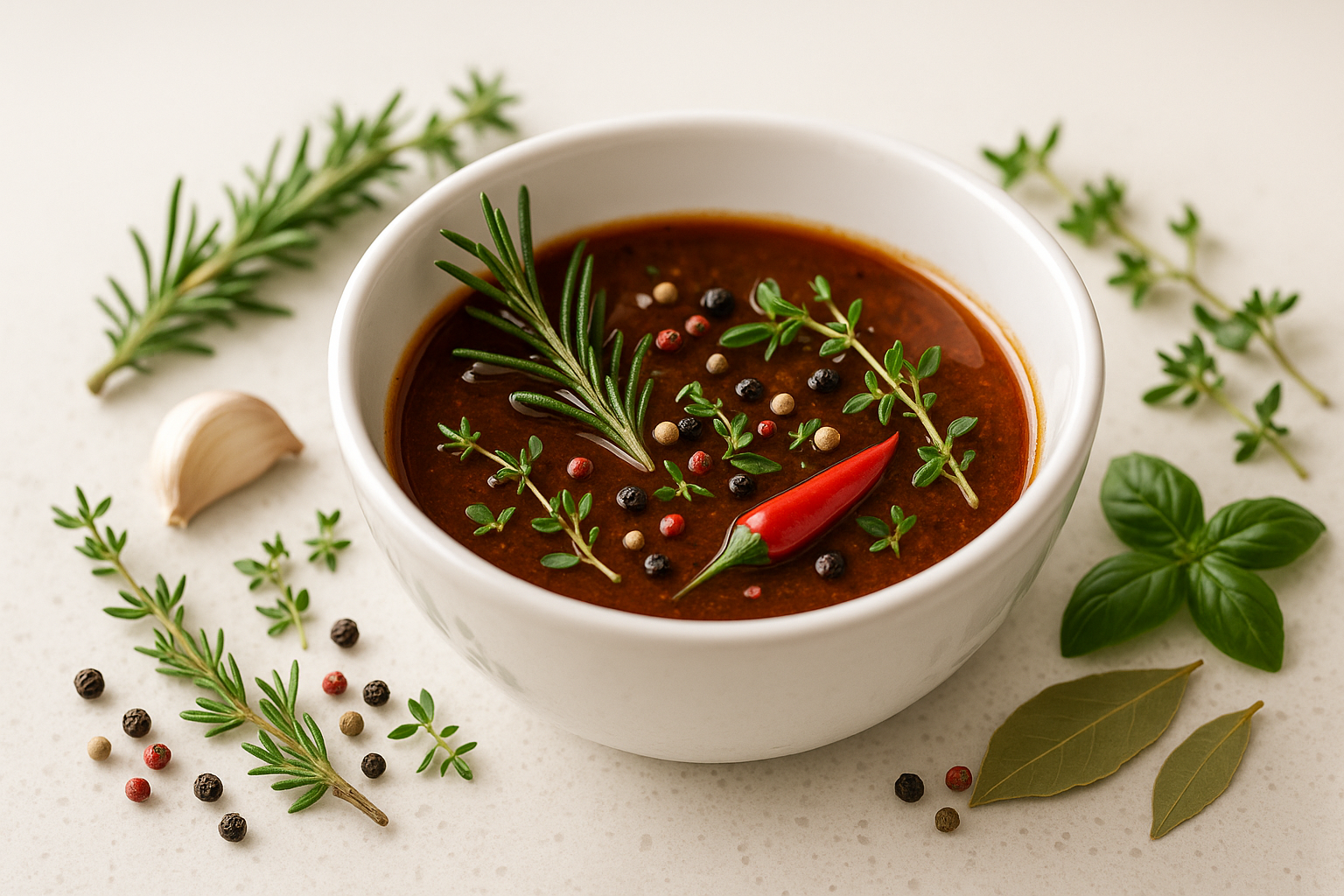
Written by FoodieManiac
With over 8 years of sauce-making experience, I've tested hundreds of techniques and products to bring you practical, reliable advice. Learn more about me →
Understanding the Role of Herbs and Spices in Sauce Making
Herbs and spices are the backbone of sauce flavoring. Using them effectively can turn a good sauce into a memorable one. Herbs - like basil, cilantro, oregano, and dill - contribute fresh, grassy, and aromatic notes, while spices - such as cumin, coriander, paprika, and peppercorns - bring warmth, depth, and complexity. Infusion is the process of extracting their volatile oils and flavors into a liquid base, maximizing the impact on your sauce.
Key Techniques for Infusing Sauces With Herbs and Spices
To achieve maximum flavor, match your infusion technique to the sauce style and the specific herbs or spices you’re using. Here are the most effective methods:
1. Hot Infusion: Extracting Flavor With Heat
Hot infusion is ideal for robust herbs (rosemary, thyme, sage) and most whole spices. Heat helps release essential oils and flavors quickly and efficiently.
- For Creamy Sauces: Gently simmer 1 cup of cream or milk with 1–2 tablespoons of fresh herbs or 2 teaspoons of whole spices for 10–15 minutes at 180°F (82°C), just below a boil. Strain before using.
- For Tomato Sauces: Add 2–3 sprigs of fresh basil or oregano and 1 teaspoon of crushed red pepper directly to the simmering sauce during the last 10 minutes of cooking. Remove herbs before serving for a cleaner texture.
- For Oil-Based Sauces: Combine ½ cup olive oil with 2 cloves crushed garlic, 1 teaspoon whole peppercorns, and a sprig of rosemary. Heat to 180°F (82°C) for 5 minutes, then cool and strain.
For a practical example, try the Thermomix Roasted Tomato Basil Sauce which uses basil infusion for a vibrant finish.
2. Cold Infusion: Preserving Delicate Aromatics
Cold infusion works best for delicate herbs (parsley, cilantro, mint, dill) that lose their brightness with prolonged heat. This method is essential for fresh, uncooked sauces.
- For Vinaigrettes: Add 2 tablespoons chopped fresh herbs to ½ cup vinegar or lemon juice. Let sit at room temperature for 30 minutes before whisking in oil. This base can be used for vinaigrettes like the Homemade Greek Lemon-Oregano Vinaigrette.
- For Yogurt-Based Sauces: Stir 2 tablespoons finely chopped herbs and 1 teaspoon ground spices into 1 cup yogurt. Refrigerate for at least 1 hour before serving.
- For Salsas: Soak thinly sliced onions, peppers, and herbs in citrus juice or vinegar for 20–30 minutes before mixing with the remaining ingredients, as seen in Authentic Argentine Salsa Criolla.
3. Tincture and Extract Infusion for Deep Spice Penetration
Alcohol or vinegar-based tinctures efficiently extract volatile flavors from hard spices (star anise, cinnamon, cloves). Use 2 tablespoons whole spices per ½ cup high-proof vodka or white vinegar. Infuse for 24–48 hours at room temperature, then strain and add by the teaspoon to sauces for controlled flavor intensity. This technique is excellent in barbecue sauces and chutneys, as in the Homemade Spicy Maple BBQ Sauce.
4. Toasting: Amplifying Spice Aroma Before Infusion
Toasting whole spices before infusion intensifies their aroma and flavor. Heat a dry skillet over medium heat (350°F/175°C). Toast 1–3 tablespoons of whole spices for 1–2 minutes until fragrant, shaking the pan to prevent burning. Immediately transfer to your sauce base or grind for further use. This is a crucial step in sauces like Authentic Hungarian Paprika Sauce and Authentic Egyptian Dukkah Spice Mix & Dipping Oil.
Measuring and Timing: Precision for Consistent Infusions
Proper measurements and timing ensure balanced flavors and prevent overpowering bitterness or herbaceousness.
- Fresh Herbs: Use 2–3 tablespoons chopped per cup of sauce for subtle flavor, or up to ¼ cup for bold herbal notes.
- Dried Herbs: Use 1 tablespoon per cup of sauce, as dried herbs are more concentrated.
- Whole Spices: ½–1 teaspoon per cup is sufficient; increase for robust sauces like curries or BBQ.
- Infusion Times: For hot infusions, 10–20 minutes is typical; for cold, 30–60 minutes. For tinctures, infuse 24–48 hours.
For sauces with a creamy or emulsion base (like mayonnaise or aioli), add herbs and spices after emulsification to avoid breaking the sauce, as demonstrated in the Authentic Lebanese Toum (Garlic Whipped Sauce) Recipe.
Layering Flavors: When to Add Herbs and Spices
The timing of herb and spice addition impacts both strength and character of flavor:
- Early in Cooking: Adds background depth, especially with dried herbs and whole spices. Examples include simmering bay leaf in tomato sauce or toasting cumin in oil for curries.
- Midway Through Cooking: Fresh or fragile herbs like thyme or parsley can be added halfway for moderate flavor presence.
- At the End or As Garnish: For bright flavor and aroma, stir in chopped fresh herbs (like basil, cilantro, or chives) just before serving. This keeps their volatile oils intact, as in Homemade Chimichurri Sauce for Grilled Meats.
For more on balancing and layering flavors, see 10-Minute Marinades: Quick Sauces to Instantly Upgrade Any Protein.
Controlling Temperature for Ideal Infusion
Temperature control is vital. Excess heat can destroy delicate herbal notes or make spices bitter.
- 180–200°F (82–93°C): Best for simmering robust herbs and most spices, as in cream or stock-based sauces.
- Below 160°F (71°C): Use for delicate herbs to avoid grassy or cooked flavors.
- Room Temperature (68–75°F/20–24°C): Ideal for cold infusions, emulsions, and vinaigrettes.
Never boil herbs for more than 5 minutes, as this can create bitterness. For more on temperature management in sauces, read How to Temper Eggs for Sauces: Prevent Curdling in Custards and Creamy Classics.
Optimizing Herb and Spice Preparation
Preparation method affects infusion efficiency:
- Bruising: Gently crush fresh herbs with the back of a knife or a muddler to help release oils before infusing in liquids.
- Chopping: Finely chop herbs for cold infusions to maximize surface area and flavor extraction.
- Grinding: For spices, grind just before use to release volatile oils. Use a spice grinder or mortar and pestle; 1 teaspoon whole equals about ½ teaspoon ground.
- Sachet: Tie herbs and whole spices in cheesecloth for easy removal after simmering, preventing texture issues.
Classic Examples of Herb and Spice Infusion in Sauces
- Green Sauces: Authentic Italian Salsa Verde Sauce Recipe and Authentic Peruvian Aji Verde Sauce Recipe both rely on cold infusion of fresh herbs for punchy, uncooked brightness.
- Spicy Dips: The Creamy Jalapeño Cilantro Dip (Chuy’s Copycat) uses pureed fresh herbs and raw peppers for a vibrant, immediate flavor impact.
- BBQ and Cooked Sauces: Smoky Bourbon BBQ Sauce uses both toasted and simmered spices for deep, layered complexity.
Troubleshooting Common Infusion Mistakes
- Bitterness: Caused by overcooking herbs or using too much. Reduce heat and limit simmering time. Strain out herbs after 10–15 minutes.
- Muddled Flavors: Overloading with too many types of herbs/spices at once. Limit to 2–3 complementary flavors per sauce.
- Lack of Flavor: Not enough herb/spice or too short an infusion. Increase quantity or extend infusion time by 5–10 minutes for hot methods, or 30+ minutes for cold.
- Poor Texture: Unstrained herbs or ground spices left in smooth sauces. Always strain using a fine mesh sieve. Learn professional straining in How to Strain Sauces Like a Pro: Techniques for Silky, Smooth Results.
Special Considerations: Emulsions, Dairy, and Acidic Sauces
Emulsions (Mayonnaise, Aioli, Vinaigrettes)
Add herbs and spices after emulsification to avoid breaking the sauce. For vinaigrettes, infuse the vinegar first with herbs for 30–60 minutes before proceeding. For creamy emulsions, fold in fresh or dried herbs at the end - see Homemade Creamy Parmesan Caesar Dip for a practical example.
Dairy-Based Sauces
Infuse milk, cream, or yogurt with herbs/spices by gentle simmering, never boiling. Always strain before thickening to prevent gritty textures. A classic method for béchamel or cheese sauces: Warm 2 cups milk with a bay leaf, 2 sprigs thyme, and ½ teaspoon peppercorns at 180°F (82°C) for 15 minutes, then strain before using as your sauce base.
Acidic Sauces
Acids like vinegar or citrus can quickly extract flavors from herbs and spices. For salsas and chimichurris, marinate 2–3 tablespoons fresh herbs in ½ cup vinegar or lemon juice for 20–30 minutes before adding oil and remaining ingredients. For more, see How to Make Chimichurri Sauce: Argentina’s Classic Herb Condiment.
Maximizing Storage and Freshness of Infused Sauces
Proper storage preserves infused flavors and prevents spoilage. Strain out herbs and spices before storing for longer shelf life. For oil-based sauces, refrigerate and use within 1 week. Vinegar-based sauces last 2–3 weeks refrigerated. Cream or dairy-based sauces should be consumed within 3–4 days. For advanced tips on storage, read How to Vacuum Seal Sauces for Maximum Freshness and Long-Term Storage.
Actionable Tips for Maximum Flavor Extraction
- Always toast whole spices before adding to a hot sauce base.
- Infuse vinegar or citrus juice with fresh herbs for 30–60 minutes for vinaigrettes or salsas.
- Use sachets or cheesecloth for easy removal of herbs/spices after simmering.
- Layer flavors by adding some herbs early (for depth) and more fresh herbs at the end (for brightness).
- Strain finished sauces for a smooth texture, especially in creamy or blended sauces.
Conclusion: Elevate Your Sauces With Smart Infusion
Mastering infusion unlocks the full potential of herbs and spices in every sauce. Choose the right technique - hot, cold, toasted, or tincture - based on your sauce style and ingredients. Measure accurately, control time and temperature, and layer flavors thoughtfully. Whether making a classic chimichurri, a spicy BBQ sauce, or a bright green salsa verde, these techniques guarantee maximum flavor impact. For more inspiration and expert methods, explore our guides on How to Make 5-Minute Pan Sauces for Chicken, Fish, and Veggies and How to Strain Sauces Like a Pro: Techniques for Silky, Smooth Results.
TAGS
Related Articles
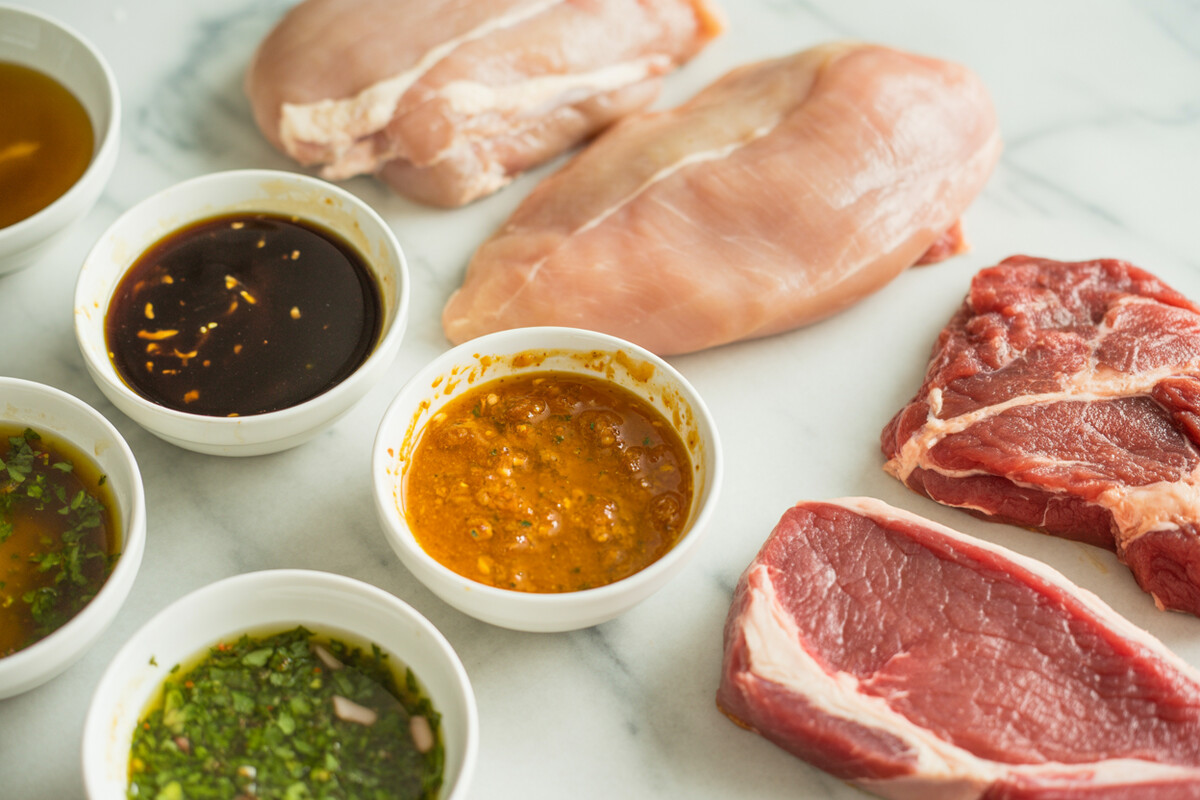
10-Minute Marinades: Quick Sauces to Instantly Upgrade Any Protein
Discover fast, flavor-packed marinades you can whip up in 10 minutes to transform chicken, beef, fish, or tofu. Easy recipes, bold results!
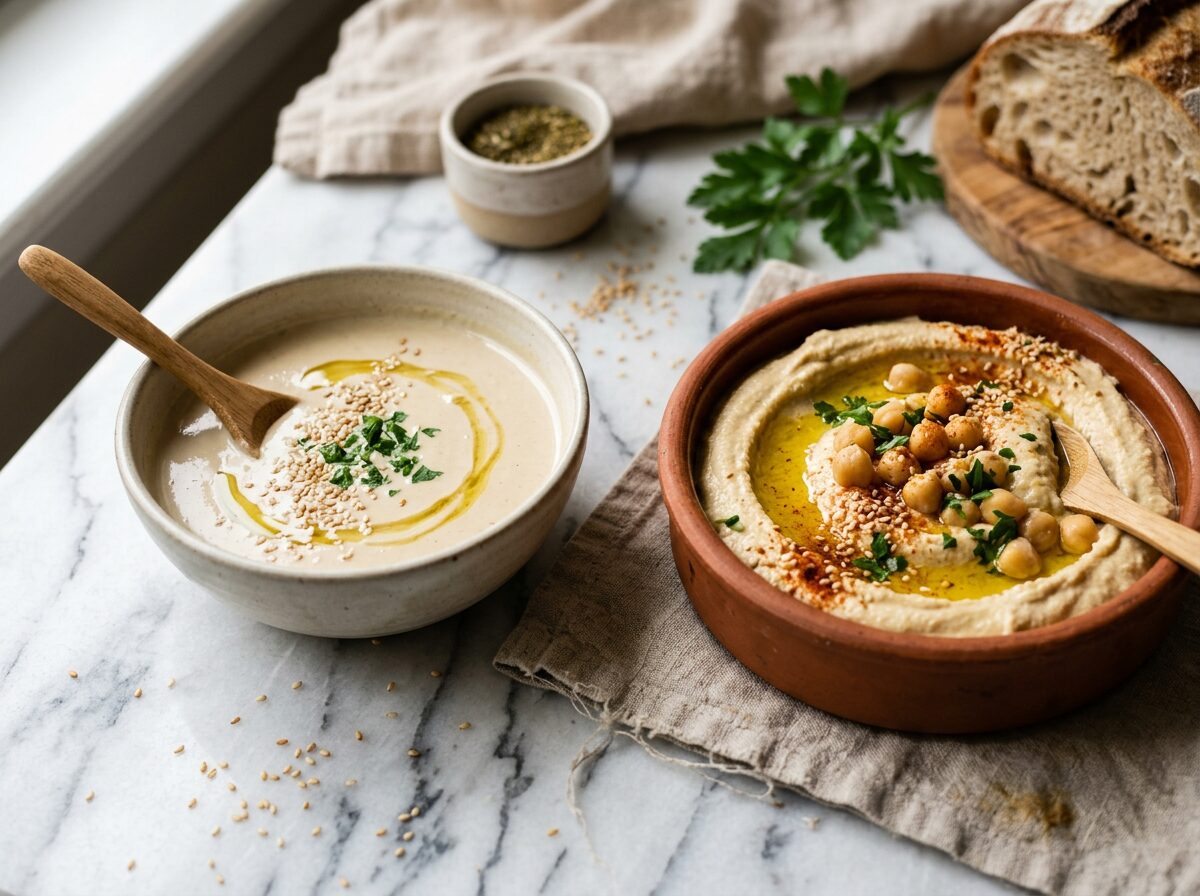
Tahini Sauce vs. Hummus: Differences, Uses, and When to Choose Each
Compare tahini sauce and hummus: key ingredients, texture, flavor, and best uses. Learn when to use each Middle Eastern classic in your cooking.
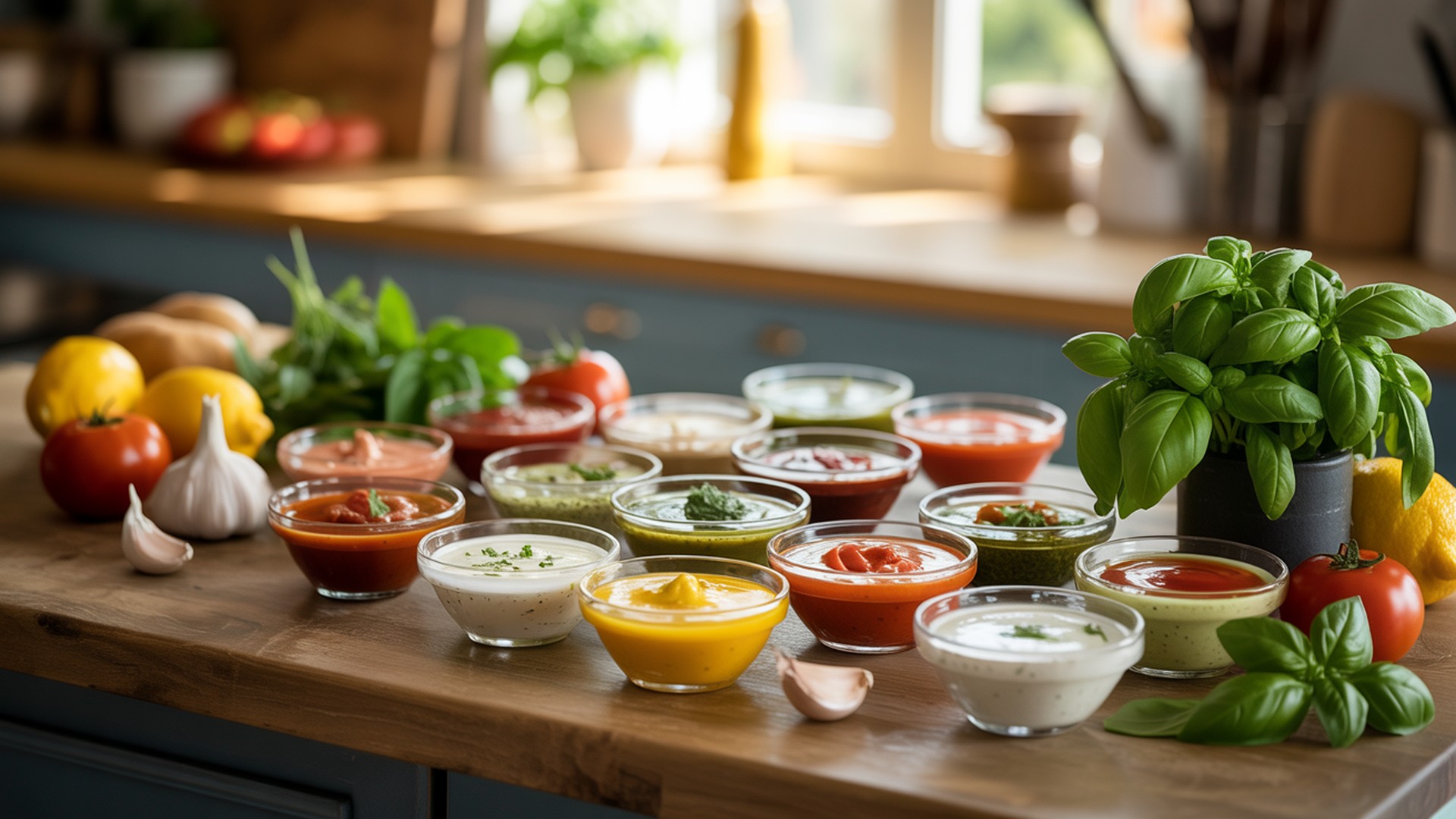
Best Sauces for Grilled Vegetables: 10 Pairings That Add Bold Flavor
Discover 10 delicious sauces that perfectly complement grilled vegetables. Elevate your summer grilling with these easy, flavor-packed pairings and recipes.
How to Thicken Sauces Naturally (7 Methods)
Discover 7 natural ways to thicken sauces without cornstarch! From reduction to roux, learn the best methods for every sauce type. No more watery sauces!