How to Prevent Mold in Homemade Sauces: Safe Storage Tips That Work
Tired of mold ruining your homemade sauces? Learn the proven storage steps and kitchen habits to keep your sauces safe, fresh, and mold-free for longer.
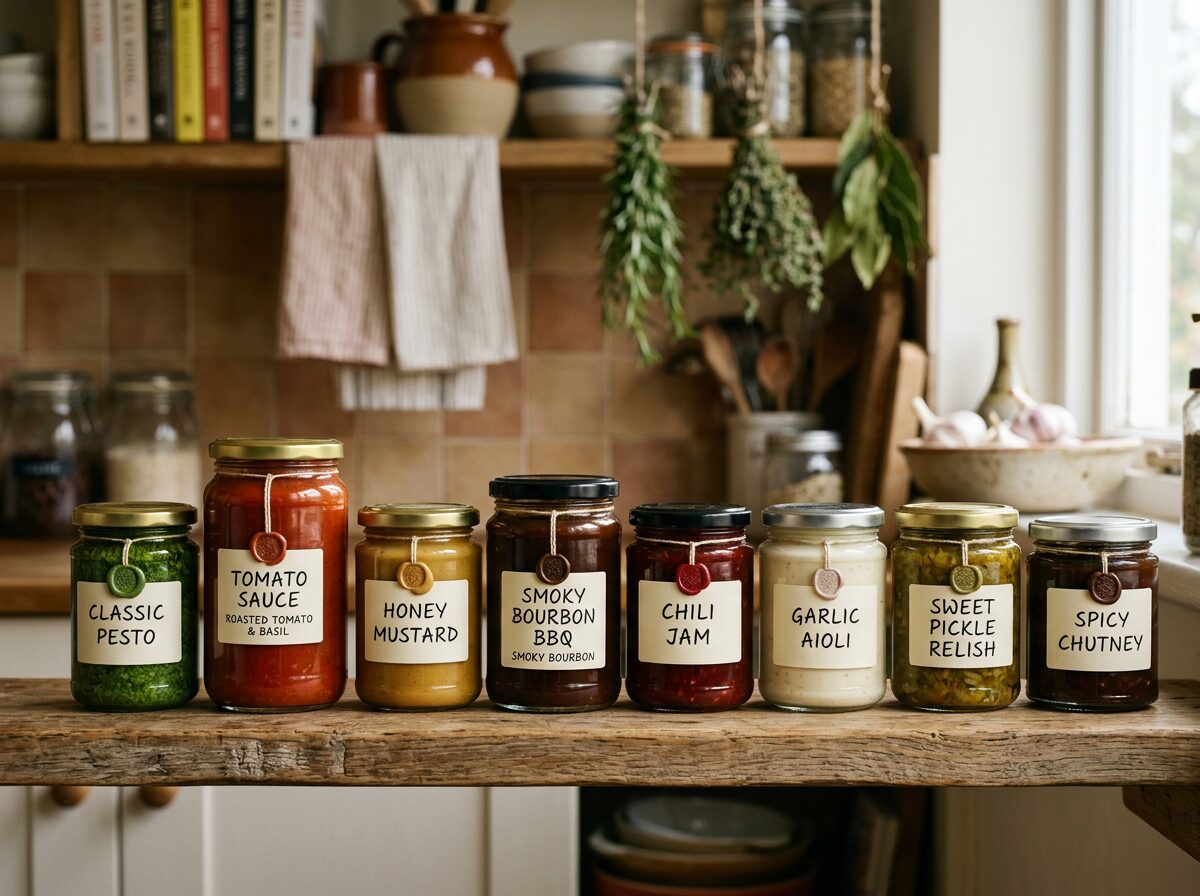
Written by FoodieManiac
With over 8 years of sauce-making experience, I've tested hundreds of techniques and products to bring you practical, reliable advice. Learn more about me →
Why Mold Happens in Homemade Sauces (And Why It Drives Me Nuts)
If you’re anything like me, you’ve probably opened the fridge, pulled out that jar of homemade sauce you were super proud of, and found a fuzzy green or white patch waving at you. Ugh. It’s the worst. That’s mold, and it’s basically the universe telling you “nice try, but not quite.”
I wish I could say this only happened to me once or twice, but honestly? I lost count after my third batch of chimichurri. And don’t get me started on homemade BBQ sauces - I’ve tossed out more jars of sweet chipotle BBQ sauce than I care to admit.
So why does mold happen? It’s simple: homemade sauces don’t have the preservatives that store-bought versions do. Mold spores are everywhere, and all they need is a little moisture, a bit of air, and some time at the wrong temperature. If you skip a step or get lazy with storage, you’re basically inviting the mold in for dinner.
What Types of Sauces Are Most at Risk?
I’ve found that sauces with fresh herbs, garlic, or dairy are the quickest to spoil. Think things like creamy ranch, toum, and anything mayo-based. Tomato sauces last a bit longer, but even my roasted tomato basil sauce can get moldy if I forget it in the back of the fridge.
Vinaigrettes and high-acid sauces (lots of vinegar or citrus) like Ezme or lemon-oregano vinaigrette are less risky. Acid is your friend. But don’t get cocky - I’ve seen mold grow on vinaigrette, especially if someone double-dipped a spoon.
Temperature: The Real Sauce Saver
I used to think “just pop it in the fridge and you’re good.” Not quite. Temperature matters, a lot. Your fridge should sit at or below 40°F (4°C). If your fridge is running warm, you’re giving mold the perfect playground. I keep a cheap fridge thermometer inside because mine likes to lie to me.
And here’s something I learned the hard way: don’t put hot sauce straight into the fridge. Let it cool to room temperature first (usually 30-60 minutes, depending on the batch size), but don’t leave it out for hours. Once it’s just barely warm, get it chilling.
Containers: Not All Jars Are Created Equal
I used to reuse old jelly jars, coffee mugs, even Tupperware with cracked lids. Big mistake. Mold loves air leaks. Now, I only use glass jars with tight-fitting lids or legit food-grade plastic containers. If you want to go wild, you can sterilize them by boiling for 10 minutes, but honestly? A run through the dishwasher on “sanitize” works for all but the most delicate sauces.
Always label your jars with the date. I’m not organized by nature, but this one habit has saved me from guessing games (and a few stomachaches).
If you want the pro-level storage run-down, check out my full guide on how to store sauces in the fridge. It’s geeky, but super useful when you start making more sauces than you can eat in a week.
Tested Tips
- The clean spoon rule: Never dip a used spoon back into your sauce jar. I learned this after ruining a whole batch of sun-dried tomato basil dip with crumbs from bread. Cross-contamination is real, and it jump-starts mold growth. If you forget and see fuzzy spots, there’s no saving it - toss the whole thing.
- Acid booster: If your sauce can handle it, add a splash of vinegar or lemon juice at the end. I add 1-2 teaspoons to herb sauces like salsa verde or salsa criolla. It brightens flavor and slows down mold. Too much acid can overpower the sauce, so go slow and taste after each addition.
- Surface seal: For thicker sauces (like hot mustard sauce), pour a very thin layer of olive oil on top before sealing. This blocks air. It doesn’t work for runny sauces, but for things like feta dill dip, it buys you a few extra days. If you hate the oil slick, just pour it off before using.
- Batch small, not big: I used to make giant jars of honey sriracha sauce and always wasted half. Now, I make half-batches unless I know I’ll use it up fast. Smaller batches mean less time for mold to grow - and less heartbreak when you do have to toss a jar.
- Wipe the rim: Every time you scoop some sauce, wipe the jar rim with a clean paper towel before resealing. Bits of food left on the rim are prime mold real estate. I learned this from a grandma who never had a single spot of mold in her dressings.
- Quick freeze: If you know you won’t use the sauce in 4-5 days, freeze it. Most sauces (except creamy emulsions like Caesar dressing) freeze surprisingly well. Use small containers or ice cube trays. Thaw in the fridge, not on the counter, to avoid weird textures and safety issues.
How Long Does Homemade Sauce Really Last?
Most recipes will tell you “up to a week in the fridge.” That’s a safe bet for most homemade sauces, but here’s what I’ve found after years of experimenting (and, let’s be real, sniff-testing):
- Fresh herb sauces (like chimichurri, aji verde): 3-5 days.
- Creamy sauces (tahini dressings, blue cheese dip): 4-7 days, but I’ve had some last 10 if I’m careful.
- High-acid BBQ or ketchup-style sauces (spicy maple BBQ): 2-3 weeks.
- Nut-based or garlic-heavy sauces (tarator, romesco): 5-7 days.
If anything smells sour, yeasty, or “off,” don’t risk it. Mold is sometimes hard to spot - and you really don’t want food poisoning.
What to Do If You Spot Mold
This is where I used to bend the rules (“It’s just a little fuzzy spot, right?”). Don’t do it. If you see mold, toss the whole jar. Mold roots can run deep, even if you can’t see them. I know it hurts, but just let it go. I cover this (and other gross surprises) in more detail in my guide: Why Did My Homemade Sauce Go Bad? Signs of Spoilage and How to Prevent It.
Shortcuts That Actually Work
Not everything has to be fancy. Here’s what I do when I’m short on time or patience:
- Store-bought stock: For sauces that need a broth base (like pan sauces), boxed stock is fine. Homemade is amazing, but I honestly use boxed 80% of the time.
- White vinegar wipe: After washing jars, I sometimes wipe them with a paper towel dipped in white vinegar before filling. It’s a quick extra mold-fighting step that takes 10 seconds.
- Vacuum sealing: If you’re a sauce nerd (guilty), vacuum sealing really does extend shelf life. I wrote a whole thing about it: How to Vacuum Seal Sauces for Maximum Freshness and Long-Term Storage. Totally optional, but fun if you love gadgets.
- Freeze the base, finish fresh: For things like creamy tomato sauce, freeze the tomato base and add dairy right before serving. This keeps the sauce tasting fresh and avoids weird texture after thawing.
Real-Life Storage Setups
Here’s my actual sauce storage lineup (no Pinterest-worthy fridge, just real life):
- Top shelf: Creamy sauces and dips (easy to spot and use up first)
- Middle shelf: Big jars of BBQ and tomato sauces, labeled with dates
- Door: Vinaigrettes and high-acid sauces (they last longer, but keep them cool - the door is warmest, so if you’re worried, put them on a main shelf)
- Freezer: Ice cube trays filled with pesto, curry paste, and leftover mint chutney
I don’t always follow my own rules, but this setup has saved me from more than a few moldy messes.
Bonus: When Creamy Sauces Separate or Go Weird
Even when mold isn’t the problem, homemade creamy sauces can split or get lumpy after storage. I used to panic, but now I just give it a good stir. If it’s still weird, check out my guide: How to Store Creamy Sauces: Prevent Separation and Spoilage Safely. Sometimes, adding a splash of milk or whisking in a teaspoon of mayo brings it back to life.
If your sauces are breaking when you make them, that’s another story - I wrote about that too: Why Sauces Break (And How to Prevent It Every Time). Spoiler: It’s usually rushing or adding fat too quickly. I’ve done it more times than I’ll admit.
What About Preserving Sauces for Months?
If you want to keep sauces for months, you’re in canning territory. That’s a whole different game, and honestly, I don’t do it unless it’s a big batch of tomato sauce. The process is fiddly, and if you don’t do it right, you can get seriously sick. For everyday sauces, freezing is way easier and safer.
If you really want to get into preserving, learn the rules for each sauce type. Not all sauces are safe to can at home, especially those with dairy, eggs, or low acid.
Quick Recap: Mold-Proofing Your Homemade Sauces
- Use clean, airtight containers and label with dates
- Store in the coldest part of your fridge, not the door
- Don’t double-dip or use dirty spoons
- Add acid if the recipe allows
- Wipe rims and freeze what you can’t finish fast
- If you see mold, toss it - don’t risk your stomach
Homemade sauces are worth the extra effort. They taste better, you know what’s in them, and you can brag to your friends (or just yourself). If you want to try some new ones, check out my mustard BBQ sauce, fry sauce, or my go-to beetroot dip.
And if you want to get nerdy about pairing flavors, I’ve got you covered with Pairing Sauces With Fish and Sauce Pairings for Vegetarians. No more boring meals - or moldy jars.
TAGS
Related Articles
Freezing Sauces 101: Best Sauces to Freeze and How to Thaw Them Safely
Discover which sauces freeze well, step-by-step freezing methods, and how to safely thaw for best flavor and texture. Preserve your homemade sauces longer.
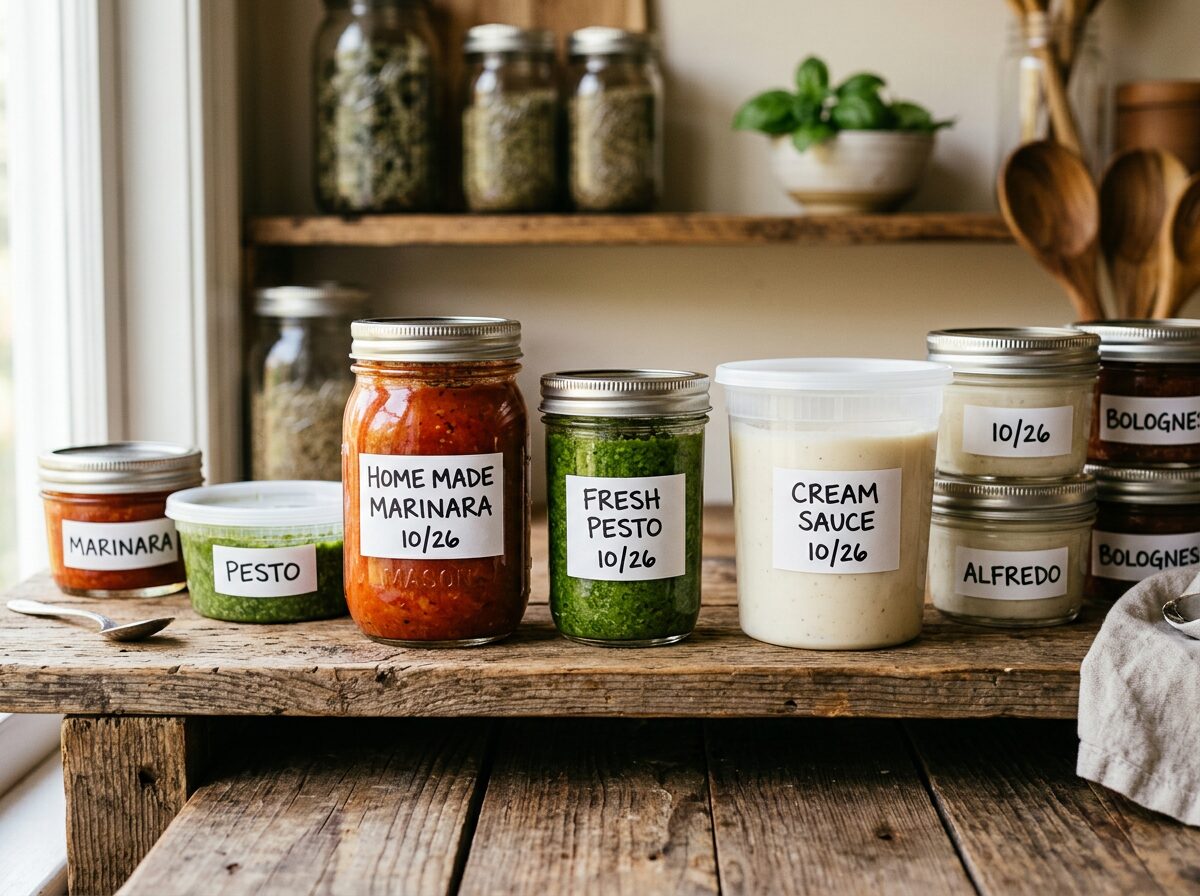
Freezing Sauces 101: Best Methods to Preserve Flavor, Texture, and Quality
Learn how to freeze sauces the right way. Discover tips on storage, thawing, and which sauces freeze best to keep flavors fresh and textures perfect.
How to Store Homemade Sauces (Complete Guide)
Master the art of storing homemade sauces! Learn proper storage times, containers, freezing methods, and safety tips for all sauce types. Keep your sauces fresh and safe!
How Long Do Sauces Last? Shelf Life Guide for Homemade & Store-Bought
Discover how long sauces last in the fridge, freezer, and pantry. Learn to spot spoilage and maximize the shelf life of homemade and store-bought sauces.