How to Store Creamy Sauces: Prevent Separation and Spoilage Safely
Learn expert methods to store creamy sauces and dressings, prevent separation, and keep them fresh longer. Essential tips for safe, delicious results.
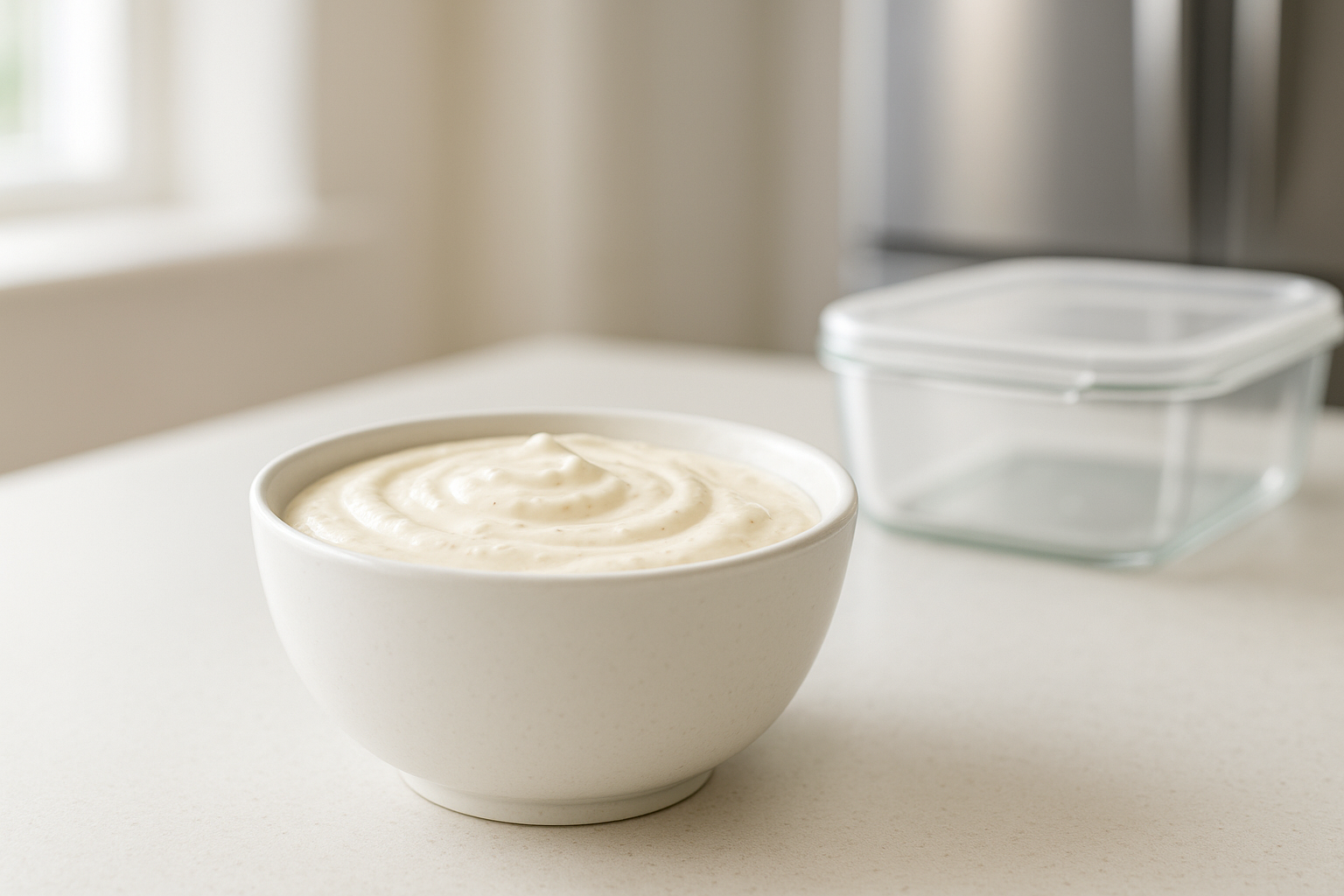
Written by FoodieManiac
With over 8 years of sauce-making experience, I've tested hundreds of techniques and products to bring you practical, reliable advice. Learn more about me →
Understanding Why Creamy Sauces Separate and Spoil
Creamy sauces - like Alfredo, béchamel, blue cheese dip, or ranch - are beloved for their smooth texture and rich flavor. However, improper storage often leads to separation (where oil, water, and solids split) or spoilage (unpleasant odors, mold, or off-textures). This happens because creamy sauces are typically emulsions: mixtures of fat and water stabilized by proteins, starches, or emulsifiers. When temperature, time, or handling disrupt this balance, the sauce can break or go bad.
Knowing the causes is the first step toward safe, long-lasting storage:
- Temperature fluctuations can break emulsions and speed up bacterial growth.
- Repeated heating and cooling encourages separation and spoilage.
- Exposure to air oxidizes fats and introduces bacteria.
- High water activity (from milk, cream, or fresh ingredients) means a shorter shelf life.
Best Practices for Storing Creamy Sauces
Cool Down Quickly and Safely
Speed is crucial after cooking: bacteria multiply rapidly in the "danger zone" between 40°F (4°C) and 140°F (60°C). Always cool sauces from piping hot (above 165°F/74°C) to below 70°F (21°C) within 2 hours, and then down to 40°F (4°C) or lower within another 2 hours. Use shallow containers (no more than 2 inches deep) to maximize surface area and quicken cooling. For extra-large batches, divide into several containers.
- Transfer hot sauce to a metal or glass container for faster heat dissipation.
- Stir occasionally while cooling to avoid hot spots.
- Never let creamy sauces sit out at room temperature for more than 2 hours.
Choose the Right Storage Containers
Air-tight, non-reactive containers are essential. Glass jars with tight lids, food-safe plastic, or stainless steel work well. Avoid aluminum (it can react with acidic sauces) and thin plastics (which may leach flavors or warp).
- Fill containers as full as possible to minimize air exposure, but leave 1/2 inch headspace for expansion (especially if freezing).
- Label with the date and sauce name for easy tracking.
Refrigerate at Proper Temperatures
Store creamy sauces in the coldest part of your refrigerator, ideally at 36-38°F (2-3°C). Door shelves are warmer and less stable; use a middle or lower shelf. Most homemade creamy sauces last 3 to 5 days in the fridge if handled properly. For sauces containing eggs (like hollandaise), use within 2 days.
For a more detailed breakdown of sauce shelf life, see How Long Do Sauces Last? Shelf Life Guide for Homemade & Store-Bought.
Prevent Separation: Stabilizers and Emulsifiers
Some creamy sauces are more prone to splitting than others. Mayonnaise and aioli, for example, are stabilized by egg yolks, while cheese sauces rely on starch or roux. To prevent separation during storage:
- Add a stabilizer: 1/2 to 1 teaspoon of cornstarch slurry per cup can reinforce emulsions in cheese, béchamel, or Alfredo sauces.
- Use an emulsifier: For oil-and-water sauces, a small amount (1/2 teaspoon per cup) of mustard, egg yolk, or lecithin can help.
- Whisk before serving: If minor separation occurs, brisk whisking or blending can often re-emulsify the sauce.
For tips on building and rescuing emulsions, see How to Temper Eggs for Sauces: Prevent Curdling in Custards and Creamy Classics and How to Fix Over-Salted Sauces: Chef-Approved Rescue Techniques.
Freezing Creamy Sauces: Do's and Don'ts
Which Creamy Sauces Freeze Well?
Freezing is ideal for extending shelf life beyond a few days, but not all creamy sauces freeze equally. Sauces thickened with flour or starch (béchamel, cheese sauce, Alfredo) freeze better than those based solely on cream or egg yolks (like hollandaise or custards), which often separate or curdle upon thawing.
- Freeze: Cheese sauces, white sauce, creamy dips (like Homemade Creamy Buffalo Blue Cheese Dip), ranch, and most mayo-based dips.
- Avoid freezing: Hollandaise, fresh egg-based sauces, and delicate cream-only emulsions.
How to Freeze Creamy Sauces Properly
- Cool sauce completely in the refrigerator first.
- Use freezer-safe, airtight containers or heavy-duty freezer bags. Remove excess air.
- Portion into usable sizes (1–2 cups) to avoid repeated thawing and refreezing.
- Label with sauce name, date, and recommended use-by date (up to 3 months for best quality).
- Lay freezer bags flat to save space and allow faster, even thawing.
Thawing and Reheating: Preventing Split Sauces
Thaw creamy sauces overnight in the refrigerator. Never thaw at room temperature, which can cause unsafe bacterial growth. Reheat gently in a saucepan over low heat, stirring constantly. If the sauce separates, try whisking in 1–2 teaspoons of hot milk, cream, or a cornstarch slurry. An immersion blender can restore a silky texture if needed.
Preventing Spoilage: Shelf Life, Signs, and Safety
How Long Do Creamy Sauces Last?
Homemade creamy sauces typically last:
- Dairy-based sauces: 3–5 days refrigerated
- Egg-based sauces: 1–2 days refrigerated
- Mayonnaise-based sauces: 5–7 days refrigerated
- Frozen (suitable sauces): Up to 3 months
For commercial sauces or store-bought varieties, always follow the label. For more information on maximizing sauce shelf life, visit How Long Do Sauces Last? Shelf Life Guide for Homemade & Store-Bought.
Spotting Spoilage: When to Toss Creamy Sauces
- Sour or rancid smell
- Mold growth or unusual discoloration
- Separated layers that can't be whisked back together
- Unpleasant, fizzy, or tangy taste (indicates fermentation)
When in doubt, throw it out. Harmful bacteria and toxins are not always visible or detectable by smell.
Special Techniques for Extra-Safe Storage
Vacuum Sealing and Pasteurization
For longer storage or commercial-style results, vacuum sealing removes oxygen and slows spoilage. This is especially effective for dips and creamy dressings. For step-by-step instructions, see How to Vacuum Seal Sauces for Maximum Freshness and Long-Term Storage.
Pasteurization - heating sauce to 165°F (74°C) for at least 15 seconds and then cooling rapidly - can add extra days of shelf life. This is best for dairy- and egg-based sauces. Learn more at How to Pasteurize Homemade Sauces for Longer Shelf Life at Home.
Layering with Oil as a Barrier
For Mediterranean dips or herb sauces, adding a thin layer of oil on top (about 1/8 inch) creates an oxygen barrier, slowing oxidation. This technique works well for sauces like Authentic Lebanese Tarator Sauce (Tahini Garlic Sauce) or Creamy Roasted Garlic Lemon Tahini Dressing. Always refrigerate after adding the oil layer.
Reheating and Serving: Keeping Creamy Sauces Silky
Gentle Reheating Is Key
High heat or microwaving can cause creamy sauces to split. Reheat over low heat, stirring frequently. For thick sauces, add a splash (1-2 tablespoons per cup) of milk, water, or broth to loosen the texture. Avoid boiling - simmering above 180°F (82°C) can cause proteins to curdle or emulsions to break.
- For dips like Creamy Feta Dill Dip or Creamy Jalapeño Cilantro Dip (Chuy’s Copycat), serve chilled or bring to just below room temperature for best flavor and texture.
- For sauces destined for hot dishes, add sauce at the end of cooking to avoid prolonged heat exposure.
Reviving Separated Sauces
If your creamy sauce separates after storage, try:
- Vigorously whisking or blending. Sometimes gentle heat and agitation are all that’s needed.
- Adding a starch slurry (1 teaspoon cornstarch mixed with 1 tablespoon cold water) and reheating gently while whisking.
- For egg-based sauces, whisk in a small amount of warm water or cream off the heat to restore the emulsion.
Storage Tips for Popular Creamy Sauce Styles
Mayonnaise and Aioli-Based Sauces
Store in sterilized glass jars, tightly sealed, at 36–38°F (2–3°C). Always use clean utensils to prevent contamination. Homemade versions - like those featured in Aioli vs. Garlic Mayo: What’s the Real Difference in These Creamy Sauces? - should be consumed within 5–7 days. Avoid freezing; texture will deteriorate.
Cheese and Dairy-Based Sauces
Béchamel, Alfredo, and cheese sauces (try Thermomix Creamy Sun-Dried Tomato Pasta Sauce or Homemade Creamy Parmesan Caesar Dip) are best refrigerated promptly and used within 3–5 days. If freezing, use within 2–3 months and reheat gently. Stir in hot milk to refresh texture, if needed.
Creamy Dips and Dressings
Dips made with sour cream, yogurt, or mayonnaise - like Homemade Creamy Parmesan Peppercorn Dressing - should be kept in airtight containers and refrigerated immediately. For maximum quality, consume within 3–5 days. Stir before serving; if water separates, mix it back in.
Plant-Based and Tahini Sauces
Vegan creamy sauces (such as those using tahini or cashews) can sometimes last longer, up to 7 days, because plant fats are less prone to rancidity. However, always monitor for spoilage. Try Thermomix Creamy Roasted Beetroot Dip or Creamy Avocado Cilantro Lime Dressing for longer-lasting options.
Bonus: Quick Reference Storage Table
| Sauce Type | Fridge Life | Freezer Life | Key Storage Tip |
|---|---|---|---|
| Cheese/Dairy (Alfredo, béchamel) | 3–5 days | 2–3 months | Cool quickly, reheat gently, add milk if needed |
| Mayonnaise/Aioli | 5–7 days | Avoid | Keep airtight, use clean utensils |
| Egg-based (Hollandaise) | 1–2 days | Avoid | Use immediately, avoid reheating |
| Plant-based Creamy | 5–7 days | 2 months | Stir before serving, add oil barrier |
Conclusion: Safe, Silky Sauces Every Time
Storing creamy sauces safely means managing temperature, minimizing air exposure, and understanding the unique needs of each sauce type. Use shallow, airtight containers, label and date everything, and always cool rapidly before refrigeration. For longer storage, freeze only stable sauces and reheat gently to preserve texture. For more inspiration and to put your sauce storage skills to the test, try making Homemade Creamy Buffalo Blue Cheese Dip, Homemade Creamy Parmesan Caesar Dip, Thermomix Creamy Sun-Dried Tomato Pasta Sauce, or Creamy Feta Dill Dip.
Want to master more sauce techniques? Explore How to Infuse Sauces With Herbs and Spices: Techniques for Maximum Flavor or expand your repertoire with 10-Minute Marinades: Quick Sauces to Instantly Upgrade Any Protein. With these best practices, your creamy sauces will stay fresh, safe, and delicious - ready for any meal or snack.
TAGS
Related Articles
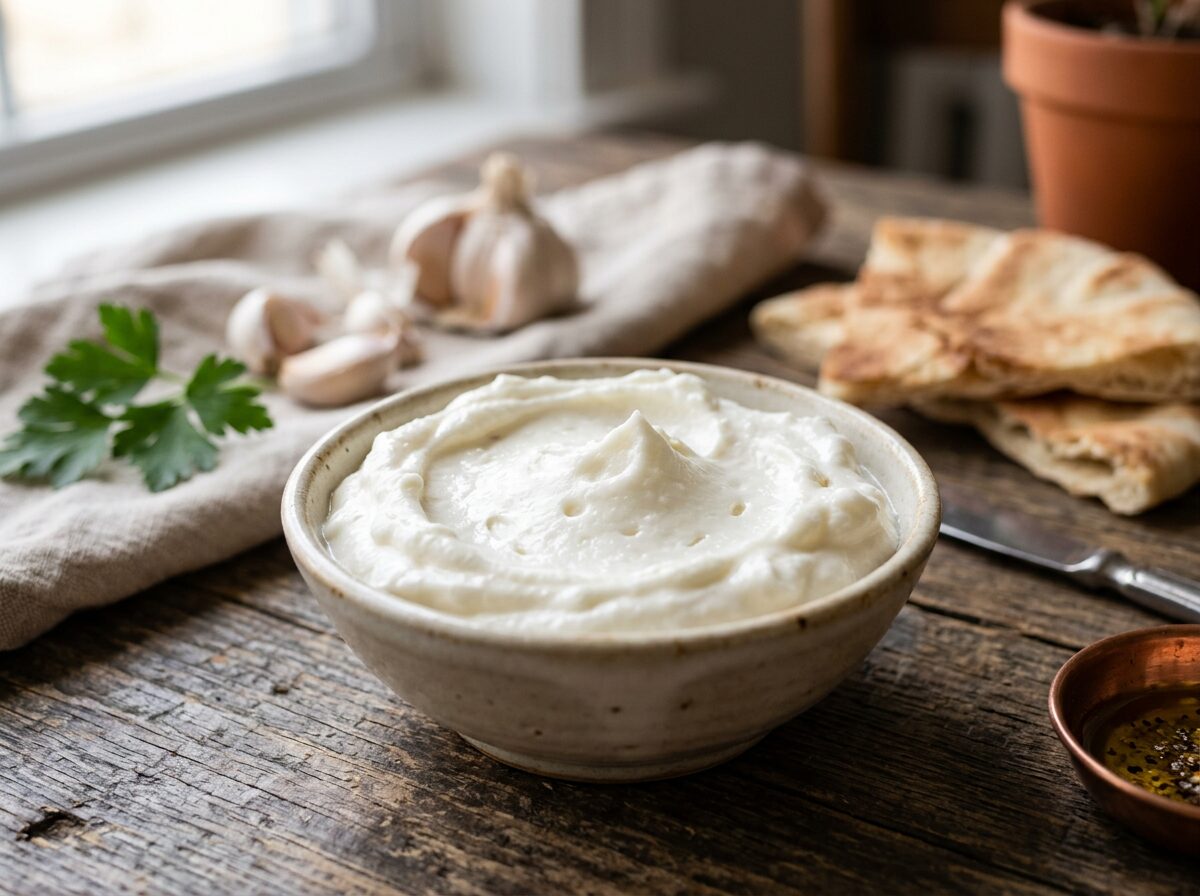
How to Make Toum: Lebanon’s Creamy Garlic Sauce for Grilled Meats
Learn to make authentic Lebanese toum sauce at home. This fluffy garlic condiment is perfect for grilled meats, shawarma, and roasted veggies.
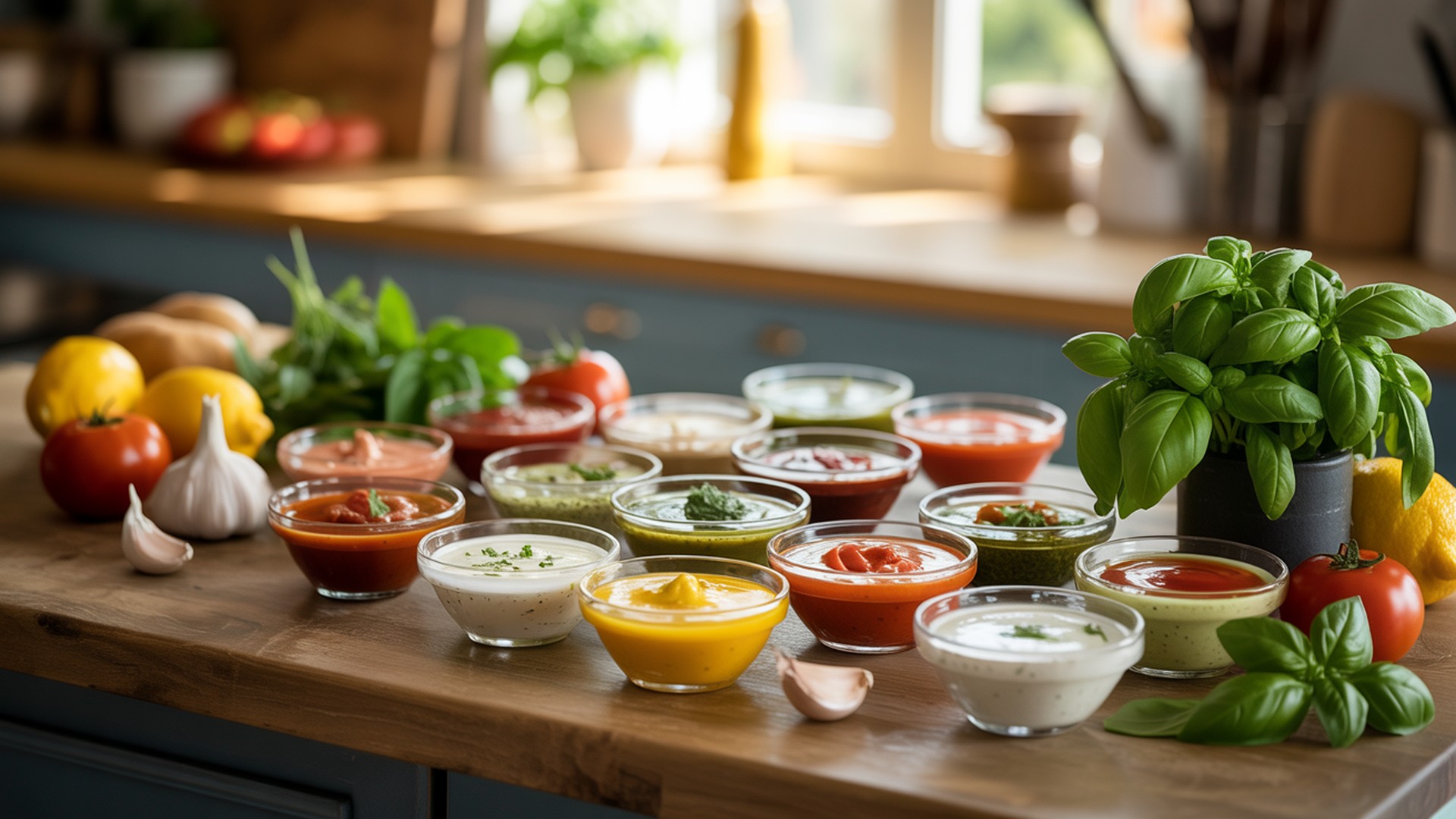
Freezing Sauces 101: Best Sauces to Freeze and How to Thaw Them Safely
Discover which sauces freeze well, step-by-step freezing methods, and how to safely thaw for best flavor and texture. Preserve your homemade sauces longer.
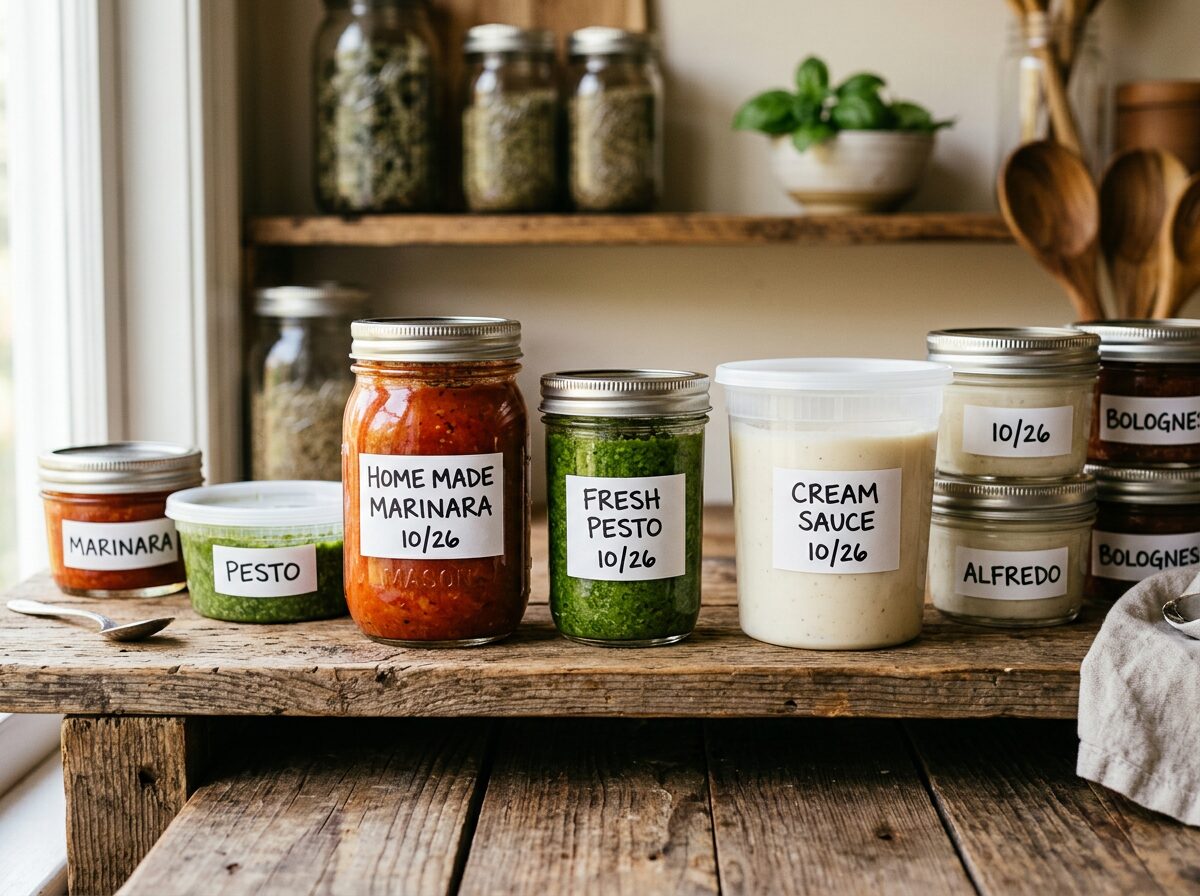
Freezing Sauces 101: Best Methods to Preserve Flavor, Texture, and Quality
Learn how to freeze sauces the right way. Discover tips on storage, thawing, and which sauces freeze best to keep flavors fresh and textures perfect.
How to Freeze Sauces for Maximum Freshness: Methods, Tips, and Mistakes to Avoid
Learn the best techniques to freeze sauces, dressings, and dips. Discover which sauces freeze well, storage tips, and how to thaw for best results.