Why Sauces Break (And How to Prevent It Every Time)
A practical breakdown of every way a sauce can fail - split cream sauces, seized chocolate, curdled eggs, separated vinaigrettes - and the specific kitchen habits that prevent each one.
Written by FoodieManiac
With over 8 years of sauce-making experience, I've tested hundreds of techniques and products to bring you practical, reliable advice. Learn more about me →
Every Sauce Breaks for One of Four Reasons
I've stood in my kitchen staring at a split hollandaise more times than I'd like to admit. The first dozen times it happened, I thought I was just bad at cooking. Turns out, every sauce failure comes down to one of four mechanical problems, and once you understand them, prevention becomes almost automatic.
The four causes: temperature shock, fat added too fast, wrong ratios, and acid curdling proteins. That's it. Every broken sauce you've ever made falls into one of these categories. Let me walk through each one with the specific situations where they happen and what to do differently.
Temperature Shock: The Silent Killer
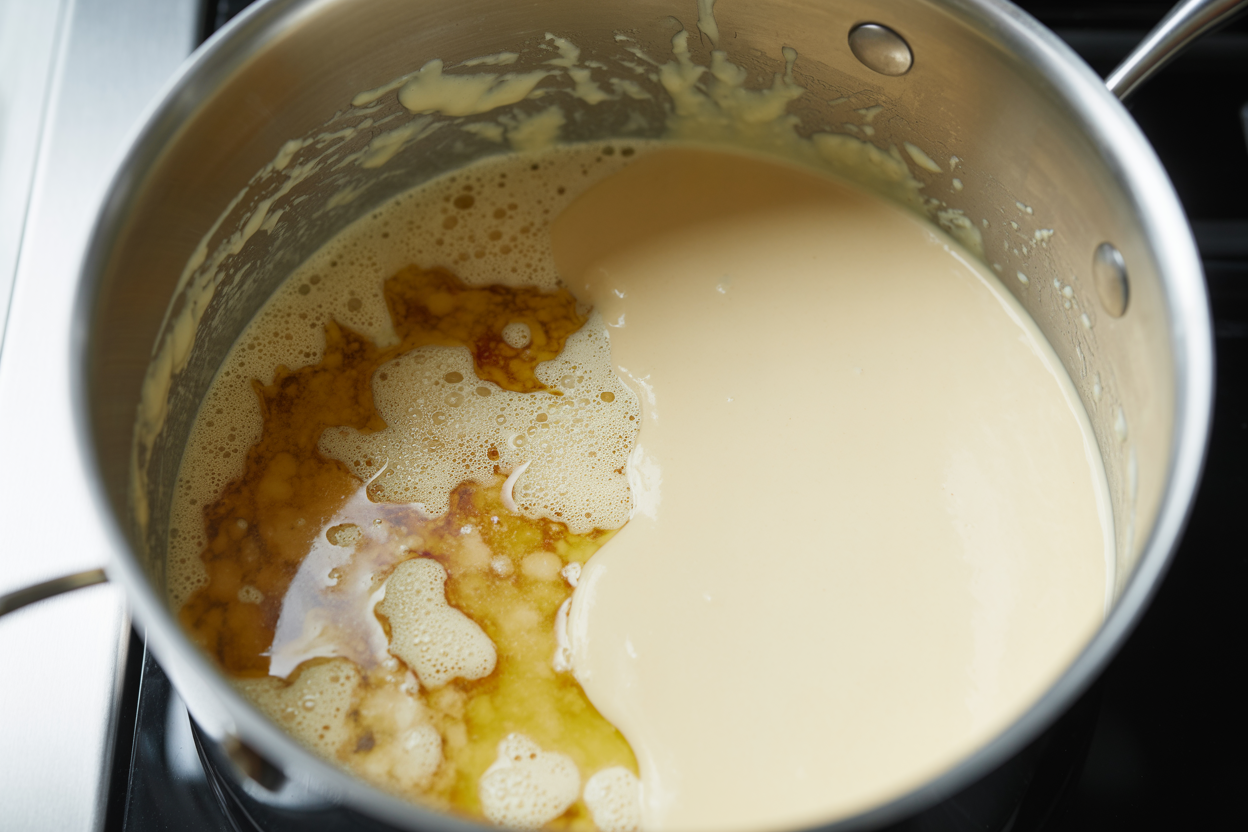
This is the one that gets most home cooks. You're making a beautiful cream sauce, everything looks perfect, and then you crank the heat to speed things up. Within 30 seconds the sauce is a grainy, separated mess.
Here's what's actually happening: proteins in dairy (casein, whey) are held in suspension by a delicate balance of charge and temperature. Push past roughly 82 C (180 F) and those proteins denature too aggressively - they clump together and squeeze out the water and fat that used to be evenly distributed. The sauce "breaks" because you've essentially made microscopic cheese curds floating in butter-water.
Where this happens most:
- Cream sauces and alfredo - especially when you boil them after adding the cream
- Hollandaise and bearnaise - the egg yolks scramble above 70 C (158 F)
- Cheese sauces - the casein in cheese denatures fast once melted, and high heat makes it seize into a rubbery mass
- Yogurt-based sauces like tzatziki - yogurt curdles when heated too quickly
Prevention habit: Keep a cheap instant-read thermometer next to your stove. For cream sauces, never let the temperature exceed 82 C. For hollandaise, stay under 70 C. For cheese sauces, add cheese OFF the heat and stir until melted. This one habit prevents probably 60% of all sauce failures.
Fat Added Too Fast: Overwhelming the Emulsion
This is the classic mayo failure. You dump oil into egg yolks too quickly, and instead of a thick, creamy emulsion, you get a thin, oily soup with yellow streaks. Same thing happens with vinaigrettes when you pour oil in all at once instead of drizzling.
The science: an emulsion works by breaking fat into tiny droplets and coating each one with an emulsifier (lecithin from egg yolks, mucilage from mustard, proteins from garlic). If you add fat faster than the emulsifier can coat new droplets, the uncoated fat pools together and the emulsion collapses. It's like trying to gift-wrap 50 presents at once instead of one at a time.
Where this happens most:
- Homemade mayo and aioli - the oil must go in drop by drop at the start
- Hollandaise - melted butter drizzled too fast into yolks
- Vinaigrettes like our balsamic vinaigrette - oil poured instead of whisked in gradually
- Any butter sauce where you add cold butter chunks too many at a time
Prevention habit: For the first third of any emulsion, add fat painfully slowly. Literally drop by drop for mayo. A thin stream for vinaigrettes. Once you can see the emulsion has "caught" - it looks thick and creamy - you can speed up. The established emulsion is much more stable than the beginning stages.
Wrong Ratios: Too Much Fat for the Emulsifier
Even if you add fat slowly, every emulsifier has a limit. One egg yolk can emulsify roughly 180 ml (3/4 cup) of oil. Push past that and the emulsion just can't hold any more fat. I learned this the hard way trying to double a mayo recipe with the same number of yolks.
The fix is simple math: if your recipe seems like it has a lot of fat relative to the emulsifying ingredients, add another yolk, another teaspoon of mustard, or another clove of garlic (a surprisingly good emulsifier). Our sriracha mayo uses two yolks specifically because it has more oil than a standard mayo.
Acid Curdling Proteins: The Timing Problem
Add lemon juice to hot cream and watch it curdle instantly. Add wine to a cream sauce at the wrong moment and same thing. Acid drops the pH of dairy, causing proteins to coagulate and separate from the liquid. This is literally how you make ricotta cheese - but when it happens in your sauce, it's a disaster.
Where this happens most:
- Adding citrus juice to cream or cream-based sauces while hot
- Deglazing with wine and then adding cream before the wine reduces
- Mixing tomato sauce directly into cream sauces (tomatoes are acidic)
- Adding vinegar to warm yogurt-based sauces
Prevention habit: Always reduce acidic liquids FIRST, then add dairy. If a recipe says "add wine and cream," reduce the wine by half before adding the cream. The reduction concentrates flavor while cooking off some acid. For lemon juice in cream sauces, add it at the very end, off the heat, and stir quickly. The brief contact at lower temperature prevents curdling while still giving you the brightness.
The Universal Prevention Checklist
Before you start any sauce, run through these four questions:
- Does this sauce involve dairy or eggs? Keep temperature below the danger zone (82 C for cream, 70 C for eggs).
- Am I building an emulsion? Add fat slowly at the start. Speed up only after the emulsion catches.
- Is there enough emulsifier for the amount of fat? When in doubt, add an extra yolk or teaspoon of mustard.
- Am I combining acid with protein? Reduce the acid first, or add it last and off the heat.
If you want to learn the rescue techniques for when prevention fails (it happens to everyone), read our companion guide on how to rescue any sauce. And if you want to understand emulsions at a deeper level, our article on the science of emulsification covers the molecular mechanics in plain language.
Equipment Mentioned
TAGS
Related Articles
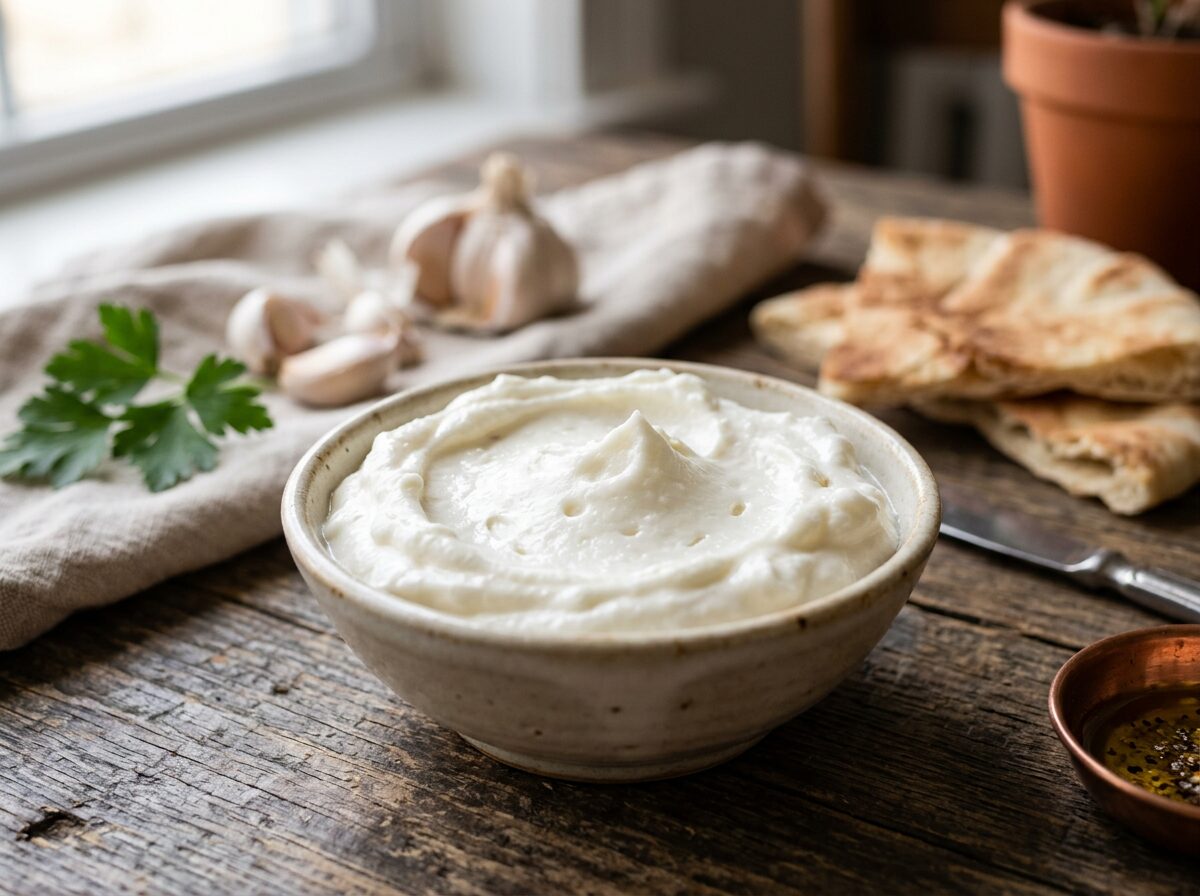
How to Make Toum: Lebanon’s Creamy Garlic Sauce for Grilled Meats
Learn to make authentic Lebanese toum sauce at home. This fluffy garlic condiment is perfect for grilled meats, shawarma, and roasted veggies.
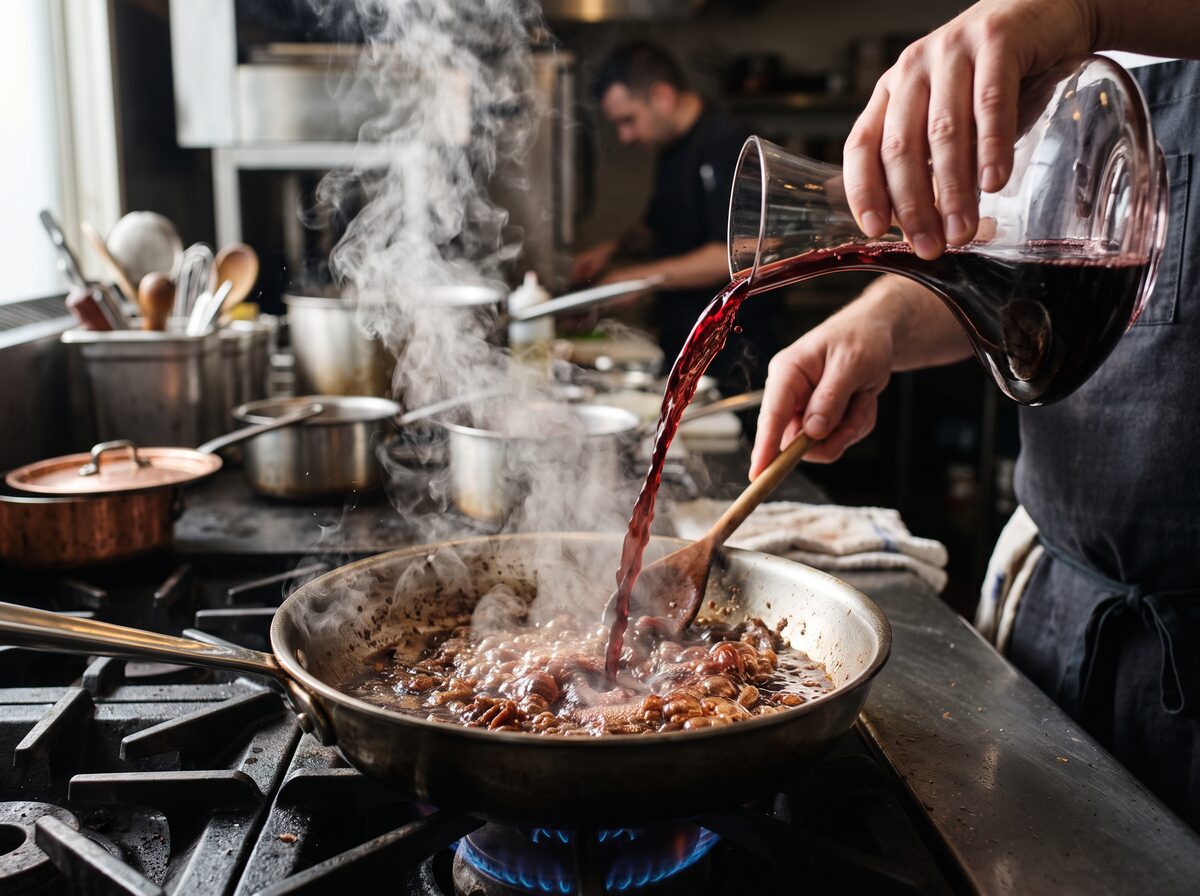
How to Deglaze Like a Pro: Unlocking Deep Flavor for Restaurant-Quality Sauces
Master deglazing to build rich, complex sauces at home. Step-by-step techniques, liquid choices, and chef tips for pro-level flavor every time.
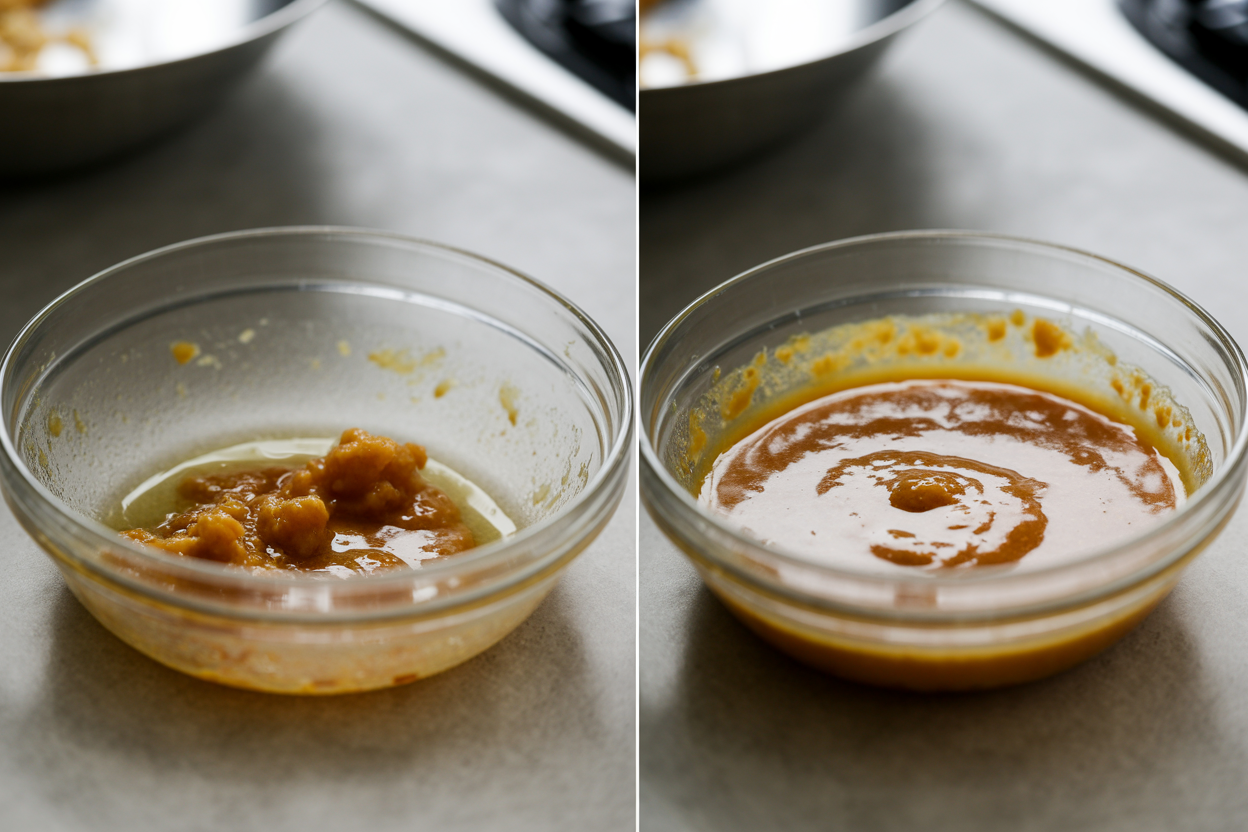
How to Fix a Broken Sauce (Complete Guide)
Learn how to rescue broken, split, or curdled sauces! This comprehensive guide covers mayo-based, cream sauces, hollandaise, and more. Save your sauces from disaster with these expert techniques.
How to Thicken Sauces Naturally (7 Methods)
Discover 7 natural ways to thicken sauces without cornstarch! From reduction to roux, learn the best methods for every sauce type. No more watery sauces!