Why Did My Homemade Sauce Go Bad? Signs of Spoilage and How to Prevent It
Wondering why your homemade sauce spoiled in the fridge? Learn key signs of sauce spoilage and get practical tips to keep your condiments safe and fresh.
Written by FoodieManiac
With over 8 years of sauce-making experience, I've tested hundreds of techniques and products to bring you practical, reliable advice. Learn more about me →
Why Did My Homemade Sauce Go Bad? Signs of Spoilage and How to Prevent It
Let’s Be Honest: Sauces Can Go Rogue Fast
I’ve been obsessed with sauces for years, and I can’t tell you how many times I’ve reached into the fridge, only to find that gorgeous, creamy ranch or spicy BBQ sauce I made last weekend has gone weird. Sometimes it’s obvious (hello, fuzzy mold). Other times, I’m sniffing, poking, and second-guessing myself for five minutes before finally tossing it. If you’ve ever wondered, “Is this still okay?” or “Why did it go bad so fast?” — you are definitely not alone.
Let’s get real about what actually happens when a homemade sauce turns, what the warning signs are, and the simple things you can do to keep your sauces safe (and delicious) for as long as possible.
What Makes a Sauce Go Bad?
Most homemade sauces are a mix of water, fat, acid, and sometimes dairy or eggs. That’s basically a playground for bacteria, mold, and yeast if you don’t treat it right. I used to think adding a splash of vinegar to everything made it immortal. Not true. Some sauces are safer than others, but none last forever.
Here’s what usually causes trouble:
- Low acidity: Sauces with lots of mayo, cream, or fresh herbs and not much acid spoil faster.
- Poor hygiene: Double-dipping, dirty spoons, or not washing storage containers — ask me about the time I ruined a whole batch of Thermomix Creamy Sriracha Ranch Dressing just by scooping it out with a used spoon.
- Wrong storage temp: Leaving sauce out while you “just finish dinner” can push it into the danger zone. Bacteria love temps between 40°F and 140°F (4°C-60°C).
- Not enough cooking: Undercooked tomato or BBQ sauces can ferment or get moldy, especially if you bottle them warm but not hot enough to kill off the bad stuff.
How to Spot a Bad Sauce (Before It Ruins Your Meal)
I learned the hard way that some sauces can look fine but smell off, and vice versa. Here’s how I check:
Obvious Red Flags
- Mold: Any sign of fuzz, green, pink, or black spots? Into the bin. Don’t scoop it off and hope for the best — mold roots go deep, especially in creamy sauces.
- Separation with odor: Some separation is normal (especially in vinaigrettes), but if it smells sour or rotten, just toss it.
- Off smell: If it smells like sour milk, yeast, or anything weird, trust your nose. My first batch of Creamy Sun-Dried Tomato Basil Dip turned into a science experiment after five days because I forgot it had fresh cheese in it.
- Bubbles or foaming: Fermentation can make sauces fizzy or bubbly. Unless it’s a fermented hot sauce, this is a bad sign.
- Color change: Drastic darkening, graying, or anything unnatural isn’t worth the risk.
Less Obvious Signs
- Texture changes: Creamy sauces that turn gritty, slimy, or curdled (unless you just made a cheese sauce and it’s still warm — see my guide Why Your Cheese Sauce Turns Grainy - Causes and Easy Fixes Explained).
- Gas pressure: If you open a jar and there’s a hiss or it smells fizzy, toss it.
- Bitterness: Some spoiled sauces taste bitter before anything else. I had a Homemade Sweet Chipotle BBQ Sauce go bitter overnight after I left it out for just two hours. It wasn’t even warm in the kitchen — bacteria just get in there fast.
How Long Do Homemade Sauces Actually Last?
A hard truth: Your homemade sauces do not last as long as store-bought. Commercial sauces have stabilizers, preservatives, and are bottled sterile. If you want the real deal flavor at home, you have to be more careful.
- Oil-based vinaigrettes: 1-2 weeks in the fridge (shake well, check for cloudiness or off smells)
- Creamy dressings (mayo, yogurt, sour cream): 3-7 days max. If you add fresh garlic or herbs, use within 3-4 days.
- Tomato-based sauces: 5-7 days if cooked thoroughly and stored cold. If there’s meat or dairy, closer to 3-4 days.
- BBQ sauces: Vinegar-heavy styles last up to 2 weeks. Sweeter, low-acid ones spoil faster.
- Fresh herb sauces (like Chimichurri or Ezme): 3-5 days max, and they lose flavor fast.
- Egg or dairy-based sauces (like hollandaise or Caesar): Don’t store. Eat right away or within 24 hours. Trust me, I’ve regretted stretching this rule.
For more on storing sauces, I highly recommend How to Store Sauces in the Fridge: Safety, Shelf Life, and Best Containers and How to Store Creamy Sauces: Prevent Separation and Spoilage Safely. These made a huge difference in my kitchen.
What Actually Works (And What Doesn’t) to Make Sauces Last
Let’s not pretend we all have a professional kitchen. Most of us are making sauce while juggling the rest of dinner, maybe wrangling kids, and definitely not sterilizing jars like we’re on a canning show. Here’s what I’ve learned works — and what’s not worth stressing over.
- Clean containers matter: I used to reuse random jars without washing them properly. Bad idea. Always wash with hot, soapy water and dry completely before storing sauce. If you see water droplets inside, dry with a clean towel — water breeds bacteria fast.
- Use shallow containers: Sauces cool faster, which means less time in the “danger zone.” I love storing in glass containers with lids (plastic stains, and old tomato sauce is a pain to get out).
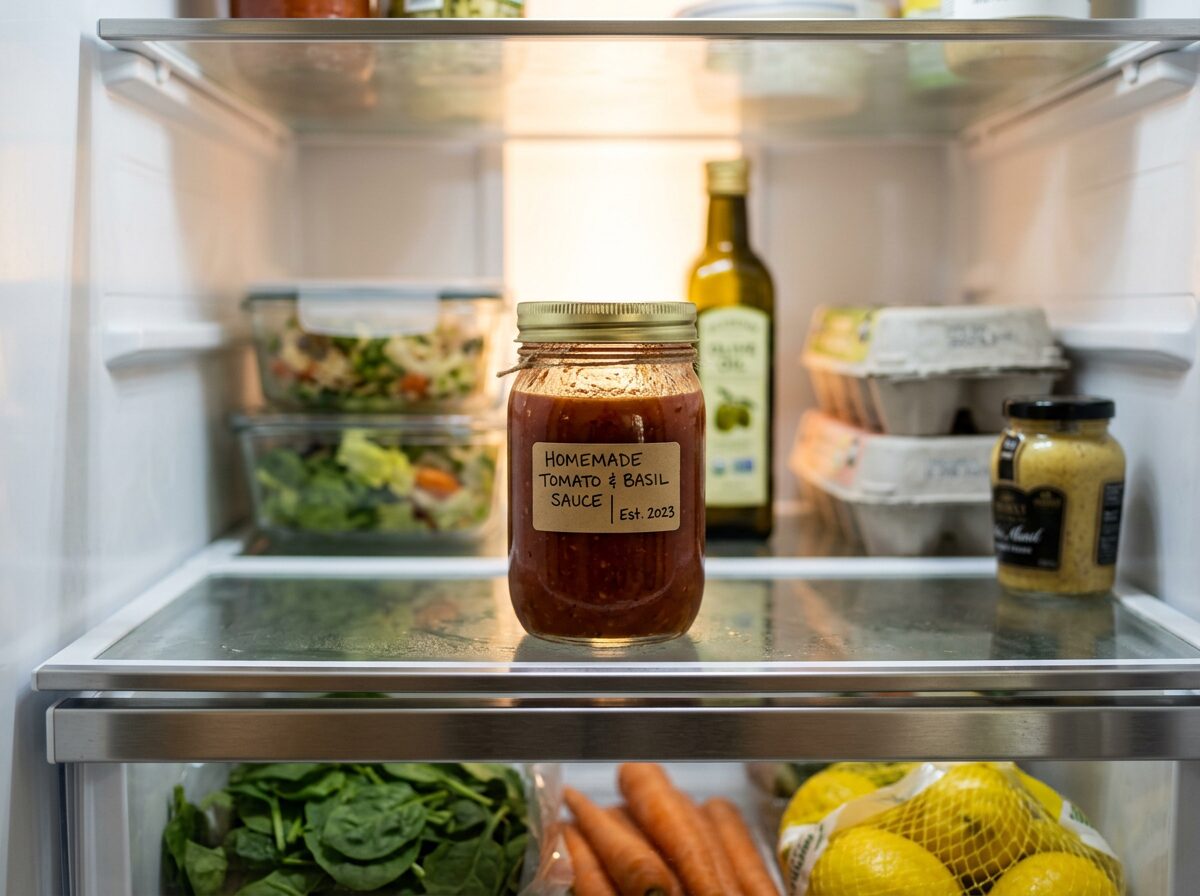
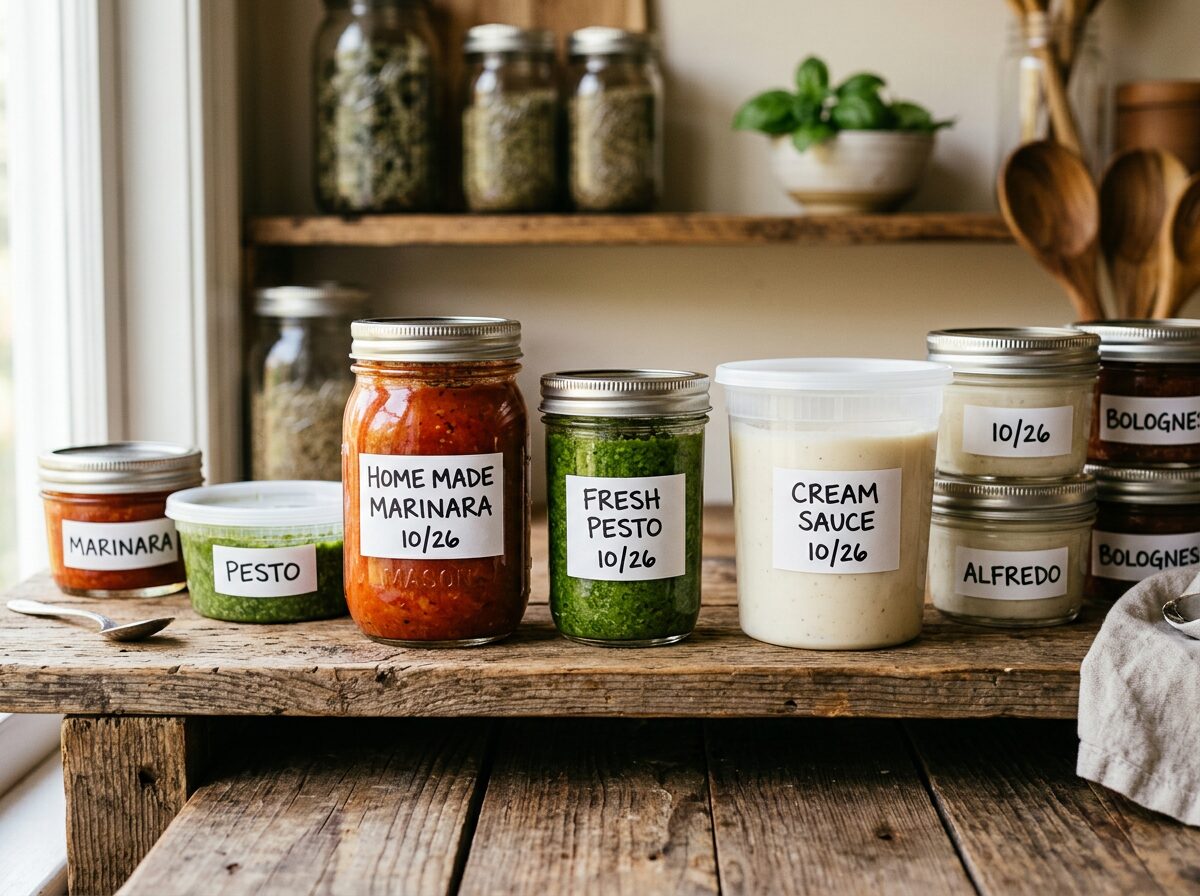
- Label and date everything: You think you’ll remember. You won’t. I’ve spooned mystery sauce on leftovers more than once and paid the price.
- Don’t store at room temp: Even if it’s “just for a bit.” I lost a whole batch of Thermomix Creamy Roasted Garlic Caesar Dressing because I got distracted and left it on the counter all evening. Into the trash it went.
- Add acid when you can: Lemon juice, vinegar, or pickled ingredients buy you extra days. If you make Salsa Criolla, don’t skip the vinegar — it’s not optional if you want it to last.
- Freeze it: Some sauces freeze great, others don’t. Tomato-based and some BBQ sauces are fine if you cool them first and freeze in small batches. Creamy sauces? They usually split and get gross after thawing. You can try, but don’t expect miracles.
Tested Tips
- The “clean spoon only” rule: Never double-dip or use a spoon that’s touched your mouth or a plate. I ruined a batch of Copycat McDonald's Hot Mustard Sauce by letting my partner “sample” it straight from the jar. It went slimy in two days. If you forget, transfer the remaining sauce to a new, clean container right away.
- Cool it fast: If you’re making a hot sauce or tomato sauce, get it out of the danger zone (above 40°F/4°C) quickly. I set my pot in a sink of ice water and stir. If you just toss a hot pot in the fridge, it actually warms up the whole fridge and can mess up everything inside.
- Don’t trust the “best by” smell alone: Some spoiled sauces don’t smell bad but still make you sick. If it’s past a week, or you can’t remember when you made it, toss it. I learned this with a forgotten jar of Thermomix Creamy Sun-Dried Tomato Pasta Sauce. It looked fine. It was not fine.
- Acid boost for creamy sauces: Adding a teaspoon of vinegar or lemon juice to creamy dressings stretches their fridge life by a day or two and keeps flavors bright. If you skip this step, your sauce risks separating or turning sour, especially with fresh garlic or herbs.
- Freeze in small portions: When I make a big batch of BBQ sauce like Homemade Spicy Pineapple BBQ Sauce, I freeze it in ice cube trays, then transfer to a bag. That way, I’m not thawing a huge container just to use a little.
- Skip expensive olive oil for storage: If you’re making a vinaigrette that’ll sit for a week, use a decent but not premium oil. I save the good stuff for drizzling. It makes zero difference to shelf life and saves you money.
The Role of Ingredients: What Spoils Fast?
Some ingredients just don’t last. Dairy, fresh garlic, eggs, and herbs are the main offenders. For creamy sauces, I used to think store-bought mayo lasted forever. Turns out, once you add fresh stuff to it, the clock starts ticking. Fresh herbs wilt and go slimy quickly, especially in oil-heavy sauces like Chimichurri.
If you want something that holds up, try vinegar-based or high-sugar sauces. My Homemade Kansas City-Style BBQ Sauce has enough vinegar and sugar to buy you a week or two if you store it right.
If you want to get nerdy about why this happens (and how fat, acid, and salt all play a part), check out The Role of Fat, Acid, and Salt in Sauces. It changed how I build sauces and how I store them.
What About Creamy and Dairy-Based Sauces?
I’ll be blunt: Creamy sauces are the trickiest. Think Caesar, ranch, blue cheese, or anything with yogurt or sour cream. They separate, turn, and can get unsafe really fast. If you want to make these ahead, use pasteurized eggs only, and always add extra acid. Or, honestly, just make a small batch and use it up in a few days. I’ve tried stretching a batch of Homemade Creamy Buffalo Blue Cheese Dip to five days — not worth the risk.
If you’re curious about why sauces split or break, or how to fix them (because, believe me, it happens), read Why Sauces Break (And How to Prevent It Every Time). That guide saved me from throwing away dozens of sauces over the years.
Shortcuts That Actually Work (And Some That Don’t)
- Store-bought stock: It’s fine for most sauces. Don’t waste time making your own unless you want to. For something like Authentic Hungarian Paprika Sauce, boxed stock does the job.
- Pre-chopped garlic: Not for long-term sauces. It spoils faster and can taste metallic. Use fresh if you want the sauce to last, or just make smaller batches.
- Skip the blender for chunky herb sauces: Hand-chopping keeps them fresher and less likely to go mushy or separate.
- Don’t reuse old plastic tubs: They hold onto flavors and bacteria. Get a couple of glass jars with tight lids — it made a bigger difference than I expected.
What If You’re Just Not Sure?
If you’re on the fence, trust your gut. If something seems off, it probably is. There’s no sauce worth getting sick over, even if it’s your favorite Copycat Freddy's Fry Sauce. When in doubt, toss it, make a new batch, and maybe try a smaller portion next time.
And honestly? Some days, store-bought is just easier. There’s zero shame in grabbing a bottle of BBQ or ranch if you’re short on time or fridge space. But if you want to keep that homemade magic, just keep things clean, cool, and dated. Your future self (and your stomach) will thank you.
Want More Real-World Sauce Advice?
If you love nerding out about sauce problems (like me), check out these guides: How to Rescue Any Sauce (The Complete Guide) and How Chefs Build Flavor in Sauces (The Layering Method). They’re packed with the kind of details that actually make a difference in your kitchen, not just theory.
And if you’ve ever wondered how to match sauces to your veggie meals, Sauce Pairings for Vegetarians: How to Match Flavors With Plant-Based Dishes is a goldmine.
Happy saucing, and may your fridge always be full of fresh, safe, and delicious creations!
TAGS
Related Articles
Freezing Sauces 101: Best Sauces to Freeze and How to Thaw Them Safely
Discover which sauces freeze well, step-by-step freezing methods, and how to safely thaw for best flavor and texture. Preserve your homemade sauces longer.
Freezing Sauces 101: Best Methods to Preserve Flavor, Texture, and Quality
Learn how to freeze sauces the right way. Discover tips on storage, thawing, and which sauces freeze best to keep flavors fresh and textures perfect.
How Long Do Sauces Last? Shelf Life Guide for Homemade & Store-Bought
Discover how long sauces last in the fridge, freezer, and pantry. Learn to spot spoilage and maximize the shelf life of homemade and store-bought sauces.
How to Pasteurize Homemade Sauces for Longer Shelf Life at Home
Learn step-by-step how to safely pasteurize homemade sauces, dressings, and condiments to extend freshness and prevent spoilage in your kitchen.