Why Your Quick Garlic Sauce Tastes Raw - Simple Fixes for Smooth Flavor
Does your easy garlic sauce taste harsh or raw? Learn why it happens and how to mellow the flavor for a creamy, balanced sauce every time.

Written by FoodieManiac
With over 8 years of sauce-making experience, I've tested hundreds of techniques and products to bring you practical, reliable advice. Learn more about me →
Why Does My Quick Garlic Sauce Taste So Raw?
I love garlic. I’ve put it in everything from Italian dressing to Lebanese toum to a 3am bowl of boxed mac and cheese. But I’ll be real with you: quick garlic sauces can go from magical to “whoa, did I just eat a spoonful of spicy crushed aspirin?” way too fast. I’ve made more than my share of harsh, raw-tasting garlic sauces. It’s a classic home cook mistake, and the fix isn’t just “add more salt.” Let’s dig into the real reasons your garlic sauce tastes raw, plus what actually works in a busy kitchen.
Understanding Garlic’s Raw Bite
Garlic is sneaky. When it’s raw and freshly chopped or blended, it’s got this sharp, almost burning flavor. That’s the allicin - the same compound that makes your eyes water if you get too close. Allicin forms when you break garlic’s cell walls. Some sauces (like toum) are meant to be punchy. But if you’re after mellow, smooth garlic flavor, you need to tame that rawness. The secret? It’s all about how you treat the garlic before it ever hits your sauce.
The Main Mistakes (I’ve Made Them All)
- Using raw garlic straight from the press or blender - The flavor is intense. Sometimes, that’s good. Usually, it’s not.
- Not giving garlic enough time to mellow out - Garlic needs some time to relax, even if you’re in a rush.
- Adding garlic late - If you add it to a cold sauce or at the end, it stays fiery and raw.
- Using too much garlic - I know, I know, but sometimes less is actually more.
Why Quick Garlic Sauces Are Tricky
When you’re making a fast garlic sauce - think aioli, creamy dressings, or even a shortcut pan sauce - the temptation is to blitz up garlic and toss it right in. I’ve done it, especially when hungry. But unless you do something to soften that garlic flavor, it can overpower everything else. That’s why your sauce tastes harsh, almost spicy, and lingers on your breath for days. It’s the difference between “wow, what’s in this?” and “whoa, did you just eat a garlic clove?”
How to Fix That Raw Garlic Taste
You don’t have to roast garlic for an hour every time you want a smooth sauce. Here’s what actually works (and what doesn’t), based on too many real-life experiments:
1. Bloom or Cook Your Garlic
If you want a mellow, round garlic flavor, heat is your friend. Even 30 seconds makes a difference. Here’s what I do:
- For creamy dressings: Sauté minced garlic in a splash of oil over medium-low heat for 30-60 seconds, just until it smells good. Let it cool, then blend it in. This works wonders for stuff like roasted garlic dressings.
- For pan sauces: Add minced garlic to your pan right after you take out the meat or veggies. Stir for 30 seconds, then add your liquid. If you want more depth, check out this deglazing guide for maximum flavor-building.
Don’t walk away. Garlic burns fast. I’ve burned it more times than I’ll admit, and bitter garlic is even worse than raw.
2. Use Microplaned Garlic (With Caution)
Microplaned garlic melts into sauces and dressings without big chunks. But it’s even punchier than minced. For raw dressings, use half as much as you think you need. I’ve ruined a whole batch of cilantro lime dressing by going overboard with microplaned garlic. Start with a quarter or half a clove. You can always add more. You can’t un-garlic a sauce.
3. Let Garlic Sit in Acid
Acid tames raw garlic. If you’re making a vinaigrette or yogurt sauce, toss your minced garlic in the vinegar or lemon juice first. Let it sit for 5-10 minutes while you prep the rest. This takes the edge off and turns the garlic almost sweet. It’s a game-changer for stuff like chermoula or chutney.
4. Try Garlic Powder (Yes, Really)
Garlic powder is not a crime. For quick sauces, especially creamy ranches or BBQ dips, it’s honestly fine. It dissolves easily and doesn’t have that raw bite. I use it for things like Alabama white BBQ ranch sauce when I’m in a rush or out of fresh garlic. Just remember, a little goes a long way - start with 1/4 teaspoon, taste, then add more if you need it.
Tested Tips
- Microwave mellow: If you’re really in a hurry, toss your minced garlic with a teaspoon of oil and microwave for 15-20 seconds. It softens the flavor fast. Just don’t overdo it or you’ll have splattered oil and angry roommates.
- The acid soak: Let raw garlic chill in lemon juice or vinegar for 10 minutes before adding it to your sauce. I skipped this step for years, then realized it’s the secret to those “what is that flavor?” moments in great dressings.
- Small batch testing: Make a mini batch first. That way, if it’s too garlicky, you only wasted a tablespoon of mayo, not your whole dinner. I learned this after ruining an entire bowl of copycat Big Mac sauce with one extra clove.
- Garlic paste cheat: If you don’t want to deal with raw garlic, buy the refrigerated garlic paste. It’s mellow and super consistent. Not great for roasting, but perfect for last-minute sauces.
- Batch and rest: Make your sauce an hour ahead if you can. Even raw garlic will mellow out if it sits, especially in something creamy. If you taste it right away and it’s harsh, let it chill in the fridge and try again later.
What About Roasted Garlic?
Roasted garlic is the gold standard for smooth flavor. But sometimes I don’t have 40 minutes to spare. If you do, roast a whole head at 400°F for 35-40 minutes, then squeeze out the sweet, caramelized cloves. Mash into your sauce. It’s magic in things like creamy garlic dips or Caesar dressing. But honestly, for weeknights, sautéing or soaking in acid does the trick.
How Much Garlic Is Actually Enough?
This is the million-dollar question. Most recipes say “1 clove.” But garlic cloves range from tiny to mutant. Here’s what works for me in a basic quick sauce (about 3/4 cup):
- 1 small clove, minced and sautéed
- Or 1/4 to 1/2 medium clove, microplaned
- Or 1/4 teaspoon garlic powder
Always start small. Taste after mixing, and add more if it’s not enough. Remember, flavors bloom as the sauce sits. If you add too much, check out this salty sauce rescue guide - a lot of the same logic applies for fixing over-garlicked sauces (think: dilute, add creaminess, balance with acid).
Shortcut Garlic Sauce That Won’t Taste Raw
Here’s my go-to “I need garlic sauce now” method. It’s not restaurant-level fancy, but it’s fast and tastes great with everything from falafel to grilled veggies.
- 1/2 cup mayo (or Greek yogurt for tang)
- 1 small garlic clove, minced
- 2 teaspoons lemon juice
- Pinch of salt (start with 1/4 teaspoon)
- 1 teaspoon olive oil
Method: Mince the garlic and let it soak in the lemon juice for at least 5 minutes. Add mayo, salt, and oil. Whisk. Taste, then adjust salt or lemon. If it’s still too harsh, add a tiny pinch of sugar or a bit more mayo. Let it sit for 15 minutes before serving.
What If I Like a Punchy Garlic Sauce?
If you want that raw, fiery garlic blast (like in toum), the trick is balancing it with enough fat or starch. These sauces are meant to be intense, but they still shouldn’t taste harsh. If your toum splits or burns your mouth, check out these 2-ingredient sauce fixes for rescue ideas.
When Store-Bought Is Fine
Look, sometimes you just don’t want to deal with raw garlic at all. There’s no shame in using a good store-bought garlic sauce or garlic powder. I keep a jar of creamy roasted jalapeño ranch dip in the fridge for emergency flavor boosts. Nobody in my house has ever complained.
Troubleshooting Other Sauce Problems
If you fix the garlic but your sauce is still off, it might be something else. Maybe you’re having issues with separation or bitterness. Check out my guides on fixing grainy peanut sauces, cloudy vinaigrettes, or bitter chimichurri. You’d be surprised how much these little tweaks make a difference.
Final Thoughts (From My Real Kitchen)
Raw garlic flavor in a quick sauce is almost always a fixable problem. The trick is to treat garlic with respect: a little heat, a little acid, or just a little patience. Don’t be afraid to experiment or use shortcuts if that’s what gets dinner on the table. And if you blow it and your sauce is too garlicky? You’re in good company - I’ve been there, and I’ll probably be there again next week. That’s real cooking.
For even more sauce fixes, check out these freezing tips or how to pick the right creamy base. And if you want more garlic sauce inspiration, browse the roasted garlic herb dressing or classic toum on the site. Happy saucing!
TAGS
Try These Recipes
Related Articles

How to Fix a Too-Salty Sauce: Proven Techniques for Instant Rescue
Learn expert methods to quickly fix a too-salty sauce—dilution, balancing, and ingredient tricks—to save your dish without starting over.
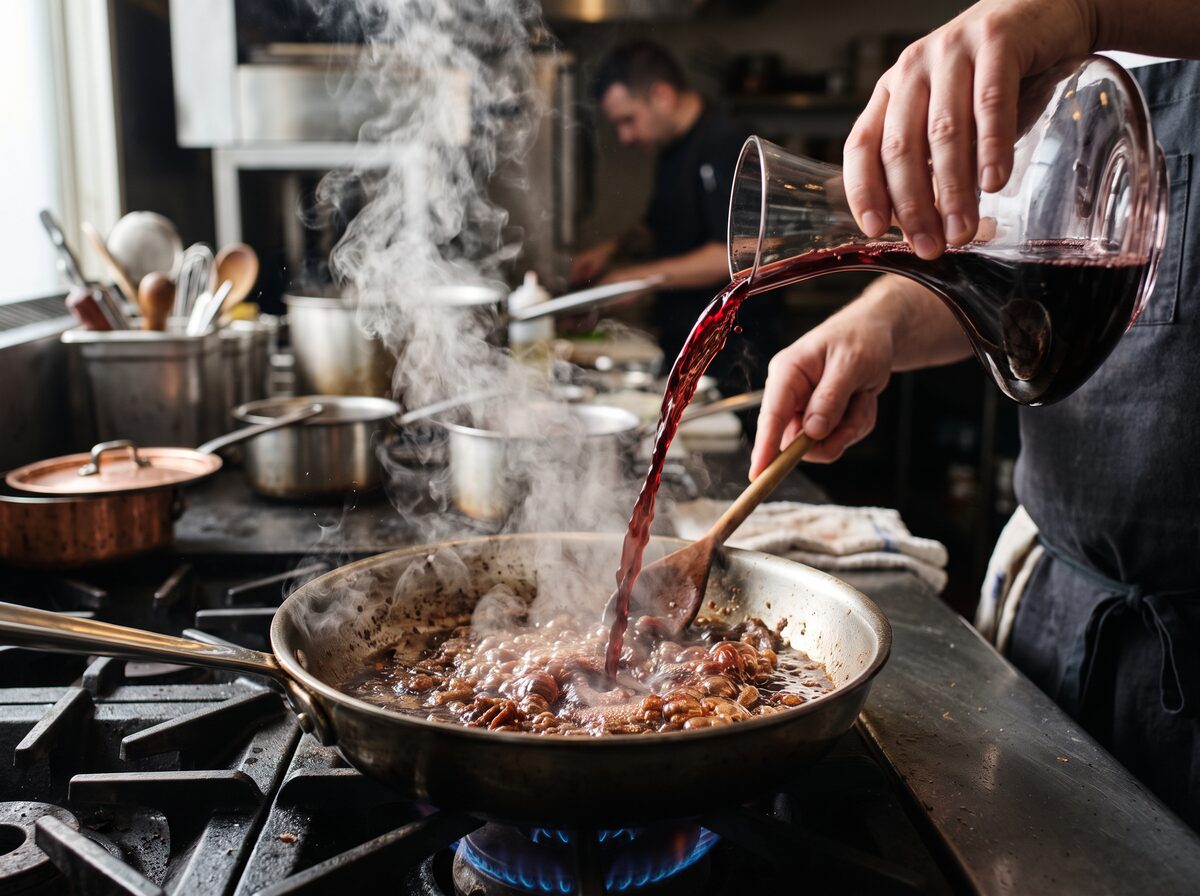
How to Deglaze Like a Pro: Unlocking Deep Flavor for Restaurant-Quality Sauces
Master deglazing to build rich, complex sauces at home. Step-by-step techniques, liquid choices, and chef tips for pro-level flavor every time.
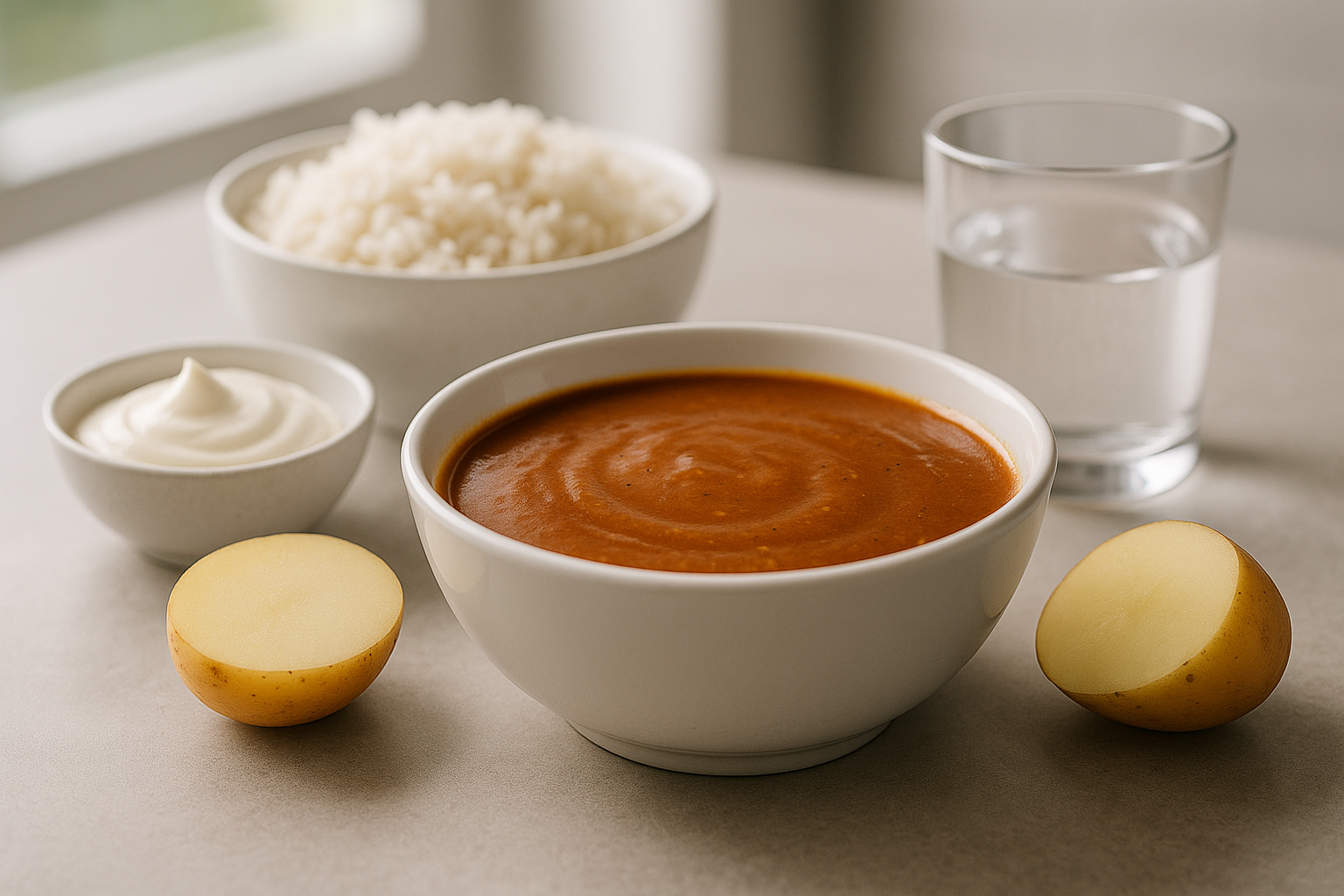
How to Fix Over-Salted Sauces: Chef-Approved Rescue Techniques
Learn step-by-step methods to save over-salted sauces. Tips, tricks, and ingredient fixes to balance flavors and rescue your favorite recipes.
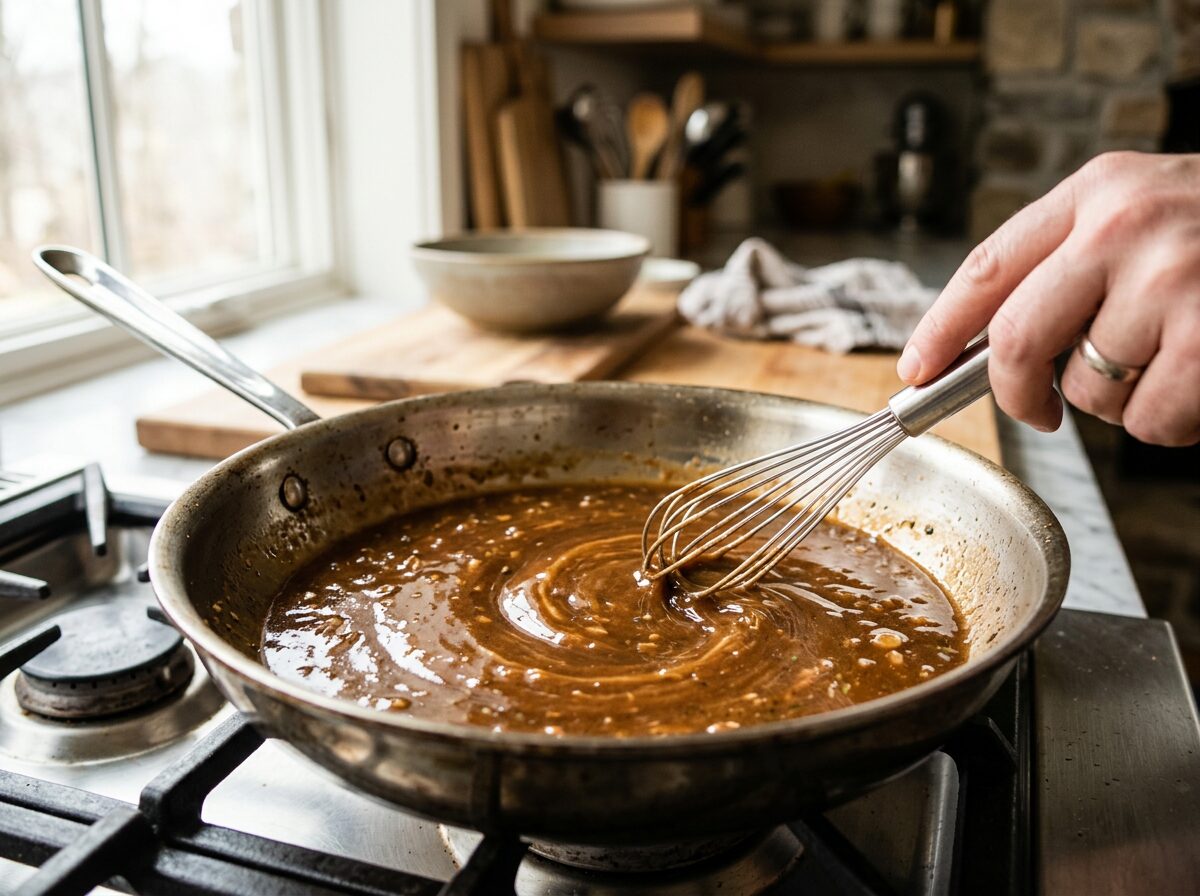
Why Your Pan Sauce Turns Out Greasy - Quick Fixes for Silky Results
Tired of greasy, separated pan sauces? Learn quick tricks to fix and prevent oily sauces for smooth, restaurant-quality results at home every time.