How to Fix a Too-Salty Sauce: Proven Techniques for Instant Rescue
Learn expert methods to quickly fix a too-salty sauce—dilution, balancing, and ingredient tricks—to save your dish without starting over.
Written by FoodieManiac
With over 8 years of sauce-making experience, I've tested hundreds of techniques and products to bring you practical, reliable advice. Learn more about me →
Understanding Why Sauces Become Too Salty
Even experienced cooks occasionally find their sauce too salty. This can happen for many reasons: overzealous seasoning, reduction concentrating flavors, or salty ingredients like soy sauce or cheese. Recognizing the cause is crucial. For example, simmering a sauce for 15-30 minutes at a gentle boil (around 200°F/93°C) will naturally concentrate both flavor and salt. Using pre-seasoned stocks or cured ingredients (like bacon or olives) can also stealthily increase salt levels. Knowing why your sauce is too salty helps you choose the most effective rescue strategy.
Immediate Steps: Taste, Assess, and Act
Before panicking, taste your sauce thoughtfully. Is it just slightly too salty, or is it overwhelmingly so? If you’re making a sauce like Authentic Moroccan Chermoula or Creamy Sriracha Mayo Sauce, pinpoint whether the saltiness comes from the base, an addition, or reduction. A sauce that’s just a touch salty may only need dilution, while a sauce that’s extremely salty will require a combination of techniques for balance.
Dilution: The Fastest Fix for Most Sauces
Dilution is usually the safest first move when saving a salty sauce. Add a small amount of a liquid that matches your sauce’s base:
- For cream-based sauces: add 2-4 tablespoons of unsalted heavy cream, milk, or even water per cup of sauce. Simmer gently at 180°F/82°C for 2-3 minutes to blend flavors.
- For tomato sauces: add low-sodium or unsalted tomato puree or broth, start with 1/4 cup per 2 cups of sauce. Simmer for 5 minutes.
- For pan sauces: use unsalted stock or water, adding 1 tablespoon at a time, stirring and tasting after each addition.
Never add too much at once—dilute gradually, tasting after each adjustment. If your sauce becomes too thin, refer to easy fixes for thickness to restore consistency without re-concentrating the salt.
Double the Recipe: Stretching Works Wonders
If you have time and ingredients, doubling (or even tripling) your sauce is an instant remedy for excess salt. Prepare a second batch without any salt, then combine with the salty batch. For example, if your Sweet & Spicy Pineapple Habanero BBQ Sauce is too salty, make a new batch sans salt and blend the two. Reheat gently to 180°F/82°C, stirring to fully integrate. This method maintains flavor while halving the salt per serving.
Balance with Acidity: Vinegar, Citrus, and More
Adding acid can temper the perception of saltiness by balancing flavors on your palate. Try these acids, adding 1/2 teaspoon at a time, stirring and tasting:
- White wine vinegar, apple cider vinegar, or sherry vinegar
- Lemon or lime juice (fresh is best)
- Unsweetened cranberry or pomegranate juice for fruit-based sauces
For example, a too-salty Homemade Carolina Gold BBQ Sauce can benefit from a splash of apple cider vinegar or lemon juice. For creamy or dairy-based sauces, add acid off the heat to avoid curdling. Let the sauce cool below 160°F/71°C before stirring in citrus or vinegar.
Add Unsalted Starch: Potatoes, Rice, and More
Starches absorb liquid and can help distribute salt molecules, lessening perceived saltiness. Use these methods:
- Potato method: Add a peeled, large potato to simmering sauce (200°F/93°C). Simmer for 15-20 minutes, then remove. This works best for brothy sauces or soups, but less for thick or creamy types.
- Rice method: Add a small muslin bag filled with 1/4 cup uncooked white rice. Simmer for 10-15 minutes, then remove the bag. The rice absorbs salty liquid without thickening the sauce.
- Bread method: For rustic tomato or vegetable sauces, add a slice of unsalted stale bread, simmer for 10 minutes, then remove and discard.
The potato, rice, or bread won’t magically “suck out” all the salt, but it does slightly reduce saltiness and works best combined with dilution or another technique.
Incorporate Cream, Yogurt, or Unsalted Dairy
Dairy is a classic way to mellow salty sauces, especially for spicy or tomato-based recipes like Creamy Jalapeño Cilantro Dip or Creamy Cilantro Lime Yogurt Dressing. Stir in:
- 2-4 tablespoons of unsweetened Greek yogurt, crème fraîche, or sour cream per cup of sauce
- 2-3 tablespoons of unsalted butter, stirred in off the heat for a smooth emulsion
- 1/4 cup of heavy cream, simmered at 180°F/82°C for 2-3 minutes
Add dairy slowly and taste after each addition to avoid overpowering the sauce’s other flavors. This method works especially well for sauces meant to be creamy and rich, such as ranch, blue cheese, or Alfredo-style sauces.
Sweetness for Balance: Sugar, Honey, and Fruit
Adding a touch of sweetness can mask saltiness. For barbecue sauces, Asian-inspired glazes, or dips like Copycat Chick-fil-A Polynesian Sauce, try:
- 1-2 teaspoons of honey, maple syrup, or agave per cup of sauce
- 1-2 teaspoons of white or brown sugar, dissolved completely
- 1-2 tablespoons of unsweetened applesauce, pineapple juice, or mashed mango for fruit-forward sauces
Heat gently at 160-180°F/71-82°C for 2-3 minutes to ensure sugar dissolves and flavors meld. This method is especially useful for sweet-salty sauces like Homemade Spicy Pineapple BBQ Sauce.
Bulk It Up: Add More Unsalted Vegetables or Protein
If your sauce can accommodate it, increase the volume with unsalted cooked vegetables or proteins. For example, if your tomato sauce is too salty, add a cup of sautéed unsalted mushrooms, zucchini, or eggplant. For creamy dips like Thermomix Creamy Roasted Jalapeño Ranch Dip, fold in extra unsalted Greek yogurt or cream cheese. Let everything simmer together at 180°F/82°C for 3-5 minutes for flavors to integrate. This not only lessens salt concentration but also increases yield.
Don’t Rely on the Potato Myth Alone
While adding a potato to a salty sauce is a classic trick, scientific tests show its effect is modest. Potatoes absorb some salty liquid but don’t “remove” salt from the sauce itself. For real improvement, use the potato in tandem with dilution, extra vegetables, or acidity. If you’re curious about why some classic sauce fixes don’t always work, see Why Your Homemade Thai Peanut Sauce Turns Out Grainy - Causes and Fixes for more insight on ingredient behavior.
Masking with Fat: Butter, Oil, and Nut Butters
Fats help “round out” sharp flavors, including saltiness. For savory sauces, finish with 2-3 tablespoons of unsalted butter, whisked in off the heat for a silky texture. For sauces with Middle Eastern or Mediterranean flavors, a tablespoon of tahini, almond butter, or olive oil can soften the salt’s impact. Add fats gradually, stirring until fully incorporated. This is especially useful for sauces like Authentic Lebanese Muhammara (Spicy Red Pepper & Walnut Dip), where extra walnut or olive oil brings balance and richness.
Serve Strategically: Pair with Low-Sodium Foods
If you can’t adjust the sauce itself enough, serve it with ingredients that are unsalted or naturally bland. Pair a too-salty sauce with plain rice, unsalted pasta, roasted potatoes, or steamed vegetables. When serving dips like Thermomix Creamy Roasted Garlic & Herb Salad Dressing, offer with raw veggies rather than salted chips or crackers. This immediately cuts perceived saltiness per bite.
Preventing Over-Salting in the Future
The best fix is to prevent over-salting altogether:
- Add salt at the end, after reduction or thickening.
- Use unsalted stocks, butters, and broths as your base.
- If using salty ingredients like anchovies, cheese, or cured meat, reduce or eliminate added salt elsewhere.
- Taste frequently as you cook—especially after reducing by half or more.
For more on balancing and pairing flavors in sauces, see Why Your Vinaigrette Turns Cloudy in the Fridge and Why Your Homemade Vinaigrette Turns Out Too Sour - Simple Balancing Tips.
Special Cases: Fixing Salty Dips, BBQ Sauces, and More
Creamy Dips
With dips like Creamy Roasted Jalapeño Ranch Dip or Creamy Roasted Red Pepper Feta Dip (Htipiti), stir in extra unsalted yogurt, sour cream, or cream cheese. Add 2 tablespoons at a time, blending thoroughly, until the salt level is right.
BBQ Sauces
For BBQ sauces such as Homemade Spicy Mango Habanero BBQ Sauce, double the batch without salt, then balance with more vinegar, brown sugar, or fruit puree. Simmer gently at 180°F/82°C for 10 minutes to integrate flavors.
Herb Sauces and Vinaigrettes
For fresh herb sauces like Authentic Argentine Chimichurri Sauce or vinaigrettes, add chopped unsalted herbs, more oil, and a squeeze of lemon juice. If the sauce thickens after chilling, review Why Your Sauce Gets Too Thick as It Cools for quick fixes without adding more salt.
Conclusion: Combine Techniques for the Best Results
Rarely does a single technique completely fix a salty sauce; the best results come from combining methods. Dilute first, then balance with acid, fat, or sweetness as needed. Bulk up with unsalted ingredients if possible, and always taste after each adjustment. Keep these methods in mind for any sauce—whether it’s a fiery Authentic Peruvian Aji Verde Sauce, a zesty ranch, or a tangy BBQ. Mastering these fixes ensures your sauces—like those in our guide to 2-ingredient sauces—are always vibrant, balanced, and never too salty to enjoy.
TAGS
Try These Recipes
Related Articles
Worcestershire Sauce vs. Soy Sauce: Flavor, Uses, and Substitution Guide
Compare Worcestershire and soy sauce: taste, ingredients, best uses, and when to substitute. Upgrade your recipes with the right savory condiment.
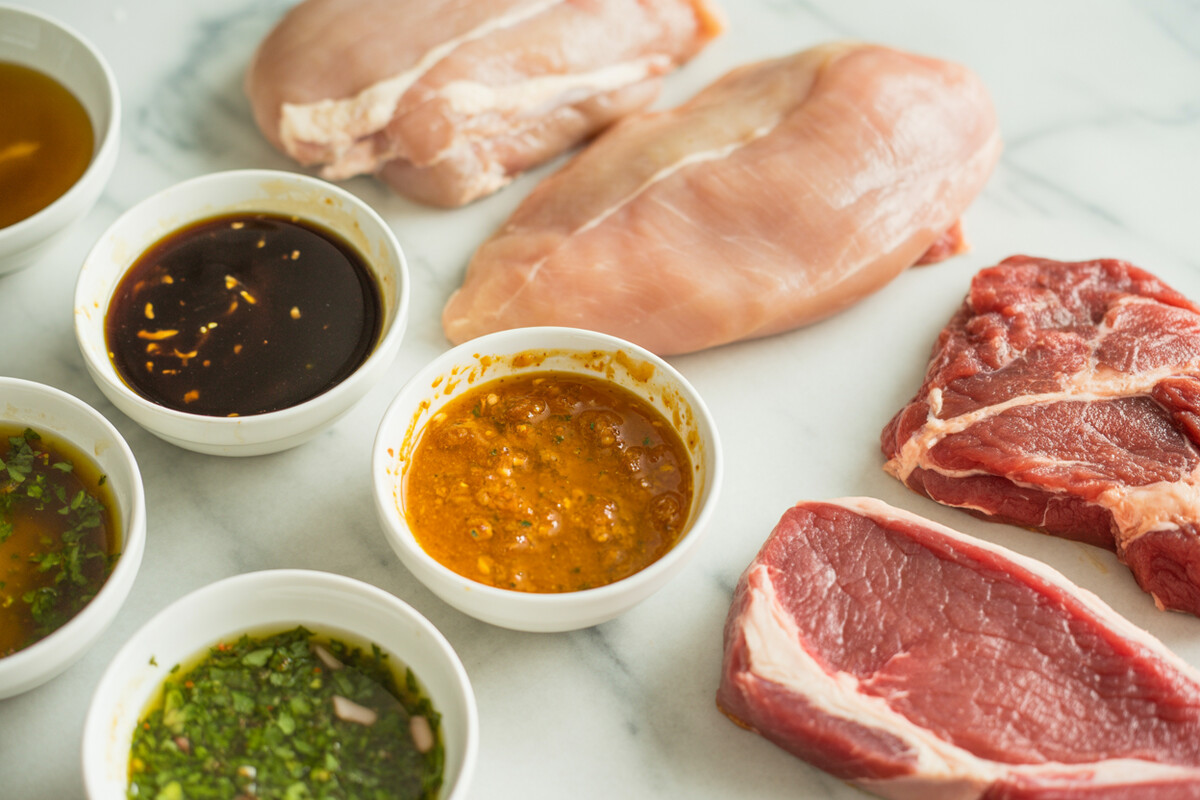
10-Minute Marinades: Quick Sauces to Instantly Upgrade Any Protein
Discover fast, flavor-packed marinades you can whip up in 10 minutes to transform chicken, beef, fish, or tofu. Easy recipes, bold results!

Tahini Sauce vs. Hummus: Differences, Uses, and When to Choose Each
Compare tahini sauce and hummus: key ingredients, texture, flavor, and best uses. Learn when to use each Middle Eastern classic in your cooking.
Deglazing Techniques: How to Build Deep Flavor in Pan Sauces
Master deglazing for rich, restaurant-quality pan sauces. Learn which liquids to use, timing tips, and how to extract maximum flavor from fond.