Why Your Homemade Thai Peanut Sauce Turns Out Grainy - Causes and Fixes
Struggling with grainy Thai peanut sauce? Learn what causes gritty texture and get easy, practical fixes for smooth, creamy results every time.

Written by FoodieManiac
With over 8 years of sauce-making experience, I've tested hundreds of techniques and products to bring you practical, reliable advice. Learn more about me →
Why Does My Thai Peanut Sauce Turn Out Grainy?
I need to get something off my chest: I have made more gritty, weirdly separated, almost sad Thai peanut sauces than I care to admit. The first time I tried to whip up a batch, I was convinced it’d be easy - just dump everything in a pot and stir, right? Spoiler: it was a lumpy, oily mess. If you’ve ever wondered why your homemade peanut sauce isn’t silky, you are not alone. Let’s get into why this happens and how you can finally get that dreamy, creamy texture you want for dipping, drizzling, or straight-up eating with a spoon (no judgment).
What Makes Thai Peanut Sauce Creamy?
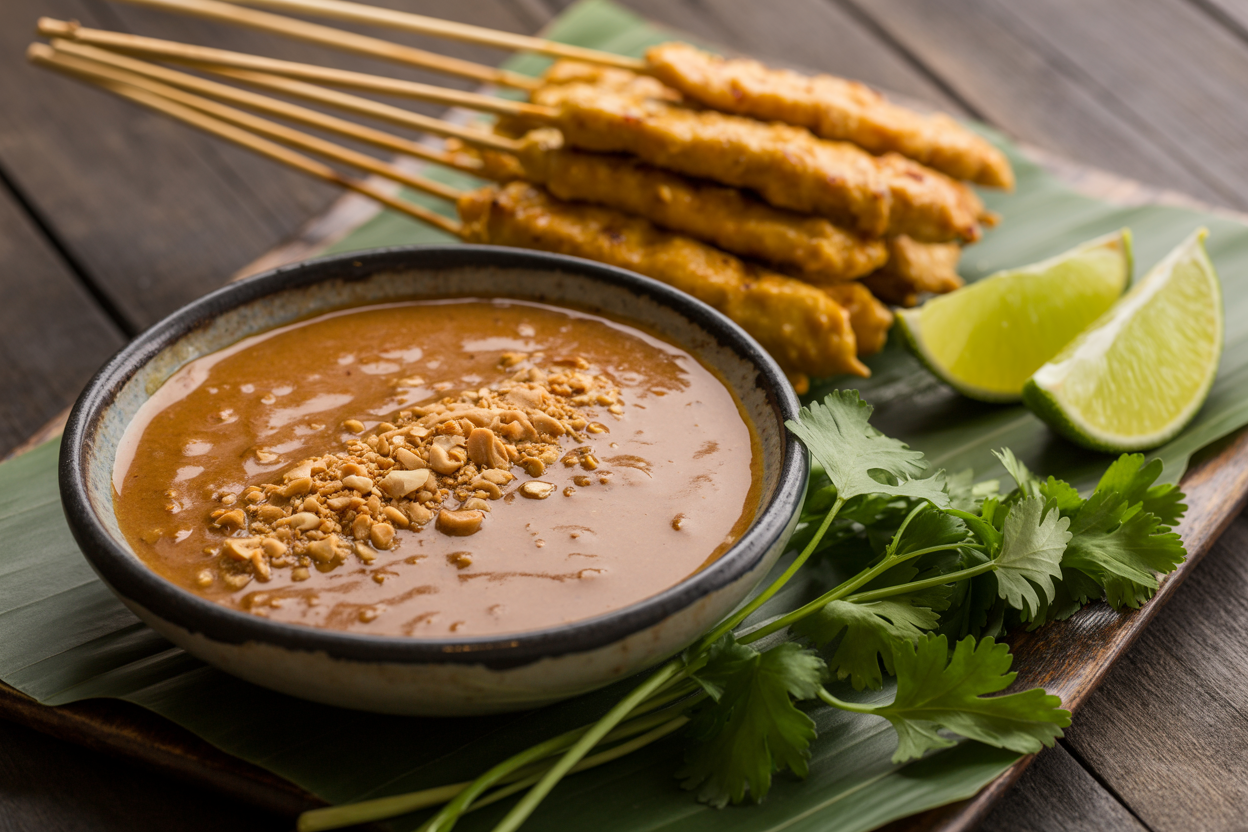
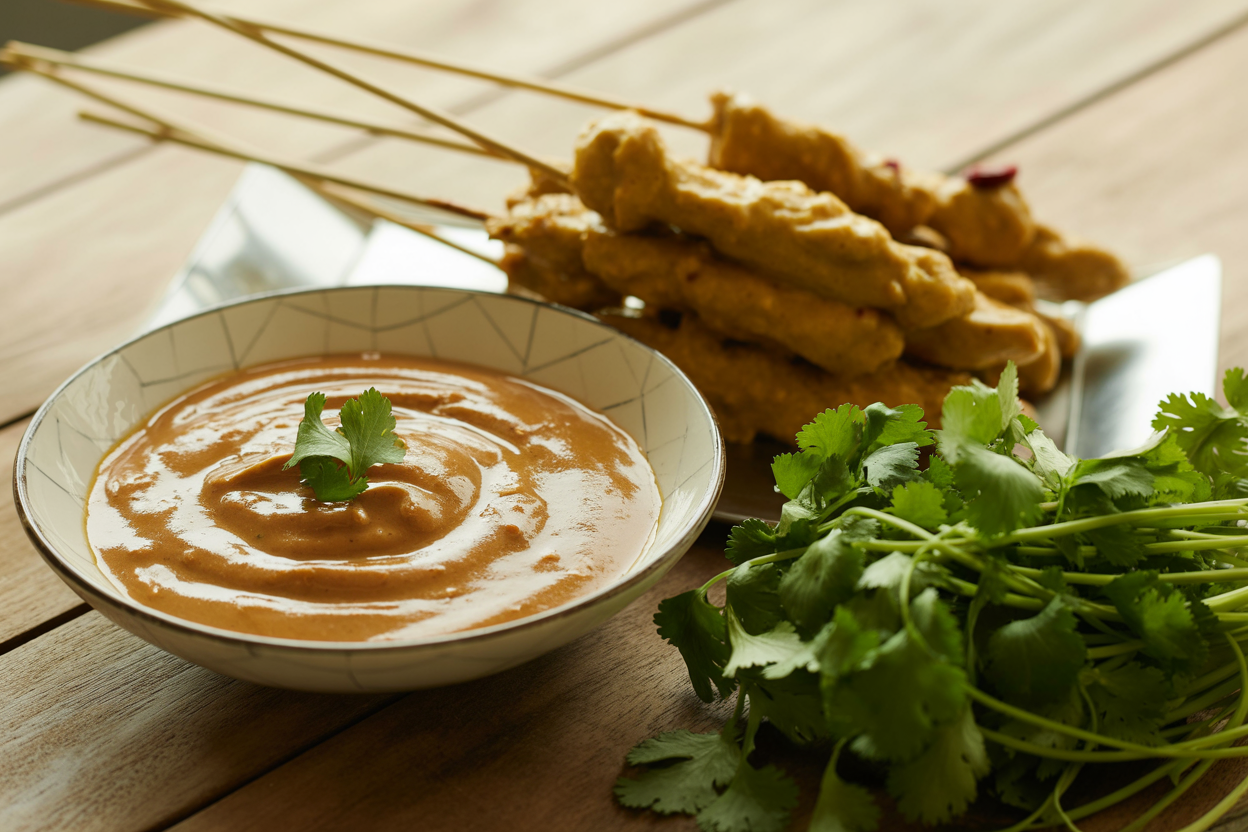
Classic Thai peanut sauce is smooth, pourable, and coats everything beautifully. At its core, it’s got peanut butter (or ground peanuts), coconut milk, something salty (soy sauce or fish sauce), a little sweet (sugar or honey), acid (lime juice or vinegar), and usually some garlic, ginger, and chili. When you hit that magic balance, it’s addictive. When things go wrong, it can turn out gritty, greasy, or split. That’s what we’re fixing today.
The Texture Problem: Grainy vs. Creamy
Graininess in peanut sauce is super common, especially if you’re using natural peanut butter or mixing by hand. Sometimes it’s little bits of undissolved peanut, sometimes it’s the fat separating, and sometimes it’s just stubborn chunks that refuse to blend in. If you’ve ever watched your sauce go from promising to a pot of brown sand, I know how you feel.
Common Causes of Grainy Peanut Sauce
- Natural peanut butter surprises: I love natural peanut butter, but it can split and seize up, leaving little gritty bits. It’s the lack of stabilizers that’s the problem.
- Wrong order of mixing: If you dump cold coconut milk straight onto peanut butter, it can seize. I learned this one the hard way.
- Overheating: Too much heat and things split - you’ll get pools of oil and gritty blobs.
- Not enough liquid: Peanut butter is thirsty. Not enough coconut milk or water and you get paste, not sauce. Then you add more liquid, and suddenly it’s lumpy.
- Acid at the wrong time: Adding lime juice or vinegar too early can make everything seize up. It’s all chemistry - and it’s kind of annoying.
Let’s Break Down Each Cause
1. Natural Peanut Butter: Friend or Foe?
Natural peanut butter (the kind with just peanuts and maybe salt) is what I usually have at home. It tastes amazing, but it’s a bit of a diva in sauces. The oil separates in the jar. If you don’t stir it back together thoroughly, you’ll get weird lumps. Even when you do, it can get grainy if you add something cold or acidic too fast. If you want silky-smooth, shelf-stable peanut butter (like Jif or Skippy) is honestly easier. But I get it - sometimes you just can’t go back.
2. Mixing Order Matters
This was totally not obvious to me until I ruined a dozen batches. If you add everything all at once, the peanut butter can seize and clump. The trick is to start with room temperature peanut butter and add warm (not boiling) coconut milk or water slowly, whisking until it’s fully smooth before adding anything else. If you’re using a blender, you have a bit more leeway, but even then, order matters.
3. Overheating the Sauce
This is my classic mistake when I’m in a rush. I crank the heat, walk away, and come back to a gritty, separated disaster. Peanut butter doesn’t love high heat. You want to keep the sauce on low or medium-low, and pull it off as soon as it looks combined. If you see oil pooling on top, it’s gone too far - but you can sometimes rescue it (more on that later).
4. Not Enough Liquid
My early peanut sauces were basically peanut putty. Don’t be afraid to add more coconut milk or water than you think you need. The sauce should look glossy and pourable. If it’s thick and sticky, whisk in more liquid a tablespoon at a time. It’s way easier to thin a thick sauce than to thicken a thin one, so go slow.
5. Acid Timing
Lime juice and vinegar are important for flavor, but if you add them too early, especially into cold peanut butter, the sauce can seize. I add lime at the end, off the heat. If I forget and add it too soon, I get a chunky, grainy mess. Honestly, I still forget sometimes.
How to Fix Grainy Peanut Sauce (If It Happens)
- Use a blender: If your sauce is lumpy, dump it in a blender and blitz the heck out of it. This fixes about 80% of grainy sauces.
- Add warm liquid: Whisk in a little warm (not hot) water or coconut milk, a tablespoon at a time, until it smooths out. Don’t panic if it looks thin - it’ll thicken as it cools.
- Strain it: If all else fails, push it through a fine mesh strainer. I’ve done this for dinner guests and no one ever knew.
- Add a touch of oil: Sometimes a teaspoon of neutral oil (like grapeseed or light olive oil) can help smooth out the texture if things are dry and sandy.
Tested Tips
- Warm your coconut milk: Don’t use cold coconut milk straight from the fridge. Microwave it until it’s just warm to the touch. Cold liquid will seize your peanut butter and make the sauce gritty. I learned this after so many failed sauces - it’s a game changer.
- Start with a slurry: Whisk a little of the warm coconut milk into the peanut butter to make a smooth paste before adding the rest. If you dump in all the liquid at once, it’ll never get smooth, no matter how hard you whisk.
- Lime juice last: Always add lime juice or vinegar at the end, off the heat. If you forget and add it too early, it’ll get grainy. If it happens, a blender can sometimes rescue it, but not always.
- Don’t boil it: Keep the heat at medium-low or lower. If you see bubbles, turn it down. I’ve burned this more times than I’ll admit - burnt peanut sauce tastes bitter and weird, and you can’t fix it.
- Salt gradually: Start with half a teaspoon of salt or soy sauce, then taste. You can always add more, but you can’t un-salt a sauce. I’ve made some mouth-puckeringly salty peanut sauces in my time.
- Store leftovers right: Thai peanut sauce thickens in the fridge and can get even grainier. To revive it, microwave with a splash of water and whisk until smooth. Sometimes it needs a quick blitz in the blender too.
Shortcuts and Ingredient Swaps That Actually Work
- Use shelf-stable peanut butter: If you want guaranteed smoothness, there’s no shame in using Jif or Skippy. It’s what a lot of Thai restaurants use for consistency.
- Skip the fresh ginger and garlic: Pre-minced ginger and garlic (from a tube or jar) work fine here. If you’re in a rush, powdered is okay. The sauce has so much going on, you won’t notice the shortcut.
- Water over coconut milk: If you don’t have coconut milk, water plus a splash of oil works. It won’t be as rich, but it still makes a great sauce for dipping spring rolls or drizzling over salads. (Kind of like my Creamy Cilantro Lime Yogurt Dressing - light, bright, and super versatile.)
- Soy sauce or fish sauce: Both work for saltiness. Just remember fish sauce is much saltier and pungent - start with half the amount and taste as you go.
What About Blenders, Food Processors, and Whisks?
If you have a high-speed blender, you can get away with almost anything. Just dump everything in and blend until smooth. If you’re using a whisk, you need to go slow and add liquids gradually, or you’ll be chasing lumps forever. Food processors work, but sometimes the sauce ends up fluffier than you want. I usually stick with a bowl and whisk unless I’m making a huge batch for a party.
How to Serve and Store Peanut Sauce (Without Ruining the Texture)
Serve peanut sauce warm, not piping hot. If it sits too long, it can thicken and get grainy. If it gets too thick, whisk in a splash of warm water to loosen it up. In the fridge, it solidifies - that’s normal. Just reheat gently and whisk or blend to smooth it out. If you want to freeze it, check out my guide on Freezing Sauces 101 for tips on keeping the texture right. (Hint: thaw slowly and re-blend.)
Peanut Sauce Gone Wrong: Real-Life Fixes
Here’s a quick troubleshooting chart from my own "oops" moments:
- Grainy and thick: Whisk in warm water or coconut milk, a tablespoon at a time, and blend if needed.
- Separated/oily: Take off the heat, whisk in a splash of water, and blend if possible. Sometimes a teaspoon of honey helps bring it back together.
- Bland: Add a splash of soy sauce, a pinch of sugar, and a squeeze more lime. Taste as you go - see my guide on Why Your Quick Stir-Fry Sauce Turns Out Bland - Easy Flavor Fixes for more ideas.
- Too spicy or salty: Add more coconut milk or water, then re-balance with a little sugar or lime juice.
Other Sauces You’ll Love (If You’re a Dip Maniac Like Me)
- Authentic Lebanese Muhammara (Spicy Red Pepper & Walnut Dip) Recipe - Super creamy and perfect with pita.
- Creamy Roasted Jalapeño Ranch Dip - If you like a kick and want a dip that’s just as addictive.
- Copycat Texas Roadhouse Cinnamon Honey Butter - Okay, not spicy, but you’ll want to slather this on everything.
- Thermomix Creamy Roasted Garlic & Herb Salad Dressing - For when you want something super garlicky and smooth.
More Sauce Science and Troubleshooting
- Why Your Vinaigrette Turns Cloudy in the Fridge: Causes and Simple Fixes
- Why Your Sauce Gets Too Thick as It Cools - Causes and How to Fix It
Final Thoughts: Don’t Stress the Small Stuff
Thai peanut sauce is one of those things that’s shockingly easy to mess up - and just as easy to rescue. Even if it’s a little grainy, it’ll still taste good over noodles, salad, or grilled meat. The more you make it, the more you’ll get a feel for how the peanut butter reacts. If you want to try other sauces that never get grainy, check out my Creamy Sriracha Mayo Sauce or Authentic Moroccan Chermoula Sauce Recipe for something different. Happy cooking, and don’t be afraid to experiment - every fail just gets you closer to sauce nirvana.
TAGS
Try These Recipes
Related Articles
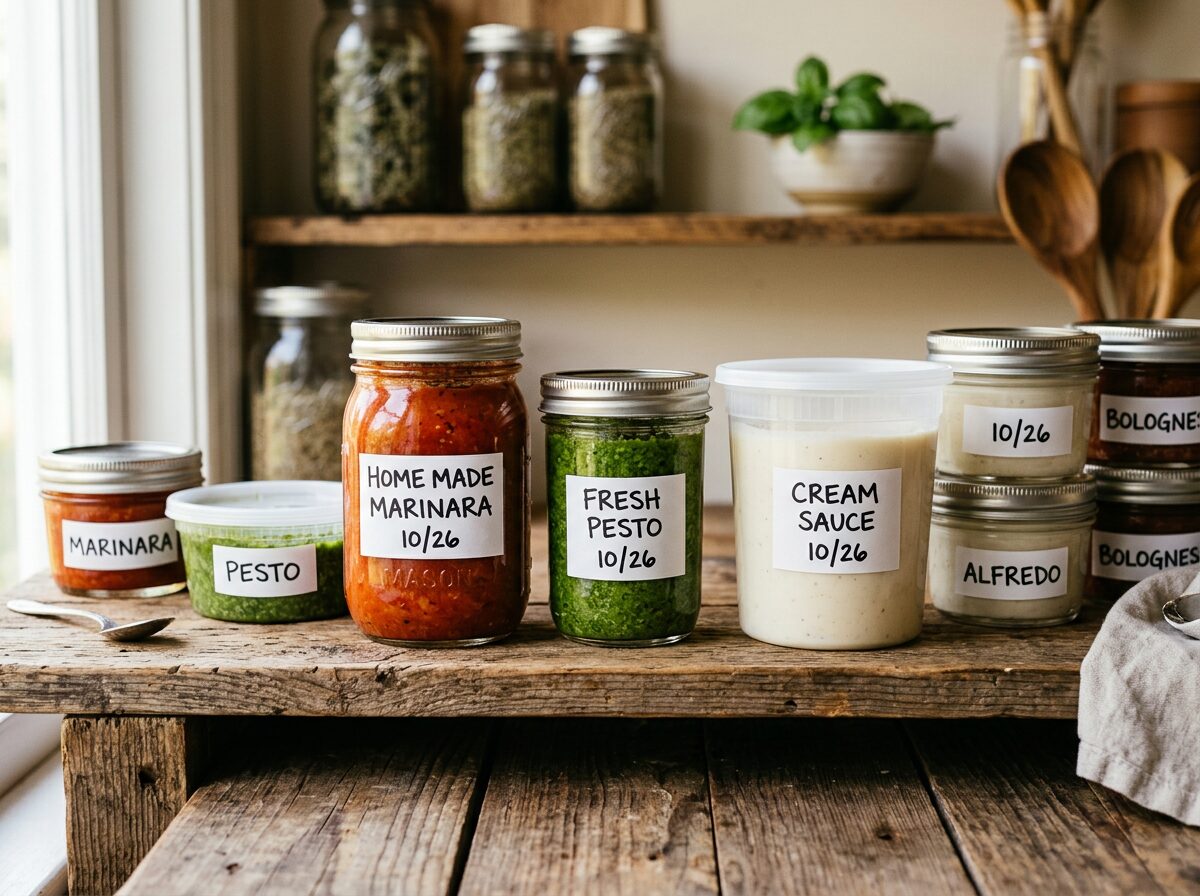
Freezing Sauces 101: Best Methods to Preserve Flavor, Texture, and Quality
Learn how to freeze sauces the right way. Discover tips on storage, thawing, and which sauces freeze best to keep flavors fresh and textures perfect.
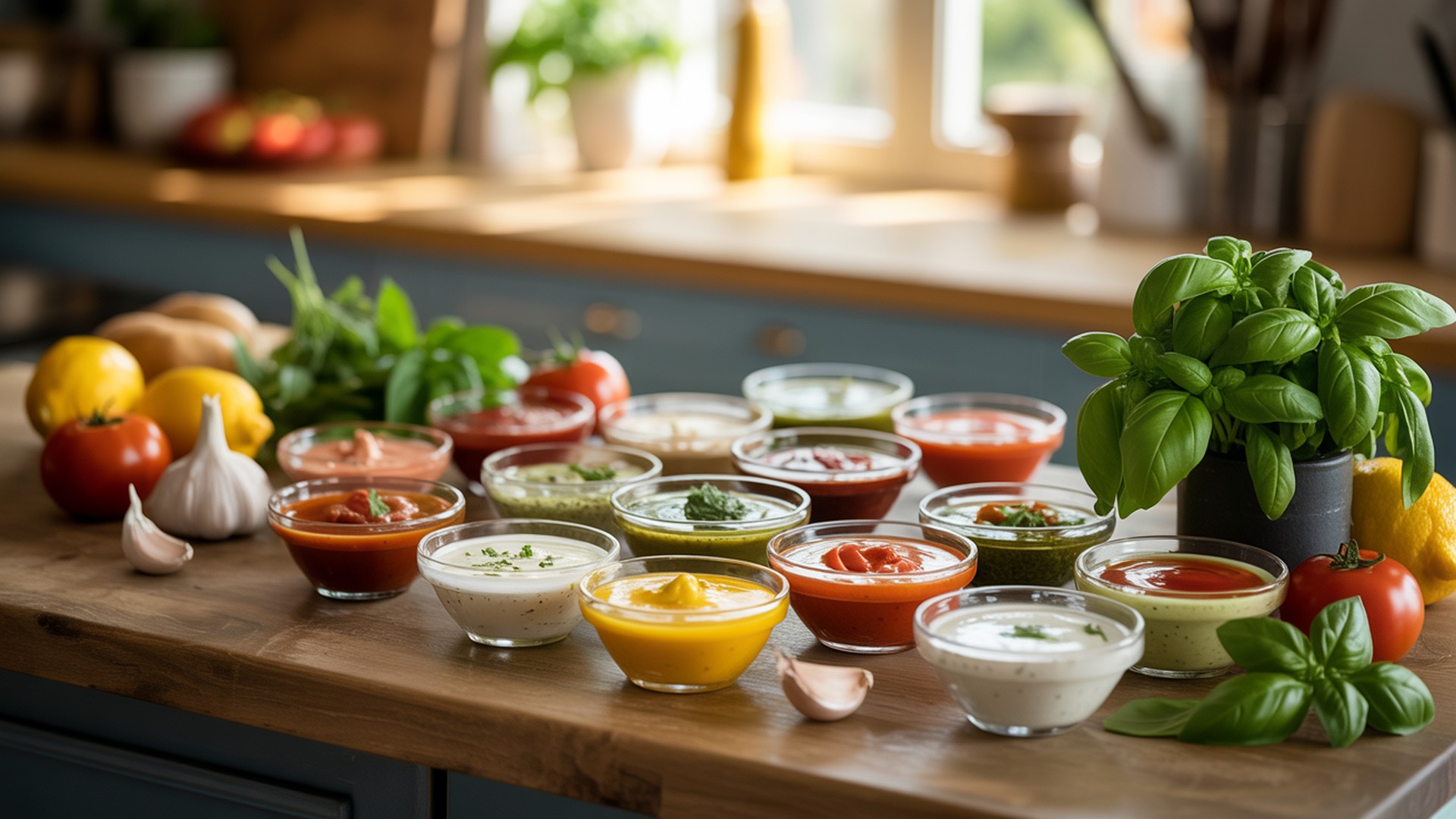
How to Freeze Sauces: Best Methods for Preserving Flavor and Texture
Learn how to freeze sauces, dips, and dressings safely for long-term storage. Get tips to maintain flavor, texture, and quality when thawing and reheating.
Worcestershire Sauce vs. Soy Sauce: Flavor, Uses, and Substitution Guide
Compare Worcestershire and soy sauce: taste, ingredients, best uses, and when to substitute. Upgrade your recipes with the right savory condiment.
How to Make Toum: Lebanon’s Creamy Garlic Sauce and Serving Ideas
Master Lebanese toum sauce at home with this step-by-step recipe. Learn tips for perfect texture and delicious ways to use this garlicky condiment.