Freezing Sauces 101: How to Preserve Flavor, Texture, and Quality
Learn which sauces freeze best, expert tips for prepping, packaging, thawing, and how to maintain texture and flavor in frozen homemade sauces.
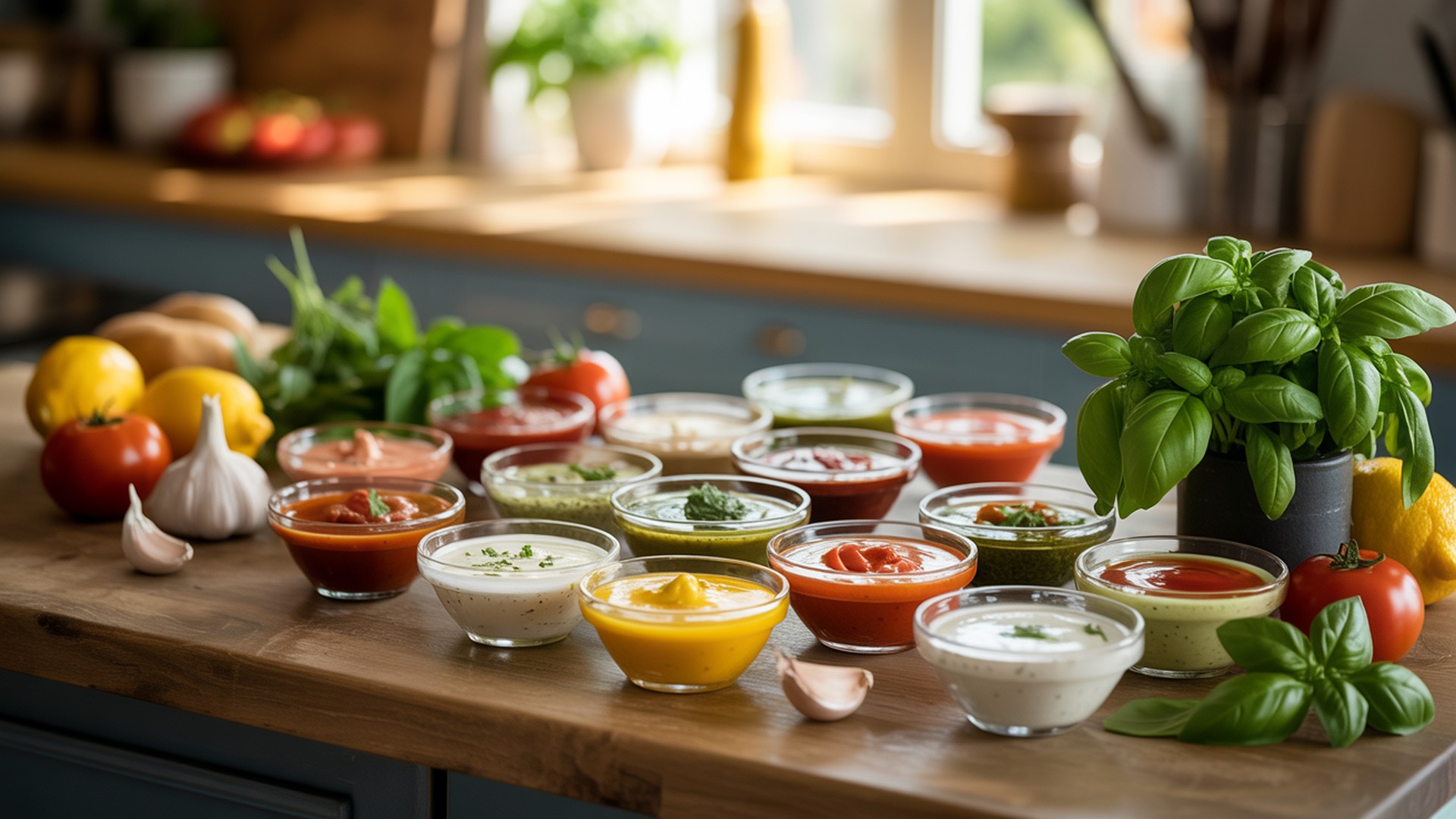
Written by FoodieManiac
With over 8 years of sauce-making experience, I've tested hundreds of techniques and products to bring you practical, reliable advice. Learn more about me →
Understanding the Science of Freezing Sauces
Freezing is a powerful tool for preserving sauces, but the process alters both flavor and texture. When water inside a sauce freezes, it expands and forms ice crystals, which can rupture delicate emulsions or cell walls in vegetables and herbs. This can result in separation, graininess, or watery consistency after thawing. To minimize these effects, it’s critical to understand freezing temperatures and container choices.
The optimal temperature for freezing sauces is -18°C (0°F) or lower. At this temperature, bacterial activity halts, preserving the sauce's quality for months. Rapid freezing forms smaller ice crystals, which are less damaging to the sauce structure. Therefore, always freeze sauces as quickly as possible after cooling to room temperature (21°C/70°F).
Which Sauces Freeze Well—and Which Don’t
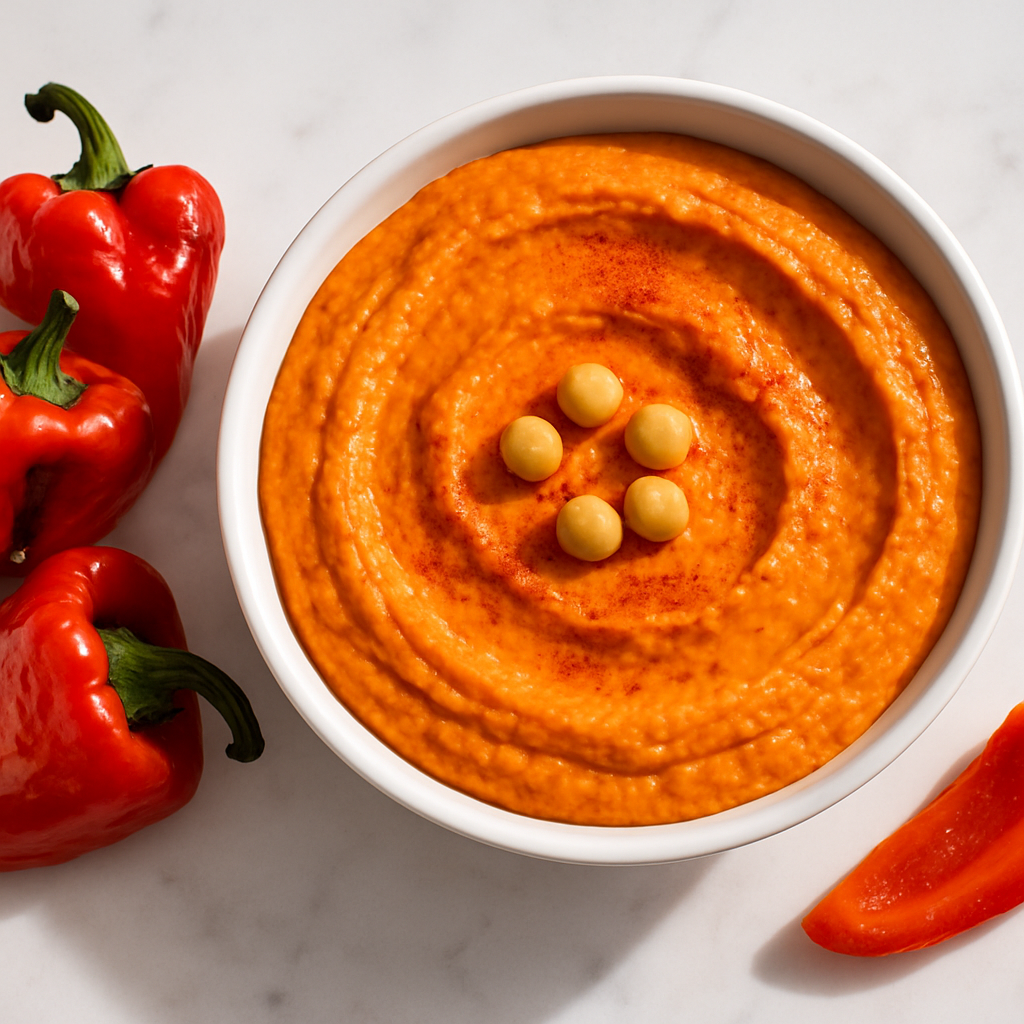
Not all sauces are created equal when it comes to freezing. Tomato-based, broth-based, and oil-based sauces generally freeze with minimal texture loss. Cream-based, dairy-heavy, and some emulsified sauces (like hollandaise or mayonnaise) can separate or become grainy. For example, Authentic Lebanese Muhammara, a robust red pepper and walnut dip, freezes well due to its nut and breadcrumb base.
- Excellent for Freezing: Tomato sauces, barbecue sauces, pesto (without cheese), chimichurri, harissa, curry pastes, and nut-based dips.
- Freeze with Caution: Dairy-based sauces, creamy dressings, butter sauces, and egg-based emulsions.
- Not Recommended: Mayonnaise, hollandaise, sauces with high potato or gelatin content (they become watery or rubbery).
For more insights on sauce types and their freezing compatibility, explore our guide How to Freeze Sauces: Best Methods for Preserving Flavor and Texture.
How to Prepare Sauces for Freezing
Cool Quickly and Safely
Before freezing, always cool sauces to room temperature to prevent condensation and ice formation inside containers. Never place hot sauce directly in the freezer; this raises freezer temperature and risks food safety. To cool efficiently, pour the sauce into shallow pans, spreading it out to a depth of no more than 2.5 cm (1 inch) for rapid cooling. Stir occasionally, and the sauce should reach room temperature in about 30-45 minutes.
Portion Control for Easy Thawing
Freeze sauces in portions you’ll use at once. For most home cooks, 1-cup (240 ml) or 2-cup (480 ml) containers work well. For finishing sauces or drizzles, use ice cube trays (each cube holds about 2 tablespoons/30 ml) for perfect single servings. Remove frozen cubes and store them in airtight freezer bags, squeezing out as much air as possible before sealing.
Prevent Freezer Burn and Odors
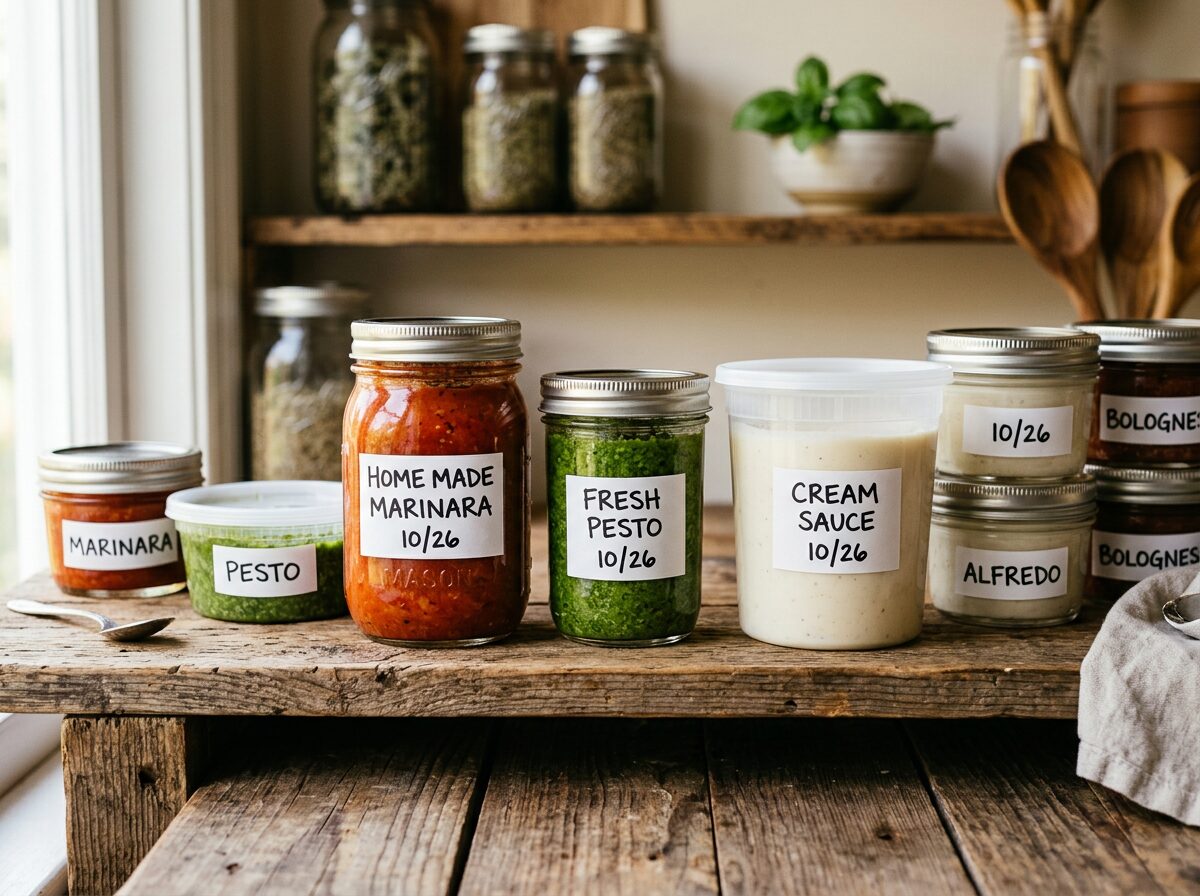
Choose containers designed for freezing: BPA-free plastic containers, glass jars with straight sides (no shoulders), silicone molds, or heavy-duty freezer bags. Leave 1.25 cm (½ inch) headspace for expansion. Press plastic wrap directly onto the surface of the sauce before sealing for extra protection. Label every container with the sauce type, date, and portion size.
Freezing Techniques for Maximum Flavor and Texture
Blanching and Par-Cooking for Vegetable Sauces
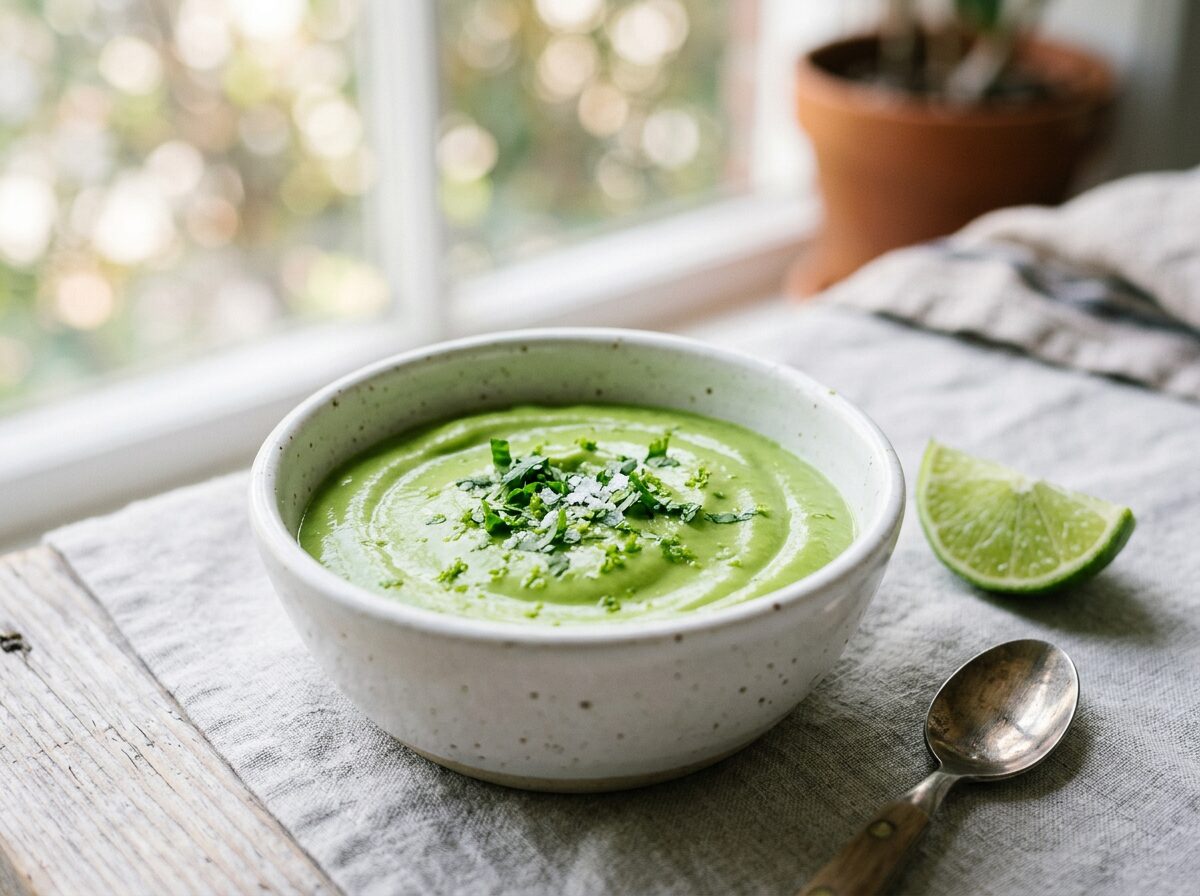
Vegetable-based sauces (like salsas and herb sauces) are vulnerable to textural changes. Briefly blanching or par-cooking vegetables before blending helps preserve color and flavor. For example, if freezing Authentic Mexican Salsa Verde, simmer tomatillos and peppers for 2-3 minutes before blending and freezing. This reduces enzyme activity that causes flavor loss and discoloration.
Emulsion Stabilization
Emulsified sauces like vinaigrettes or aiolis often separate when frozen and thawed. To help maintain emulsion, add a teaspoon of Dijon mustard or a pinch of xanthan gum per cup of sauce before freezing. For more on vinaigrette stability and troubleshooting, see Why Your Vinaigrette Turns Cloudy in the Fridge: Causes and Simple Fixes.
Adjusting Seasonings Before Freezing
Freezing dulls certain flavors, especially salt and acidity. Consider seasoning your sauce just slightly above your usual level—about 10% more salt or acid (1/8 teaspoon extra per cup)—to ensure vibrancy post-thaw. However, avoid over-salting, as flavors can intensify during reheating.
Special Considerations for Dairy and Creamy Sauces
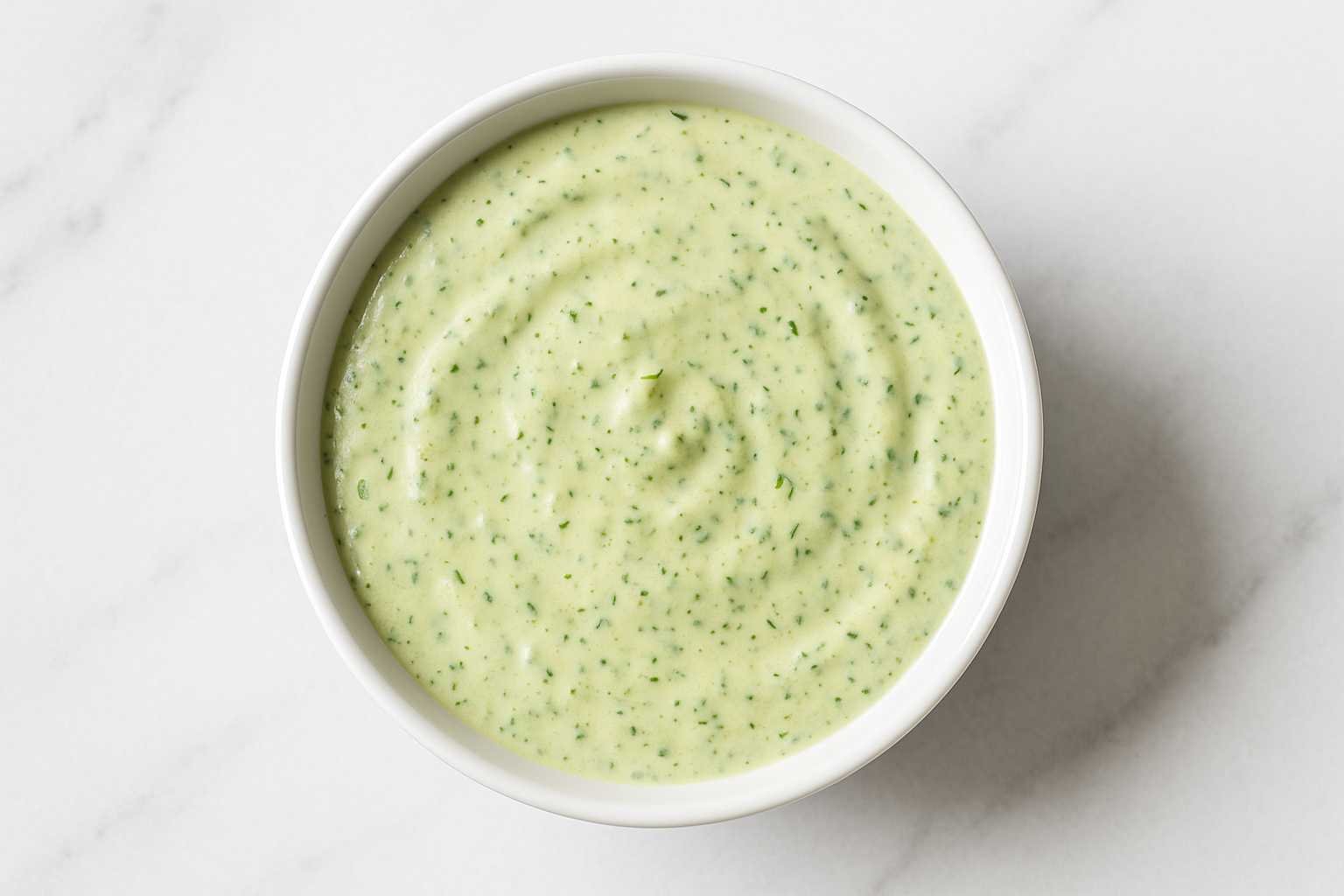
Many creamy dips and dressings, such as Creamy Roasted Jalapeño Ranch Dip or Thermomix Creamy Roasted Garlic & Herb Salad Dressing, contain mayonnaise, sour cream, or buttermilk. These can split after thawing, resulting in a curdled appearance. To help stabilize:
- Use full-fat dairy (low-fat separates more easily).
- Add a teaspoon of cornstarch or flour per cup to prevent curdling.
- Whisk thoroughly after thawing and, if necessary, re-emulsify with an immersion blender.
For best results, freeze creamy sauces in small batches and avoid repeated thaw-refreeze cycles.
Best Practices for Thawing and Reheating Sauces
Safe and Effective Thawing
For optimal food safety and texture, thaw sauces overnight in the refrigerator (4°C/39°F). For smaller portions, place the container in a bowl of cold water for 1-2 hours. Microwave thawing is acceptable for stable sauces, but stir every 30 seconds to ensure even defrosting and prevent overheating.
Restoring Texture After Thawing
Most sauces benefit from vigorous whisking or blending after thawing. For separated or grainy sauces, use an immersion blender for 30-60 seconds to restore smoothness. If the sauce is too thick, add a splash of water, broth, or cream in 1-tablespoon increments until the desired consistency returns.
Reheating Temperatures
Reheat sauces gently to avoid splitting or scorching. Use low to medium heat (65°C/150°F to 75°C/167°F) for cream or egg-based sauces, stirring constantly. Tomato-based and barbecue sauces can be reheated to a simmer (90°C/194°F) without issue.
How Long Do Frozen Sauces Last?
Sauces maintain best quality in the freezer for 2-3 months. After this period, flavor dulling and freezer burn can occur, though sauces remain safe if kept below -18°C (0°F). For best results, consume:
- Tomato-based, BBQ, and herb sauces: within 3 months.
- Creamy and dairy-based sauces: within 1-2 months.
- Nut and seed-based dips: within 2 months.
Labeling with dates ensures you use the oldest sauce first and reduces waste. For more on ideal storage times and methods, see Freezing Sauces 101: Best Methods for Preserving Flavor and Texture.
Applying Freezing Techniques to Popular Sauces
Ready to put theory into practice? Many of our most popular recipes are freezer-friendly:
- Sweet & Spicy Pineapple Habanero BBQ Sauce: Freeze in 1-cup containers for 3 months; whisk after thawing for perfect consistency.
- Authentic Lebanese Toum (Garlic Sauce) Recipe: Best frozen in small cubes; whisk with a touch of water after thawing to revive fluffiness.
- Homemade Carolina Gold Mustard BBQ Sauce: Freeze in jars; shake well after thawing for best texture.
- Thermomix Creamy Roasted Beetroot & Horseradish Dip: Freeze in silicone molds and re-blend after thawing to restore creamy texture.
For additional freezer-friendly ideas, try Homemade Spicy Mango Habanero BBQ Sauce or Authentic Moroccan Chermoula Sauce.
Common Freezing Mistakes (and How to Avoid Them)
- Freezing in large containers: Thick blocks thaw unevenly and take too long, increasing risk of spoilage. Always portion sauce before freezing.
- Not leaving headspace: Liquids expand as they freeze. Without headspace, containers can crack or lids pop off.
- Freezing in non-freezer-safe containers: Thin plastics and glass jars with shoulders may shatter.
- Re-freezing thawed sauce: This degrades texture and increases food safety risk. Only thaw what you need.
- Skipping labeling: Unlabeled containers get forgotten and wasted. Include sauce type and freeze date.
Expert Tips for Preserving Flavor, Color, and Quality
- Minimize Air Exposure: Air leads to freezer burn and oxidation. Use vacuum sealers or remove as much air as possible from bags.
- Blanch Fresh Herbs: For herb-heavy sauces (like chimichurri), blanch herbs for 10-15 seconds, shock in ice water, dry, then blend. This locks in green color and bright flavor.
- Freeze Cheese Separately: If a sauce calls for cheese, add it after thawing and reheating, as most cheeses change texture in the freezer.
- Batch Cooking: Double or triple your favorite sauce recipes and freeze extras for future convenience. This works especially well for sauces like Copycat Texas Roadhouse Cinnamon Honey Butter.
For more troubleshooting tips on freezing and texture, consult Why Your Homemade Sauce Turns Watery in the Fridge - Causes and Fixes.
Frequently Asked Questions About Freezing Sauces
Can I freeze sauces with cooked meat?
Yes, but for best results, freeze meat and sauce separately. If freezing together, cool completely and freeze in air-tight, portioned containers. Thaw in the fridge and reheat to an internal temperature of 74°C (165°F) for safety.
Is it safe to freeze sauces in glass?
Only use straight-sided, tempered glass jars made for freezing. Leave at least 2.5 cm (1 inch) headspace. Never freeze in jars with shoulders—they can break under expansion.
How do I fix a separated sauce after thawing?
Whisk vigorously or use an immersion blender. If separation persists, add a teaspoon of hot water or broth and blend again until emulsified.
Why does my sauce taste flat after freezing?
Cold temperatures can mute acidity and salt. Taste after thawing and adjust seasoning just before serving. Add fresh herbs or a splash of lemon juice to revive brightness.
For more on flavor balancing, see Why Your Quick Stir-Fry Sauce Turns Out Bland - Easy Flavor Fixes.
Key Takeaways: Freezing Sauces Like a Pro
- Cool sauces quickly to room temperature before freezing.
- Use freezer-safe containers with appropriate headspace.
- Portion sauces for single-use thawing to prevent waste.
- Label containers with sauce name, date, and portion size.
- Thaw slowly in the fridge and re-emulsify after thawing.
- Adjust seasoning post-thaw for best flavor.
Mastering sauce freezing means always having your favorites ready—from spicy Muhammara to bold BBQ sauces and creamy dressings. With the right techniques, you’ll preserve flavor, texture, and quality for weeks to come. For even more in-depth freezing strategies, dive into our guide Freezing Sauces 101: Best Methods for Preserving Flavor and Texture.
TAGS
Try These Recipes
Related Articles
Freezing Sauces 101: Best Sauces to Freeze and How to Thaw Them Safely
Discover which sauces freeze well, step-by-step freezing methods, and how to safely thaw for best flavor and texture. Preserve your homemade sauces longer.
Freezing Sauces 101: Best Methods to Preserve Flavor, Texture, and Quality
Learn how to freeze sauces the right way. Discover tips on storage, thawing, and which sauces freeze best to keep flavors fresh and textures perfect.
How to Freeze Sauces: Best Methods for Preserving Flavor and Texture
Learn how to freeze sauces, dips, and dressings safely for long-term storage. Get tips to maintain flavor, texture, and quality when thawing and reheating.
How to Freeze Sauces for Maximum Freshness: Methods, Tips, and Mistakes to Avoid
Learn the best techniques to freeze sauces, dressings, and dips. Discover which sauces freeze well, storage tips, and how to thaw for best results.