How to Freeze Sauces: Best Methods for Preserving Flavor and Texture
Learn how to freeze sauces, dips, and dressings safely for long-term storage. Get tips to maintain flavor, texture, and quality when thawing and reheating.
Written by FoodieManiac
With over 8 years of sauce-making experience, I've tested hundreds of techniques and products to bring you practical, reliable advice. Learn more about me →
Why Freeze Sauces? Benefits and Science
Freezing sauces is a powerful preservation method that prevents spoilage, reduces food waste, and allows you to batch cook for convenience. When a sauce is frozen at or below -18°C (0°F), the low temperature halts microbial activity and slows enzymatic reactions that cause flavor and texture loss. However, not all sauces freeze equally—understanding your sauce’s ingredients and structure is key to maintaining optimal results post-thaw.
Which Sauces Freeze Well—and Which Don’t?
Most tomato-based, broth-based, and many oil-based sauces freeze beautifully. Classic examples include homemade tomato sauce, chimichurri, and certain dressings. Dairy-rich, egg-based, or emulsified sauces (like mayonnaise, hollandaise, or vinaigrettes) can separate or become grainy unless stabilized. High-water sauces, such as salsas and some chutneys, can become watery after freezing; this is due to ice crystals rupturing cell walls, releasing liquid on thawing. For more on preventing watery sauces, see Why Your Homemade Sauce Turns Watery in the Fridge - Causes and Fixes.
Sauces That Freeze Well
- Tomato-based sauces (e.g., marinara, salsa verde)
- Broth and stock-based sauces (e.g., pan sauces, gravies)
- BBQ sauces (like this Homemade Spicy Mango Habanero BBQ Sauce)
- Herb-based sauces (e.g., Authentic Moroccan Chermoula Sauce)
- Many vinaigrettes, especially those without fresh herbs or dairy
Sauces That Don’t Freeze Well (Without Modification)
- Cream-based sauces (cream splits; see tips below)
- Mayonnaise-based sauces (emulsions break)
- Egg-thickened sauces (curdle after thawing)
- Fresh herb or yogurt-based dips (texture suffers)
Prepping Sauces for Freezing: Step-by-Step
Proper preparation maximizes quality and food safety. Always cool sauces rapidly before freezing. For large batches, spread sauce in a shallow pan to speed cooling. Never freeze sauces while still warm, as this can raise freezer temperature and encourage bacterial growth.
- Cool Down: Bring sauce temperature below 4°C (40°F) within 2 hours of cooking. Use an ice bath for rapid cooling if needed.
- Remove Garnishes: Take out fresh herbs, citrus slices, or dairy-based toppings—they degrade in freezing and can cause off-flavors.
- Portion: Divide sauces into meal-sized servings. This limits thaw-refreeze cycles and maintains quality.
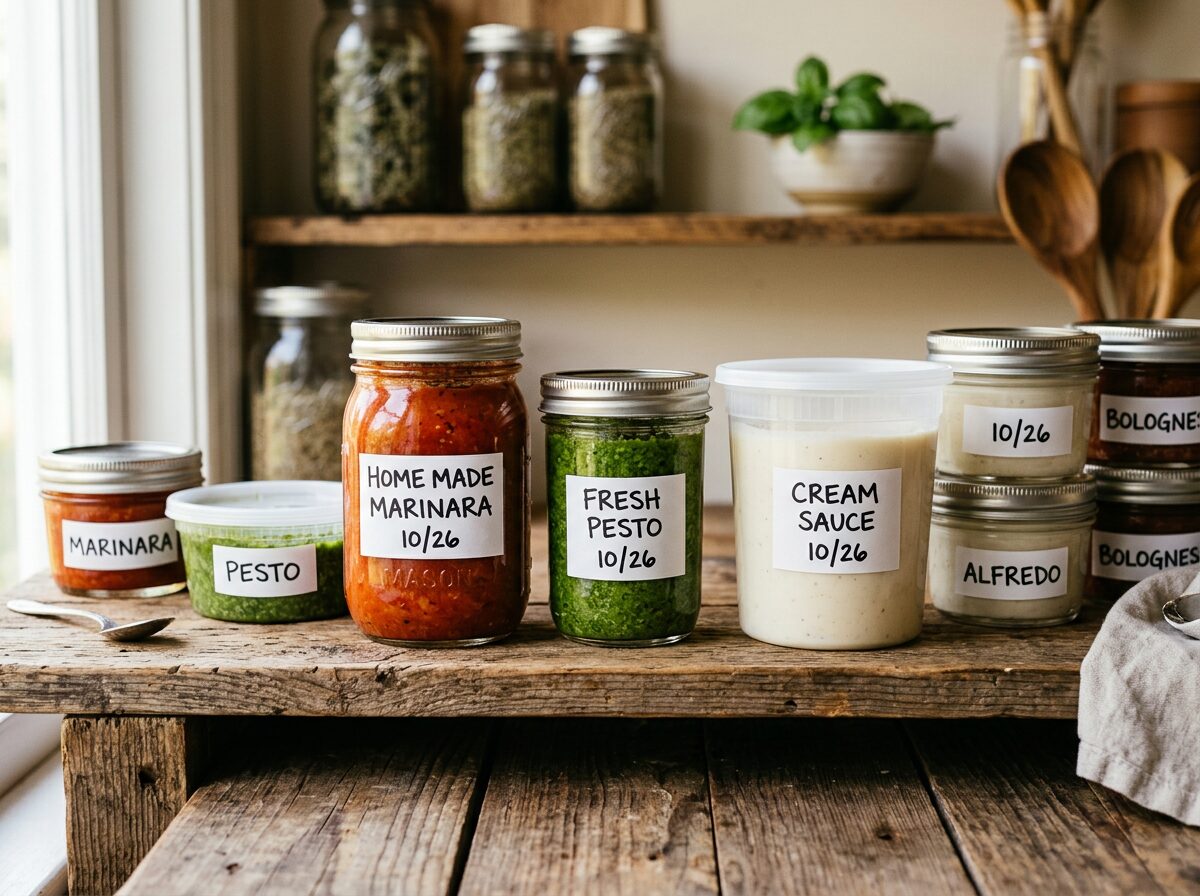
- Label Clearly: Mark containers with sauce name and freeze date. Most sauces are best used within 3 months.
Best Containers and Materials for Freezing Sauces
Choose containers that are airtight, freezer-safe, and sized for your portions. Proper packaging prevents freezer burn and oxidation, both of which degrade flavor and texture.
- Rigid Containers: BPA-free plastic or glass with tight lids. Leave 1–2 cm (½–¾ inch) headspace for expansion.
- Freezer Bags: Thicker, double-sealed zip-top bags work for thin sauces. Squeeze out excess air to prevent ice crystals.
- Ice Cube Trays: For small servings (think Thermomix Creamy Roasted Garlic & Herb Salad Dressing), pour sauce into trays, freeze, then transfer cubes to a bag.
Material Cautions
- Glass: Only use tempered glass jars rated for freezing. Regular glass can shatter from expansion.
- Plastic: Avoid thin, brittle plastics that crack at low temperatures. Reuse food-grade containers where possible.
How to Freeze: Methods, Temperatures, and Timing
For best results, freeze sauces quickly—rapid freezing forms smaller ice crystals, which cause less cell rupture and texture loss. Set your freezer to at least -18°C (0°F) or lower. Avoid overloading the freezer with warm food, which can raise the internal temperature and slow freezing for all contents.
- Spread Out: Place containers or bags flat on a baking sheet so they freeze quickly and stack neatly once solid.
- Freeze in Layers: If using a chest freezer, don’t stack new containers atop each other until fully frozen.
- Time to Freeze: Small portions (ice cube size) freeze in 2–4 hours. Pint-sized (500 ml) containers take 6–8 hours. Large batches may need up to 24 hours.
Thawing and Reheating: Safest Techniques
Thawing sauces correctly preserves safety and texture. Always thaw in the refrigerator at 4°C (40°F) or below—this prevents bacterial growth. For a quick thaw, submerge the sealed container in cold water, changing water every 30 minutes. Avoid thawing at room temperature.
- Microwave Thawing: Use defrost mode in short intervals, stirring frequently to prevent hotspots and uneven thawing.
- Direct Reheat: Many sauces (especially thin, broth-based types) can be reheated directly from frozen over low heat. Stir constantly to avoid scorching.
- Never Refreeze: Once thawed, use within 3–4 days and never refreeze, as this increases risk of spoilage and texture loss.
Preserving Flavor and Texture: Chef’s Tips
Freezing can dull bright flavors and alter mouthfeel. To combat this, consider these technique-driven tips:
- Season Lightly: Salt and acid intensify after freezing. Under-season sauces before freezing and adjust after reheating.
- Hold the Dairy: For cream or cheese-based sauces (like Alfredo), freeze the base without dairy, then whisk in cream or cheese after reheating.
- Emulsions Require Care: For vinaigrettes or aioli, whisk vigorously or blend after thawing to re-emulsify. See How to Make Copycat Polynesian Sauce That Doesn’t Separate or Get Gloopy for more.
- Add Fresh Herbs Later: Herbs blacken and lose potency. Stir in fresh herbs after reheating for best flavor and color.
- Thicken Post-Thaw: Some sauces may thin out after thawing. Simmer to reduce, or add a cornstarch slurry (1 tablespoon cornstarch to 1 tablespoon water per cup of sauce) to regain desired thickness. For more on fixing thin sauces, see Why Your Quick Pan Sauce Turns Out Too Thin - Easy Fixes for Thickness.
Common Freezing Issues and How to Fix Them
- Separation: If a sauce separates, use a stick blender or whisk to re-emulsify. This works well for vinaigrettes, gravies, and some creamy dips.
- Graininess: Dairy-based sauces may feel gritty after thawing. Heat gently and whisk to smooth out texture. Consider adding a splash of milk or cream.
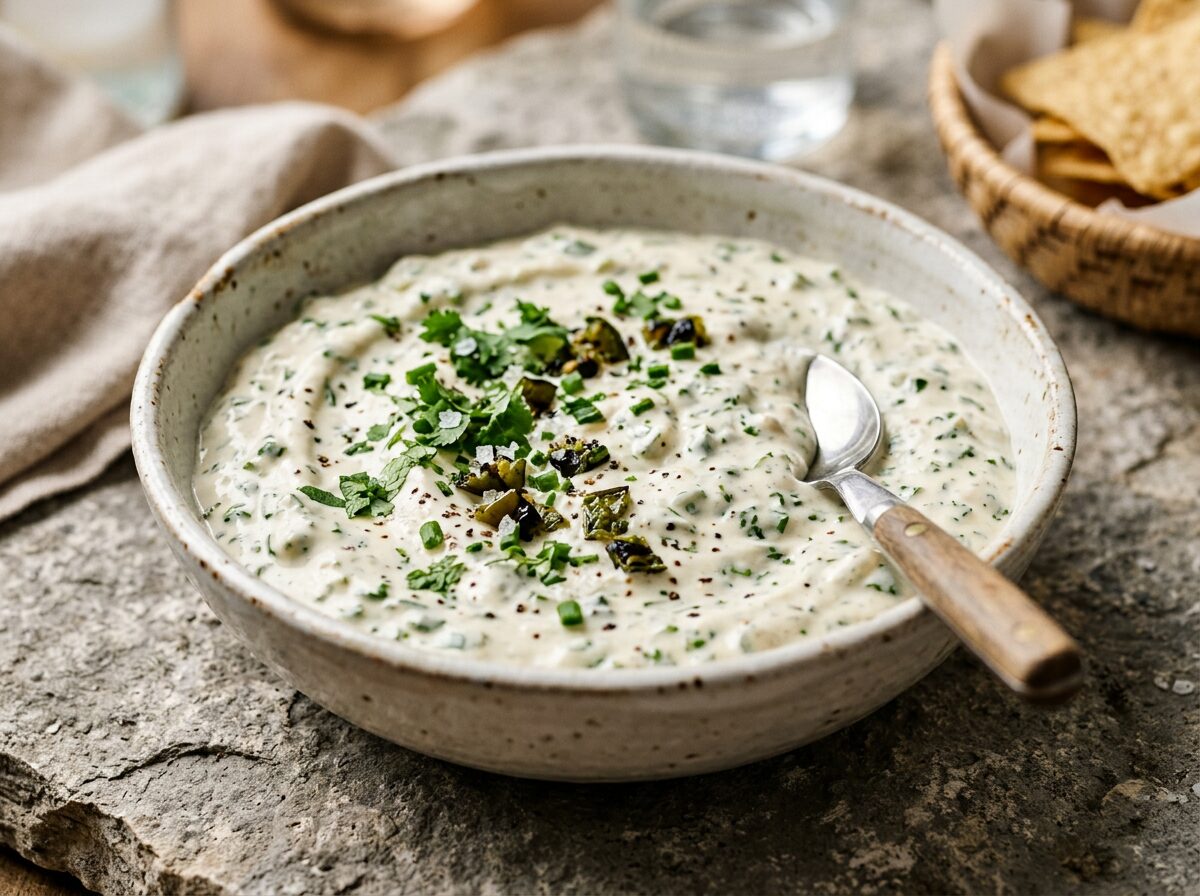
- Watery Texture: Stir well and simmer gently to evaporate excess liquid. For dips like Creamy Roasted Jalapeño Ranch Dip, blend after thawing to restore creaminess.
- Off-Flavors: Prevent freezer burn by using airtight containers and consuming within 3 months. Label sauces clearly to avoid flavor confusion.
Batch Cooking and Portioning: Practical Strategies
Freezing sauces in portions saves time and reduces waste. For instance, freeze BBQ sauces like Homemade Carolina Gold Mustard BBQ Sauce in 1/2-cup (120 ml) portions—ideal for glazing a rack of ribs or grilled chicken. For herby sauces such as Authentic Moroccan Chermoula Sauce, use ice cube trays for single-serve convenience. Always expel as much air as possible from bags to prevent oxidation.
Examples: How Freezing Impacts Popular Sauce Types
BBQ Sauces
Thick, sugar-based BBQ sauces freeze well. High sugar and vinegar content inhibit spoilage. Upon thawing, whisk vigorously to restore smoothness. Try freezing Homemade Spicy Pineapple BBQ Sauce for up to 3 months—its flavor remains robust with minimal changes.
Herb-Based Sauces
Herb sauces like Chermoula or Aji Verde are best frozen in small cubes. While color may dull slightly, flavor is preserved. Add fresh herbs after thawing for brightness.
Creamy Dips and Dressings
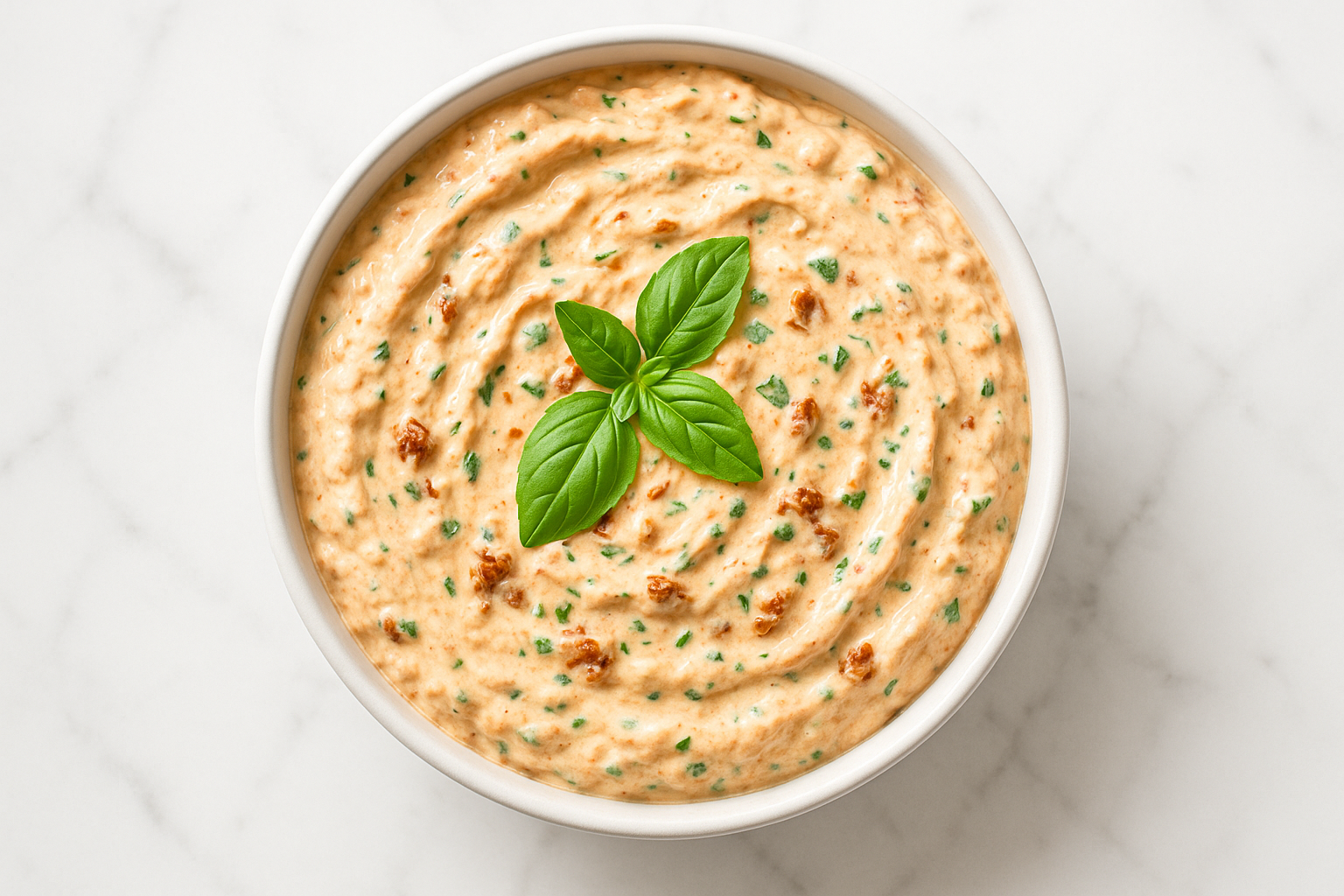
Creamy sauces, including Thermomix Creamy Roasted Garlic & Herb Salad Dressing or Creamy Roasted Red Pepper Feta Dip (Htipiti), can be frozen if made with stabilized bases (cream cheese, sour cream). Stir well after thawing and consider blending for a smooth finish.
Tomato and Salsa Sauces
Tomato sauces and salsas, such as Authentic Mexican Salsa Verde, freeze and thaw reliably. Expect some separation; simply stir or blend to reincorporate. For tips on avoiding bitterness in herb sauces, see Why Your Homemade Chimichurri Sauce Turns Bitter: Common Mistakes and Fixes.
Freezing Sauces: Frequently Asked Questions
How long will frozen sauces last?
Most sauces retain best quality for 2–3 months at -18°C (0°F), though they remain safe indefinitely if kept continuously frozen. After 3 months, flavor and texture slowly degrade.
Can I freeze sauces with meat or seafood?
Yes, but use within 1–2 months for best safety and flavor. Label clearly. For more on pairing sauces with proteins, see Best Sauces for Pork: 12 Pairings for Chops, Tenderloin, and More.
Is it safe to freeze sauces containing alcohol or vinegar?
Alcohol and vinegar lower the freezing point slightly but do not prevent freezing at typical home freezer temperatures. Sauces like wine reductions or vinegar-based BBQs freeze well. For more on building flavor in pan sauces, see Deglazing Techniques: How to Build Deep Flavor in Pan Sauces.
Summary: Mastering Sauce Freezing in Your Kitchen
Freezing sauces is a precise, effective way to preserve flavor, extend shelf life, and streamline meal prep. By choosing the right sauce types, prepping and packaging with care, and thawing safely, you’ll maintain the quality of homemade creations like dressings, BBQ sauces, herb sauces, and creamy dips. For further reading, explore the comprehensive guide How to Freeze Sauces for Maximum Freshness: Methods, Tips, and Mistakes to Avoid for deep-dive tips and troubleshooting.
TAGS
Try These Recipes
Related Articles
Freezing Sauces 101: Best Sauces to Freeze and How to Thaw Them Safely
Discover which sauces freeze well, step-by-step freezing methods, and how to safely thaw for best flavor and texture. Preserve your homemade sauces longer.
Freezing Sauces 101: Best Methods to Preserve Flavor, Texture, and Quality
Learn how to freeze sauces the right way. Discover tips on storage, thawing, and which sauces freeze best to keep flavors fresh and textures perfect.
How to Freeze Sauces for Maximum Freshness: Methods, Tips, and Mistakes to Avoid
Learn the best techniques to freeze sauces, dressings, and dips. Discover which sauces freeze well, storage tips, and how to thaw for best results.
Freezing Sauces 101: Best Methods for Preserving Flavor and Texture
Learn how to freeze sauces the right way—tips for creamy, tomato, and herb sauces plus thawing tricks to maintain taste and texture.