How to Make Copycat Polynesian Sauce That Doesn’t Separate or Get Gloopy
Learn how to make homemade copycat Polynesian sauce that stays smooth and creamy, with easy fixes for separation or gloopy texture. Step-by-step guide.

Written by FoodieManiac
With over 8 years of sauce-making experience, I've tested hundreds of techniques and products to bring you practical, reliable advice. Learn more about me →
What Makes Polynesian Sauce Tricky at Home?
Let’s talk honestly. If you’ve ever tried making a copycat Polynesian sauce at home, you probably noticed it’s not as foolproof as it looks. I’ve had batches turn out perfect - smooth, glossy, perfectly dip-able. And I’ve had more than a few that split into sad, oily puddles or turned into something closer to jelly than sauce. It almost made me give up.
The main culprits? Sugar, vinegar, and a little thing called emulsion. The real-deal fast food version is engineered to be shelf-stable and never separates. At home, you’re fighting gravity, time, and bad luck. But after dozens of tries, I’ve landed on a method that doesn’t separate or get weirdly gunky. And you don’t need anything fancy, just a few real-world tricks.
Ingredients: What Actually Matters (And What Doesn’t)
You don’t need to drop $10 on fancy ketchup or hunt down obscure vinegars. Store-brand and basic pantry stuff is fine. But here’s where you do want to pay attention:
- Ketchup: Any standard ketchup will do. Don’t go sugar-free here - it throws off the texture and sweetness. I learned this the hard way after a “healthier” batch that tasted like tomato paste soup.
- Apple cider vinegar: White vinegar is too harsh. Apple cider vinegar gives that tangy depth without burning your tongue. I tried rice vinegar once - not the same vibe.
- Corn syrup or honey: This is what keeps the sauce silky. Corn syrup is classic, but honey works if you want a touch of floral note. Don’t use maple syrup. Trust me.
- Soy sauce: Just a splash. It adds that savory punch. If you’re curious about swapping soy for Worcestershire, read this guide.
- Mustard powder: Not classic, but a pinch helps stabilize the emulsion and gives a subtle complexity. Skip it if you don’t have it, but I swear by it now.
- Cornstarch: This is the secret to no separation. But use just enough - more is not better, or you’ll get cement.
Step-by-Step: My Actual Home Kitchen Process
Here’s how I make it, with all the little things that make or break the batch. No food processors, no blenders, just a whisk and a saucepan.
1. Mix the Base (Don’t Rush This)
In a small bowl, whisk together:
- 3/4 cup ketchup
- 1/2 cup apple cider vinegar
- 1/3 cup light corn syrup (or honey)
- 2 tablespoons sugar
- 2 teaspoons soy sauce
- 1/2 teaspoon mustard powder (optional)
Make sure the sugar dissolves before you heat anything. I once dumped everything in a pan and ended up scraping crystallized sugar off the bottom for days.
2. Cornstarch Slurry: The Not-So-Secret Weapon
In a separate cup, whisk together:
- 2 teaspoons cornstarch
- 2 tablespoons cold water
Don’t just sprinkle cornstarch straight in. It will clump instantly and you’ll spend forever smashing out lumps (ask me how I know). Set this aside for now.
3. Gently Heat the Mixture
Pour your ketchup mixture into a small saucepan. Set over medium-low heat. Don’t walk away. Stir with a spatula or whisk constantly. You want it just steaming, not boiling. If you see bubbles, turn the heat down. The first time I cranked the heat to speed things up, the sauce split and I had to start over. Slow is smooth.
4. Add the Slurry and Whisk Like You Mean It
Once the sauce is hot but not boiling, give your cornstarch slurry a quick stir (it settles fast) and pour it in while whisking. Keep whisking for 2-3 minutes as the sauce thickens. You’ll see it go from runny to glossy and clingy. Don’t overdo it or it’ll get gloopy. If it turns to jelly, add a teaspoon of water and whisk hard to loosen it up.
5. Cool Down the Right Way
Take the pan off the heat. Keep whisking as it cools for a minute. This helps prevent a skin from forming. I don’t bother with ice baths - just patience and stirring is enough. Taste and adjust: If it’s too tangy, add 1/2 teaspoon sugar. Too sweet? A splash more vinegar. Remember, you can always add but you can’t take out.
6. Store (and Rescue) Like a Pro
Pour into a clean jar or squeeze bottle. Let cool completely before you refrigerate. If you see any separation after a night in the fridge, shake it hard or whisk it again - it usually comes right back together. For longer storage tips, check out this freezing and preserving guide.
Why Does Homemade Polynesian Sauce Separate or Get Gloopy?
This sauce is basically a sweet-and-sour emulsion. The sugar and vinegar want to stay apart, and the cornstarch has to hold them together. Too little thickener - it splits. Too much - it sets up like jam. Also, boiling is the enemy. The sauce needs to come up to just below simmering, or it’ll break.
If your sauce gets weird in the fridge, you’re not alone. There’s a whole science to why homemade sauces sometimes get watery or thick after chilling - I wrote about it here: Why Your Sauce Gets Too Thick as It Cools and Why Your Homemade Sauce Turns Watery in the Fridge. Both have a ton of fixes that work for Polynesian sauce too.
Tested Tips
- The low-and-slow rule: Never crank the heat. If you see bubbles, turn it down. I ruined three batches by rushing - the sauce split and turned oily. It’s better to spend an extra five minutes than start over.
- Slurry first, always: Mix cornstarch with cold water before adding. I skipped this step once and ended up with cornstarch dumplings floating in my sauce. If you get lumps, strain the sauce through a fine mesh sieve while it's still hot.
- Whisk after chilling: If your sauce thickens or separates in the fridge, just whisk or shake it hard. It almost always comes back together unless you over-thickened it in the first place.
- Glass jars over plastic: For storage, use glass jars. I kept mine in plastic once and the sauce picked up fridge odors in three days. Glass keeps flavors pure.
- Taste after cooling: Flavors mellow as it cools. If you adjust the sugar or vinegar while it’s hot, you might overdo it. Wait until it’s at least warm before final tweaks.
- Make it your own: A pinch of garlic powder or smoked paprika isn’t classic, but it’s delicious. I sometimes add a dash for grilled chicken nights. If you want a spicy twist, check out my Homemade Spicy Mango Habanero BBQ Sauce for inspiration.
What To Serve Polynesian Sauce With?
This sauce isn’t just for nuggets (though that’s where I use most of it, honestly). It’s killer as a glaze for grilled chicken, a dip for sweet potato fries, or even brushed on salmon before broiling. Try drizzling it over crispy tofu - and if you want more ideas, here’s my guide to pairing sauces with grilled tofu.
If you love a sweet-and-tangy sauce, you’ll probably be into my Homemade Spicy Pineapple BBQ Sauce or the classic Homemade Carolina Gold Mustard BBQ Sauce. And for creamy, spicy dips to round out your party table, don’t miss the Creamy Roasted Jalapeño Ranch Dip.
Common Problems (And How I Fix Them)
- Too thin: Simmer for another minute or two, whisking. Don’t just dump in more cornstarch or you’ll get goop. If you need to add more, dissolve 1/2 teaspoon cornstarch in 1 tablespoon cold water first.
- Too thick/gloopy: Whisk in a teaspoon or two of hot water, a little at a time, off the heat. If it’s still jelly-like, next time use less cornstarch.
- Sour or harsh: Add 1/2 teaspoon sugar, whisk to dissolve, then taste. You can’t un-sour it, so go slow here.
- Separated/oily: Let cool, then whisk vigorously or shake in a tightly lidded jar. If it’s still split, you may have overheated it. See the quick pan sauce fixes guide for more rescue tips.
Can You Freeze Polynesian Sauce?
Yes, but do it right. Pour cooled sauce into small glass jars or silicone molds, leaving a little room at the top for expansion. Thaw overnight in the fridge and whisk before serving. For best freezing practices, check this guide on freezing sauces. The cornstarch can make thawed sauce a little looser, but a quick stir fixes it.
Want to Tweak the Flavor?
This is where you can get playful. Try subbing in a little pineapple juice for some of the vinegar for a tropical twist. Or swap the ketchup for chili sauce if you want a hit of spice - or just add a dash of sriracha. I’ve even stirred in a spoonful of Creamy Sriracha Mayo for a spicy, creamy dip.
If you want to see how other copycat sauces get their signature flavor, check out my Copycat Big Mac Sauce Recipe or the Copycat Shake Shack Sauce for inspiration on balancing sweet, tangy, and savory.
Final Thoughts (No Perfection Required)
Here’s the truth: even after hundreds of sauces, sometimes I still end up with a less-than-perfect batch. That’s normal. This copycat Polynesian sauce is forgiving if you go slow and tweak as you go. Don’t stress about “authenticity” - make it taste good to you. And if you want to compare with my original Copycat Chick-fil-A Polynesian Sauce Recipe, I’ve got that too. Happy dunking!
TAGS
Try These Recipes
Related Articles
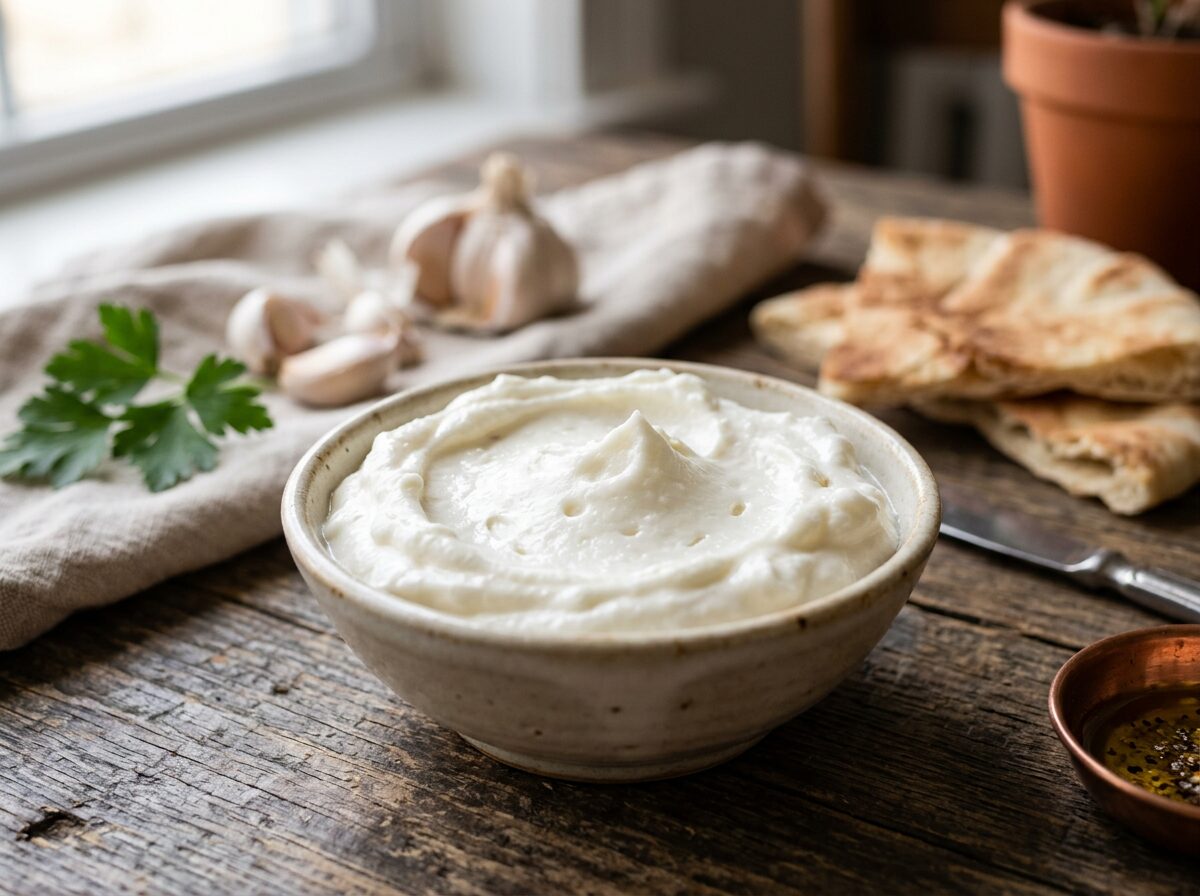
How to Make Toum: Lebanon’s Creamy Garlic Sauce for Grilled Meats
Learn to make authentic Lebanese toum sauce at home. This fluffy garlic condiment is perfect for grilled meats, shawarma, and roasted veggies.
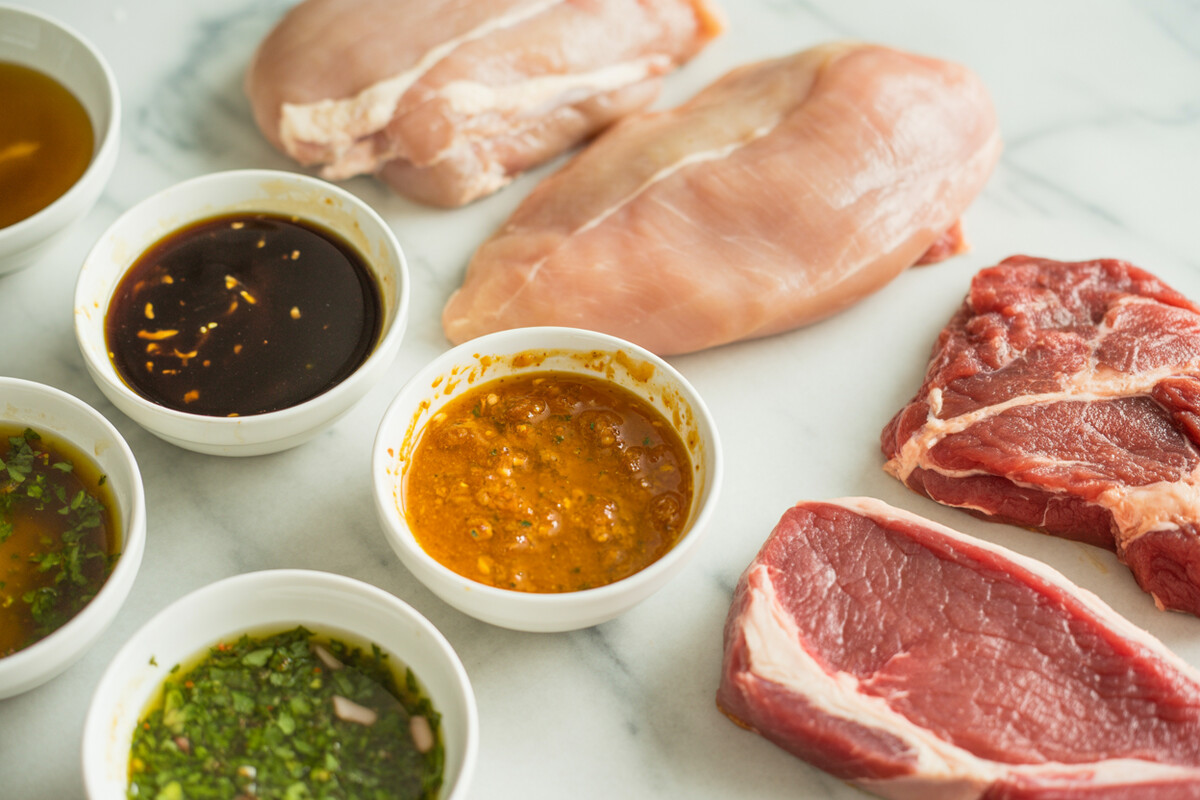
10-Minute Marinades: Quick Sauces to Instantly Upgrade Any Protein
Discover fast, flavor-packed marinades you can whip up in 10 minutes to transform chicken, beef, fish, or tofu. Easy recipes, bold results!
Tahini Sauce vs. Hummus: Differences, Uses, and When to Choose Each
Compare tahini sauce and hummus: key ingredients, texture, flavor, and best uses. Learn when to use each Middle Eastern classic in your cooking.
Best Sauces for Grilled Vegetables: 10 Pairings That Add Bold Flavor
Discover 10 delicious sauces that perfectly complement grilled vegetables. Elevate your summer grilling with these easy, flavor-packed pairings and recipes.