Why Your Sauce Gets Too Thick as It Cools - Causes and How to Fix It
Does your sauce turn gluey or stiff after cooking? Learn why sauces thicken as they cool and get easy ways to fix and prevent this common kitchen problem.

Written by FoodieManiac
With over 8 years of sauce-making experience, I've tested hundreds of techniques and products to bring you practical, reliable advice. Learn more about me →
Why Does My Sauce Get So Thick as It Cools? (And Why Does It Always Surprise Me?)
I wish I could say I learned this lesson quickly, but honestly, it took me years - and too many pots of gluey Alfredo - to understand why sauces always seem perfect when they’re hot, but then turn into wallpaper paste once they hit the plate. If you’ve ever poured out a silky gravy, only to find it stiff and gloopy by dinner time, I’ve been there. Let’s dig into the science (don’t worry, I’ll keep it friendly), the real-world causes, and - most important - what you can actually do the next time your sauce is threatening to become a brick as it cools.
What Actually Happens When Sauces Cool?
When a sauce cools, all sorts of stuff happens. Starches (like flour or cornstarch) firm up. Fats (think butter, cream, cheese) start to solidify. Sometimes proteins tighten. The result: what looked pourable in the pan can turn into a sad, thick lump on your plate. This isn’t just “it lost heat.” The texture really does change. The first time I made a hot cheesy dip for friends, it went from dreamy to scoop-with-a-knife in about five minutes. Embarrassing, but totally normal.
Starch: The Main Culprit
Most sauces that thicken too much are thickened with starch (flour, cornstarch, arrowroot, potato starch, etc). When you heat a starch in liquid, the granules absorb water and swell up - that’s what thickens things. But here’s the kicker: as it cools, those granules keep holding onto water and sometimes even stick together, making the whole thing thicker and less fluid.
Fat and Protein: The Sneaky Sidekicks
If you’re making a cheese sauce or a cream-based dip, the fat content is a big player. Butter, cheese, and cream all set up as they cool. (Ever notice how leftover mac and cheese comes out of the fridge in one solid block?) Proteins can also tighten up, especially in egg-based sauces like Hollandaise. Sometimes the sauce just tightens a bit - sometimes it separates or turns grainy if you’re unlucky (been there, too many times).
The Most Common Sauces That Get Too Thick
- Cheese sauces (for pasta, nachos, or veg)
- Gravies (especially those thickened with flour or cornstarch)
- Cream sauces (think Alfredo, or anything labeled “creamy”)
- BBQ sauces (lots of sugar, thickening agents, and sometimes even a little gelatin from meat juices)
- Custard-style or egg-based sauces (like Hollandaise, or even the base for a warm feta dip)
Even some vinaigrettes and emulsified sauces (like Caesar or Big Mac Sauce) can thicken in the fridge - but that’s a bit different. If you want to geek out about that, read Why Do My Homemade Sauces Separate in the Fridge?.
What Causes a Sauce to Thicken Too Much as It Cools?
1. Too Much Thickener
This is the classic. You want your sauce glossy and rich, so you add a little more flour or cornstarch “just in case.” (Guilty. I used to do this with every gravy.) The thing is, sauces always thicken a bit while they stand. If you make it “perfect” in the pan, it’ll be too thick once it cools down even a little.
2. Over-Reducing
Reduction is awesome for flavor, but if you let a sauce bubble away too long, too much water evaporates. The sauce looks velvety at a simmer, but once it cools off the heat, there’s not enough liquid left to keep it loose. This is especially brutal for pan sauces. If yours always turns out too thick, check out this guide on fixing pan sauces - it’s saved my dinner more than once.
3. High Starch Content (Potato, Arrowroot, Cornstarch)
Different starches act differently. Cornstarch and arrowroot in particular can make sauces look clear and glossy, but once they cool, things can get almost jelly-like. Potato starch is even more prone to turning gluey. If your sauce is thickening up way too much in the fridge, check which starch you’re using - sometimes swapping it out helps.
4. Sugar or Syrup
Sugar thickens as it cools (think caramel or maple syrup). If you’re making something like a spicy maple glaze or BBQ sauce, it’ll flow easily when hot but get sticky or even crystallize at room temp. Learned this the hard way with homemade BBQ sauce - it was amazing hot, but turned into candy after an hour on the table.
How to Fix a Sauce That’s Too Thick (Even After It’s Cooled)
The Quick Fix: Add Liquid
Most of the time, you can rescue an over-thick sauce by whisking in a bit of liquid. Water is totally fine, especially for gravies and pan sauces. Stock or milk works if you have it and want extra flavor. Start with a tablespoon at a time, whisk hard, and keep going until it’s the texture you want. Just don’t dump in a whole cup at once - you’ll end up with soup.
Reheat It Gently
Some sauces (especially those with fat or cheese) loosen up just by reheating. But be careful. Don’t boil cream or cheese sauces or they'll split. Use low heat and stir a lot. If it’s still too thick, add a splash of liquid as above.
For Emulsified or Mayo-Based Sauces
These can thicken in the fridge simply because the fat firms up. Let them sit at room temp for 10-15 minutes, then stir. If it’s still too thick, whisk in a little water, lemon juice, or vinegar. This trick works great for stuff like spicy mayo or toum.
If It’s Gone Gluey or Gummy
This is the toughest. If your sauce is full-on glue, it probably has too much starch or gelatin. Try whisking in some hot liquid bit by bit. If it’s still weird, sometimes a squeeze of lemon or splash of vinegar helps break things up. But honestly - sometimes you just have to start over. We’ve all been there.
Tested Tips
- Plan for Cooling: When thickening a sauce, stop when it’s just a bit thinner than you want. I learned this after way too many Thanksgiving gravies that looked right in the pot, but needed a knife to serve. As it cools, it’ll thicken up to just right. (If you overshoot, see above for the “add liquid” rescue!)
- The starch swap: If your sauces always get gummy, try using flour instead of cornstarch, or cornstarch instead of flour. They set up differently. For glossy Asian sauces (like in Chuy’s creamy jalapeño cilantro dip), a little cornstarch is good. For gravies, flour is usually safer.
- The lid trick: If you need to keep a sauce warm but don’t want it to thicken more, cover it with a lid (or even plastic wrap pressed right on the surface for creamy sauces). This keeps moisture in, so less evaporates and the sauce doesn’t reduce any further. I made sauces too thick for years before someone told me this.
- Don’t skip the reheat: I used to think sauces were ruined if they thickened in the fridge. Most just need a gentle reheat with a splash of liquid. Go low and slow, and whisk like you mean it.
- Salt after fixing: If you thin a sauce with water or stock, taste it before serving. You’ve just diluted the flavor. Add a pinch of salt at a time and taste - I start with 1/4 teaspoon, stir, and go from there. You can always add, but you can’t un-salt a sauce once it’s gone too far. (Ask me about the time I ruined a whole pot of Carolina Gold BBQ sauce...)
How to Prevent Over-Thickening Next Time
Watch for the “Coat the Spoon” Test
The classic way to judge thickness is to dip a spoon in your sauce, then run your finger down the back. If the line holds, you’re done. If you wait for “thick and glossy” in the pan, it’ll be too thick when cool. Pull it off the heat just before it hits where you want it.
Know Your Starches
Flour stays a bit looser, cornstarch sets up firmer, arrowroot goes glossy but can turn gummy, and potato starch is gluey if you overdo it. If you’re experimenting (like in a homemade batch of Polynesian sauce), start with half the thickener the recipe calls for. You can always add more, but you can’t take it out.
Don’t Over-Reduce at the End
If you need a sauce to sit for a bit before serving (think holiday dinners), pull it off the heat while it’s still a little thin. It’ll thicken as it stands and as it cools. I do this every time I make chermoula or aji verde for grilled meats - they tighten up fast once you stop stirring.
Skip the Fancy Stock (Sometimes)
Store-bought stock is fine for most sauces, especially if you’re going to season and reduce it anyway. Save your homemade stock for soups or risottos where it’s the star. Don’t feel guilty about shortcuts - your sanity matters more than perfection.
Real-Life Examples: When Too-Thick Sauce Caught Me
The first time I made a homemade copycat Big Mac Sauce, I followed the recipe to the letter, then popped it in the fridge. By the time burgers hit the table, it was so thick I could sculpt it. Now I know to let it sit at room temp for a bit, and if it’s still too stiff, I stir in a teaspoon of pickle juice or water to loosen it up.
I’ve also ruined a gorgeous pan sauce for steak by letting it reduce while I finished the veg. By the time everything was ready, the sauce was a salty, concentrated blob. Now I keep a mug of hot water next to the stove to thin it as needed, and I always pull it a little early.
Bonus: How to Serve Sauces So They Stay the Right Texture
- Serve hot sauces in a warmed gravy boat or bowl. If you pour a hot sauce into a cold dish, it’ll seize up fast. I stick my serving bowl in a 200°F oven while the sauce finishes.
- For dips or spreads, let them sit out a bit before serving. Sauces like Chuy’s creamy jalapeño cilantro dip or roasted beetroot & horseradish dip need 10-15 minutes to soften from fridge chill.
- If you batch-make sauces, store looser than you want. They’ll always thicken in the fridge. Thin with a splash of water or vinegar before storing if you know you’ll reheat or serve later.
Want to Go Deeper? Check These Guides
- How to Deglaze and Build Pan Sauces: Step-by-Step Technique Guide - for perfect restaurant-style sauces every time
- Why Your Homemade Gravy Turns Lumpy: Common Causes and Easy Fixes - because lumps and thick blobs often go hand in hand
Making sauce that stays perfect isn’t just about following a recipe - it’s about knowing what’s going on in the pot. With a little practice, you’ll stop fearing the moment your sauce leaves the stove and start serving up silky, pourable goodness every time. And if it goes wrong? That’s what bread is for - to mop up the evidence. Happy saucing!
TAGS
Related Articles
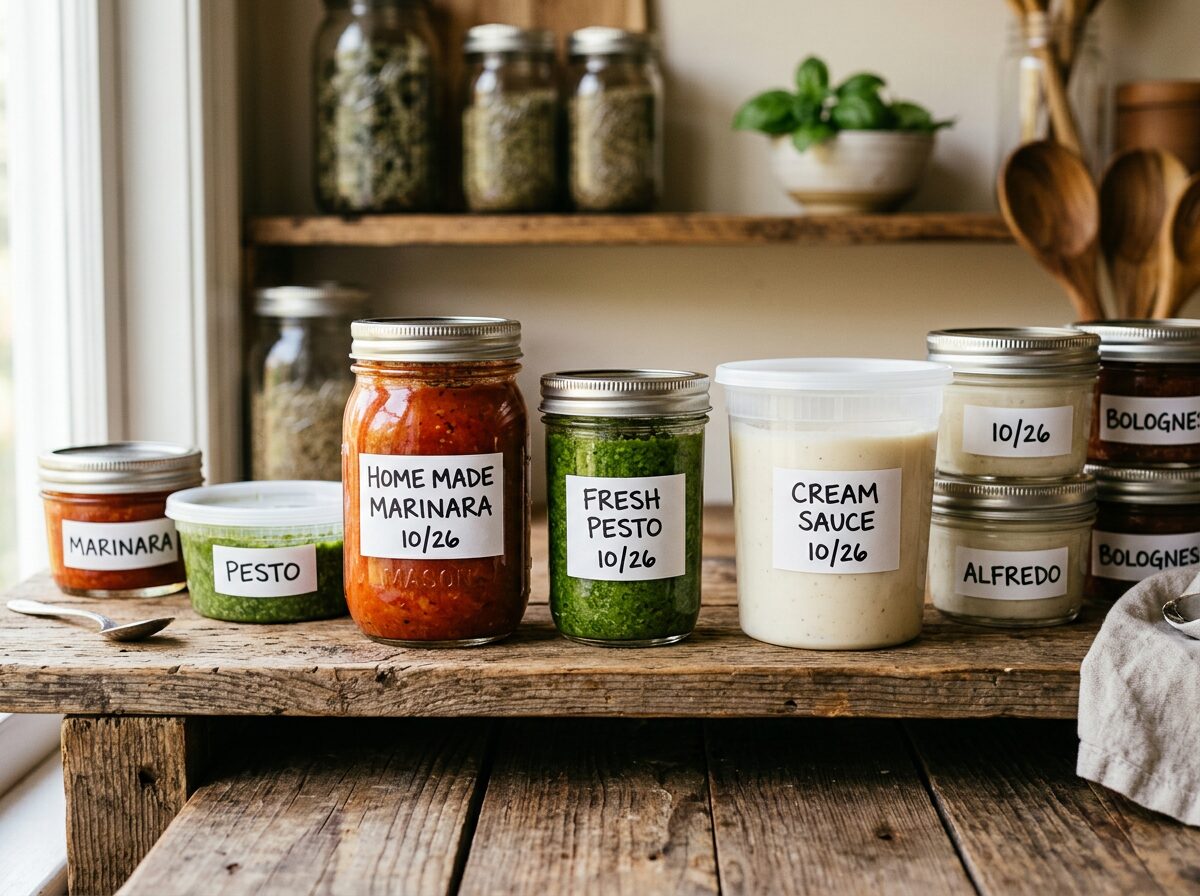
Freezing Sauces 101: Best Methods to Preserve Flavor, Texture, and Quality
Learn how to freeze sauces the right way. Discover tips on storage, thawing, and which sauces freeze best to keep flavors fresh and textures perfect.
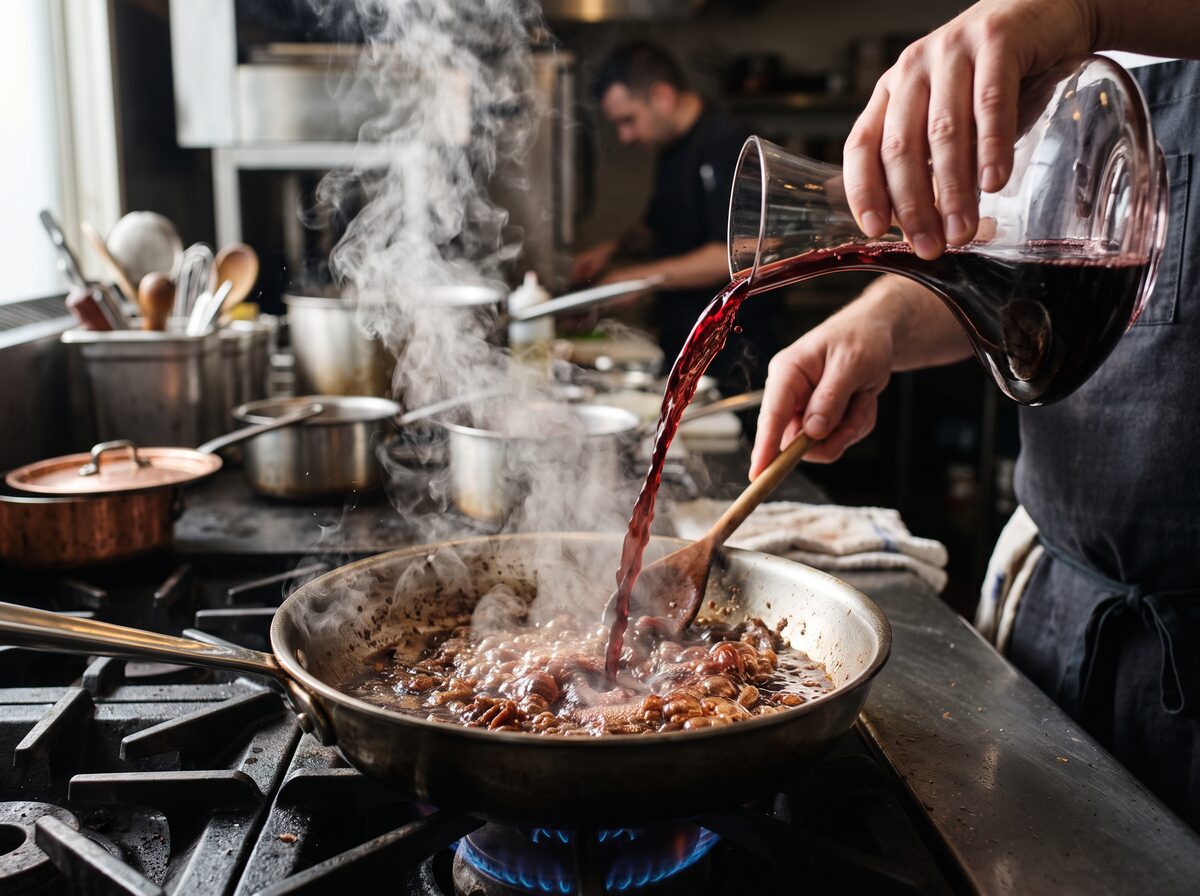
How to Deglaze Like a Pro: Unlocking Deep Flavor for Restaurant-Quality Sauces
Master deglazing to build rich, complex sauces at home. Step-by-step techniques, liquid choices, and chef tips for pro-level flavor every time.
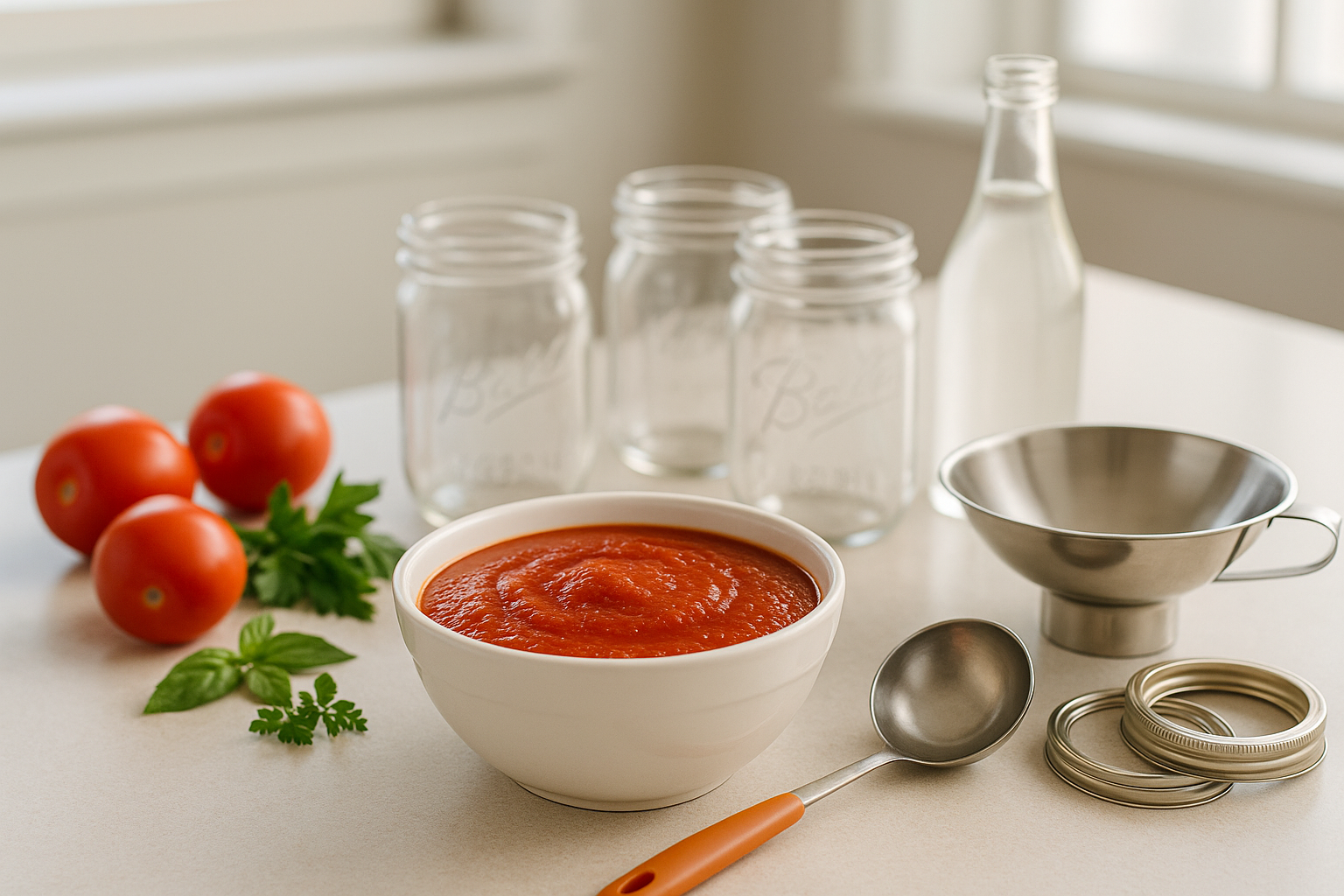
How to Can Sauces Safely at Home: Step-by-Step Guide for Beginners
Learn how to can homemade sauces safely with this beginner-friendly guide. Preserve tomato, BBQ, and more for months of fresh, flavorful meals.
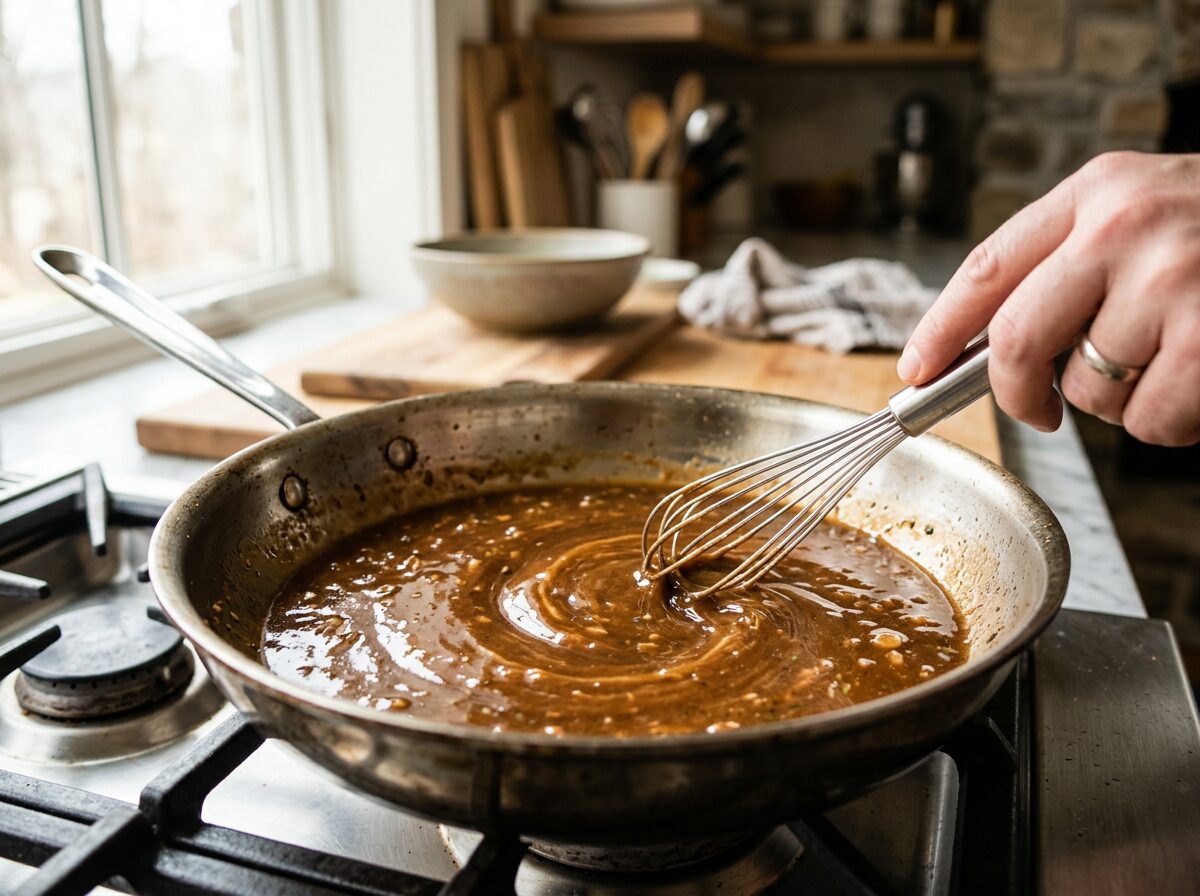
Why Your Pan Sauce Turns Out Greasy - Quick Fixes for Silky Results
Tired of greasy, separated pan sauces? Learn quick tricks to fix and prevent oily sauces for smooth, restaurant-quality results at home every time.