Why Your Homemade Sauce Turns Watery in the Fridge - Causes and Fixes
Discover why sauces like pesto or salsa go watery after chilling, what’s happening, and step-by-step fixes to keep your homemade sauces thick and fresh.

Written by FoodieManiac
With over 8 years of sauce-making experience, I've tested hundreds of techniques and products to bring you practical, reliable advice. Learn more about me →
Why Does Homemade Sauce Get Watery in the Fridge?
If you’re anything like me, you’ve opened your fridge, reached for last night’s leftover sauce, and found what looks like a puddle on top. I’ve had creamy ranches go runny, BBQ sauce slide off a spoon, and even sturdy chermoula separate into layers. It’s honestly one of the most annoying kitchen mysteries - and yes, I’ve gotten mad at myself for it way more than I should admit. So, why does this happen? And is it your fault? (Sometimes. But not always!) Let’s get into what’s actually going on in that cold, cold fridge of yours - and how to fix it, without losing your mind or tossing perfectly good sauce.
The Science: What Actually Happens to Sauce in the Fridge
How Cold Messes With Your Sauce
When you put a sauce in the fridge, you’re slowing down bacteria and keeping it safe, but you’re also messing with how ingredients behave. Oils and fats solidify, starches can seize up or release water, and proteins (like in dairy or eggs) sometimes clump or separate. It’s like everything is fighting to get away from each other. I’ve had a gorgeous Creamy Roasted Jalapeño Ranch Dip turn into a watery mess overnight because the dairy and herbs just didn’t want to hang out anymore.
Why Water Pools on Top (or the Bottom)
Most homemade sauces aren’t loaded with stabilizers like store-bought ones. That means water naturally separates out from solids and fats over time. This is especially true for sauces with fresh veggies (like salsa verde or chermoula), yogurt, or eggs. Even thick BBQ sauces like my Homemade Spicy Pineapple BBQ Sauce will sometimes sweat out liquid if you leave them in the fridge a day or two.
Common Causes of Watery Sauce in the Fridge
1. Water-Rich Ingredients Letting Go
This is the big one. Fresh herbs, cucumbers, tomatoes, and even onions are full of water. When they’re blended or chopped for a sauce, their cell walls break down. In the cold, that water seeps out - so your Authentic Moroccan Chermoula or Salsa Verde is basically destined to get watery unless you take some extra steps.
2. Emulsions Breaking Down
Mayonnaise-based sauces, creamy dressings, and anything with oil and water mixed together (think Polynesian Sauce or Caesar dressing) can split in the fridge. The cold thickens the oil and shrinks the water, so they push apart. The first time I made homemade ranch, it separated in the fridge and I thought I’d ruined it forever. Turns out, it’s normal - but it’s fixable!
3. Starches and Thickeners Failing You
If you use flour, cornstarch, or even potato to thicken a sauce, they can stop holding water when chilled. I’ve made pan sauces that were silky hot, then turned into a thin puddle with a thick skin after a night in the fridge. (And if you want to know why sauces sometimes go the opposite way and get too thick, check out this guide on thickening issues.)
4. Acidic Ingredients Drawing Out Water
Lemon juice, vinegar, or anything acidic can pull water out of vegetables and dairy. Ever noticed how your chimichurri or vinaigrette gets a watery ring after a while? That’s the acid doing its thing. I learned this the hard way with a batch of chimichurri - it looked gorgeous when fresh, but after a day, it was half oil, half green water.
How to Fix Watery Sauce (Without Ruining It)
Stirring and Shaking: The Everyday Fix
Honestly, sometimes all you need is a good spoon or a quick shake. A ton of sauces can be rescued just by remixing. Don’t be shy - I literally just shake the container before serving, especially with dressings or anything oil-based. If it’s something like Copycat Big Mac Sauce, just stir well. If it’s a dip, give it a little whisk to bring it back together.
Reduce Before Storing (Or After)
If your sauce was a little loose before it went in the fridge, it’ll be a lot looser after. I usually simmer sauces for an extra 5 minutes to evaporate more water, especially with tomato or vinegar-based sauces. For something like Carolina Gold BBQ Sauce, let it bubble gently (low heat, uncovered) until it’s as thick as you want. If you forgot, you can always reheat and reduce it after pulling it out of the fridge - just watch closely and stir a lot.
Strain Out Extra Water
Some sauces (like yogurt-based dips or toum) will always weep a little bit. It’s not a tragedy. I’ve just poured off the extra water, then stirred the rest. For salsas or chermoula, you can use a fine mesh strainer - just don’t press too hard or you’ll lose all the good stuff.
Add a Little Binder
If you know your sauce is prone to separating, a tiny bit of Dijon mustard, mayo, or even a pinch of xanthan gum (if you have it) can help keep things together. Don’t overdo it - start with 1/2 teaspoon and see how it feels. I learned this with vinaigrettes: a little mustard keeps oil and vinegar from going their separate ways overnight.
Tested Tips
- The paper towel trick: If you’re storing a yogurt or veggie-heavy sauce (like tzatziki or chermoula), press a piece of paper towel directly on the surface before sealing. This soaks up extra water that leaks out. Just toss the towel when you’re ready to serve. If you forget, you’ll get a watery top layer, but you can pour it off and stir.
- Store in smaller containers: The less air in the container, the slower the separation. I used to keep all my sauce in one big tub and it separated like crazy. Now I split leftovers into small jars - less mess, less water on top. If you skip this, just plan to stir more often.
- Add the acid later: If you’re prepping a sauce for later (especially ones with lots of fresh herbs or veggies), hold off on lemon juice or vinegar until right before serving. I always make my chermoula base, then stir in the acid at the last minute for the best texture. If you forgot, it’s not the end of the world - just expect a bit more water.
- Don’t skip the blender: For oil-based sauces, blend them thoroughly. I was lazy with chimichurri one time and just hand-mixed - it separated like crazy. A blender or immersion blender helps emulsify and keeps everything together longer. If your sauce still splits, blend it again before serving.
- Chill, then stir before serving: Some sauces thicken as they chill, but water might still leak out. Always stir before serving. I’ve ruined a few dinner parties by serving un-stirred sauces that looked sad and watery. One quick stir makes a world of difference.
- If in doubt, freeze it: Some sauces just don’t hold up in the fridge (looking at you, fresh salsa). If you know you won’t eat it soon, freeze it in small batches. Thaw overnight in the fridge, then stir. Not every sauce loves freezing (cream-based ones can get weird), but it’s way better than tossing leftovers. For more on this, check out my freezing guide.
When Is Watery Sauce a Problem (And When Is It Fine)?
Not all watery sauces are a disaster. Some, like simple vinaigrettes or salsas, will always settle a bit and that’s normal. If the flavor is still good and you can stir it back together, you’re fine. If it smells off or tastes sour (not in the good way), that’s a whole other issue - check out why sauces go bad in the fridge for help.
Real Life: Sauce Types and Their Water Problems
Creamy Dips & Dressings
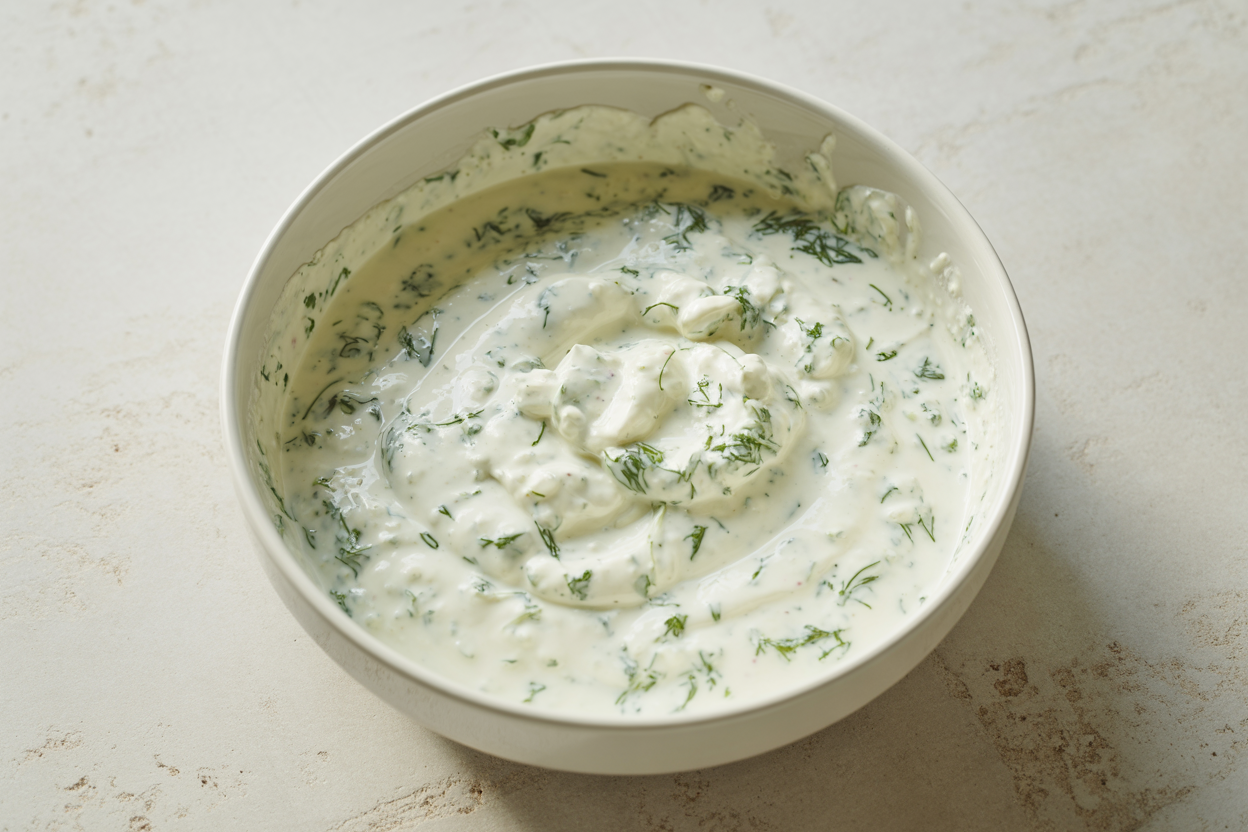
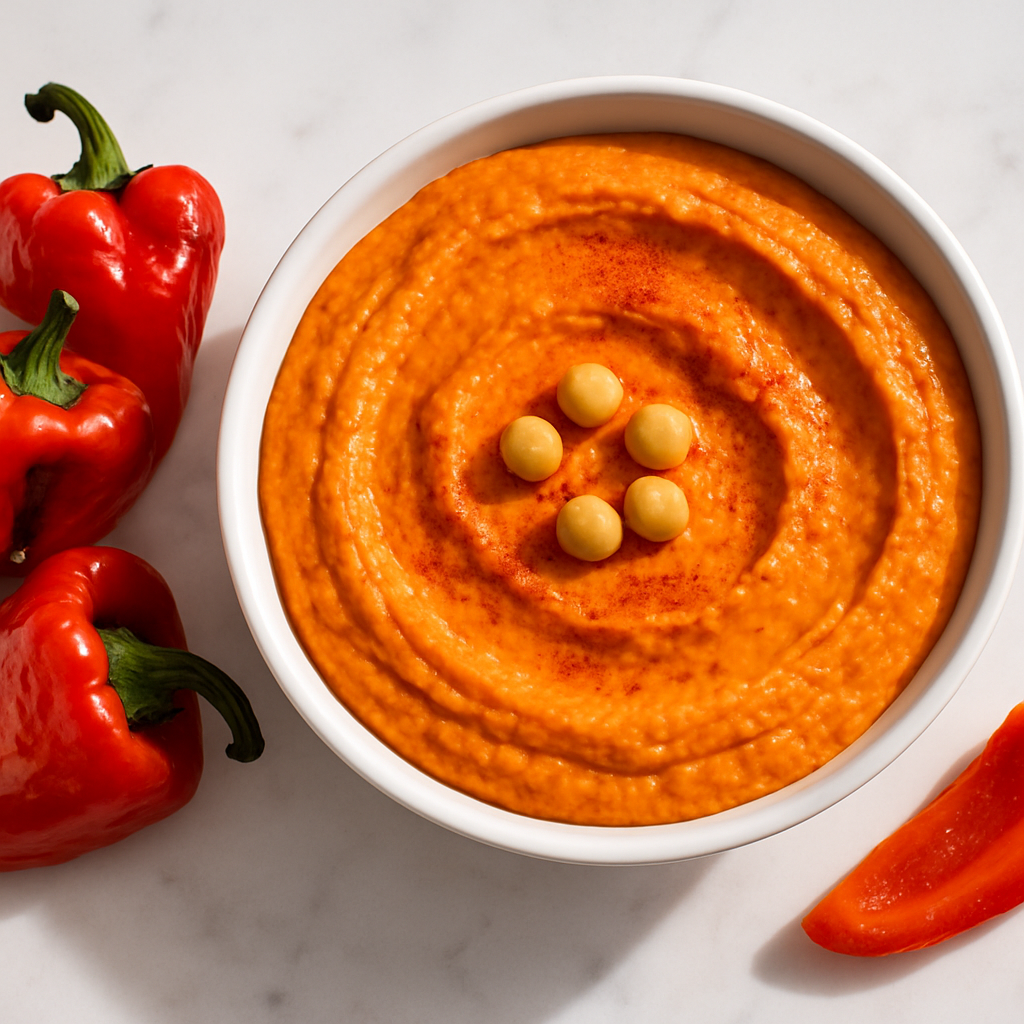
Anything with mayo, yogurt, or sour cream will get a little watery as the dairy proteins relax and let go of moisture. My Roasted Red Pepper Feta Dip and Jalapeño Ranch Dip both do this. Just stir well. If it’s really thin, you can whisk in a spoonful of Greek yogurt or a little more mayo to tighten it up.
Tomato-Based or BBQ Sauces
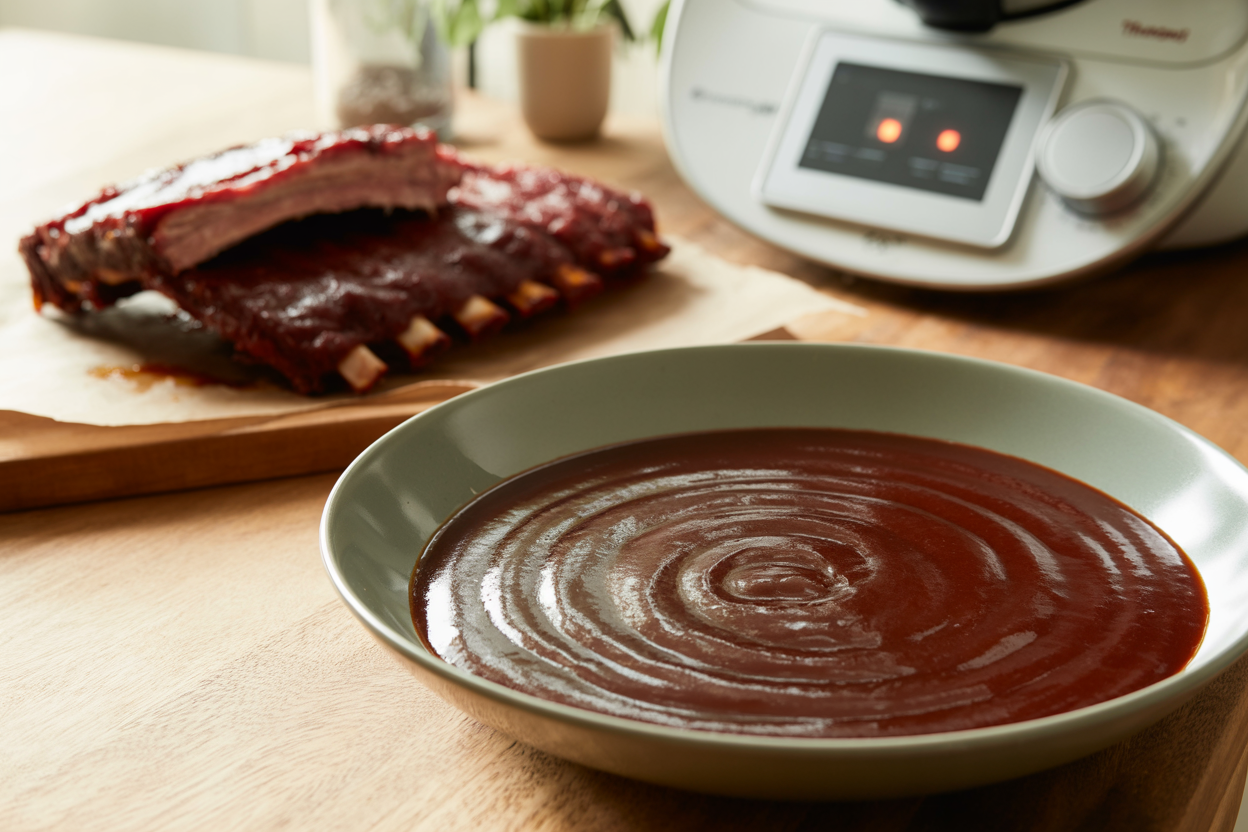
These usually thicken in the fridge, but sometimes water separates out if you used a lot of fresh tomato or vinegar. My Spicy Pineapple BBQ Sauce is the worst offender. Simmering longer before chilling helps, as does storing in smaller containers. If it’s just a little water, pour it off and use as usual.
Herb Sauces & Salsas
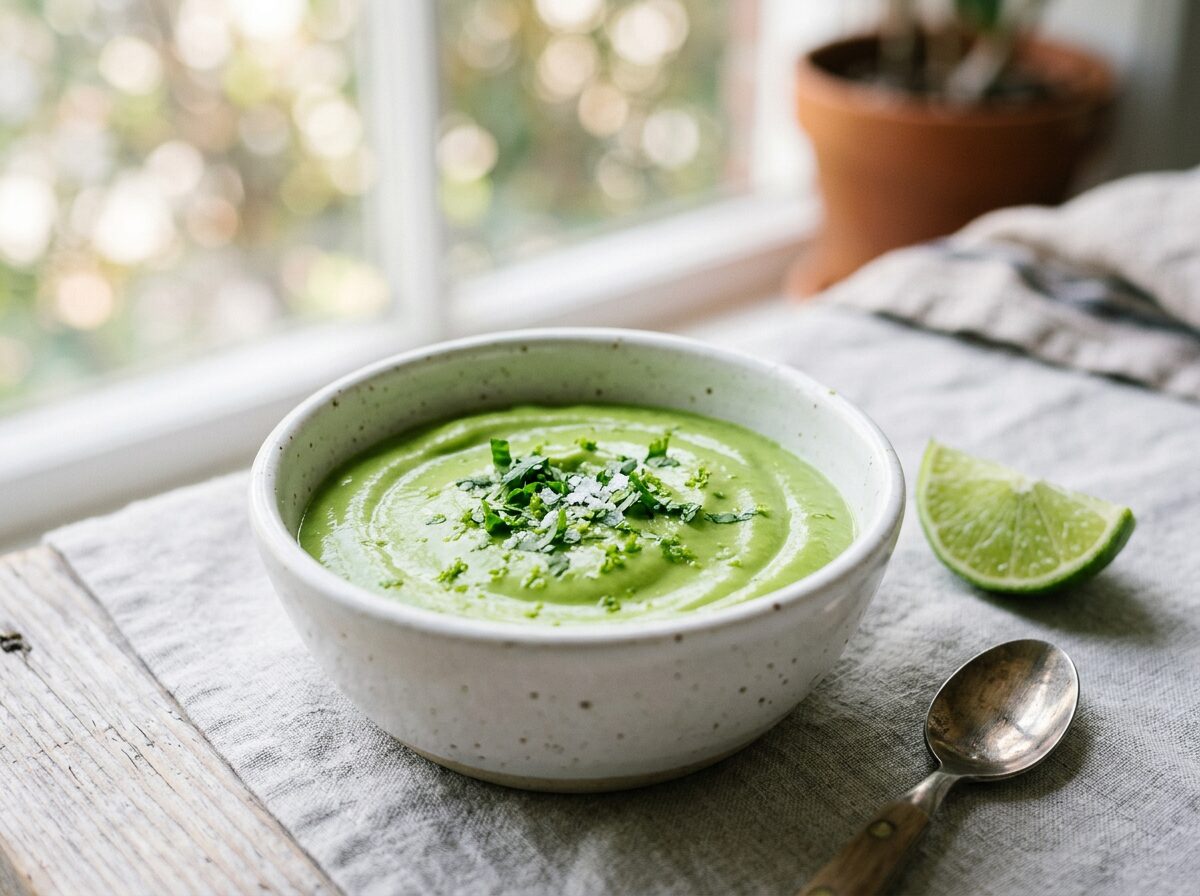
Salsas, chimichurri, and chermoula are notorious for getting watery. The water comes from the veggies and herbs. If you’re using them as a dip, pour off the water and stir. If you’re using as a marinade, the extra liquid is actually a bonus. Want a super-thick dip? Try my Creamy Jalapeño Cilantro Dip - the mayo base holds up much better in the fridge.
Can You Prevent Watery Sauce Entirely?
Here’s the honest truth: you can’t stop it 100% of the time, unless you use a ton of stabilizers or preservatives (which, let’s be real, defeats the point of homemade). But you can make it way less annoying. Pay attention to the tips above, use good containers, and don’t be afraid to remix or even reheat your sauces if needed. And if you want to get nerdy about why sauces sometimes go thin while you’re cooking, this guide on quick pan sauce thickness is super helpful.
Shortcuts and Common-Sense Swaps
- Store-bought stock is fine: If you’re thickening a sauce for the fridge, boxed chicken or veggie stock works just as well as homemade. I’ve done taste tests, and with enough seasoning, you can barely tell the difference.
- Skip the fancy vinegars: For most sauces, basic white wine vinegar or cider vinegar is perfect. Save the expensive balsamic for when it’s the star.
- Greek yogurt over regular: If you want a thicker, less watery dip, use Greek yogurt instead of regular. It’s way more stable - and you can skip straining.
- Chop veggies finer for less weeping: The smaller the chop, the less water leaks out later. I didn’t believe this at first, but it really does help, especially in herb sauces.
Related Recipes and Guides
- Creamy Roasted Jalapeño Ranch Dip
- Homemade Spicy Pineapple BBQ Sauce
- Authentic Moroccan Chermoula Sauce Recipe
- Copycat Chick-fil-A Polynesian Sauce Recipe
- Why Your Sauce Gets Too Thick as It Cools - Causes and How to Fix It
- How to Freeze Sauces for Maximum Freshness: Methods, Tips, and Mistakes to Avoid
- Why Your Homemade Sauce Smells Off in the Fridge - Causes and Solutions
- Why Your Quick Pan Sauce Turns Out Too Thin - Easy Fixes for Thickness
Final Thoughts (From My Messy Sauce-Stained Kitchen)
If you’ve ever felt like your homemade sauce is out to get you, trust me, you’re not alone. Wateriness is just part of the homemade game, but it’s almost never a dealbreaker. Stir, shake, drain, or reduce - you’ve got options. And if you ever find a sauce that stays perfect after three days in the fridge, send it my way, because I want to know your secrets.
Happy saucing!
TAGS
Try These Recipes
Related Articles
Freezing Sauces 101: Best Sauces to Freeze and How to Thaw Them Safely
Discover which sauces freeze well, step-by-step freezing methods, and how to safely thaw for best flavor and texture. Preserve your homemade sauces longer.
Freezing Sauces 101: Best Methods to Preserve Flavor, Texture, and Quality
Learn how to freeze sauces the right way. Discover tips on storage, thawing, and which sauces freeze best to keep flavors fresh and textures perfect.
How to Freeze Sauces for Maximum Freshness: Methods, Tips, and Mistakes to Avoid
Learn the best techniques to freeze sauces, dressings, and dips. Discover which sauces freeze well, storage tips, and how to thaw for best results.
How to Deglaze for Pan Sauces: Step-by-Step Guide to Rich, Flavorful Results
Master deglazing for pan sauces with this step-by-step guide. Learn the best liquids, timing, and techniques for restaurant-quality sauces at home.