Freezing Sauces 101: Best Sauces to Freeze and How to Thaw Them Safely
Discover which sauces freeze well, step-by-step freezing methods, and how to safely thaw for best flavor and texture. Preserve your homemade sauces longer.
Written by FoodieManiac
With over 8 years of sauce-making experience, I've tested hundreds of techniques and products to bring you practical, reliable advice. Learn more about me →
Understanding Sauce Freezability: What Makes a Sauce Freeze Well?
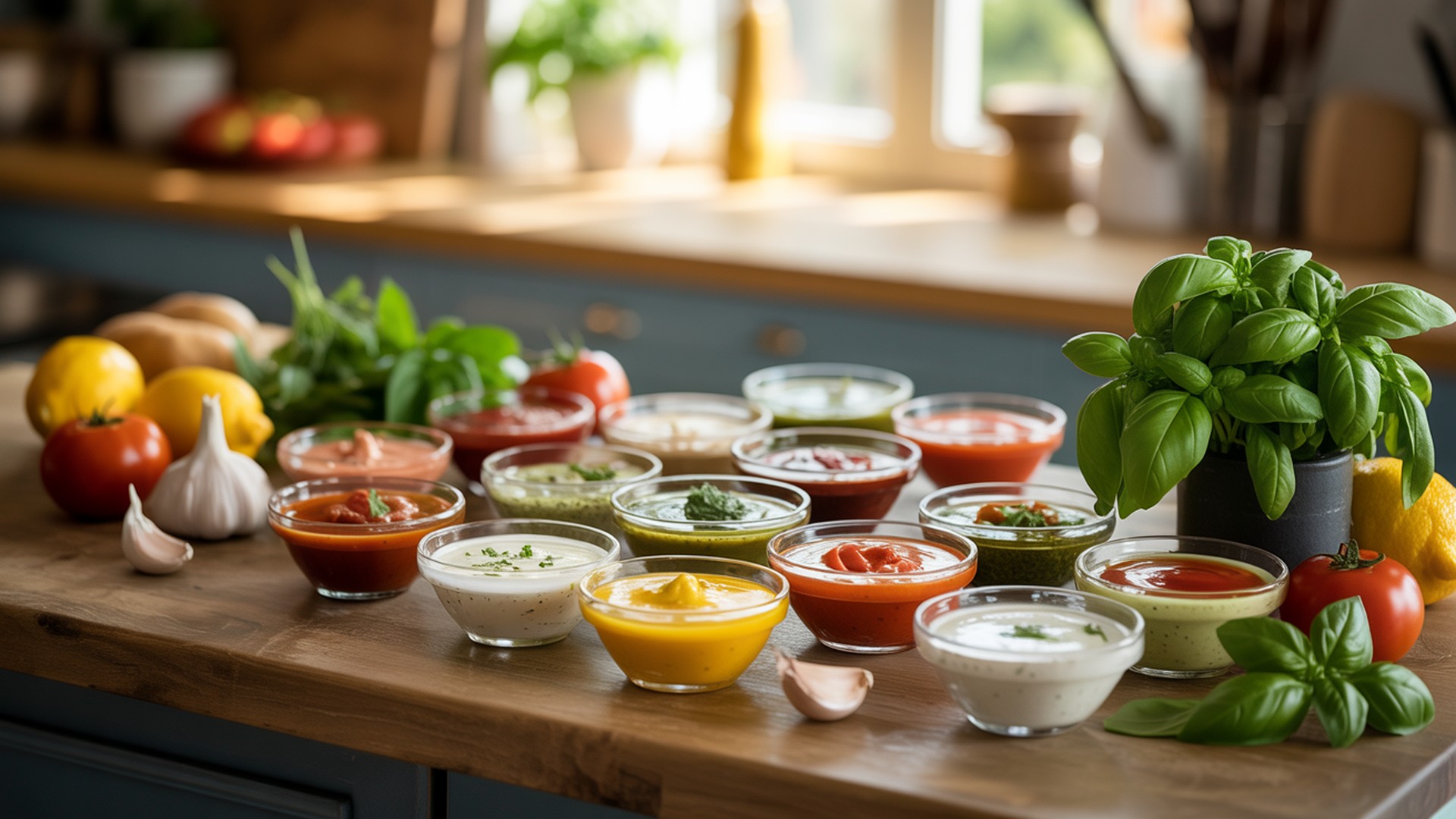
Not all sauces are created equal when it comes to freezing. The success of freezing sauces largely depends on their composition. Sauces with a high water content, low dairy, and minimal emulsifiers tend to freeze and thaw with fewer texture and flavor changes. In contrast, dairy-heavy or egg-based sauces are prone to separation, graininess, or curdling upon thawing. Starch-thickened sauces (using flour or cornstarch) generally fare better than those thickened only with fat or egg yolks.
For a deep dive into why some sauces separate after cooling, see Why Do My Homemade Sauces Separate in the Fridge? Causes and Solutions.
Best Sauces to Freeze: Types and Examples
Tomato-Based Sauces
Classic tomato sauces, such as marinara, pizza sauce, and salsas, freeze exceptionally well because their acidity resists spoilage and their texture remains stable. For example, try freezing a batch of Authentic Mexican Salsa Verde (Tomatillo Green Sauce). Cool the sauce to room temperature, portion into airtight containers or freezer bags, and freeze at 0°F (-18°C) for up to 4 months. Avoid glass jars unless they are freezer-safe, as expansion can cause cracking.
Pesto and Herb Sauces
Herb-based sauces like pesto or chimichurri are freezer-friendly when prepared without cheese, which can turn grainy. Freeze Authentic Argentine Chimichurri Sauce in ice cube trays, then transfer to freezer bags for easy portioning. When serving, stir in grated cheese after thawing for a fresher taste and creamier texture.
BBQ Sauces and Glazes
Vinegar and tomato-based BBQ sauces hold their own in the freezer. Try freezing extra Homemade Spicy Alabama Red BBQ Sauce or Spicy Maple Bourbon Glaze for Grilled Meats. Use rigid containers with a ½-inch headspace to allow for expansion. These sauces maintain flavor and consistency for up to 6 months at 0°F (-18°C).
Stock-Based Pan Sauces and Gravies
Simple gravies and pan sauces thickened with flour, cornstarch, or arrowroot freeze and reheat with minimal changes. If you’re struggling with lumpy gravies, review Why Your Homemade Gravy Turns Lumpy: Common Causes and Easy Fixes. Always cool these sauces quickly to 40°F (4°C) or below before freezing to prevent bacterial growth.
International Sauces: Chermoula, Aji Verde, and More
Many global sauces are excellent freezer candidates. Authentic Moroccan Chermoula Sauce and Authentic Peruvian Aji Verde Sauce Recipe (Spicy Green Sauce) both freeze beautifully, preserving vibrant flavors for up to 3 months. Freeze in small containers for easy defrosting and single-meal use.
Sauces That Don’t Freeze Well: What to Avoid
Cream- and Dairy-Based Sauces
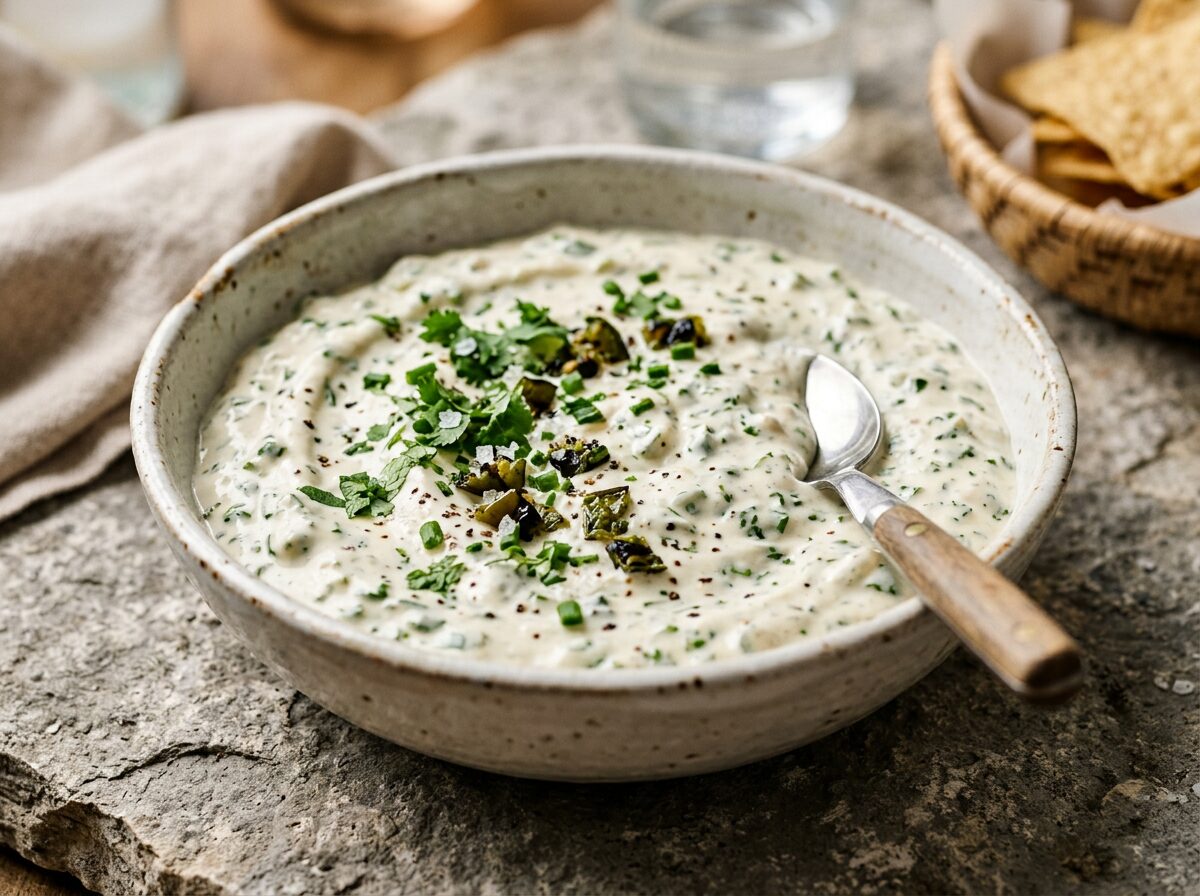
Bechamel, Alfredo, cheese sauces, and ranch-style dips often separate and become grainy after thawing. The emulsion of fat and water can break when frozen. For example, sauces like Creamy Roasted Garlic Parmesan Dip or Creamy Roasted Jalapeño Ranch Dip are best made fresh or consumed within a few days. If you must freeze, be prepared to re-emulsify by whisking vigorously over low heat, and add a splash of cream to help restore smoothness.
Egg-Based Emulsions
Mayonnaise, hollandaise, and aioli should not be frozen. Their delicate emulsions break irreparably, resulting in a separated, curdled mess. If you’re interested in eggless, freezer-friendly options, herb and tomato-based sauces are safer bets. For more on emulsion stability, read Why Your Creamy Sauce Curds When Reheated - Causes and Easy Fixes.
Fresh Avocado and Yogurt Sauces
Avocado-based sauces like Avocado Cilantro Lime Crema and yogurt sauces lose their creamy texture and can brown or become watery after thawing. Dairy proteins and avocado fats respond poorly to freezing, forming ice crystals that break the structure. If you must freeze, blend again after thawing and adjust seasonings to taste.
How to Freeze Sauces: Step-by-Step Guide
1. Cool the Sauce Completely
Never freeze sauces while still warm. Hot food raises the freezer’s internal temperature, risking partial thaw of other items and bacterial growth. Chill the sauce in shallow containers in the refrigerator until it reaches 40°F (4°C) or below—usually 1-2 hours for quarts, 30 minutes for cups.
2. Choose the Right Containers
- Use airtight plastic containers, heavy-duty freezer bags, or silicone trays for portioning.
- Leave at least ½-inch headspace in rigid containers to allow for expansion.
- For cubes, freeze in trays, then transfer to bags for space-saving storage.
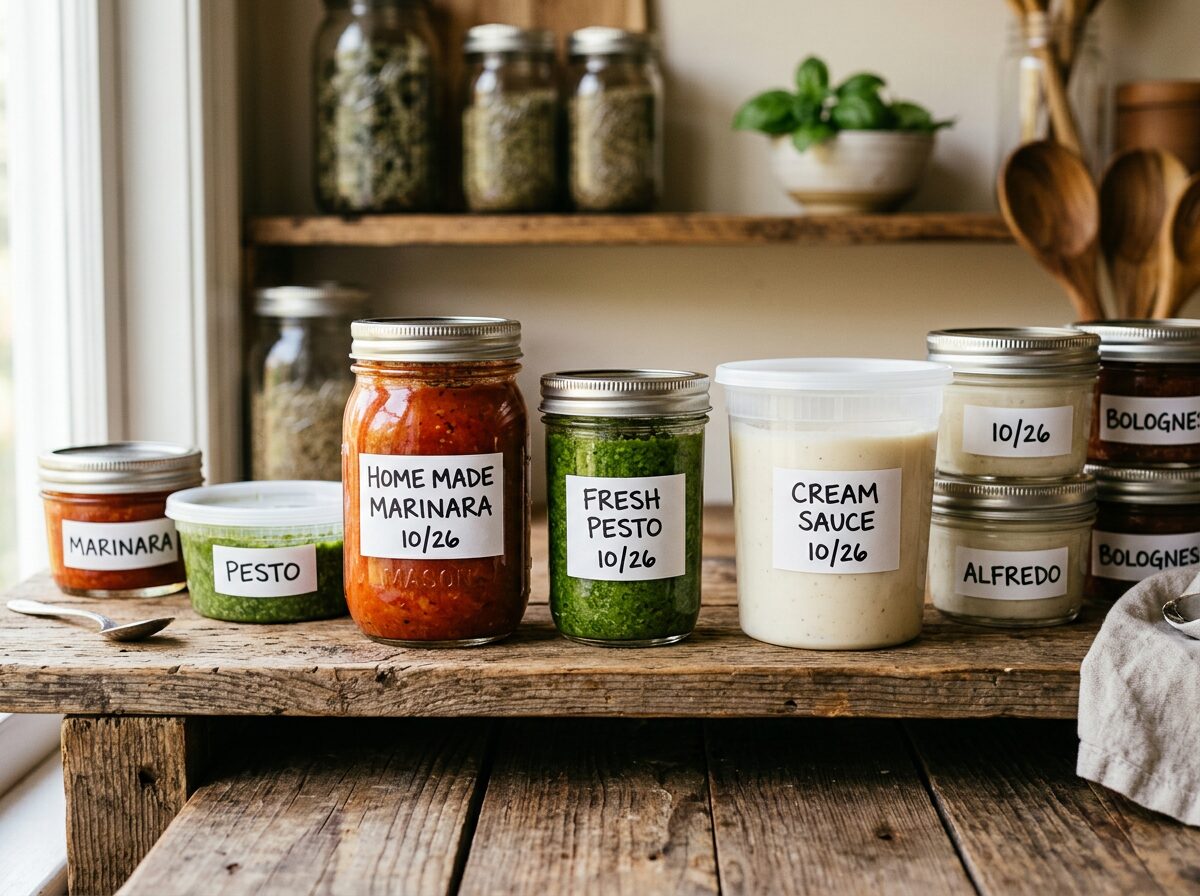
- Label with sauce name and date—most sauces are best used within 3-6 months.
3. Freeze at 0°F (-18°C) or Below
Temperatures at or below 0°F (-18°C) halt bacterial growth and prevent spoilage. Avoid overfilling your freezer to maintain air circulation and rapid freezing. For best texture, use a fast-freeze setting if available.
4. Portion for Convenience
Freeze sauce in meal-sized or single-use portions. Ice cube trays are ideal for pesto, chimichurri, or finishing sauces—each cube is about 2 tablespoons. Quart containers work for pasta or curry sauces. This minimizes waste and speeds up thawing.
How to Thaw Sauces Safely: Methods and Tips
Refrigerator Thawing (Recommended)
For best food safety and texture, thaw sauces in the refrigerator at 40°F (4°C). Small portions thaw overnight, while quarts may need up to 24 hours. This slow thawing preserves emulsion and texture, and keeps the sauce out of the bacterial “danger zone” (40–140°F, 4–60°C).
Quick Thaw: Cold Water Bath
Place the sealed sauce container or bag in a bowl of cold water, changing the water every 30 minutes. Small bags thaw in 30–60 minutes; quarts need 1–2 hours. Never use hot water—this encourages uneven thawing and bacterial growth.
Microwave Thawing: For Immediate Use
If you’re in a hurry, use the microwave’s defrost setting. Remove any metal lids, vent the container, and stir every 30 seconds. Use immediately after thawing; do not refreeze. Microwaves can cause hot spots, so check the temperature throughout.
Reheating and Re-Emulsifying
After thawing, gently reheat sauce on the stovetop over low to medium heat (140–165°F, 60–74°C). Stir constantly to prevent scorching and help re-emulsify any separated ingredients. For creamy sauces, whisk in a splash of cream or milk to restore smoothness. Thawed tomato or BBQ sauces may need a fresh squeeze of lemon or vinegar to brighten flavors.
Freezing and Thawing Tips: Maintaining Flavor and Texture
- Reduce Salt and Acid: Salt and acid can intensify during freezing. Slightly under-season sauces before freezing, and adjust to taste after thawing.
- Leave Out Dairy and Cheese: Add cream, butter, or cheese only after thawing and reheating for best texture.
- Blend Again if Needed: If thawed sauces separate, blend or whisk vigorously to restore consistency. Immersion blenders work well for smooth sauces.
- Avoid Refreezing: For food safety, never refreeze thawed sauce. Plan portions accordingly.
- Use Freezer-Safe Labels: Mark containers clearly with sauce type and freeze date.
Best Practices: Food Safety Guidelines for Freezing Sauces
Rapid cooling and quick freezing are essential. Bacteria multiply rapidly between 40–140°F (4–60°C), so never leave sauces at room temperature longer than 2 hours (or 1 hour if above 90°F/32°C). Always cool sauces to 40°F (4°C) or lower before freezing. Store frozen sauces at 0°F (-18°C) or below. Thaw only what you’ll use, and reheat to at least 165°F (74°C) before serving.
Learn more about optimal freezing techniques in Freezing Sauces 101: Best Methods to Preserve Flavor, Texture, and Quality.
Freezer-Friendly Sauce Recipes to Try
- Homemade Chimichurri Sauce for Grilled Meats freezes perfectly—omit fresh cheese, freeze in cubes, and add cheese after thawing for best results.
- Homemade Sweet Chipotle BBQ Sauce maintains its tang and heat for up to 6 months frozen.
- Authentic Peruvian Aji Verde Sauce Recipe (Spicy Green Sauce) is ideal for batch cooking and freezing in single-serve pouches.
- Spicy Maple Bourbon Glaze for Grilled Meats can be made ahead and thawed for a quick flavor boost on weeknights.
For more quick sauce ideas, read How to Make 3-Ingredient Sauces: Fast Recipes for Flavorful Meals.
What to Do If Your Sauce Separates After Thawing
Separation after thawing is common, especially with creamy or emulsified sauces. If this happens, heat gently and whisk vigorously. Sometimes, adding a teaspoon of water, broth, or cream can help bind the sauce again. For persistent separation, use an immersion blender to restore smoothness. For details on troubleshooting, see Why Do My Homemade Sauces Separate in the Fridge? Causes and Solutions.
Conclusion: Freezing Sauces for Convenience and Flavor
Freezing sauces is a practical way to extend their shelf life and streamline meal prep. Tomato, vinegar-based, and herb sauces are the best candidates, while dairy- and egg-heavy sauces are less reliable. Always cool quickly, freeze at 0°F (-18°C), and thaw safely in the fridge or cold water. Portion wisely and reheat gently for the best results. With these techniques, your favorite sauces—from Homemade Spicy Alabama Red BBQ Sauce to Authentic Argentine Chimichurri Sauce—can be enjoyed at their flavorful best, any time.
For more about preserving sauce quality, visit Freezing Sauces 101: Best Sauces to Freeze and How to Thaw Them Safely or How to Pair Sauces With Grains: Perfect Matches for Rice, Quinoa, and More.
TAGS
Try These Recipes
Related Articles
Freezing Sauces 101: Best Methods to Preserve Flavor, Texture, and Quality
Learn how to freeze sauces the right way. Discover tips on storage, thawing, and which sauces freeze best to keep flavors fresh and textures perfect.
How to Freeze Sauces for Maximum Freshness: Methods, Tips, and Mistakes to Avoid
Learn the best techniques to freeze sauces, dressings, and dips. Discover which sauces freeze well, storage tips, and how to thaw for best results.
How to Deglaze for Pan Sauces: Step-by-Step Guide to Rich, Flavorful Results
Master deglazing for pan sauces with this step-by-step guide. Learn the best liquids, timing, and techniques for restaurant-quality sauces at home.
Thermomix Sauce Making: Tips, Tricks, and Best Recipes for Perfect Results
Master sauce making in your Thermomix with expert tips on speed settings, temperature control, emulsification, and our best Thermomix-adapted sauce recipes.