Freezing Sauces 101: Best Methods for Preserving Flavor and Texture
Learn how to freeze sauces the right way—tips for creamy, tomato, and herb sauces plus thawing tricks to maintain taste and texture.
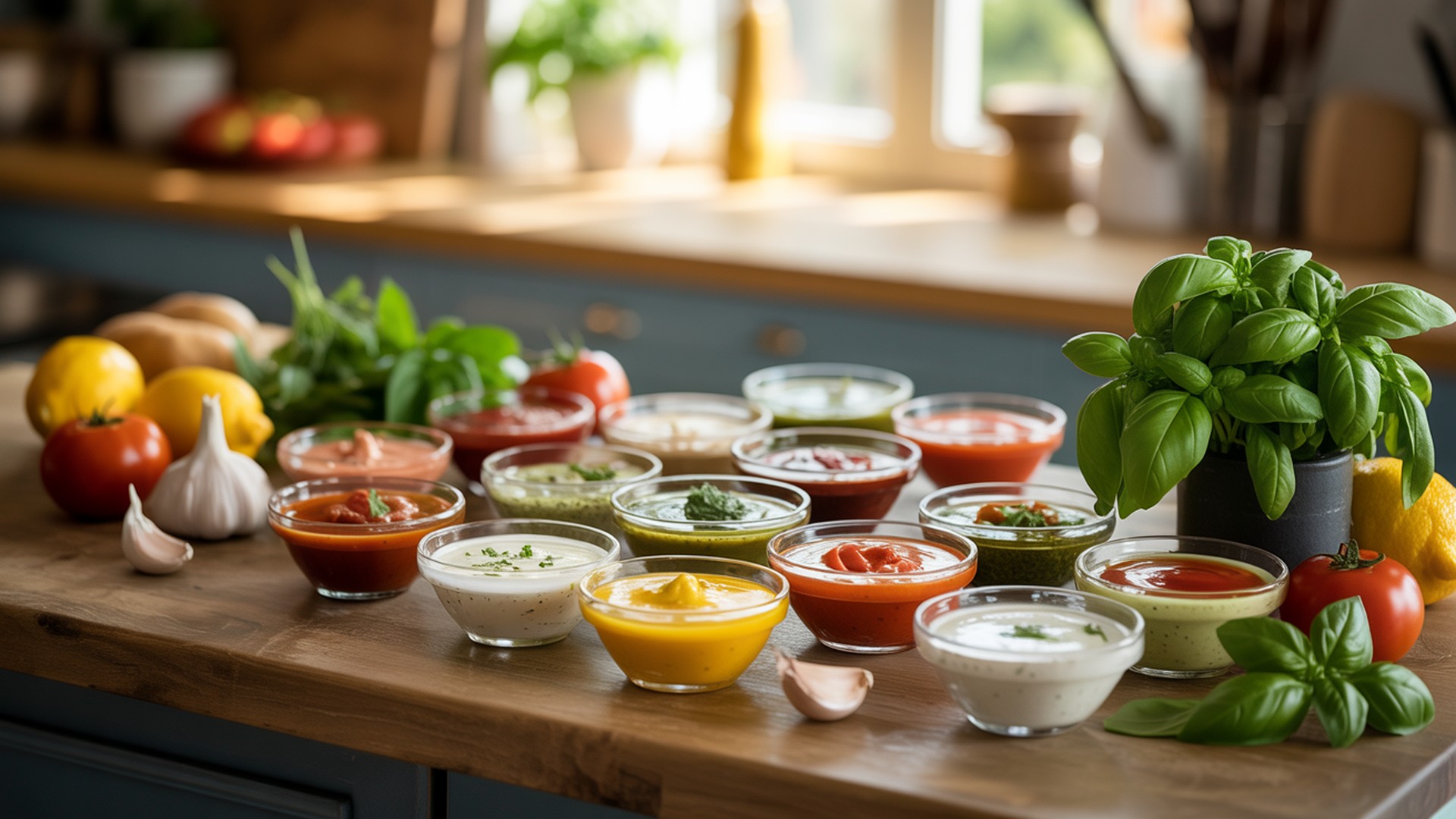
Written by FoodieManiac
With over 8 years of sauce-making experience, I've tested hundreds of techniques and products to bring you practical, reliable advice. Learn more about me →
Understanding Sauce Freezing: Why It Matters for Flavor and Texture
Freezing sauces is an essential skill for any home cook looking to preserve their culinary creations. When done correctly, you can lock in freshness, minimize waste, and have meal-ready sauces on hand at all times. However, improper freezing can ruin a sauce’s texture, dull its flavors, and lead to separation or graininess. Understanding the science behind freezing helps ensure your sauces emerge from the freezer as delicious as the day you made them.
Most sauces freeze well at -18°C (0°F), which is the standard temperature for home freezers. At this temperature, bacterial growth halts, but water expands as it freezes. This expansion can break emulsions, cause creaminess to disappear, or make herbs turn black. Choosing the right freezing method and container is crucial for optimal results.
Which Sauces Freeze Well – And Which Don’t?
Not all sauces respond equally to freezing. Here’s what you need to know:
- Best for Freezing: Tomato-based sauces (like marinara), broth-based sauces, BBQ sauces, and cooked salsas (such as Authentic Mexican Salsa Verde).
- Freeze with Caution: Dairy-heavy sauces (Alfredo, cheese sauces), mayonnaise-based sauces, and emulsified vinaigrettes. These often separate but can sometimes be rescued with vigorous whisking after thawing.
- Fresh Herb Sauces: Sauces like Chermoula or chimichurri can lose bright color but retain flavor. Consider freezing in cubes for best results.
- Egg-Based and Cream Emulsions: Hollandaise, béarnaise, and aioli generally do not freeze well due to high risk of breaking and curdling.
For a detailed look at the best and worst candidates, see our guide: Best Sauces to Freeze and How to Thaw Them Safely.
Pre-Freezing Preparation: What to Do Before Freezing
1. Cool Your Sauce Thoroughly
Never place hot or warm sauce directly into the freezer. Hot liquids can raise the temperature inside the freezer, risking partial thaw of nearby foods and promoting bacterial growth. Cool sauces to room temperature (20-22°C/68-72°F) within two hours of cooking. Use an ice bath for rapid cooling: place your sauce container in a larger bowl filled with ice and water, stirring occasionally until cooled.
2. Portion for Convenience
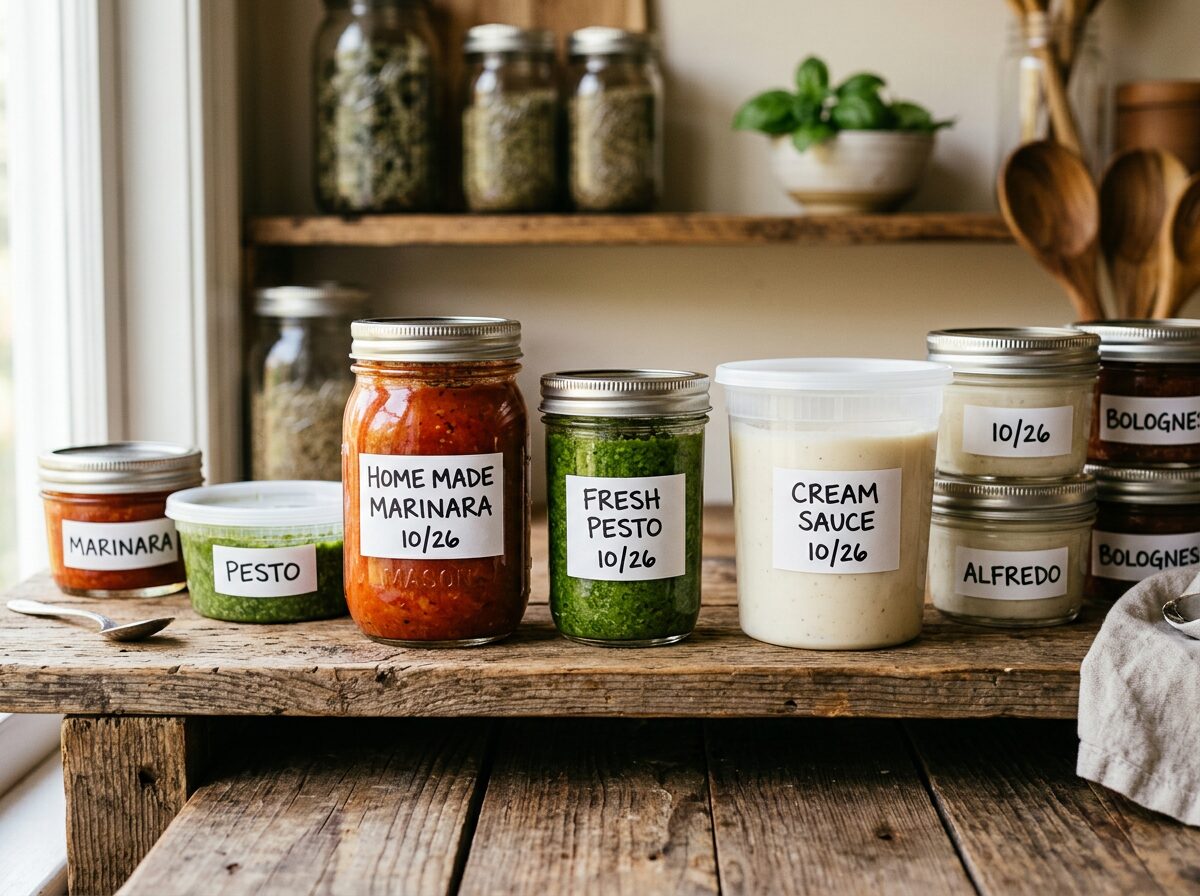
Freeze sauces in meal-sized or single-use portions. Use 1-cup (240ml) containers for family meals, or freeze in ice cube trays for sauces you use by the tablespoon—like Chermoula as an accent. Once frozen, transfer cubes to a zip-top freezer bag, label with type and date, and use within 3-6 months for best flavor.
3. Consider Texture-Saving Modifications
If your sauce is dairy-based (like Creamy Roasted Jalapeño Ranch Dip), consider omitting the dairy before freezing and adding it after thawing. Similarly, undercook vegetables and herbs slightly, as freezing softens them further. Blend sauces smooth if you want to avoid separation on thawing.
The Best Containers for Freezing Sauces
Container choice affects both the safety and quality of frozen sauces. Here’s how to choose:
- Rigid Plastic Containers: Use BPA-free containers with tight-fitting lids for large batches. Leave 1-2cm (½-¾ inch) headspace for expansion.
- Glass Jars: Use only freezer-safe jars. Fill to the “freeze line” and leave headspace. Never freeze in regular glass jars as they may crack.
- Silicone Ice Cube Trays: Perfect for pesto, toum, and fresh herb sauces. Once solid, pop out and transfer to bags.
- Freezer Bags: Lay bags flat for fast freezing and easy stacking. Squeeze out as much air as possible to prevent freezer burn.
Always label with sauce type and freeze date. Use waterproof markers, as condensation can erase ink over time.
Freezing Methods: Locking in Freshness
1. Quick (Blast) Freezing
The faster a sauce freezes, the smaller the ice crystals that form, preserving texture. Spread thin layers in shallow containers, or use ice cube trays. Your freezer should be set to its coldest setting (ideally -24°C/-11°F) for the first 4-6 hours. Once frozen solid, containers can be consolidated and the freezer returned to normal (-18°C/0°F).
2. Vacuum Sealing
Vacuum sealing prevents air exposure, which can oxidize flavors and promote freezer burn. While not essential, it’s ideal for long-term storage (over 3 months). Chill sauce thoroughly before sealing to avoid suction of liquids.
3. Ice Cube Method for Small Portions
Pour sauce into ice cube trays (each cube holds about 2 tablespoons/30ml). Freeze until solid (4-6 hours), then transfer cubes to freezer bags. This is perfect for sauces like Homemade Spicy Pineapple BBQ Sauce or Buffalo Wing Sauce—just pop out the amount you need.
How Long Can You Freeze Sauces?
Most sauces hold their best flavor and texture for 3-6 months in a standard home freezer. Acidic sauces (tomato, vinegar-based) fare better and can last up to 8 months. Dairy or egg-based sauces should ideally be used within 1-2 months. Always thaw and taste before serving—if the sauce tastes dull, add a squeeze of lemon or a fresh herb to brighten it up.
Thawing Sauces for Best Results
1. Thaw in the Refrigerator
For food safety, thaw sauces overnight in the refrigerator (4°C/39°F). This prevents bacterial growth and gives the sauce time to gently return to its original consistency. Expect thawing to take 6-8 hours for 1-cup portions, or 2-4 hours for ice cube-sized portions.
2. Stovetop or Microwave Thawing
For a faster option, place frozen sauce cubes or containers in a saucepan over low heat and stir frequently. Avoid boiling, as this can cause separation. When microwaving, use 50% power and stir every 30-60 seconds. Always reheat to at least 74°C (165°F) for safety, especially if the sauce contains dairy or meat stock.
3. Stirring and Re-Emulsifying After Thawing
Some sauces (especially creamy or emulsified ones) may look separated or grainy after thawing. Re-emulsify by whisking vigorously or blending with an immersion blender. For sauces like Creamy Roasted Red Pepper Feta Dip (Htipiti) or Creamy Sriracha Mayo Sauce, a quick blitz restores their creamy texture.
For vinaigrettes, see our guide: Why Your Homemade Vinaigrette Turns Out Too Sour - Simple Balancing Tips for balancing and re-emulsifying tips.
Common Sauce Freezing Mistakes (and How to Avoid Them)
- Freezing Hot Sauce: Always cool before freezing to prevent ice crystal formation and freezer temperature spikes.
- Overfilling Containers: Leave headspace for expansion or containers may crack and leak.
- Ignoring Air Exposure: Excess air means freezer burn. Use small containers or remove air from bags.
- Freezing in Glass Not Meant for The Freezer: Only use jars labeled “freezer-safe.”
- Not Labeling: Always label with sauce type and freeze date. Mystery containers waste time and ingredients.
For more freezing tips and mistakes to avoid, check out: How to Freeze Sauces for Maximum Freshness: Methods, Tips, and Mistakes to Avoid.
Expert Tips for Freezing Specific Sauces
- BBQ Sauces: High-sugar BBQ sauces like Homemade Carolina Gold Mustard BBQ Sauce freeze well. If vinegar-sharp after thawing, simmer 2-3 minutes before serving to mellow flavors.
- Herb Sauces: For sauces like Aji Verde, blanch herbs for 10 seconds, shock in ice water, then blend. This preserves green color better through freezing.
- Creamy Dips: For Creamy Roasted Jalapeño Ranch Dip, freeze without any chunky add-ins (like fresh diced vegetables) and stir in after thawing.
- Spicy Sauces: Capsaicin (the spicy compound in chilies) can intensify during freezing. Taste after thawing and adjust with a splash of vinegar or a pinch of sugar to rebalance.
How to Revive the Flavor of Thawed Sauces
Freezing can dull acidity and mute aromatics. After thawing, taste your sauce and adjust as needed:
- Add a squeeze of fresh lemon or lime juice for brightness.
- Stir in a teaspoon of fresh chopped herbs.
- Boost salt, sugar, or vinegar to restore balance.
- For creamy sauces, whisk in a splash of milk, cream, or mayonnaise if separation has occurred.
For more on fixing flavor imbalances, see: Why Your Homemade Vinaigrette Turns Out Too Sour - Simple Balancing Tips.
Freezer Storage Times for Popular Sauces
| Sauce Type | Best Storage Time |
|---|---|
| Tomato-Based (Marinara, Salsa) | 6-8 months |
| BBQ Sauce | 4-6 months |
| Creamy/Dairy-Based | 1-2 months |
| Herb Sauces (Pesto, Chimichurri) | 3-4 months |
| Gravy (see KFC Pepper Gravy) | 1-2 months |
| Mayonnaise-Based (Ranch, Remoulade) | 1 month (texture may suffer) |
FAQs: Troubleshooting Frozen Sauces
Why does my sauce look separated after thawing?
Fat and water can separate during freezing. Whisk vigorously or use a hand blender to restore texture. For more on separation, see Why Your Homemade Sauce Turns Watery in the Fridge - Causes and Fixes.
Can I freeze sauces containing cornstarch or flour?
Thickened sauces (gravy, roux-based) can become grainy after freezing. Reheat gently and whisk in a splash of hot stock or water to smooth out lumps.
What if my sauce smells “off” after thawing?
If the sauce has a sour, yeasty, or rancid odor, discard it. For causes and solutions, read Why Your Homemade Sauce Smells Off in the Fridge - Causes and Solutions.
Freezing Sauces: Real Recipe Examples
Many popular sauces freeze beautifully. Try these favorites:
- Homemade Spicy Pineapple BBQ Sauce – Portion into cubes and thaw for grilling or sandwiches.
- Thermomix Buffalo Wing Sauce – Freeze in half-cup portions for game day wings.
- Authentic Moroccan Chermoula Sauce – Freeze in small containers for quick use as a marinade or drizzle.
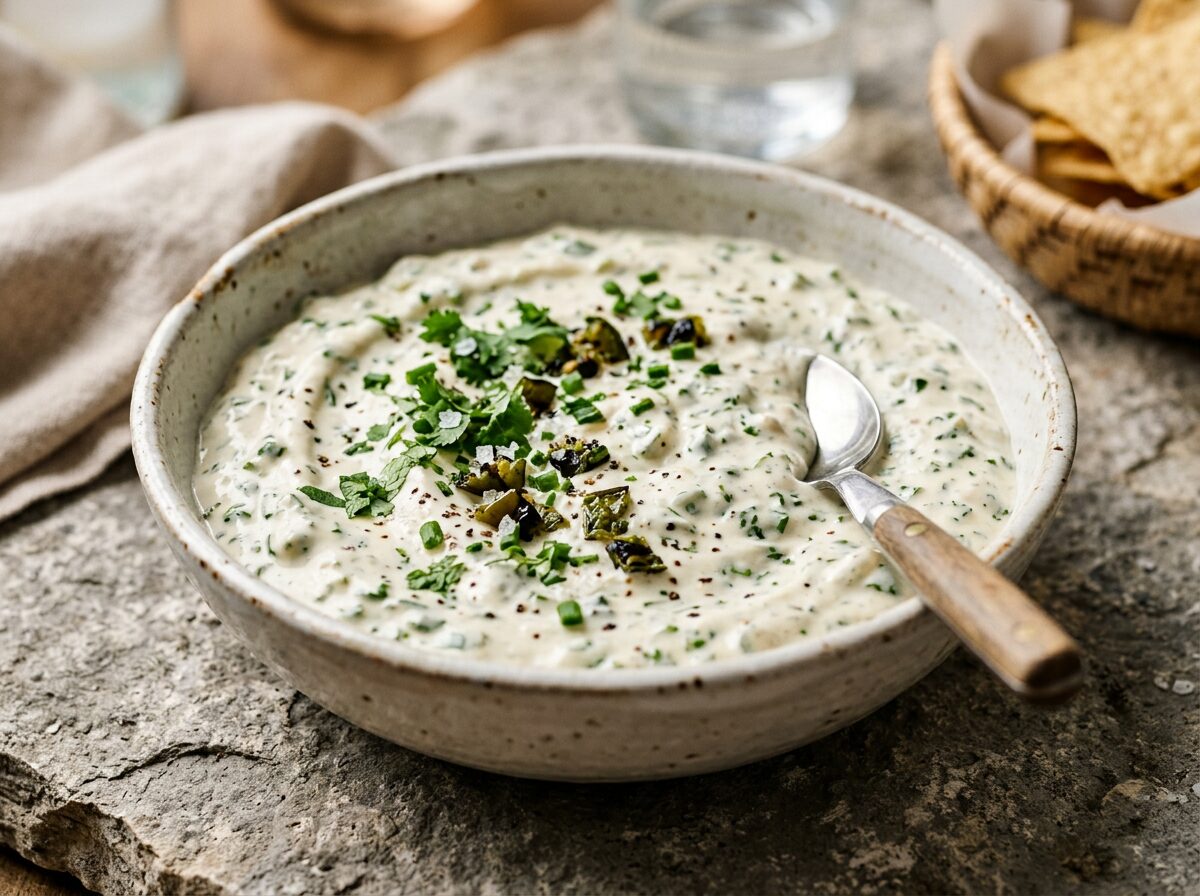
- Creamy Roasted Jalapeño Ranch Dip – Thaw and stir before serving as a dip or salad dressing.
Conclusion: Mastering Sauce Freezing for Maximum Flavor
Proper freezing and thawing techniques are crucial for preserving the flavor, texture, and safety of your favorite sauces. By understanding which sauces freeze best, using the right containers, portioning intelligently, and adjusting after thawing, you’ll always have a repertoire of delicious, ready-to-use sauces at your fingertips. For even more freezing strategies and recipe inspiration, explore our in-depth guide: How to Freeze Sauces for Maximum Freshness: Methods, Tips, and Mistakes to Avoid.
Looking for more sauce mastery? Discover pairing tips in Worcestershire Sauce vs. Soy Sauce: Flavor, Uses, and Substitutes Compared and smart strategies in How to Pair Sauces With Grains: Perfect Matches for Rice, Quinoa, and More.
With these techniques, your sauces will always taste as fresh as the day they were made—straight from your freezer to the table.
TAGS
Try These Recipes
Related Articles
Freezing Sauces 101: Best Sauces to Freeze and How to Thaw Them Safely
Discover which sauces freeze well, step-by-step freezing methods, and how to safely thaw for best flavor and texture. Preserve your homemade sauces longer.
Freezing Sauces 101: Best Methods to Preserve Flavor, Texture, and Quality
Learn how to freeze sauces the right way. Discover tips on storage, thawing, and which sauces freeze best to keep flavors fresh and textures perfect.
How to Freeze Sauces for Maximum Freshness: Methods, Tips, and Mistakes to Avoid
Learn the best techniques to freeze sauces, dressings, and dips. Discover which sauces freeze well, storage tips, and how to thaw for best results.
How to Deglaze for Pan Sauces: Step-by-Step Guide to Rich, Flavorful Results
Master deglazing for pan sauces with this step-by-step guide. Learn the best liquids, timing, and techniques for restaurant-quality sauces at home.