Why Your Homemade Vinaigrette Turns Out Too Sour - Simple Balancing Tips
Is your DIY vinaigrette lip-puckeringly sour? Learn easy fixes and pro tips to balance acidity in homemade salad dressings for perfectly blended flavor.

Written by FoodieManiac
With over 8 years of sauce-making experience, I've tested hundreds of techniques and products to bring you practical, reliable advice. Learn more about me →
Why Your Homemade Vinaigrette Turns Out Too Sour - Simple Balancing Tips
Let’s just admit it: making vinaigrette sounds so basic. Oil, vinegar, salt, shake it up and you’re done, right? Except…you aren’t. If you’ve ever poured your “homemade” vinaigrette on a salad and recoiled at the sharpness, you know what I mean. I spent years stubbornly following the 3:1 oil to vinegar advice and still ended up with vinaigrettes that made my jaw clench. So if you’re here because your vinaigrette tastes more like a dare than a dressing, I’ve got you.
The Real Reason It’s Too Sour (And Why “Classic Ratios” Lie)
So here’s the thing nobody tells you when you start making vinaigrettes: not all vinegars are created equal. That “3 parts oil to 1 part vinegar” rule? It’s more of a starting point. Sometimes it works. Sometimes you get punch-in-the-face salad. If you use something like sherry vinegar or red wine vinegar, you’ll need less than if you use mellow rice vinegar. I learned this the hard way when I tried to make a “classic French” vinaigrette with apple cider vinegar and olive oil. It was basically salad torture.
The real culprit is acid strength. Different vinegars have different levels of acidity (measured in percent, usually 5-7%). Plus, some are just more aggressive on the palate. Lemon juice is gentler than white wine vinegar. Balsamic is sweeter but still sharp.
Cheap Oil Also Makes It Worse
This one surprised me. The first time I made vinaigrette with a budget olive oil, it tasted even sharper. The oil was thin, almost bitter, and didn’t cushion the acid at all. If your vinaigrette is painfully sour, try a better oil (even a neutral one like grapeseed or a blend). The difference is real.
Balancing Flavors: What Actually Works
Okay, so you’ve got your vinegar and oil. But a good vinaigrette isn’t just about not being sour. It’s about balance - salty, sweet, sharp, and sometimes a little creamy or spicy. If you’ve ever made chermoula or jalapeño cilantro dip, you know that balance is everything. Here’s how I troubleshoot when my vinaigrette is too sour:
Add Sweetness (But Not Too Much)
I resisted adding honey or sugar for years because I thought it was “cheating.” Now I add a pinch of something sweet almost every time. It doesn’t have to be honey - maple syrup, agave, or even a tiny bit of jam works. Start with 1/4 teaspoon per cup of dressing and go up from there. It shouldn’t taste sweet, just rounder.
Salt Is Not Optional
If you forget the salt, your vinaigrette will taste flat and weirdly more acidic. I start with 1/2 teaspoon kosher salt for every 1/2 cup of vinaigrette. Taste, then add more if you need it. Remember, you can always add more but you can’t un-salt a sauce (been there, ruined that).
Dijon Mustard: Not Just for French People
A little Dijon does two things. First, it helps emulsify the dressing (so it doesn’t separate immediately). Second, it adds body and a subtle tang that somehow makes the sharpness less harsh. I use about a teaspoon per cup of vinaigrette. If you’re making something like the Copycat Chipotle Honey Vinaigrette, don’t skip the mustard. It’s not just for show.
Let It Sit
This is my favorite lazy tip. Vinaigrette mellows out after 10-20 minutes on the counter. The sharpness fades a bit. If you taste it right after shaking, it’ll seem more sour than it will on your salad. I learned this by accident when I got distracted making buffalo wing sauce and came back to the vinaigrette. It was suddenly…better.
Tested Tips
- The jar shake: Don’t whisk your vinaigrette in a bowl if you want it to emulsify. Put all your ingredients in a jar with a tight lid and shake hard for a good 20 seconds. If it splits later, just shake again. If you skip this, you’ll get sad oil puddles on your greens - been there, hate it.
- Creamy shortcut: If your vinaigrette is still too sharp, add a spoonful of mayo or Greek yogurt. It instantly softens the acid and gives it a creamy vibe, like in the creamy roasted jalapeño ranch dip. I used to think this was “cheating” but honestly, it’s delicious and nobody will complain.
- Vinegar swap: If all you have is super-sharp vinegar (like distilled white or cheap red wine vinegar), cut it with water. Start with 2 tablespoons vinegar and 1 tablespoon water for every 1/4 cup of acid. If you forget and go full-strength, your vinaigrette will taste like a science experiment.
- Garlic caution: Raw garlic can make vinaigrette taste even sharper. If you want garlic, try grating just half a small clove or smash it and let it sit in the vinegar for 10 minutes before mixing. Too much raw garlic and you’ll taste it for the rest of the day (I’ve ruined more than one lunch this way).
- Honey “reset”: If you taste your vinaigrette and it’s still too sour, add 1/4 teaspoon honey, whisk, then taste again. You can keep adding in tiny amounts until it’s right. If you dump in a tablespoon at once, you’ll go from sour to syrupy real fast - I’ve done both.
- Batch mixing: Make a double batch and store the extra in the fridge. After a day, the flavors mellow a lot. Just remember to pull it out 10 minutes before using so the oil liquifies (cold olive oil goes solid). If you forget, run the jar under warm water for a minute.
What If You Want to Skip the Fancy Stuff?
I’ll be real: you don’t need fancy vinegar or cold-pressed oil to make decent vinaigrette. Store-bought stock is fine in other sauces, and basic pantry ingredients are fine here. Just know that the sharper and cheaper the vinegar, the more you’ll need to balance it out. Don’t burn money on barrel-aged balsamic unless you’re using it as a finishing drizzle. For everyday vinaigrette, I use whatever olive oil is on sale and either white wine or apple cider vinegar. The trick is adjusting the amount to taste, not blindly following the “rules.”
Shortcuts That Actually Work
- Bottle lemon juice works in a pinch. It’s not as bright as fresh, but it won’t ruin your vinaigrette.
- Maple syrup is a great sweetener and mixes in more easily than honey (especially if your honey is crystalized - I’ve chipped more than one spoon).
- Pre-minced garlic will work if you’re short on time, but use half as much. It’s stronger and sometimes a little weird tasting.
- If you’re out of Dijon, a little prepared yellow mustard works. It’s not classic, but it’ll help the emulsion.
How To Fix a Too-Sour Vinaigrette (Even After Mixing)
So you made your vinaigrette, tasted it, and your tongue is on strike. You don’t have to throw it out. Here’s my “emergency fix” process:
- Add a splash more oil. Shake well, taste again.
- If it’s still harsh, add a pinch of sugar or honey. Shake, taste.
- Still too much? Add a teaspoon of water and a little more salt.
- If all else fails, turn it into a creamy dressing by whisking in mayo or yogurt.
This is basically how I rescued the world’s sourest vinaigrette and turned it into a passable dip for roasted veggies. (If you want a proper dip, by the way, check out the creamy roasted red pepper feta dip or roasted garlic parmesan dip.)
Ingredient Notes: What’s Worth It and What’s Not
Vinegars
Spend a little more for good sherry or white wine vinegar if you use them a lot. Cheap balsamic is fine for vinaigrettes but skip anything labeled “balsamic glaze” unless you like sweet salad. Rice vinegar is the mildest and easiest to balance.
Oils
You don’t need $30 olive oil for vinaigrette. Save that for drizzling. I use basic extra virgin or even canola if I want a neutral taste. If you hate the bitterness of some olive oils, try avocado or grapeseed oil instead.
Dijon & Extras
I always keep a jar of Dijon in the fridge. Grainy mustard works too, but it won’t emulsify as smoothly. For extra flavor, try tossing in fresh herbs, shallots, or even a dash of hot sauce (like in the spicy pineapple BBQ sauce - a drop in vinaigrette is wild but good).
Real-Life Vinaigrette Troubleshooting (And When to Move On)
I’ll be honest - sometimes you just need to start over. If your vinaigrette tastes like pure battery acid and you’ve already added too much sweetener, don’t force it. I’ve tried to “fix” a batch that was basically salad pickle juice and just ended up wasting more ingredients.
If you want something less fussy, try a creamy dressing instead. I love making this roasted garlic Caesar or even a spicy sriracha mayo for a change. Some days, simple is better.
Want to Get Nerdy? Taste Everything Separately
This is the thing that changed how I make any sauce: taste the vinegar and oil separately before mixing. Some vinegars are so mellow you can almost drink them (don’t, but you get me). Some oils taste grassy or peppery and will change the whole vibe. Once you get a feel for your ingredients, you’ll know if you can get away with more vinegar or if you need to dial it back. This is the same trick I use when tweaking any new sauce recipe, from toum to Big Mac sauce.
Related Sauces & Guides for More Experimenting
- Copycat Chipotle Honey Vinaigrette Recipe (great if you want a sweet/spicy vibe)
- Authentic Moroccan Chermoula Sauce Recipe (herby, bright, and not too sharp)
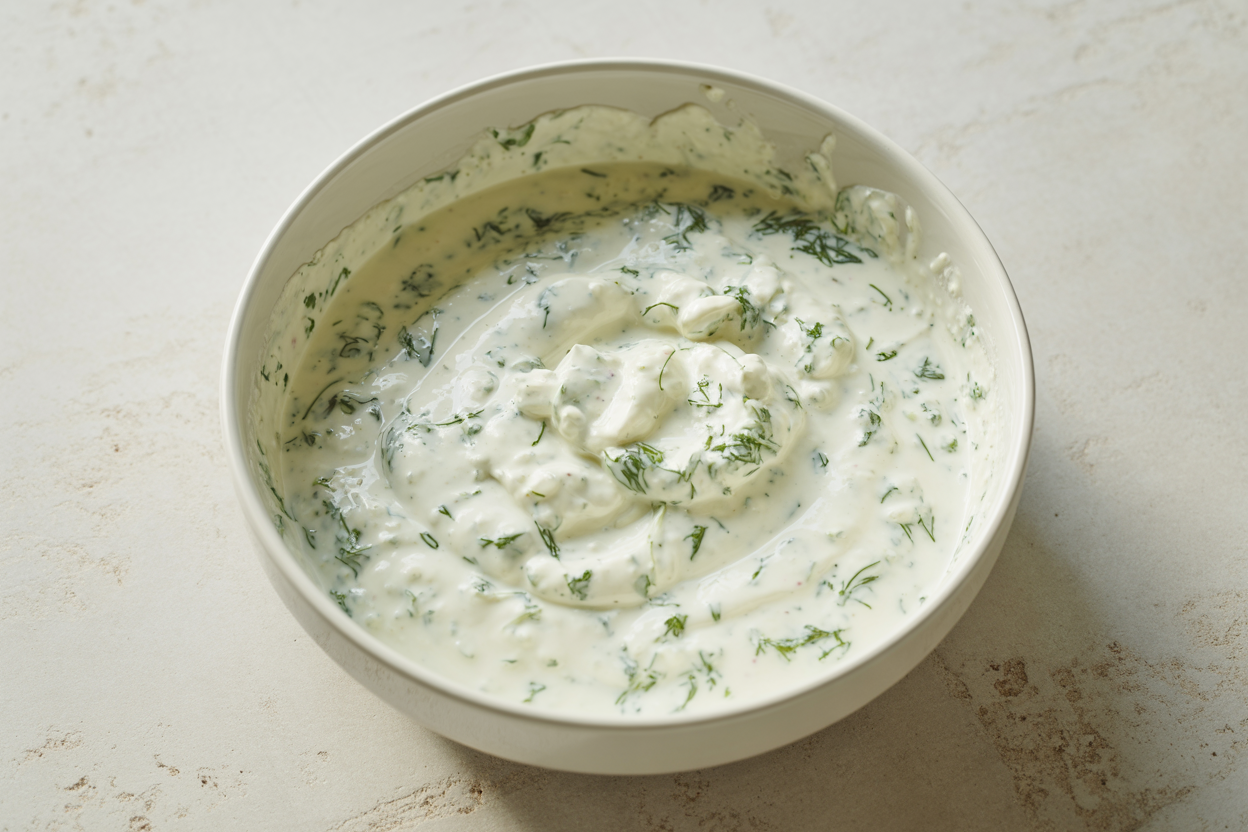
- Creamy Roasted Jalapeño Ranch Dip (if you want to try a creamy salad vibe instead)
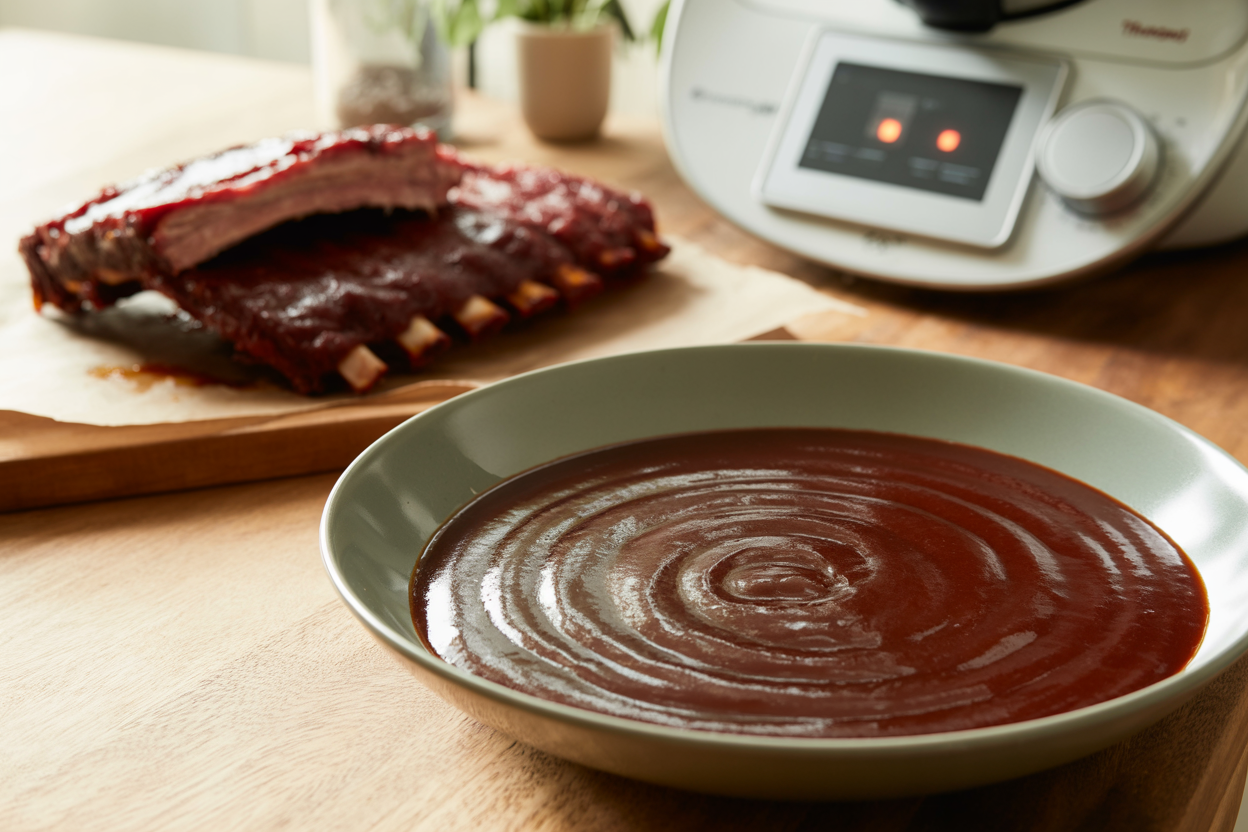
- Homemade Spicy Pineapple BBQ Sauce (for bold, sweet-acidic sauces that aren’t vinaigrettes)
- How to Make 3-Ingredient Sauces: Quick Recipes for Busy Weeknights
- Why Your Homemade Sauce Turns Watery in the Fridge - Causes and Fixes
Final Thoughts (From One Sauce-Obsessed Home Cook to Another)
Honestly, vinaigrette is one of those things that gets easier once you stop worrying about “the rules.” Taste, adjust, and don’t be afraid to add a pinch of sweetness or a splash of water if you need it. If you want more sauce troubleshooting, check out my guide on why sauces go watery in the fridge or read up on 3-ingredient sauces for easy weeknight wins. And if all else fails, there’s always ranch.
TAGS
Try These Recipes

Related Articles
How to Make Copycat McDonald’s Big Mac Sauce: The Real Flavor Unlocked
Recreate the iconic Big Mac Sauce at home! Step-by-step recipe, ingredient swaps, and pro tips to nail the tangy, creamy McDonald’s flavor perfectly.
Homemade vs. Store-Bought Sauces: Is It Worth Making Your Own?
An honest comparison of homemade and store-bought sauces - cost, taste, shelf life, and which sauces are always worth making from scratch.
5-Minute Salad Dressings: Quick Sauces to Upgrade Any Bowl
Whip up vibrant, flavorful salad dressings in just minutes. Easy homemade sauce recipes to elevate salads, grain bowls, and veggies fast.
How Long Do Sauces Last? Shelf Life Guide for Homemade & Store-Bought
Discover how long sauces last in the fridge, freezer, and pantry. Learn to spot spoilage and maximize the shelf life of homemade and store-bought sauces.