Worcestershire Sauce vs. Soy Sauce: Flavor, Uses, and Substitutes Compared
Compare Worcestershire and soy sauce: flavor, best uses, key differences, and how to substitute one for the other in recipes. Upgrade your cooking today!
Written by FoodieManiac
With over 8 years of sauce-making experience, I've tested hundreds of techniques and products to bring you practical, reliable advice. Learn more about me →
Worcestershire Sauce vs. Soy Sauce: Flavor, Uses, and Substitutes Compared
Origins & Ingredients: What Sets Them Apart?
Worcestershire Sauce: A British Fermented Classic
Worcestershire sauce was invented in 19th-century England. Its signature depth comes from a complex fermentation process that typically takes 18 to 24 months. Key ingredients include malt vinegar, molasses, anchovies, tamarind, garlic, onion, salt, sugar, and assorted spices. The inclusion of anchovies and tamarind is essential for its umami and tangy complexity, making it a unique savory-sweet condiment.
Soy Sauce: An Ancient Asian Staple
Soy sauce traces its roots to 2,500-year-old Chinese culinary traditions. It’s made by fermenting boiled soybeans and roasted wheat with a mold (Aspergillus oryzae), then brining and aging the mixture for 6 to 18 months. The result: a salty, deeply savory liquid with a prominent umami punch. Basic ingredients are soybeans, wheat, salt, water, and microbial cultures—no animal products, making most soy sauces vegan.
Flavor Profiles: How They Taste, and Why
Worcestershire Sauce: Umami, Tang, and Sweetness
The layered flavor of Worcestershire sauce is driven by its fermentation and diverse ingredients. It offers:
- Umami: Anchovies and fermented vegetables provide a round, meaty savoriness.
- Tang: Vinegar and tamarind deliver a distinct acidic brightness.
- Sweetness: Molasses and sugar balance the acidity and salt.
- Spice & Depth: Garlic, onion, and spices add heat and complexity.
When tasted straight, expect an initial sharp tang, followed by a mellow, sweet finish and a lingering umami aftertaste.
Soy Sauce: Salty, Savory, and Clean
Soy sauce’s primary flavor is a balance of salt and umami. It features:
- Saltiness: Ranges from 13–18% sodium by weight (for regular soy sauce), providing a pronounced briny kick.
- Umami: Natural fermentation releases glutamates, responsible for deep savoriness.
- Subtle Sweetness: Roasted wheat and soybeans add a trace of caramel-like undertones.
- Clean Finish: No fish or spice notes, making it a more neutral enhancer.
Good soy sauce is aromatic and never harsh—taste a few drops to recognize a pleasant, rounded savor.
Cooking Uses: When and How to Use Each Sauce
Worcestershire Sauce: Best Culinary Matches
Worcestershire’s sweet-sour-savory blend shines in Western and fusion dishes. Use it to:
- Marinate Red Meats: Add 2 tbsp per pound of beef, pork, or lamb. Marinate for 2–12 hours refrigerated (do not exceed 24 hours to prevent mushy texture). For steak, use 1 tbsp per 8 oz and marinate 1–4 hours before grilling or broiling at 450°F (232°C).
- Boost Savory Sauces & Gravies: Stir 1–2 tsp into pan sauces, gravies, or reductions during simmering for enhanced depth. Try it in your next Copycat KFC Pepper Gravy Recipe or add a dash to Homemade Spicy Pineapple BBQ Sauce for extra complexity.
- Bloody Marys & Cocktails: Add 3–5 dashes per drink for a savory backbone.
- Dressings & Dips: Mix 1 tsp per cup of creamy dressing, like in this Thermomix Roasted Garlic Caesar Dressing, to amplify umami.
- Classic British Dishes: Essential in Welsh rarebit, shepherd’s pie, and meatloaf (1–2 tbsp per recipe).
Always add Worcestershire sauce early in cooking to mellow its tang, or finish with a few drops for a sharper accent.
Soy Sauce: Best Culinary Uses
Soy sauce’s versatility makes it a staple in Asian and global kitchens. Use it to:
- Stir-Fries: Add 1–2 tbsp per pound of protein or vegetables during high-heat cooking (400–500°F/204–260°C), stirring constantly for even coating.
- Marinades: Combine 2 tbsp soy sauce with 1 tbsp oil and aromatics for 1 pound of chicken, tofu, or beef. Marinate 15–30 minutes for thin cuts, up to 2 hours for thick.
- Dipping Sauce Base: Mix with rice vinegar, ginger, and scallions for dumplings or sushi. For a balanced dip: 2 tbsp soy sauce, 1 tbsp vinegar, ½ tsp sugar, ¼ tsp chili oil.
- Flavoring Rice and Grains: Add 1–2 tsp per cup of cooked rice or noodles, tossing to distribute evenly. For more on pairing sauces with grains, see How to Pair Sauces With Grains: Perfect Matches for Rice, Quinoa, and More.
- Fusion Applications: Try soy sauce in salad dressings, burger glazes, or even as an ingredient in Creamy Roasted Jalapeño Ranch Dip.
Soy sauce is sensitive to heat; for the best aroma, add it towards the end of cooking or as a finishing splash.
Can You Substitute Worcestershire Sauce for Soy Sauce (and Vice Versa)?
Direct Substitution: What Works, What Doesn’t
Both sauces provide umami, but their flavor profiles differ significantly. Direct substitution works in some cases, but not all.
- In Stir-Fries: Soy sauce is superior, but Worcestershire can be used in a pinch. Use half the amount (1 tbsp Worcestershire for every 2 tbsp soy sauce) and adjust salt to taste. The flavor will be tangier and less salty.
- In Western Marinades: Soy sauce can replace Worcestershire at a 1:1 ratio for savory depth, but add ½ tsp brown sugar and ½ tsp lemon juice per 2 tbsp soy sauce to mimic the tang and sweetness of Worcestershire.
- In Dips and Dressings: Use sparingly. Soy sauce is much saltier (1 tbsp soy sauce ≈ 2 tsp Worcestershire in terms of salt), so reduce additional salt in the recipe. For creamy dips, try a blend: 1 tsp each of soy sauce and vinegar for every 1 tbsp Worcestershire called for.
Homemade Substitutes: Quick Recipes
- Worcestershire Substitute for Soy Sauce: Mix 1 tbsp Worcestershire, ½ tbsp water, and ½ tsp soy sauce (if available) to replace 1 tbsp regular soy sauce. This balances salt and umami, though the tang will be more pronounced.
- Soy Sauce Substitute for Worcestershire: Combine 1 tbsp soy sauce, ½ tsp lemon juice, ½ tsp apple cider vinegar, and a pinch of sugar. Add ½ tsp anchovy paste for a closer match (optional).
For more substitute strategies, check out Fish Sauce vs. Worcestershire Sauce: When to Use Each and Easy Substitutes and Fish Sauce vs. Soy Sauce: When to Use Each and Can You Substitute?.
Dietary & Culinary Considerations
Allergens and Dietary Restrictions
- Worcestershire Sauce: Contains anchovies (fish) and sometimes gluten (from malt vinegar). Not vegan or vegetarian unless specifically labeled.
- Soy Sauce: Contains soy and wheat (gluten). Gluten-free tamari is a suitable option for celiac diets.
Always check labels if cooking for allergies or specific diets. For vegan alternatives, look for mushroom-based Worcestershire or coconut aminos instead of soy sauce.
Sodium Content: Cooking Adjustments
Soy sauce is saltier than Worcestershire. When substituting:
- Reduce added salt by 25–50% in recipes using soy sauce as a replacement.
- Taste before serving and adjust seasoning only at the end of cooking.
For sodium-conscious dishes, try low-sodium soy sauce or dilute regular soy sauce with water (2:1 ratio for stir-fries).
Which Sauce For Which Dish?
When Worcestershire Is Irreplaceable
Worcestershire is essential in recipes where you want both umami and brightness. Use it for:
- Classic gravies and pan sauces (try it in Copycat KFC Pepper Gravy or Homemade Carolina Gold Mustard BBQ Sauce).
- Bloody Marys (3–6 dashes per glass is standard).
- British comfort foods like shepherd’s pie and Welsh rarebit.
Worcestershire’s tang and spice are difficult to duplicate with soy sauce alone.
When Soy Sauce Is Essential
Soy sauce is non-negotiable in traditional Asian dishes and fusion cuisine. Use it for:
- Stir-fries and fried rice (add at high heat for best caramelization).
- Dipping sauces for dumplings and sushi (a must in Japanese and Chinese cuisine).
- As a base for fusion sauces (try it in Creamy Sriracha Mayo Sauce or Copycat Chipotle Honey Vinaigrette).
While Worcestershire can add intrigue, it cannot replace the clean, briny savoriness of soy sauce in these applications.
Storage, Shelf Life, and Cooking Tips
Proper Storage
- Worcestershire Sauce: Store unopened bottles at room temperature, away from sunlight. Once opened, refrigerate for best flavor and freshness. Lasts 2–3 years refrigerated.
- Soy Sauce: Unopened, keep in a cool, dark pantry. After opening, refrigerate to prevent flavor loss, especially for naturally brewed soy sauce. Use within 1–2 years for optimal taste.
Heat Sensitivity and Cooking Methods
- Soy Sauce: Prolonged high-heat exposure (over 350°F/177°C) can dull its aroma and darken its color. For stir-fries, add during the last 2 minutes of cooking. For dipping, use unheated.
- Worcestershire Sauce: Can be simmered or baked (up to 375°F/190°C) without major flavor loss. It tolerates longer cooking times, making it ideal for stews and braises.
For more on balancing and troubleshooting sauces, see Why Your Homemade Vinaigrette Turns Out Too Sour - Simple Balancing Tips and Why Your Homemade Sauce Smells Off in the Fridge - Causes and Solutions.
Pairing Tips: When to Choose Which Sauce
Flavor Pairing Cheat Sheet
- Worcestershire: Red meats, burger blends, tomato-based sauces, savory cocktails, umami-rich dips, and cheese-forward dishes.
- Soy Sauce: Poultry, seafood, tofu, stir-fries, sushi, noodle and rice bowls, and as a base for Asian-inspired dressings or glazes.
Experiment by combining both in fusion recipes. For example, try 1 tbsp soy sauce plus 1 tsp Worcestershire to glaze grilled mushrooms or as a marinade for tofu (see How to Pair Sauces With Grilled Tofu: Flavor Matches That Actually Work).
Conclusion: Choose the Right Sauce for Your Cooking
Worcestershire and soy sauce each bring unique flavors and strengths to your kitchen. Worcestershire offers a tangy, layered complexity ideal for Western dishes, gravies, and cocktails, while soy sauce delivers essential saltiness and umami for Asian and global cuisine. Substitute with care, always adjust for salt and tang, and consider dietary needs. Experiment thoughtfully—both sauces reward creative cooks with big flavor impact.
Ready to explore more sauce possibilities? Try our Authentic Moroccan Chermoula Sauce Recipe for bold North African flavors or spice up your next grill session with Spicy Maple Bourbon Glaze for Grilled Meats. The right sauce can transform your next meal.
TAGS
Try These Recipes
Related Articles
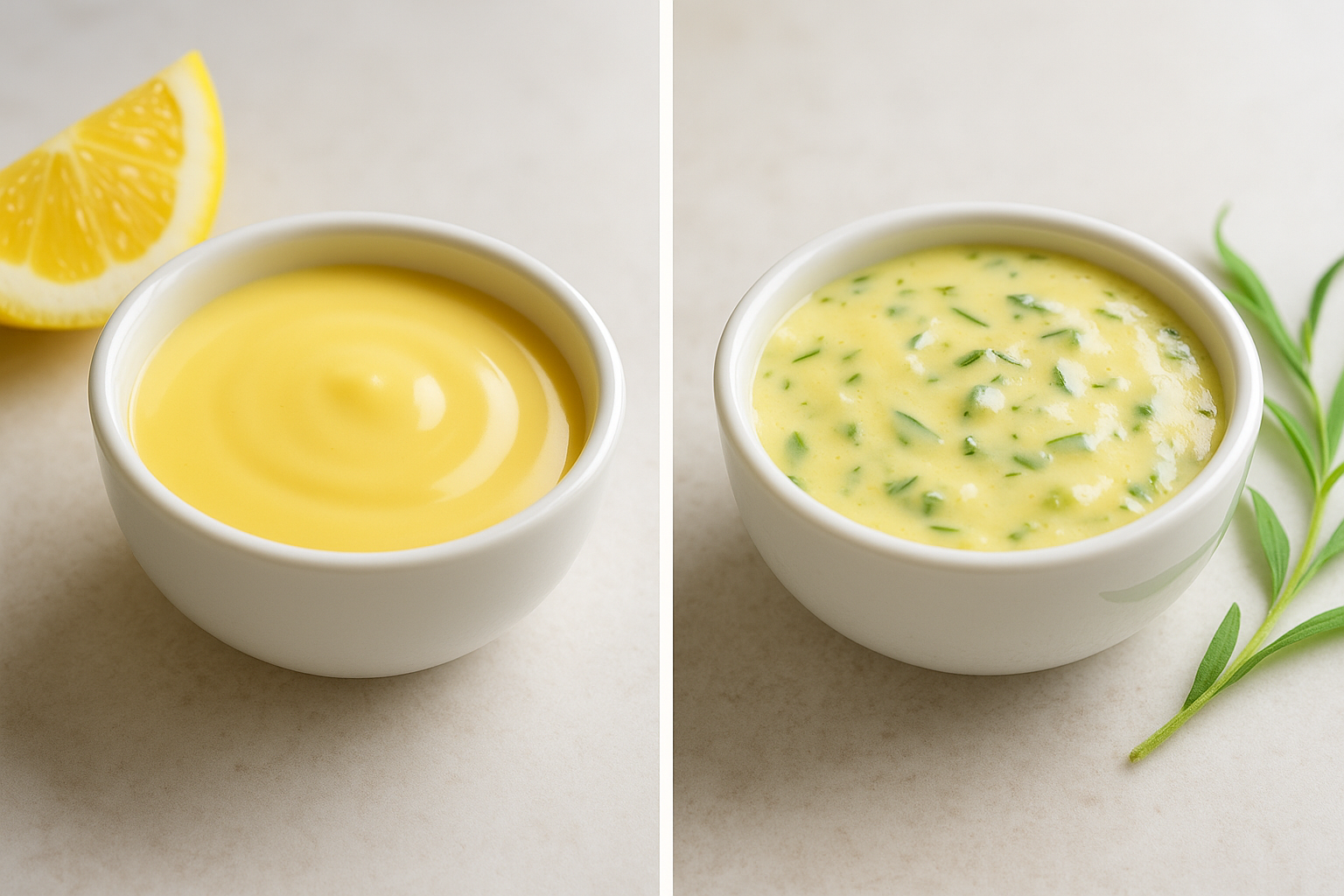
Hollandaise vs. Béarnaise Sauce: Key Differences and When to Use Each
Compare hollandaise and béarnaise sauces - ingredients, flavor, and best uses. Learn when to use each classic French sauce for perfect dishes.
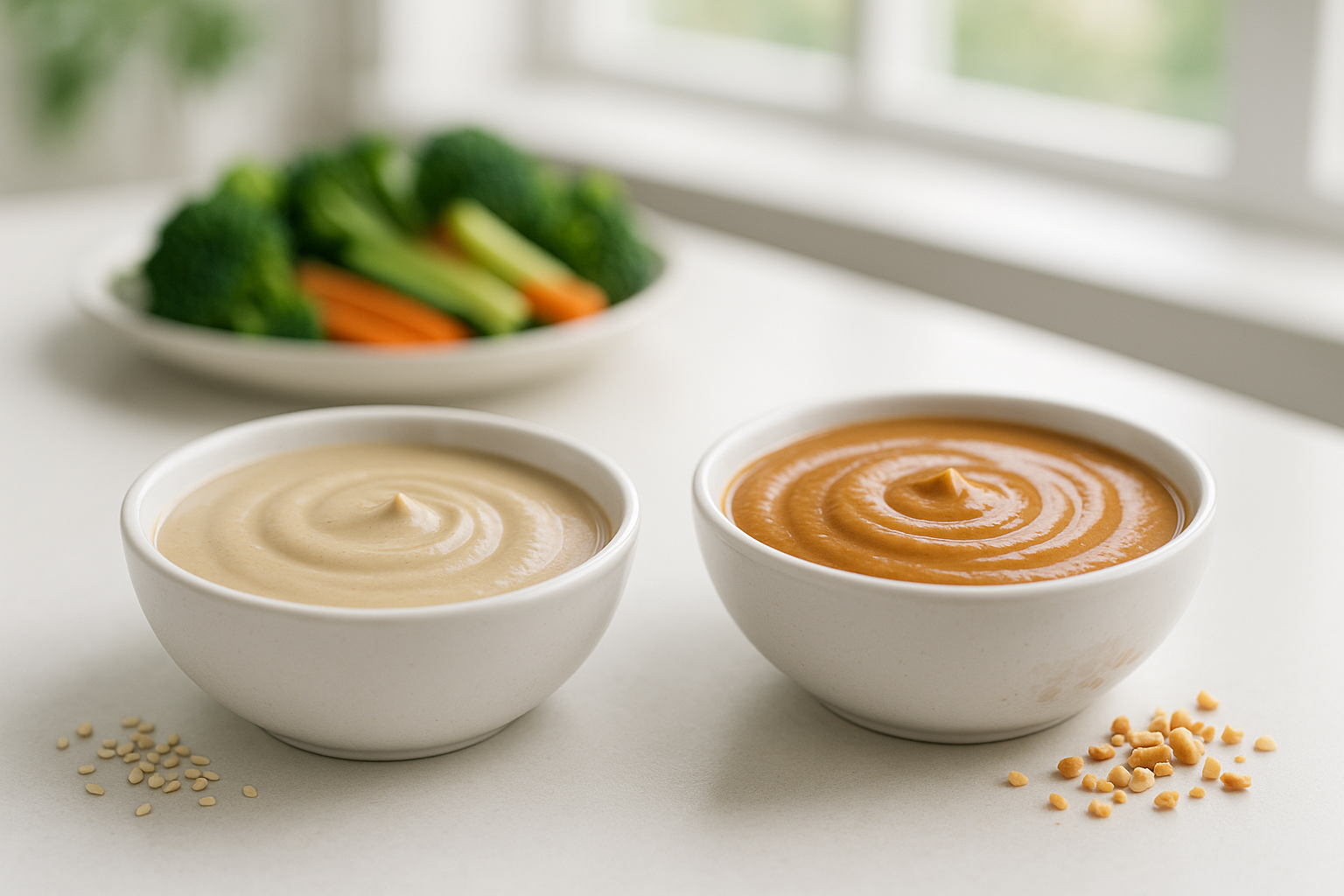
Tahini vs. Peanut Sauce: Flavor, Uses, and Nutrition Compared
Tahini and peanut sauce each bring unique flavors to dishes. Compare taste, texture, uses, and nutrition to choose the right sauce for your recipe.
Alfredo vs. Carbonara Sauce: How to Tell Them Apart and When to Use Each
Confused by Alfredo and Carbonara sauces? Learn the key differences, best uses, and how to avoid common mistakes when making each classic pasta sauce.
Fish Sauce vs. Oyster Sauce: Which Adds More Umami to Stir-Fries?
Confused about using fish sauce or oyster sauce in your stir-fries? Learn the key differences, best uses, and which sauce brings out bolder umami flavor.