Fish Sauce vs. Oyster Sauce: Which Adds More Umami to Stir-Fries?
Confused about using fish sauce or oyster sauce in your stir-fries? Learn the key differences, best uses, and which sauce brings out bolder umami flavor.
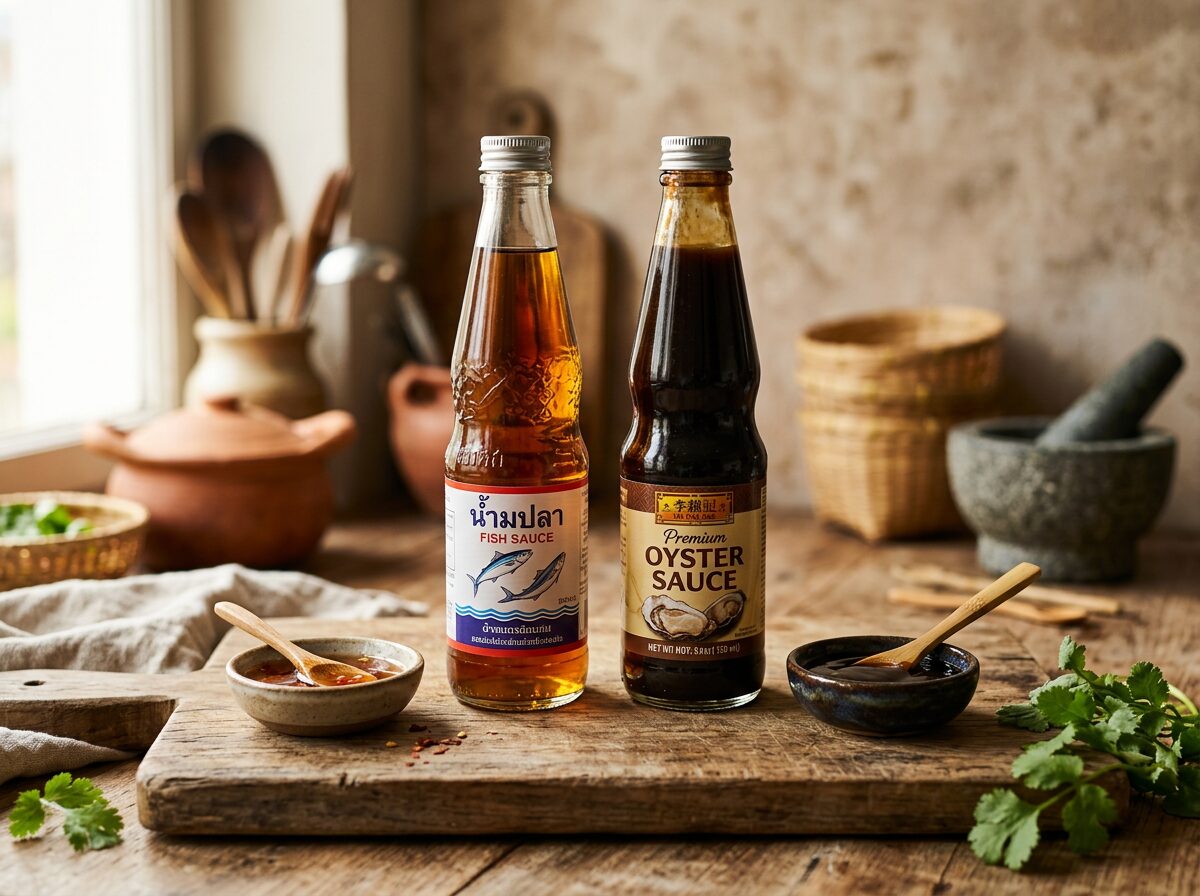
Written by FoodieManiac
With over 8 years of sauce-making experience, I've tested hundreds of techniques and products to bring you practical, reliable advice. Learn more about me →
Fish Sauce vs. Oyster Sauce: Which Adds More Umami to Stir-Fries?
If there’s one question I get from friends who are just getting into Asian cooking, it’s this: “Which is better for stir-fries - fish sauce or oyster sauce?” I used to think they were basically the same. Then I made the mistake of swapping one for the other in a fried rice recipe, and let’s just say no one wanted seconds that night. Both add a punch of umami, but in totally different ways. Let’s break down when to use each, what actually happens in the pan, and how to avoid the classic “why does this taste like the ocean?” disaster.
What Exactly Are Fish Sauce and Oyster Sauce?
Fish Sauce: The Salty, Funky Powerhouse
Fish sauce is basically salt-cured anchovies (or similar tiny fish) that have been fermented for months. The liquid that seeps out is what you buy in a bottle. It’s salty, slightly funky, and absolutely loaded with something called glutamates - that’s the science-y term for what our tongues call umami. The first time I opened a bottle, my kitchen smelled like low tide, but once it hit a hot wok with garlic, the funk mellowed and the flavor was unreal. If you’ve ever had pad Thai or Vietnamese nuoc cham, you’ve tasted it.
Oyster Sauce: The Sweet, Savory All-Rounder
Oyster sauce is made by simmering oysters (sometimes just oyster extract, to be honest) with soy sauce, sugar, and sometimes cornstarch to thicken it up. It’s glossy, syrupy, and less aggressive than fish sauce. There’s a subtle seafood note, but mostly it’s sweet and savory, with a touch of caramel. I always have a bottle of Lee Kum Kee in my fridge. I use it way more than I thought I would - it just sneaks into any quick veggie stir-fry or noodle dish when I need depth and a bit of shine.
How Do They Add Umami?
The Science, But Not Boring
Fish sauce is basically umami in a bottle. It’s rich in natural MSG (no, that’s not a bad thing, but that’s a whole other rant). It doesn’t just salt your food - it wakes up everything else you put in the pan. But it is salty. If you use too much, your stir-fry can go from “wow” to “why does my tongue feel fuzzy?” in a couple seconds. Start with a teaspoon for a two-person stir-fry. Taste. Add more if you need, but remember: you can always add, you can’t subtract.
Oyster sauce brings a different kind of umami. It’s not as sharp or briny. The sweetness balances the savoriness, and the texture clings to vegetables and meat. It’s also way less likely to overpower everything else, which is why most Chinese takeout stir-fries use it as the backbone of their sauce. If you want to learn more about building umami in sauces, check out my guide on Deglazing Demystified: How to Build Deep Flavor in Pan Sauces.
When to Use Fish Sauce vs. Oyster Sauce in Stir-Fries
Fish Sauce: For Funk, Depth, and Southeast Asian Dishes
Fish sauce is my go-to for Thai or Vietnamese stir-fries, or if I want to give a basic fried rice a little edge. I also splash it into noodle dishes when soy sauce alone tastes flat. But here’s the thing: a little goes a long way. I’ve ruined more than one dish by treating it like soy sauce and pouring with a heavy hand. If you’re new, literally measure it. One teaspoon for a two-serving stir-fry, max. Taste, then adjust. (Honestly, if your kitchen smells like a fishing boat, you went too far.)
Oyster Sauce: For Chinese-Style Stir-Fries and Saucy, Shiny Veggies
Oyster sauce is almost impossible to mess up. It’s my “shortcut to takeout flavor” sauce. You want glossy broccoli beef or sticky eggplant? Oyster sauce. It thickens as it cooks, so you get that restaurant-style cling. I use one tablespoon per two servings as a starting point. If you want a vegetarian option, mushroom “oyster” sauce is pretty good (not amazing, but it works in a pinch). If you’re making something like Aji Verde or Roasted Garlic Parmesan Dip, obviously skip both - but for most Asian-style stir-fries, oyster sauce is a safe bet.
What Happens If You Swap Them?
So here’s what I learned the hard way: you can’t just swap these one-for-one. Fish sauce is liquid salt with a punch. Oyster sauce is sweet and thick. If you use fish sauce where oyster sauce is called for, you’ll end up with a salty, watery mess that tastes aggressively marine unless you balance it with sugar and something to thicken it (cornstarch works). If you swap oyster sauce for fish sauce in a Thai or Vietnamese recipe, you’ll lose that punchy depth. The dish will probably taste fine, but flat.
If you’re desperate and only have one, here’s my shortcut: if a recipe needs oyster sauce and you only have fish sauce, mix 1 tsp fish sauce + 1/2 tsp soy sauce + 1/2 tsp sugar + 1/2 tsp cornstarch (mixed with a splash of water). It’s not perfect, but it’s close enough on a weeknight. Honestly, shortcuts are fine - just don’t try to impress a Thai grandma with them.
Which Actually Adds More Umami?
Short answer: fish sauce wins for pure umami power, but oyster sauce is less risky for everyday stir-fries.
Fish sauce is the king if you want that deep, savory, can’t-stop-eating flavor in Thai or Vietnamese dishes. It’s what makes pad see ew or Thai basil chicken pop. But you have to use it carefully or it’ll bulldoze every other flavor. Oyster sauce brings a rounder, more balanced savoriness. It makes Chinese broccoli taste like something you’d actually order at a restaurant. If I just want a fast, glossy veggie stir-fry, I reach for oyster sauce every time.
Try both side by side. Make a simple chicken and broccoli stir-fry. Cook half with a teaspoon of fish sauce, half with a tablespoon of oyster sauce. Taste them next to each other. You’ll get it instantly. The fish sauce version is more intense, sharper, and on the salty side. The oyster sauce version is smoother, sweeter, more familiar if you eat a lot of Chinese takeout.
How I Actually Use Them in My Kitchen
Here’s my real routine: if I’m making Thai, Vietnamese, or want something punchy, I reach for fish sauce - but I always add it in small amounts, and taste as I go, because you can’t un-fish a sauce. For Chinese-style stir-fries or quick veggies, oyster sauce is my move. I usually don’t even measure anymore, just a good squeeze around the pan. If it ends up too sweet or thick, I splash in a little water or chicken stock (store-bought is fine - no shame). If you want to get creative with sauce combos, check out my 3-Ingredient Sauces guide. It’ll change your weeknight dinners, promise.
Tested Tips
- The teaspoon rule: For fish sauce, start with one teaspoon per two servings. Taste before adding more. If you overdo it, toss in a squeeze of lime and a pinch of sugar to take the edge off. I learned this after making a chicken stir-fry so salty we had to order pizza.
- The cornstarch fix: If your oyster sauce-based stir-fry looks thin or watery, mix one teaspoon cornstarch with two teaspoons water and stir it in at the end. I used to serve runny sauces until my friend (who worked in a takeout kitchen) showed me this trick.
- Funky smell panic: Fish sauce stinks when you first open it, but it mellows out as it cooks. If your kitchen still smells “off” after cooking, air it out and add fresh herbs (like cilantro) to the dish. Trust me, the smell is way stronger than the taste.
- Cheap vs. fancy bottles: Don’t waste money on expensive oyster sauce. Lee Kum Kee (the one with the red panda label) is perfect. For fish sauce, Red Boat is worth it if you use it a lot, but cheaper brands like Squid are fine for stir-fries.
- Sticky bottle cleanup: Both sauces are sticky and can gunk up bottle caps fast. Wipe the rim every time you use them. I’ve had more than one bottle get glued shut and had to run it under hot water to get it open.
How to Build Stir-Fry Sauces with Fish or Oyster Sauce
Want a basic stir-fry formula? Here’s what I use after years of tweaking:
- 2 tablespoons soy sauce
- 1 tablespoon oyster sauce or 1 teaspoon fish sauce (never both for the same sauce - it’s overkill)
- 1 teaspoon sugar
- 1/2 teaspoon cornstarch (mixed with 1 tablespoon water)
- 1/4 cup stock or water (store-bought is fine)
Mix, taste, and adjust. If you want more punch, add a dash more fish sauce. If it’s too salty, add a splash of water or toss in some extra veggies. For more sauce inspiration, check out my Thermomix Creamy Chipotle Sauce or my Authentic Indian Mint Cilantro Chutney for ideas on layering flavor.
Common Mistakes I’ve Made (So You Don’t Have To)
- Pouring fish sauce straight into a hot pan: It splatters and the smell gets intense. Add it off-heat or mix into other liquids first.
- Using both sauces at full strength: The flavors compete and you end up with a muddy, overpowering sauce. Pick one as the main umami booster.
- Not balancing salt/sweet: Fish sauce needs a little sugar or acid (lime/vinegar) to balance. Oyster sauce needs a little soy or stock to thin it out sometimes.
- Letting sauces sit on the heat: Oyster sauce can burn and get bitter if you leave it on high heat too long. If you see the sauce bubbling and sticking, pull the pan off the burner.
Don’t Forget About Texture and Shine
Oyster sauce isn’t just about flavor. It gives that glossy, restaurant-style look you see in takeout. Fish sauce is thin and watery - it soaks in, but doesn’t coat. If you crave that shiny effect, oyster sauce (or a splash of both soy and cornstarch) is the way to go. If you want more sauce advice for tricky textures, I wrote a whole guide on Why Your Creamy Sauce Turns Watery After Refrigeration and how to fix it. It’s not just for creamy stuff - the tips work for stir-fry sauces too.
So…Which Should You Buy First?
If you only want to buy one bottle, make it oyster sauce. It’s more forgiving, works in lots of recipes, and won’t scare anyone away with fishy funk. But if you love Southeast Asian food, fish sauce is worth the tiny investment (and the initial smell shock). Ultimately, both belong in your fridge. I always keep them side by side, right next to the Copycat Big Mac Sauce and my last batch of Avocado Cilantro Lime Crema. Once you get comfortable, you’ll start mixing and matching for your own signature stir-fry sauce. Just don’t let the bottles get sticky, okay?
Want to Up Your Sauce Game?
If you’re obsessed with sauces like I am, check out my favorite guides and recipes:
- Teriyaki vs. Soy Sauce: Key Differences and When to Use Each
- How to Pair Sauces With Pasta Shapes: Matching Texture and Flavor
- Alabama White Gold Mustard BBQ Sauce
- Authentic Moroccan Chermoula Sauce Recipe
And if you ever split a sauce or end up with something weird and watery, trust me - I’ve been there. You can always fix it, or at worst, order takeout and try again tomorrow.
TAGS
Related Articles
Worcestershire Sauce vs. Soy Sauce: Flavor, Uses, and Substitutes Compared
Compare Worcestershire and soy sauce: flavor, best uses, key differences, and how to substitute one for the other in recipes. Upgrade your cooking today!
How to Make Gochujang Sauce: Korea’s Fermented, Flavor-Packed Condiment
Learn to make authentic gochujang sauce at home with this easy Korean recipe, plus tips for using it in marinades, dressings, and dipping sauces.
Hollandaise vs. Béarnaise Sauce: Key Differences and When to Use Each
Compare hollandaise and béarnaise sauces - ingredients, flavor, and best uses. Learn when to use each classic French sauce for perfect dishes.
Ponzu vs. Soy Sauce: Key Differences and How to Use Each in Cooking
Discover the differences between ponzu and soy sauce, how they impact flavor, and when to use each for the best results in your recipes.