How to Make Gochujang Sauce: Korea’s Fermented, Flavor-Packed Condiment
Learn to make authentic gochujang sauce at home with this easy Korean recipe, plus tips for using it in marinades, dressings, and dipping sauces.
Written by FoodieManiac
With over 8 years of sauce-making experience, I've tested hundreds of techniques and products to bring you practical, reliable advice. Learn more about me →
Understanding Gochujang: Korea’s Fermented Chili Paste
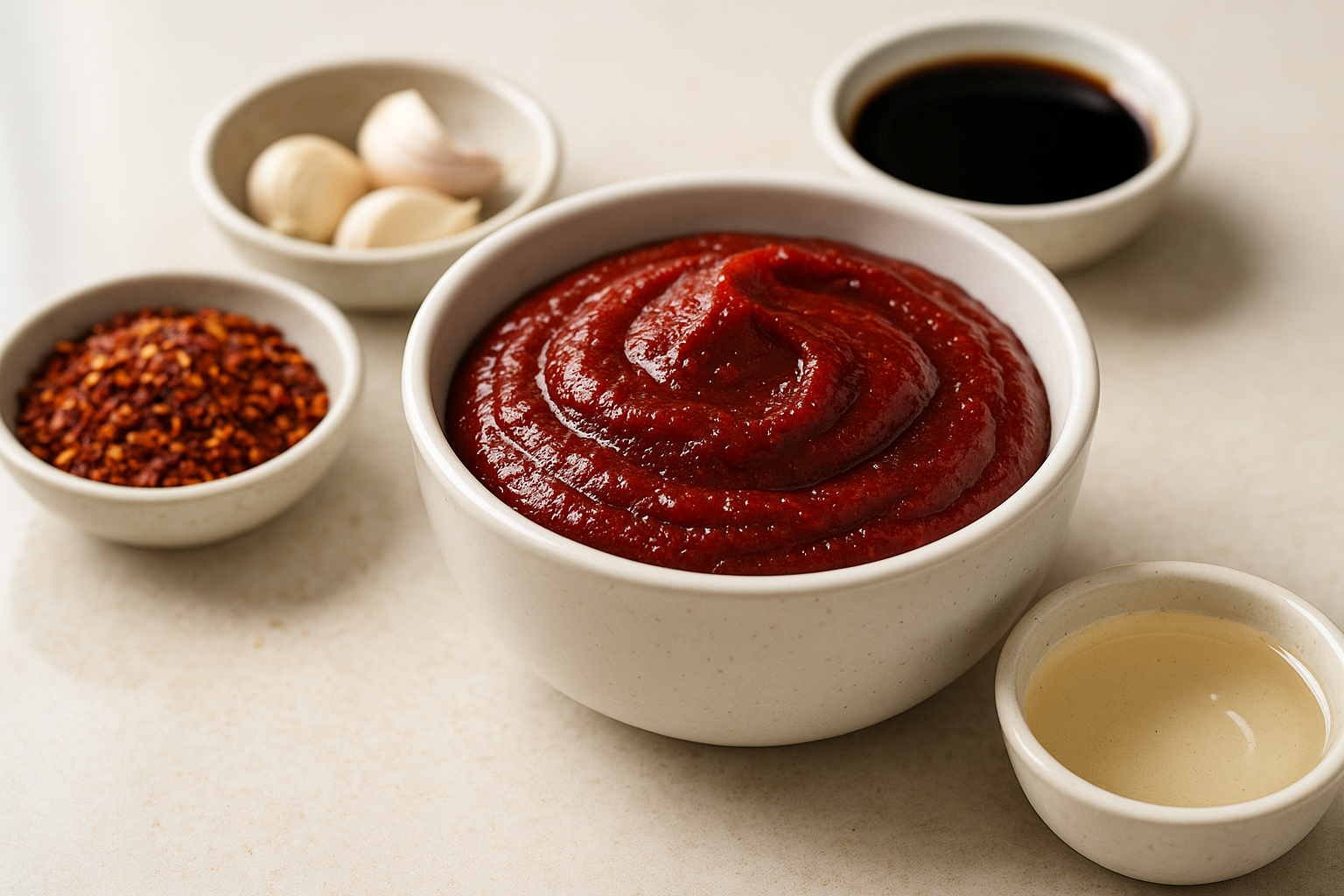
Gochujang is the backbone of Korean cuisine - an umami-rich, sweet, spicy, and deeply savory condiment made from fermented chili powder (gochugaru), glutinous rice, fermented soybeans, and salt. This complex paste forms the base for countless Korean sauces, stews, marinades, and dipping sauces, and its unique flavor profile has made it an international sensation.
Unlike hot sauces such as Mexican Salsa Roja or Thai Sweet Chili Sauce, gochujang’s flavor is layered and mellowed through fermentation, delivering heat, sweetness, and umami in balance. Understanding how to make, store, and use gochujang sauce is essential for anyone passionate about sauces.
What Is Gochujang Sauce?
Gochujang sauce is not just the pure fermented paste straight from the crock - it’s a versatile, ready-to-use sauce that blends gochujang with aromatics, sweeteners, and other seasonings. It’s thinner, pourable, and perfect as a marinade, stir-fry sauce, or condiment. Think of it as the Korean equivalent of barbecue sauce, but with fermentation at its core.
For context, just as Japanese Teriyaki Sauce or Spanish Romesco Sauce adapts to different uses, gochujang sauce can be dialed up for spice, sweetness, or saltiness, depending on your dish.
Ingredients: What Goes Into Gochujang Sauce?
To make authentic gochujang sauce at home, you’ll need:
- Gochujang paste: 1/4 cup – available at Asian grocery stores or online. Homemade is possible, but requires weeks of fermentation (see below).
- Rice vinegar: 2 tablespoons – for acidity and brightness.
- Soy sauce: 2 tablespoons – for salt and umami.
- Toasted sesame oil: 1 tablespoon – for nutty depth.
- Honey (or sugar): 1 tablespoon – balances heat and acidity.
- Garlic, minced: 2 cloves – for aromatic punch.
- Ginger, minced: 1 teaspoon – optional but recommended for freshness.
- Water: 2–4 tablespoons – to thin to your desired consistency.
- Optional: 1 teaspoon toasted sesame seeds for garnish.
Every ingredient in gochujang sauce serves a purpose. The balance of heat, sweetness, sourness, and umami is key, just as in any world-class sauce. If you’re interested in how to tweak sauces for balance, see Acid, Fat, Sugar, Salt: How to Balance Flavors in Any Homemade Sauce.
How to Make Gochujang Sauce: Step-by-Step Instructions
1. Mise en Place: Prep Your Ingredients
Finely mince garlic and ginger. Measure out all liquids and the gochujang paste. For best results, bring ingredients to room temperature - this helps them emulsify smoothly and ensures the flavors meld evenly.
2. Mixing and Emulsification
In a medium bowl, combine:
- 1/4 cup gochujang paste
- 2 tablespoons rice vinegar
- 2 tablespoons soy sauce
- 1 tablespoon toasted sesame oil
- 1 tablespoon honey (or sugar for a vegan version)
- 2 cloves minced garlic
- 1 teaspoon minced ginger
Whisk vigorously for 1–2 minutes. Start adding water, 1 tablespoon at a time, until you reach a pourable but not watery consistency. Generally, 2–4 tablespoons will suffice. The sauce should coat the back of a spoon, similar to Honey BBQ Glaze or Easy Teriyaki Sauce.
3. Heat to Infuse Flavors (Optional but Recommended)
For a smoother, more integrated flavor (especially when using raw garlic/ginger), transfer the mixture to a small saucepan. Heat gently over low-medium heat (no higher than 80°C/175°F) for 2–3 minutes, stirring constantly. Do not boil - this preserves the fermented complexity of the gochujang while mellowing raw aromatics.
Remove from heat and let cool to room temperature. The flavors will continue to develop as the sauce cools.
4. Final Adjustments and Storage
Taste and adjust: add more honey for sweetness, vinegar for tang, or soy sauce for saltiness. If you want extra heat, stir in a pinch of gochugaru or chili flakes.
Transfer to a sterile glass jar. Seal and store in the fridge for up to 2 weeks. The flavors will deepen as it sits, similar to other homemade sauces that benefit from resting.
Tips for Perfect Gochujang Sauce Every Time
- Use good gochujang paste: Cheap brands may be overly salty or lack complexity. Look for products with minimal additives.
- Control thickness: For dipping, make it thinner (up to 4 tbsp water). For marinades or glazes, keep it thicker (2 tbsp water).
- Fermentation flavor: Don’t overheat the sauce - high heat can dull the nuanced, funky notes that make gochujang special.
- Storage: Always use a clean spoon and airtight container to prevent spoilage. For longer storage, freezing is possible; see Freezing Sauces 101.
Can You Make Gochujang Paste from Scratch?
Traditional gochujang paste requires fermentation - typically 4–8 weeks in a cool, dark place at 15–20°C (59–68°F). It’s made with:
- Sweet rice flour, cooked to a thick porridge
- Fermented soybean powder (meju garu)
- Korean chili flakes (gochugaru)
- Coarse salt
Mix the ingredients, pack into a sterilized crock, cover with cheesecloth, and ferment. While this is rewarding, most home cooks use high-quality store-bought paste due to time and equipment constraints. Focus on the sauce - it’s where your creativity shines, much like making Peruvian Aji Verde or Spanish Romesco Sauce at home.
How to Use Gochujang Sauce
Gochujang sauce is endlessly versatile. It’s fantastic as:
- A marinade for grilled meats, tofu, or fish (marinate for 30 minutes to 4 hours).
- A stir-fry sauce - toss 2–3 tablespoons with 500g of veggies and protein, cook over high heat for 3–5 minutes.
- A dipping sauce for dumplings, raw vegetables, or Korean pancakes (jeon).
- A finishing drizzle for rice bowls, noodles, or roasted vegetables (try with other vegetable-friendly sauces).
- A burger or sandwich spread - mix with mayo or yogurt for a spicy kick.
It also pairs beautifully with globally inspired dishes; experiment as you would with Chipotle Southwest Sauce or Chipotle Lime Sauce.
Pairing Gochujang Sauce with Other Global Sauces
Gochujang’s sweet heat and umami make it a great addition to your sauce repertoire. For fusion ideas, try blending with:
- Creamy Garlic Parmesan Sauce for a Korean-Italian pasta.
- Sriracha Mayo for spicy, tangy sandwiches.
- Chimichurri for a unique grilled meat glaze.
- Thai Peanut Sauce for a nutty, spicy dipping sauce.
For more on building a sauce bar or pairing sauces internationally, see Global Sauce Traditions: A Tour of the World's Most Essential Condiments and How to Build a Sauce Bar for Your Next Party.
Troubleshooting: Common Gochujang Sauce Problems
- Too thick: Whisk in water 1 teaspoon at a time until desired consistency is reached.
- Too salty: Add more honey or a splash of water; consider using low-sodium soy sauce next time.
- Too spicy: Add extra honey or mashed ripe pear for sweetness, or blend with plain yogurt for a creamy dip.
- Too bland: Try a touch more soy sauce, gochujang, or a pinch of MSG for umami.
Understanding sauce balance is crucial for any home cook. For more on troubleshooting and mastering sauce textures, see The Science of Emulsification: Why Some Sauces Come Together and Others Fall Apart.
Storing and Preserving Gochujang Sauce
Gochujang sauce keeps well in the fridge for up to 2 weeks thanks to its salt and acidity. Use a sterilized jar and always use a clean spoon to avoid contamination. For longer storage, freeze in small portions - ice cube trays work well. Thaw in the fridge overnight or rewarm gently before use; avoid microwaving, which can dull flavors.
For a comprehensive guide to sauce storage and freezing, review Freezing Sauces 101.
Gochujang Sauce Variations and Advanced Tips
- Gochujang Mayo: Mix 2 parts mayo to 1 part gochujang sauce for a creamy, spicy spread (excellent on fries or as a burger topping, similar to In-N-Out Spread).
- Gochujang Ranch: Blend with homemade ranch dressing for a fusion dip (see Copycat Wingstop Ranch).
- Vegan version: Use maple syrup or agave in place of honey, and check that your gochujang paste is vegan.
- Extra umami: Add 1/2 teaspoon anchovy sauce or miso paste for deeper flavor.
Remember, sauce-making is about layering flavors and textures - don’t be afraid to experiment, and always taste as you go.
Conclusion: Unlock Korean Flavor with Gochujang Sauce
Gochujang sauce is one of the world’s most exciting condiments - a masterclass in balancing heat, sweetness, acidity, and umami through fermentation. Whether you use it as a marinade, dip, stir-fry sauce, or sandwich spread, learning to make gochujang sauce at home opens up a world of flavor possibilities. Like all great sauces, it rewards experimentation and attention to detail. If you love sauces, try expanding your repertoire with Aji Verde, Chimichurri, or Romesco next - and remember to check out our global guide to world condiments for more inspiration.
TAGS
Try These Recipes
Related Articles
How to Make Toum: Lebanon’s Creamy Garlic Sauce and Serving Ideas
Master Lebanese toum sauce at home with this step-by-step recipe. Learn tips for perfect texture and delicious ways to use this garlicky condiment.
How to Make Zhoug Sauce: Yemen’s Spicy, Herbaceous Green Condiment
Discover how to make authentic Zhoug sauce at home. This Yemeni green condiment adds bold, spicy flavor to meats, veggies, grains, and more.
Hot Sauce vs. Chili Paste: When to Use Each in Your Cooking
Understand the key differences between liquid hot sauces and thick chili pastes. Learn when each one works best and how to substitute one for the other.
How to Make Copycat Chick-fil-A Sauce at Home (Step-by-Step Recipe)
Recreate the iconic Chick-fil-A Sauce at home! This easy copycat recipe delivers that sweet, smoky, tangy flavor with common pantry ingredients.