How to Pair Sauces With Pasta Shapes: Matching Texture and Flavor
Wondering which sauce goes best with each pasta shape? Learn how to match sauce textures and flavors for the perfect pasta night every time.
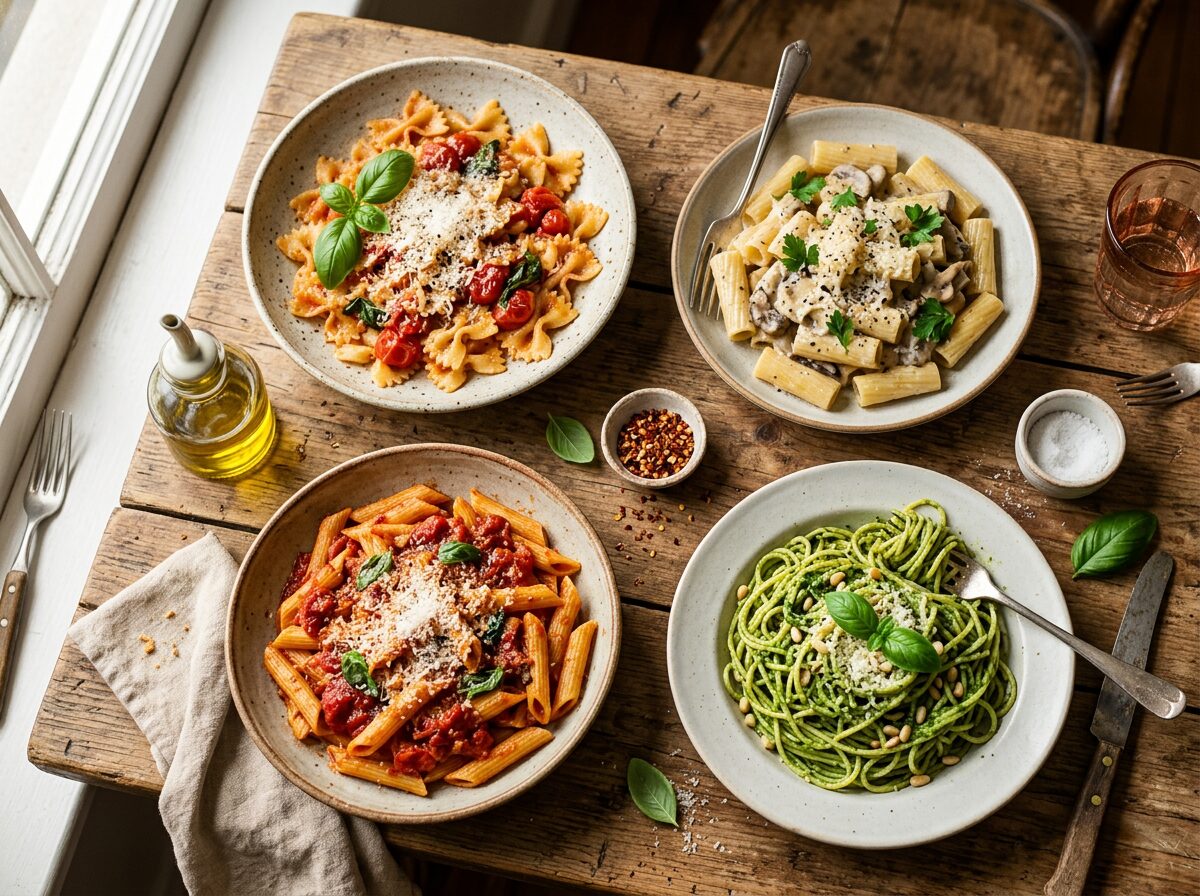
Written by FoodieManiac
With over 8 years of sauce-making experience, I've tested hundreds of techniques and products to bring you practical, reliable advice. Learn more about me →
Why Pasta Shapes and Sauce Pairing Actually Matters
If you’ve ever served homemade tomato sauce over angel hair and wondered why it felt like you were eating a ketchup noodle salad (I’ve done this, no shame), you already know: the shape of your pasta seriously affects how your sauce clings, coats, and tastes. It took me far too many soggy penne nights to learn that not every noodle is a blank canvas. Some are more like, um, raincoats. Some are sponges.
So if you want your sauce to actually stick, or your delicate butter sauce to not get lost in crevices, it’s worth knowing the basics. I’ll tell you what I learned the hard way, and give you shortcuts where it doesn’t matter. No Italian grandma guilt trips here - just honest kitchen advice, from someone who’s ruined plenty of carbonara.
Understanding the Big Sauce Families
Let’s start with sauce types. If you can recognize which “family” your sauce falls into, you’re already halfway to a better pairing.
- Oil-based (aglio e olio, pesto): Think olive oil, garlic, maybe nuts or fresh herbs. These are thinner, glossy, and love a noodle with some texture.
- Creamy (alfredo, vodka, cheese sauces): Rich, thick, and luscious. They need a shape that can carry their weight.
- Tomato-based (marinara, arrabbiata): Tangy, bright, sometimes chunky. They’re pretty versatile, but not every noodle is ideal.
- Chunky/Meaty (bolognese, sausage, veggie ragù): Hearty and often with bits that need to be caught, not lost.
- Baked pasta sauces (lasagna, ziti): Usually a combo of creamy, tomato, and cheese - these need noodles that won’t melt or get mushy.
If you want to get nerdy about building flavor in your sauces, I wrote a whole guide just for that: Deglazing Demystified: How to Build Deep Flavor in Pan Sauces. Worth a read if your sauces ever taste a little flat.
How Texture and Shape Change the Game
Let’s get hands-on. A tube shape like rigatoni is a sauce trap - it holds chunky bits inside, while a flat noodle like fettuccine lets creamy sauces hug every strand. If you’ve ever watched your beautiful sausage ragù slide right off spaghetti and pool at the bottom, you know what I mean.
I’ll break down a few classic combos and what actually works (and doesn’t) in real kitchens. No, you don’t have to follow these religiously - but if you do, you’ll notice the difference.
Long Noodles: Spaghetti, Linguine, Fettuccine, Tagliatelle
- Best for: Smooth, oil-based, or creamy sauces that coat easily
- Examples: Cacio e pepe, Alfredo, Pesto, Carbonara
Long noodles give you a lot of surface area. They like sauces that cling - so think about oil-based or creamy. Tomato sauce works, but honestly, it’s easy to overdo and drown them. The first time I made homemade Alfredo, I used penne because that’s what I had - and it tasted fine, but the sauce pooled inside and the outside was dry. Fettuccine was a game changer.
If you want a creamy sauce shortcut, try my Thermomix Creamy Sun-Dried Tomato Pasta Sauce. It works on linguine, fettuccine, or even spaghetti if you’re feeling wild.
Short Tubes: Penne, Rigatoni, Ziti
- Best for: Chunky, meaty, or veggie-packed sauces
- Examples: Bolognese, sausage ragù, roasted veggies with tomato
These shapes are basically little sauce hot tubs. Anything with bits - ground meat, crumbled sausage, big tomato chunks - gets scooped up. If you only have a smooth sauce, toss in some roasted veggies or ground beef for texture. I learned this after years of bland penne with plain tomato sauce. Add some bite, and suddenly it’s a meal.
Shaped Pasta: Farfalle, Rotini, Fusilli, Shells
- Best for: Chunky sauces, pesto, cheese sauces
- Examples: Pesto with veggies, creamy cheese sauce, sausage and peppers
All those twists and folds are sauce magnets. Pesto is classic here. I used to make pesto and serve it on spaghetti, but it slid right off. Fusilli was the fix - each curve catches the pesto, and you get flavor in every bite. This is also my sneaky way of getting more sauce in every mouthful when I’m feeling greedy.
For a punchy, herb-forward sauce that’s not Italian, try something like Authentic Peruvian Aji Verde Sauce for a pasta salad twist - just toss with rotini and some grilled chicken.
Mini Shapes: Orzo, Ditalini, Pastina
- Best for: Soups, brothy sauces, light butter or herb sauces
- Examples: Chicken soup, lemon-butter orzo, minestrone
Don’t underestimate these little guys. Orzo tossed with lemon zest, a splash of cream, and lots of black pepper is criminally underrated. If you’re making soup, mini shapes are the move - I learned this after trying to eat a spoonful of spaghetti in broth and getting splattered. Trust me, smaller is better here.
Flat Sheets and Large Shapes: Lasagna, Cannelloni, Manicotti
- Best for: Layered, baked, or stuffed sauces (creamy, cheesy, or tomato-based)
- Examples: Lasagna with béchamel and meat sauce, stuffed shells with ricotta and spinach
This is where you want sauces that can soak in, but not make the pasta soggy. I used to over-sauce my lasagna, and it turned into soup. If you’re using ricotta or béchamel, go lighter on the tomato sauce than you think. For baked dishes, a combo of creamy and tomato is classic. Don’t stress about using fancy cheese here - store brand works just fine, but skip pre-grated if you can, it melts weird.
Matching Flavors: When to Go Bold, When to Go Simple
You don’t always have to match regional styles, but there’s a reason certain combos are classics. Here’s what I’ve learned after years of “Franken-pasta” experiments:
- Delicate sauces (lemon-butter, simple olive oil): Use thin or light pasta shapes (capellini, angel hair, linguine). Heavy shapes just drown the flavor.
- Bold, spicy, or smoky sauces: Pair with ridged shapes or twists, like rigatoni or fusilli. They grab onto intense flavors, so every bite pops. For a spicy, smoky twist, try my Smoked Chipotle Honey Butter Sauce on rotini with grilled chicken and corn. Weird, but so good.
- Herby, chunky sauces: Go for shapes with holes or folds (shells, orecchiette, farfalle). These catch herbs and bits so you’re not left with sauce soup at the end.
- Cheese-heavy sauces: Thicker noodles are your friend. Macaroni, ziti, or even shells. If you melt cheese over spaghetti, it slides off. I’ve been there. Don’t do it.
If you want to get creative, try drizzling something like Avocado Cilantro Lime Crema over pasta salad for a bright, fresh twist. Not traditional, but nobody says you can’t cross borders in your own kitchen.
Tested Tips
- Salt your pasta water like the sea: Start with at least 1 tablespoon kosher salt per 4 quarts of water. I used to skimp, then wonder why my sauce tasted bland no matter what I did. You can't fix under-seasoned noodles after the fact.
- Reserve pasta water before draining: Scoop out a cup of pasta water right before draining. If your sauce is too thick or not sticking, add this starchy water a splash at a time. The starch helps the sauce cling. I forget this step half the time and always regret it.
- Finish pasta in the sauce: Add your drained pasta to the sauce and cook together for 1-2 minutes on medium heat. This lets the flavors meld. If you just pour sauce over pasta, it slides off and puddles. I learned this after years of separate pots and flavorless results.
- Don’t over-sauce: Start with less sauce than you think - about 1/2 to 2/3 cup per 4 ounces of dried pasta. You can always add more, but you can’t un-drown your noodles. If you overdo it, toss in extra cooked pasta or a handful of greens to soak it up.
- Use the right heat for creamy sauces: Keep the heat low once you add cheese or cream. If it boils, it’ll split - and I’ve split enough Alfredo to say, low and slow is the only way. If it does split, add a splash of cold milk and whisk like mad.
- The lid trick: If your sauce is reducing too fast but your pasta isn’t done, put the pan lid on halfway. I spent a year making sauces too thick before someone told me this. If things get too thick anyway, add a bit more pasta water to loosen.
Shortcuts That Actually Work (and Where Not to Bother)
- Store-bought stock in sauce: Totally fine for boosting tomato or meat sauces. Don’t kill yourself making broth unless you want to.
- Jarred pesto or sun-dried tomatoes: Great for quick weeknight dinners. If you have time, homemade is better, but I use store-bought all the time for Thermomix Creamy Sun-Dried Tomato Basil Sauce.
- Pre-grated cheese: Okay for topping, but skip it for creamy sauces. It doesn’t melt as well. Buy a block and grate it if you can - but if it’s Tuesday at 7pm, use what you have.
- Skip infusing garlic in oil if you’re rushed: Just mince and toss in with the sauce, but add it at the start so it doesn’t burn. Burned garlic is the fastest way to ruin a good sauce (I still do this at least once a month).
- Don’t sweat the pasta brand: The sauce matters more. I’ve made perfect sauce with off-brand pasta - just don’t overcook it. Taste at 7 minutes, then every minute after.
Making It Work With What’s In Your Pantry
Here’s the truth: most of us don’t have six shapes of pasta and three homemade sauces stashed in the fridge. When I’m down to one box of penne and a random jar of sauce, I try to add texture or flavor with quick toss-ins. Roasted veggies, crumbled sausage, or even a spoonful of Creamy Roasted Garlic Parmesan Dip as a last-minute creamy boost - it all works.
If your sauce feels too acidic (which happens a lot with jarred tomato sauce), check out my guide Why Your Sauce Tastes Too Acidic - Simple Fixes for Balanced Flavor for actual fixes, not just “add sugar.”
Bonus: Non-Italian Sauce Pairings That Work Shockingly Well
I’ve gone rogue and used things like Authentic Indian Mint Cilantro Chutney as a bright, herby sauce for cold pasta salads. Or try Thermomix Creamy Chipotle Sauce tossed with rotini and grilled shrimp - it’s spicy, smoky, and totally different from the usual. Don’t be afraid to mix and match. Pasta’s a canvas, not a rulebook.
And if you want to get garlic butter right (and fast), my favorite guide is How to Make Garlic Butter Sauce in 5 Minutes (Perfect for Everything!). That stuff goes on everything, including pasta.
What I Wish I Knew When I Started
Honestly, I used to think all pasta shapes were the same. I’d dump Alfredo on penne, or chunky sausage sauce on spaghetti, and wonder why dinner felt like a letdown. Once you start matching texture and flavor - even just a little - your pasta dishes go from “fine” to “wow, I made this?”
Don’t overthink it. Use what you have, but try a new combo when you can. Taste as you go. And if you split your sauce or overcook your pasta, just top with extra cheese and call it rustic. I do.
If you want more sauce troubleshooting, I’ve written guides on why creamy sauces turn watery, how to fix split sauces fast, and how to freeze sauces for next time. Because, trust me, there’s always a next time in the home kitchen.
Now go make some pasta and actually taste the difference a shape can make. And if you mess up, just try again tomorrow - that’s how I learned everything I know.
TAGS
Related Articles
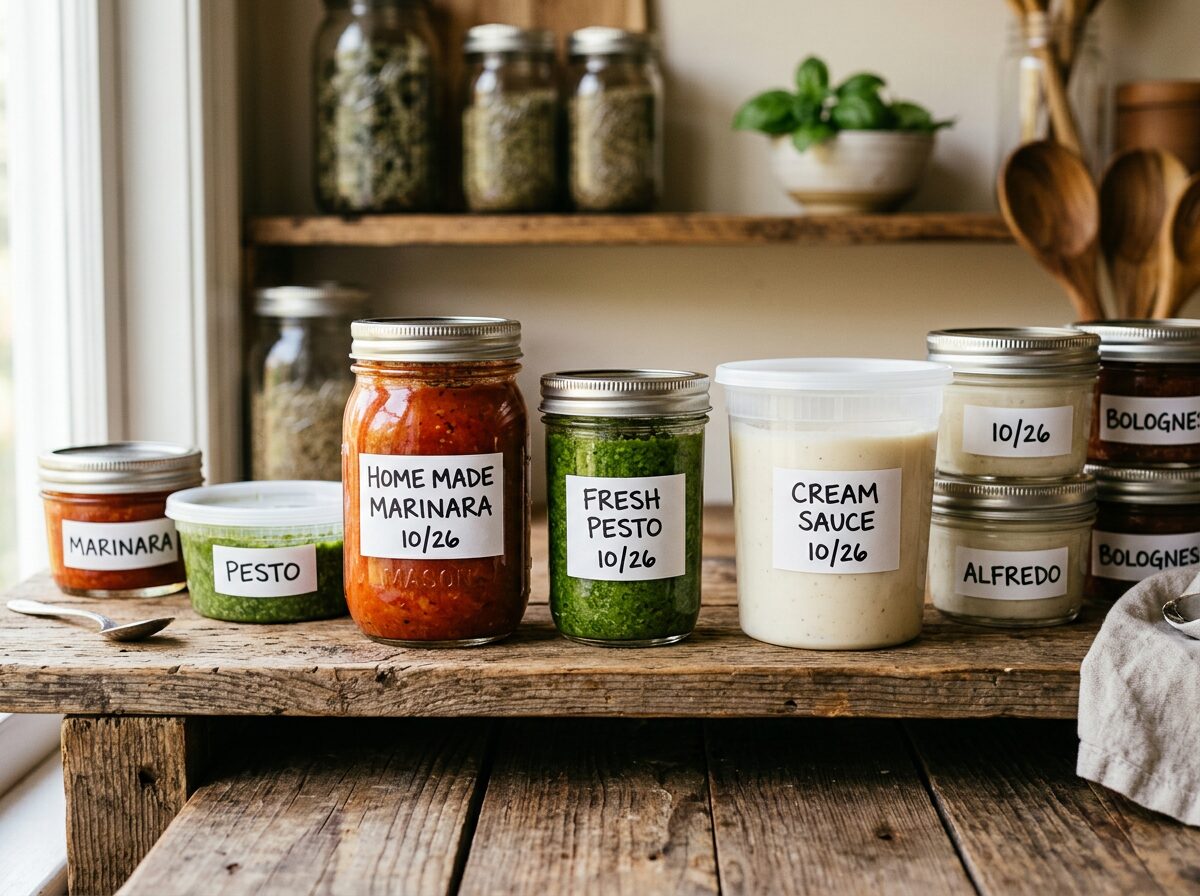
Freezing Sauces 101: Best Methods to Preserve Flavor, Texture, and Quality
Learn how to freeze sauces the right way. Discover tips on storage, thawing, and which sauces freeze best to keep flavors fresh and textures perfect.
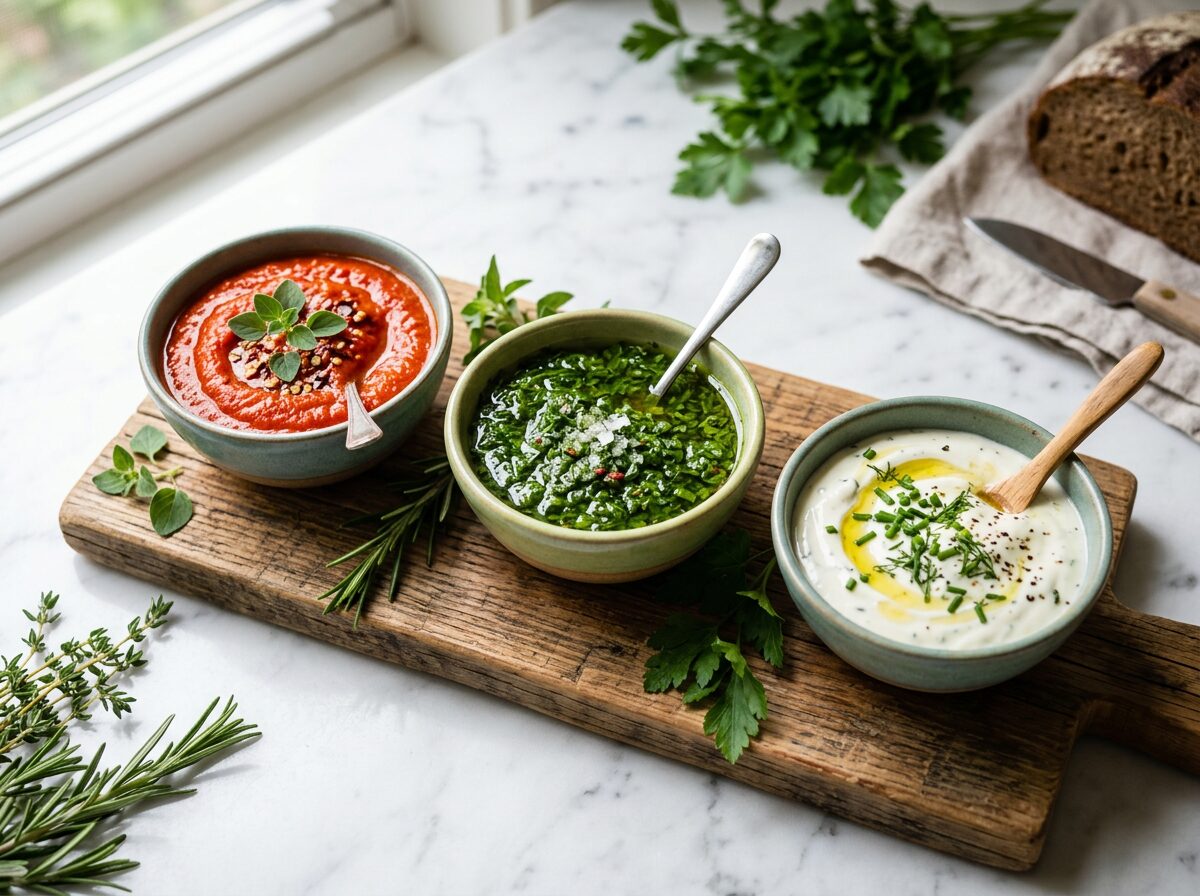
How to Make 3-Ingredient Sauces: Fast, Flavorful Recipes for Any Meal
Discover easy 3-ingredient sauces you can whip up in minutes to elevate any dish—perfect for quick weeknight meals and busy home cooks.
How to Make 3-Ingredient Sauces in Under 5 Minutes (With Recipes)
Discover easy 3-ingredient sauces you can whip up in 5 minutes or less. Perfect for busy cooks—includes quick recipes and pairing tips.
Freezing Sauces 101: Best Methods for Preserving Flavor and Texture
Learn how to freeze sauces the right way—tips for creamy, tomato, and herb sauces plus thawing tricks to maintain taste and texture.